REVIEW · POMPEI CAMPANIA
Pompeii Skip-the-Line Tour with Expert Archeological Guide
Book on GetYourGuide →Operated by WORLDTOURS S.r.l. · Bookable on GetYourGuide
Pompeii hits hard, fast. This 2-hour skip-the-line tour gets you into the ruins with a licensed archaeologist, so you spend time on real street-level context instead of hunting for answers. I like the way the guide connects temples, villas, shops, and the Forum to daily Roman life, and I also appreciate the emotional stop for the plaster casts of the eruption victims. One watch-out: if the tour provides little earpieces, some people find them uncomfortable or don’t get a great fit, so don’t plan to rely on them like headphones.
I also like the pacing. You get a quick cameo workshop detour (with a restroom break), then you’re walking a tight route that still covers big names and real lived-in spaces. The itinerary can shift a bit depending on crowds and access, but you’ll still hit key areas across the site.
Just know the practical limits up front. This tour isn’t suitable for wheelchair users or people with mobility impairments, and you can’t bring pets, drones, or large bags/luggage. Comfortable walking shoes are not optional.
In This Review
- Key Points I’d Plan Around
- Entering Pompeii at Fortuna Village Faster Than You Think
- The Cameo Workshop Stop: A Small Break That Makes the Ruins Hit Harder
- The Route Through Pompeii: How the 2 Hours Stay Focused
- Large Theatre and Teatro Piccolo: Pompeii’s Entertainment Spaces
- Thermopolium: Where You’d Grab Food Fast
- Foro Civile di Pompei: The Forum as the City’s Main Stage
- The Houses That Make Pompeii Feel Real
- House of the Vettii: Status, Art, and Visual Messaging
- House of Menander: Domestic Life With Sharp Clues
- Forum Baths and Macellum: How People Ate, Washed, and Bought Things
- Forum Baths: A Social Routine, Not Just Plumbing
- Macellum of Pompeii: The Market City Within the City
- Preserved Brothels and Shops: The City’s Side Everyone Talks About
- Temples and Photo Stops: Jupiter and Apollo
- Temple of Jupiter and Temple of Apollo
- Earpieces, Audio, and Group-Size Reality Checks
- Price Value for $31: What You’re Really Paying For
- Who This Tour Fits Best
- Should You Book This Pompeii Skip-the-Line Tour?
- FAQ
- How long is the Pompeii guided tour inside the ruins?
- Where do I meet the guide?
- What is included in the tour price?
- What languages are available?
- Is this tour suitable for people with mobility impairments or wheelchair users?
- Is site admission free on the first Sunday of the month?
- What are the main restrictions for what I can bring?
Key Points I’d Plan Around
- Skip-the-line entry at Pompeii so your morning stays on track
- A licensed archaeology guide who explains what you’re actually looking at
- 2 hours inside the ruins with a route designed for maximum clarity
- Cameo workshop + restroom stop before the serious walking begins
- Everyday Pompeii stops, from markets and taverns to preserved brothel areas
- Small-group feel can vary, so arrive early and stay close to your meeting flag
Entering Pompeii at Fortuna Village Faster Than You Think
This tour starts at Fortuna Village Pompei, outside the entrance, where the guide holds a sign for the company name. That part matters more than you’d expect, because Pompeii can feel like a tangle of entrances and lanes even when you’re standing right there.
The big win is the skip-the-line access. Pompeii is one of those places where time disappears fast. When you’re paying for a guided slot, you want the tour to actually start when it says it will—otherwise you lose the value of the ticket line shortcut. In real life, I’ve seen delays happen due to traffic or meeting-point confusion, so treat this like a flight. Arrive a little early, and double-check you’re at the correct gate by sight, not vibes.
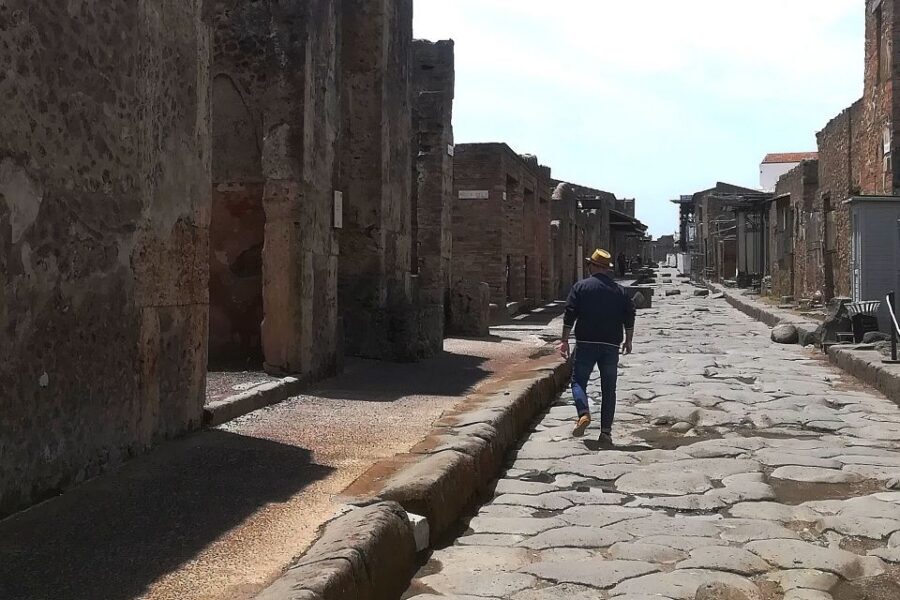
Once you’re in, the guide takes control. You’re not just wandering for two hours. You’re moving through Pompeii with a plan, and that plan is built around the kinds of places that help you understand the city as it was.
You can also read our reviews of more guided tours in Pompei Campania
The Cameo Workshop Stop: A Small Break That Makes the Ruins Hit Harder
Before the ruins, you’ll make a brief stop at a traditional cameo workshop. You’ll watch artisans carve delicate shells by hand. It’s short, but it gives you a useful mental bridge: Pompeii wasn’t a museum town. It was a working place full of craft, trade, and people making things for real buyers.
This stop also functions as a logistics reset. You can freshen up with a restroom break before your walking rhythm kicks in. If you’re hoping to do Pompeii with less stress, that timing is smart.
Worth noting: one review pointed out that the cameo demonstration felt unnecessary unless you needed the restroom. I can see that argument if you’re purely there for archaeology. But I still find it helpful because it grounds the trip in a craft tradition—small, hands-on, and human—right before you face something extremely tragic.
The Route Through Pompeii: How the 2 Hours Stay Focused
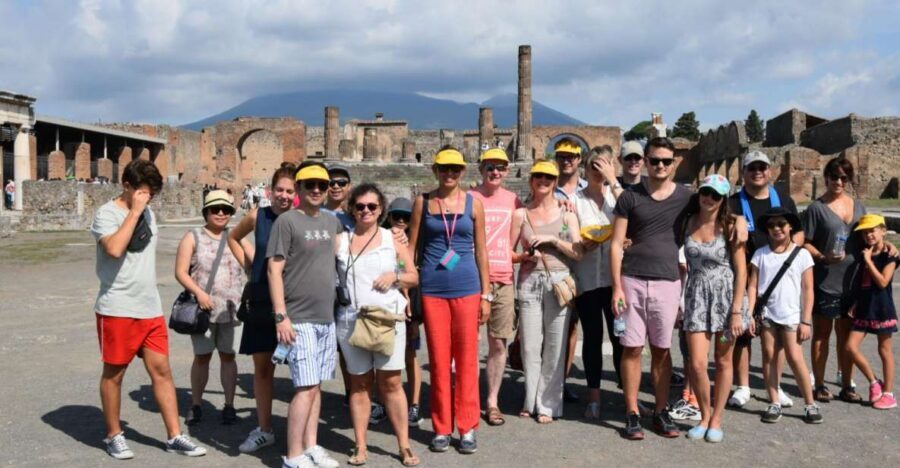
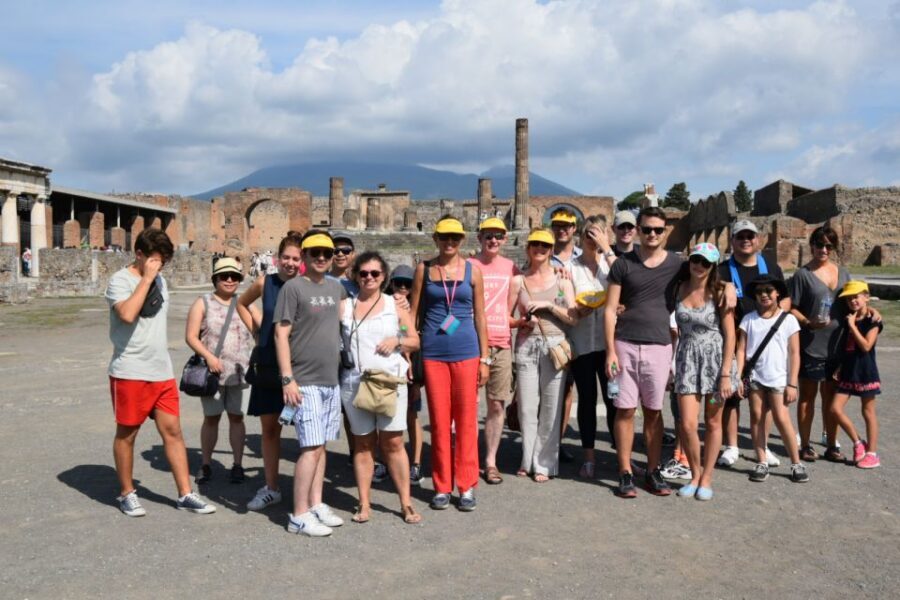
The guided portion lasts about 2 hours inside the ruins. That’s short by Pompeii standards, but it’s exactly why this tour works: you get a guided route that prioritizes recognizable zones and key buildings.
Also, the guide may adjust the itinerary based on crowd levels and site access. That doesn’t mean you’re getting a random stroll. It usually means you’re getting a smarter order so the group keeps moving and you still cover the major beats.
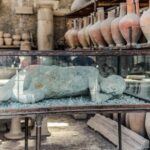
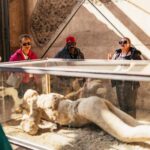
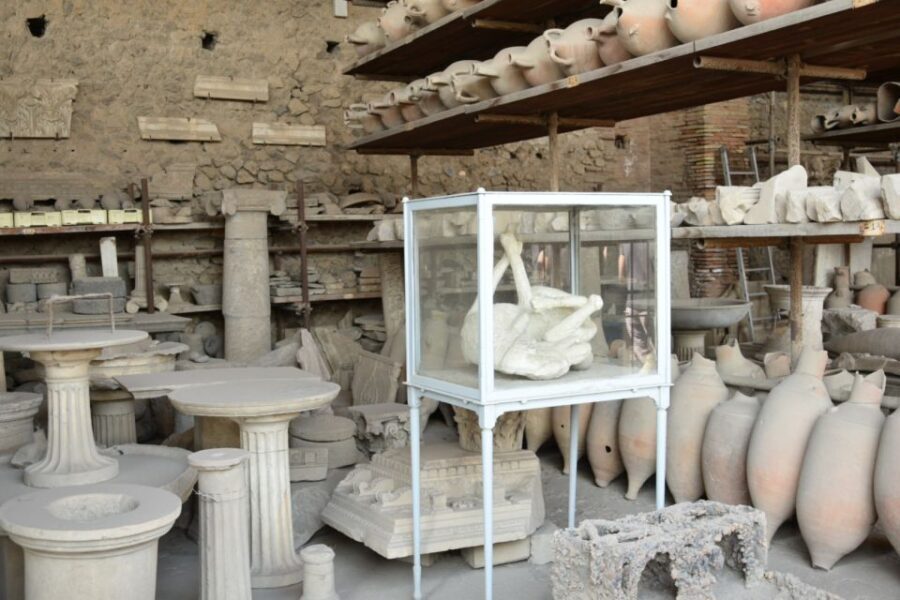
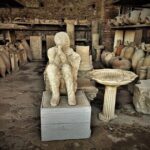
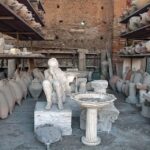
As you walk, the guide shares stories about daily life—how people ate, shopped, prayed, bathed, and lived among the noise of the city. And at some point along the way, you’ll encounter the moving plaster casts of victims from the 79 AD eruption of Mount Vesuvius. That moment lands because it’s not abstract. You see bodies preserved in their final poses, and the stories around them make the disaster feel personal.
Here’s how the tour’s main stops connect into a clear Pompeii picture.
Large Theatre and Teatro Piccolo: Pompeii’s Entertainment Spaces
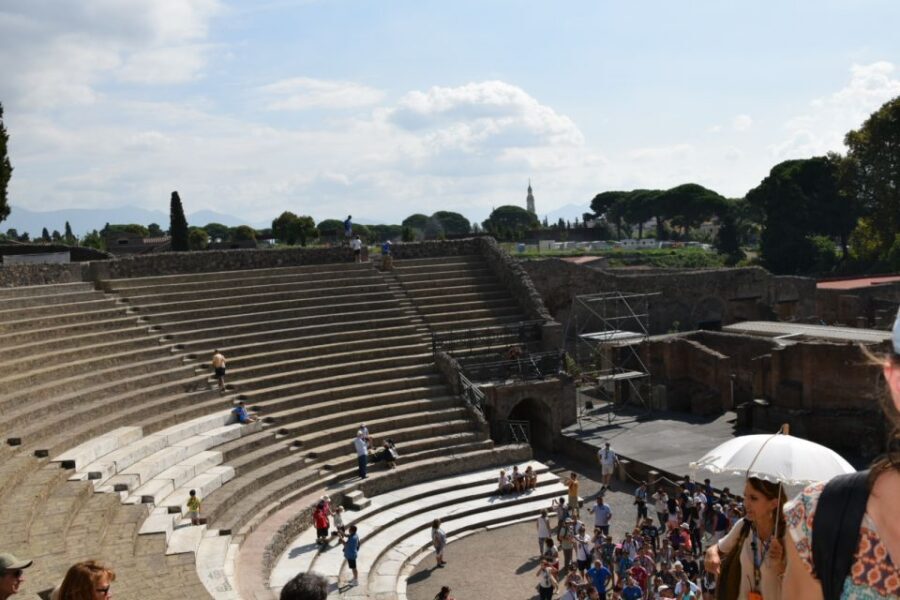
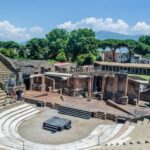
You start with a quick look at the Large Theatre. Expect about five minutes—enough time for orientation and a few helpful context points, not a full production. Then you get a photo stop at the Teatro Piccolo.
These stops are brief, but they matter because they show Pompeii wasn’t just houses and temples. People gathered for performance and public events. Even with the short time, the guide’s commentary is what turns these structures from “cool stone” into a snapshot of community life.
If you’re a theatre fan, you may want to linger on your own after the tour. This route moves briskly, by design.
Thermopolium: Where You’d Grab Food Fast
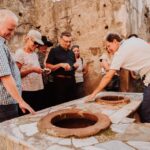
Next is a visit at a thermopolium—a type of fast-food counter that served hot meals and drinks. You get around five minutes here, so don’t expect a long lecture.
What I like about this stop is how quickly it reframes Pompeii. Yes, it’s famous for tragedy. But it was also a city where you could grab something to eat and keep moving. The guide’s daily-life stories help you spot details that you’d likely miss on your own.
You can also read our reviews of more tours and experiences in Pompei Campania



Foro Civile di Pompei: The Forum as the City’s Main Stage
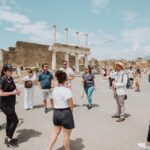
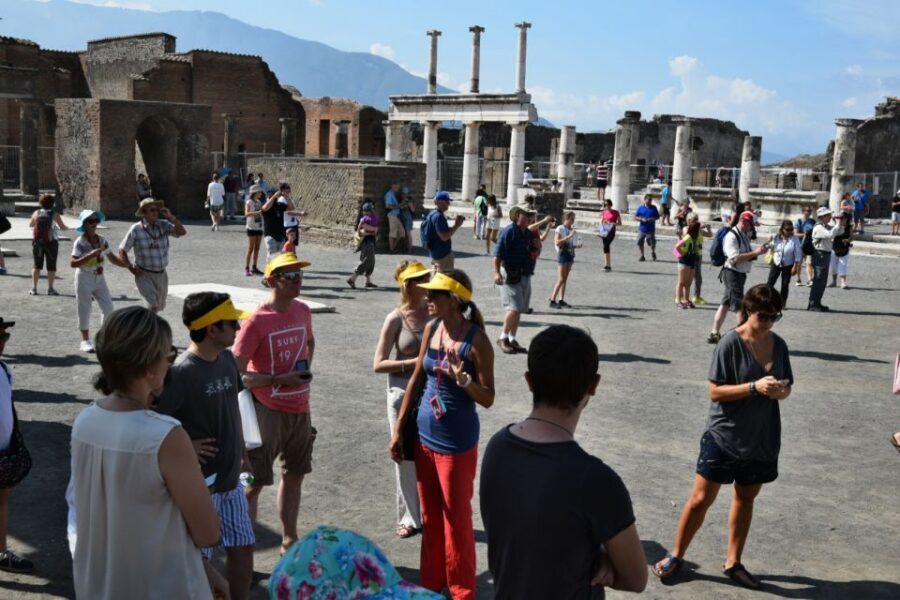
Then you step into the Foro Civile di Pompeii for about ten minutes. The Forum is where power, public business, and civic identity show up in stone. It’s also where it’s easy to feel overwhelmed if you’re just sight-reading.
With a guide, the Forum makes sense fast. You’re not just staring at columns; you’re learning how public space worked and why certain areas mattered. The short time works here because the goal is orientation and story, not deep study.
The Houses That Make Pompeii Feel Real
Two of the biggest “wow” anchors on this tour are private homes that reveal status, art, and everyday habits. The guide spends more time here—around twenty minutes each—because this is where Pompeii becomes human.
House of the Vettii: Status, Art, and Visual Messaging
The House of the Vettii gets about twenty minutes. This is one of those places where details reward your attention. You’ll see how wealth and identity showed up in decoration and layout, and the guide explains what you’re looking at in plain language.
The value of a guided stop here is not just facts. It’s the mental model. After hearing the guide’s interpretation, you start to read the house like a story: public-to-private flow, rooms that mattered more, and design choices that signal how owners wanted to be seen.
House of Menander: Domestic Life With Sharp Clues
Next is the House of Menander, also about twenty minutes. Again, you’re looking at domestic space, but the point is variety: Pompeii’s wealth didn’t look the same everywhere.
This stop pairs well with the Vettii house. You can start noticing patterns—how homes were organized, how space was used, and how art and function overlapped.
If you love architecture, this is the part to pay attention to. If you prefer pure spectacle, you’ll still get a lot from the story the guide connects to daily living.
Forum Baths and Macellum: How People Ate, Washed, and Bought Things
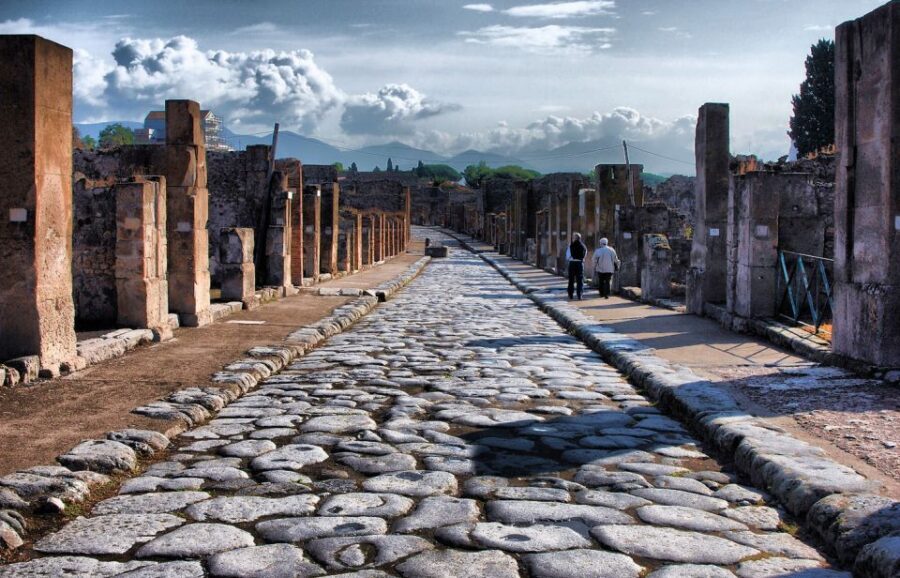
Pompeii is famous for temples and drama, but the bath and market scenes make the city feel alive. This is where you get to see how Roman life moved from private space to public routine.
Forum Baths: A Social Routine, Not Just Plumbing
The Forum Baths are a highlight with around twenty minutes. Baths were central to routine and social time. People met, talked, and worked their way through heat and water stages.
With a guide, you’ll understand the logic of the layout instead of feeling like you’re standing in a pile of rooms. The story helps you connect architecture to behavior, which is the key to getting more out of ruins.
Macellum of Pompeii: The Market City Within the City
Then comes the Macellum of Pompeii, about ten minutes. This is where food and commerce meet stone. The guide explains what markets looked like and how vendors and shoppers interacted.
Even in a short stop, the market concept gives you an anchor. When you later walk past shops and small business spaces, you can “hear” the day in your head: buying, selling, bargaining, moving on.
Preserved Brothels and Shops: The City’s Side Everyone Talks About
The tour also includes preserved areas tied to sexuality, plus shops and market streets. It’s not wall-to-wall, and it’s not graphic in the way people fear—but it’s real. Seeing those preserved spaces helps you understand Pompeii as a full city, not a sanitized postcard.
If you’re sensitive, you’ll appreciate that the guide frames these sites as part of daily life and social history, not shock value.
Temples and Photo Stops: Jupiter and Apollo
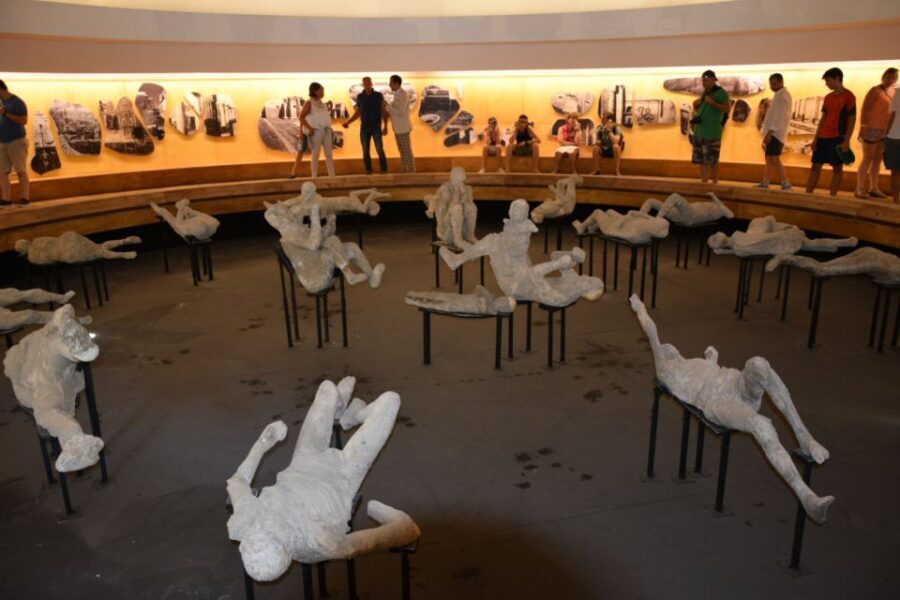
The final major religious anchor points are photo-focused, so you get quick snapshots with explanation.
Temple of Jupiter and Temple of Apollo
You’ll stop for a photo at the Temple of Jupiter (about five minutes), then visit the Temple of Apollo (around ten minutes). Temples help you understand civic religion and how public identity was tied to gods.
The guided approach is helpful here because Pompeii’s layout can feel confusing. With the guide’s cues, you learn what’s important visually and why certain locations mattered.
If you’re a “close-up details” person, you might want extra time after the tour. This route is designed to cover a lot, not to freeze in place for an hour.
Earpieces, Audio, and Group-Size Reality Checks
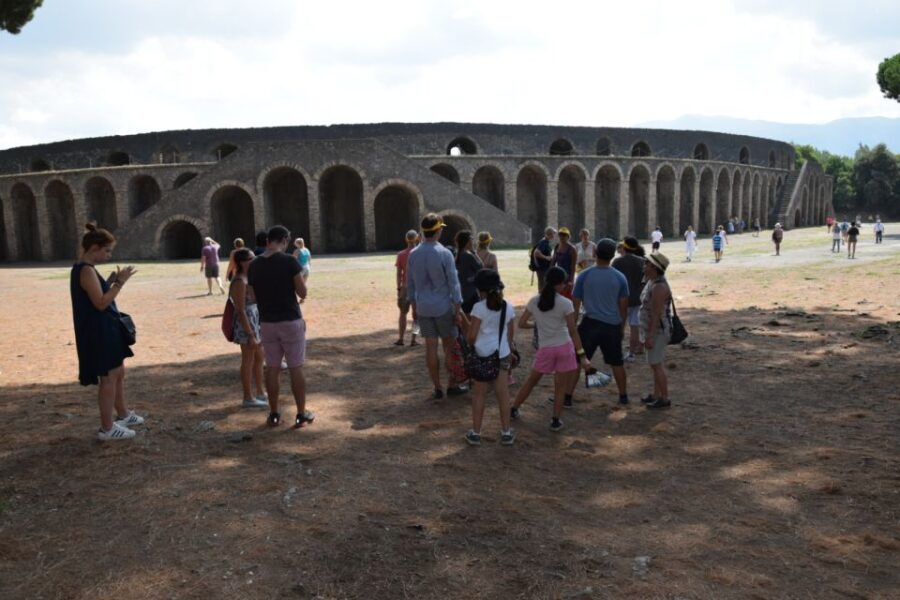
This is where you should calibrate expectations.
The tour is described as a live guided experience, and some participants report receiving earpieces to listen through. The downside is that the earpieces can be uncomfortable or don’t fit well, and in some cases people mention missing key information because they had to adjust the device constantly.
Here’s what you should do:
- Plan to stand close when the guide is talking.
- If the audio gear feels wrong, ask for help or switch it out on the spot.
- Don’t assume the group size you see on day-of booking will match your fantasy. One review mentioned a group larger than expected.
Also, meeting points can get chaotic if you arrive late. I’ve seen situations where guides dealt with late arrivals and even shuffled people to a different location when confusion hit. Your best defense is simple: arrive early, find the sign fast, and stay with your group.
Names I saw in guide write-ups included Michael and Analisa. If you get either, that’s a good sign, since they were praised for clarity and engagement.
Price Value for $31: What You’re Really Paying For
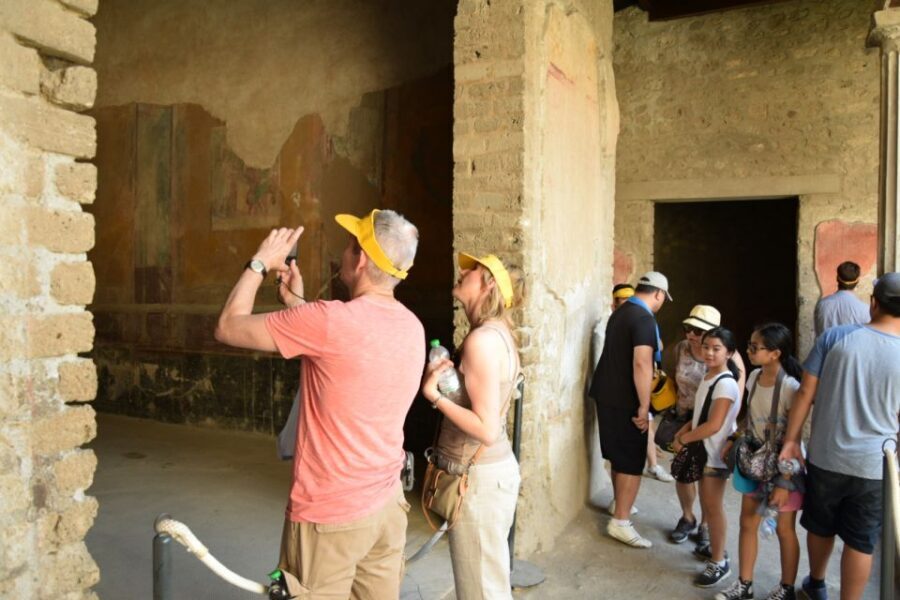
At about $31 per person for the tour, the value is less about the ruins themselves (Pompeii is Pompeii) and more about time saved and interpretation delivered.
You’re paying for:
- Skip-the-line entrance
- A licensed archaeology guide
- A focused route that hits major zones in about two hours
- The cameo workshop stop (including a shop visit)
One thing to check before you go: in at least one case, an attendee felt that the entry price wasn’t included, even though the tour description says you receive skip-the-line entrance. Since that kind of confusion can happen in the real world, your safest move is to confirm what’s covered at booking and what you might need to pay at the site.
Also, a note that can affect value: the archaeological site is free on the first Sunday of each month, but tickets can’t be reserved ahead of time, so entry isn’t guaranteed. If you’re targeting the first Sunday, you might save money, but you’re also accepting more uncertainty.
If you’re visiting in peak season or during busy hours, skip-the-line access tends to pay for itself quickly. It’s not just convenience. It’s energy. You’ll have more stamina for the walk and fewer hours spent in queues.
Who This Tour Fits Best
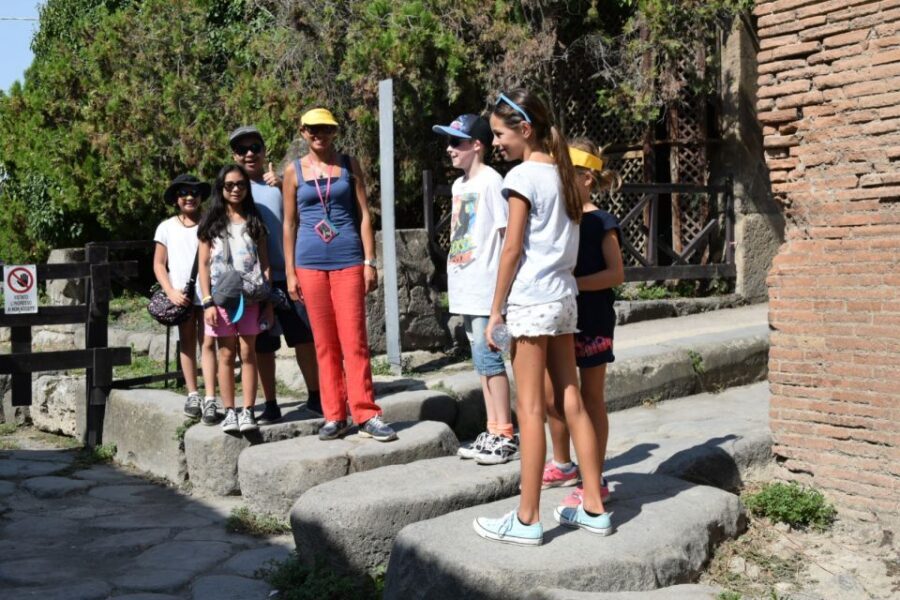
This tour is ideal if you want Pompeii to make sense. If you like history but don’t want to spend your vacation studying maps and translations, you’ll get a lot from an archaeologist-led walk through the Forum, bath areas, markets, and the big houses.
You’ll also like it if you enjoy a steady rhythm: a short list of stops, clear explanations, and plenty of time for photos where the guide builds in photo moments.
You might not love it if:
- you need lots of wheelchair-friendly paths (it’s not suitable for wheelchair users)
- you want a long, slow read of each room
- you dislike guided pacing (some people felt the guide moved quickly through areas)
And if you’re the type who can walk Pompeii on your own, you might pick a self-guided route after the tour. One review suggested the amphitheater area wasn’t covered, and it’s exactly the kind of place you’d enjoy extending on your own if you have time.
Should You Book This Pompeii Skip-the-Line Tour?
I’d book it if your top priority is getting value out of a short visit. Pompeii is big, and two hours with a strong guide is a smart way to see the highlights without wasting the day.
I’d be more cautious if you’re very audio-sensitive or hate device-based listening. If earpieces are included and fit poorly, you’ll feel it. Also, plan to arrive early for the meeting point, and keep your eye on the guide’s flag or sign so you don’t lose time.
If you want the best of both worlds, treat this like your foundation. Let the guide give you the city’s story. Then, after the tour ends, walk a little on your own in areas that call to you—especially if you’re curious about what sits off the main route.
FAQ
How long is the Pompeii guided tour inside the ruins?
The guided portion inside Pompeii lasts about 2 hours.
Where do I meet the guide?
Meet the guide outside the entrance of Fortuna Village Pompei. The guide holds a sign with the company name.
What is included in the tour price?
Included are the meeting point in Pompeii, Pompeii skip-the-line entrance, a licensed archaeologist guide, and the Cameo Factory and shop stop.
What languages are available?
The live tour guide is available in English, Italian, Spanish, and French.
Is this tour suitable for people with mobility impairments or wheelchair users?
No. This tour is not suitable for mobility impairments and wheelchair users.
Is site admission free on the first Sunday of the month?
Yes, admission to the archaeological site is free on the first Sunday of each month, but entry is not guaranteed because tickets can’t be reserved ahead of time.
What are the main restrictions for what I can bring?
Pets are not allowed, and you also can’t bring luggage or large bags, drones, walking sticks, or go with unaccompanied minors.