REVIEW · POMPEI CAMPANIA
Pompeii: 2 Hours Skip the Line Visit with a Licensed Guide
Book on GetYourGuide →Operated by HP TRAVEL · Bookable on GetYourGuide
Pompeii makes time feel weird. A licensed guide helps you read the streets, houses, and stone textures like clues, and the skip-the-line setup gets you into the site faster. You’ll follow the eruption story and see how daily life got frozen in place, not just a pile of ruins.
The main drawback to plan for: even though this is sold as a 2-hour visit, timing can slip or end early depending on how the day’s groups work, so you may not always get the full slot.
In This Review
- Key things you’ll enjoy on this Pompeii visit
- Why a skip-the-line Pompeii guide is a smart use of your time
- Meeting at Hotel Vittoria in Piazza Esedra: get there a little early
- Roman Forum and Terme Stabiane: the public life stops
- Thermopolium and Lupanare: everyday life, up close
- Roman house time: frescoes, domestic spaces, and workshops
- The eruption story: why Pompeii feels so specific
- Pacing, group size, and the value of headsets
- Price and ticket value: what $58 buys you (and what to double-check)
- Who this tour suits best
- Practical tips before you go
- Should you book this Pompeii skip-the-line guided visit?
- FAQ
- How long is the Pompeii tour?
- Where is the meeting point?
- Does the tour include skip-the-line entry?
- Are entry tickets included?
- Do I need an ID?
- What languages is the guide available in?
- Are headsets provided?
- What stops will we see during the visit?
- What should I do if my guide time seems shorter?
Key things you’ll enjoy on this Pompeii visit
- Skip-the-line access so you lose less time standing around
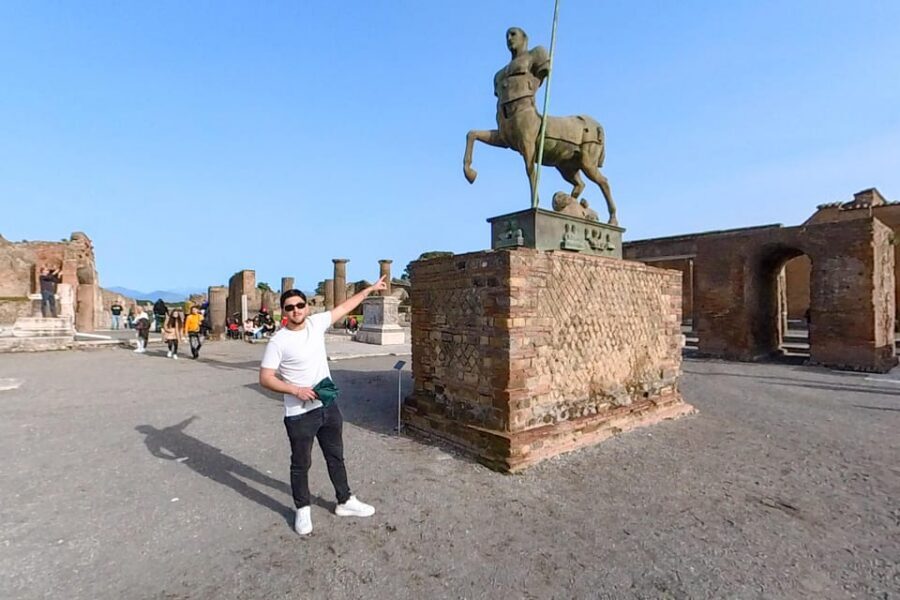
- Roman Forum + Stabian baths as anchor stops that explain daily public life
- Thermopolium and Lupanare for a close look at how people ate and socialized
- Roman house viewing to see domestic spaces, fresco storytelling, and workshop life
- Headsets included for clearer guide commentary at a crowded site
- Heads-up on pacing: some groups have reported shorter-than-advertised tours due to timing changes
Why a skip-the-line Pompeii guide is a smart use of your time
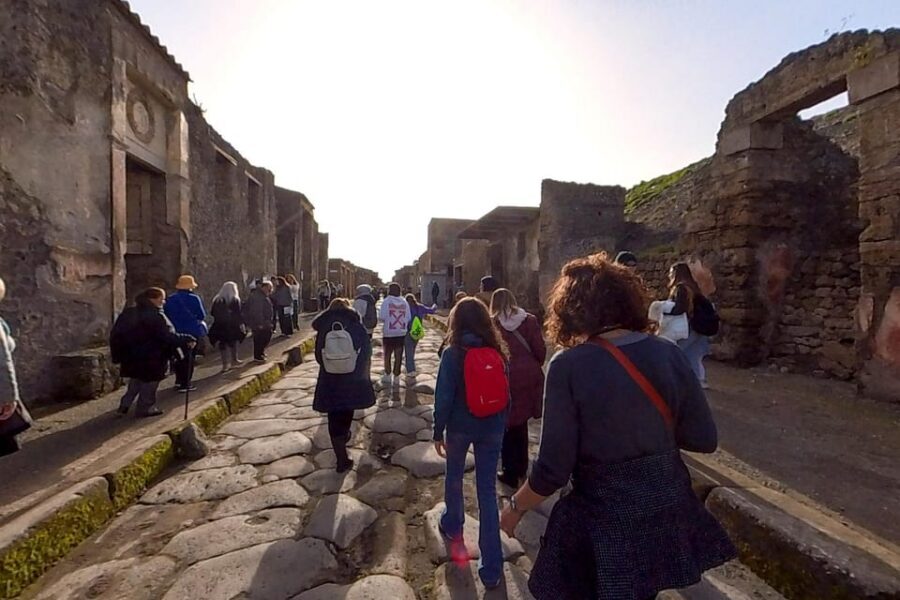
Pompeii is big. Really big. A 2-hour window means you need a plan that prioritizes the places that explain the whole city—public life, home life, and the work that kept it running.
That’s where a skip-the-line entry matters. If you’ve ever tried to enter Pompeii without help, you know it’s easy to waste your energy on queues and confusion. With this format, you’re pointed toward the site and guided right into the experience, with a guide who can connect what you’re seeing to what the people living here were doing.
I also like that the tour focuses on more than “stand here, look at that.” You get a story-driven walk through major areas: the Forum, bath complex, a Roman house, plus everyday sites like a thermopolium (fast-food counter) and the Lupanare (brothel). Those stops give you a fast but meaningful sense of how Pompeii functioned day to day.
You can also read our reviews of more guided tours in Pompei Campania
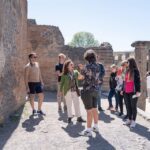
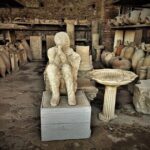
Meeting at Hotel Vittoria in Piazza Esedra: get there a little early
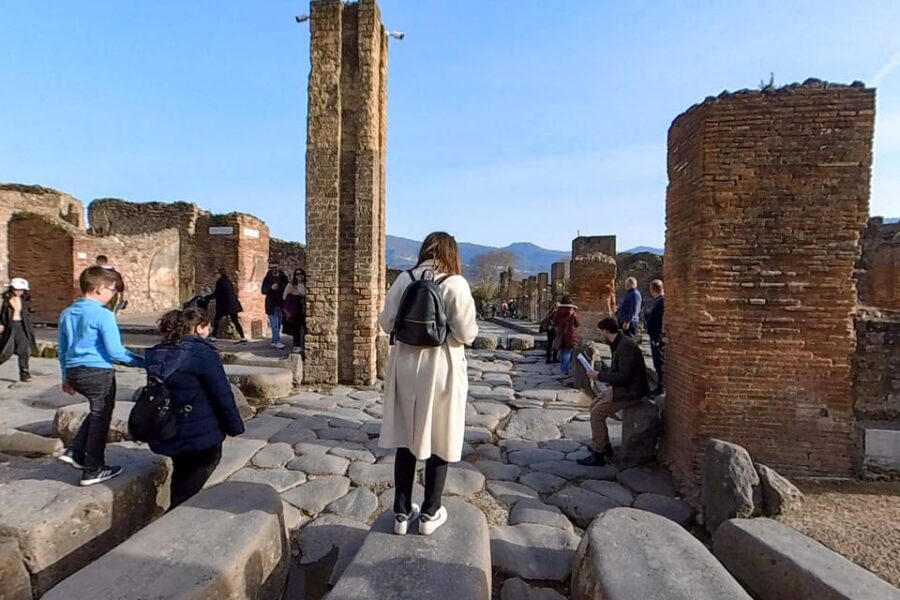
Your meeting point is at the ticket office near Hotel Vittoria in Piazza Esedra. That’s helpful because you’re not wandering around trying to match your confusion to someone else’s sign.
A practical tip: arrive a few minutes early and keep your confirmation handy. One guide was reported as helpful when finding the meeting spot, especially when signage from other companies was clearer. If you want the tour to feel smooth instead of stressful, a small buffer helps.
Once you meet the group, you’ll head into Pompeii with entry tickets handled through the operator. The tour setup also includes a helpdesk, which is useful if anything about your day gets messy.
Roman Forum and Terme Stabiane: the public life stops
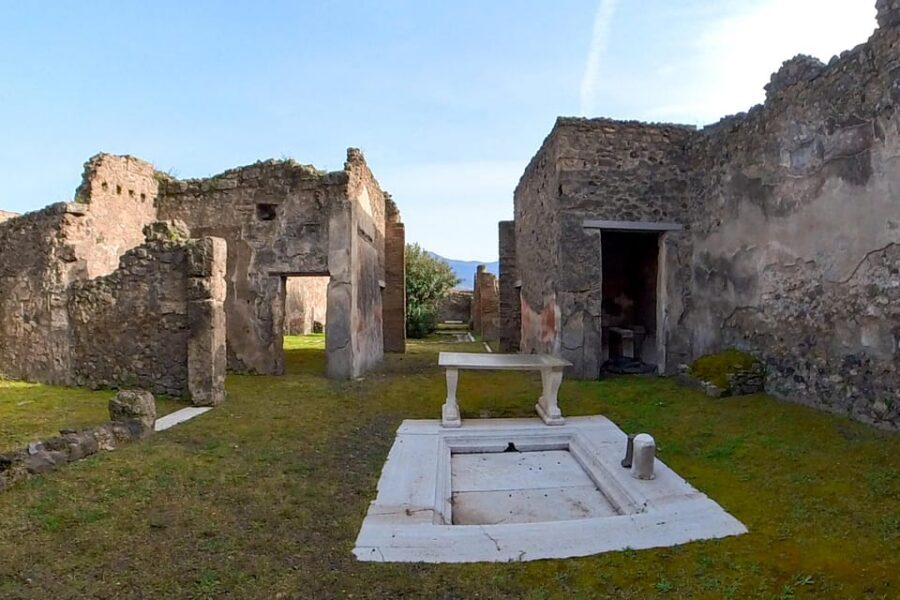
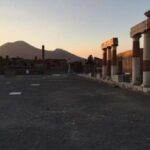
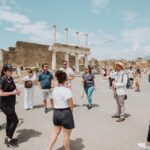
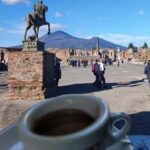
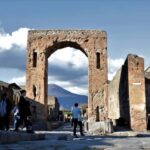
The Roman Forum is where power, commerce, and social status played out. Even if you’ve seen Roman forums in other places, Pompeii’s version feels more grounded because you’re looking at a city frozen at a specific moment. The guide’s job here is key: they help you map what you’re looking at to how people would have moved through these spaces.
Next come the Stabian baths (Terme Stabiane). Baths weren’t just for washing; they were a social hub where conversation and routine overlapped. In a short tour, this stop is valuable because it rounds out public life. You’re not only seeing buildings that look important—you’re learning how daily rhythms worked.
What to watch for: how the bath complex’s layout makes sense. If you can follow how people entered, moved, and used different areas, the whole place stops feeling random.
Thermopolium and Lupanare: everyday life, up close
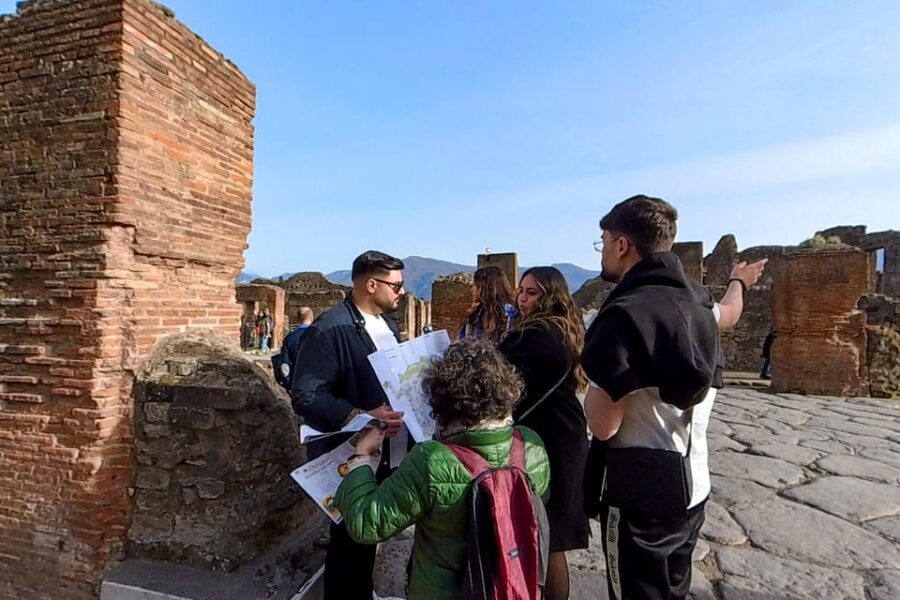
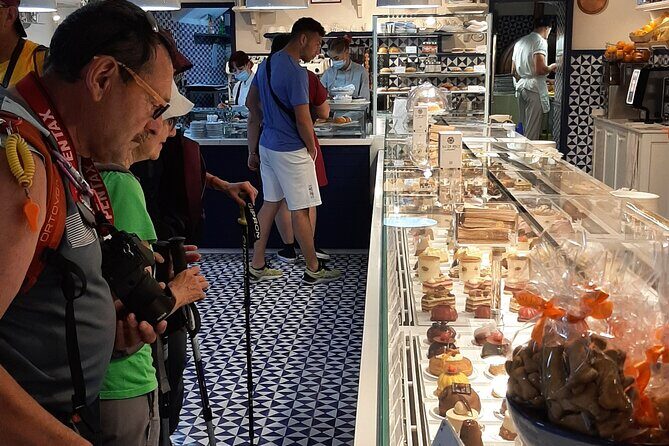
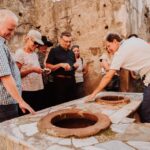
The tour includes the Thermopolium, an ancient fast-food spot. That name alone can make people curious, but the real value is context: you see evidence that Pompeiians grabbed quick meals without needing a full kitchen setup every time. A thermopolium is the “how did ordinary people eat?” answer that many ruin tours skip.
Then there’s the Lupanare, Pompeii’s brothel. This stop can feel uncomfortable at first, but it’s also one of the most direct windows into social life and the economy that supported it. The guide’s interpretation helps you see it as part of the city’s everyday structure—not just a headline site.
One reason these stops work on a 2-hour tour: they prevent the visit from becoming too abstract. You leave with a clearer sense of what people did between big events.
Roman house time: frescoes, domestic spaces, and workshops
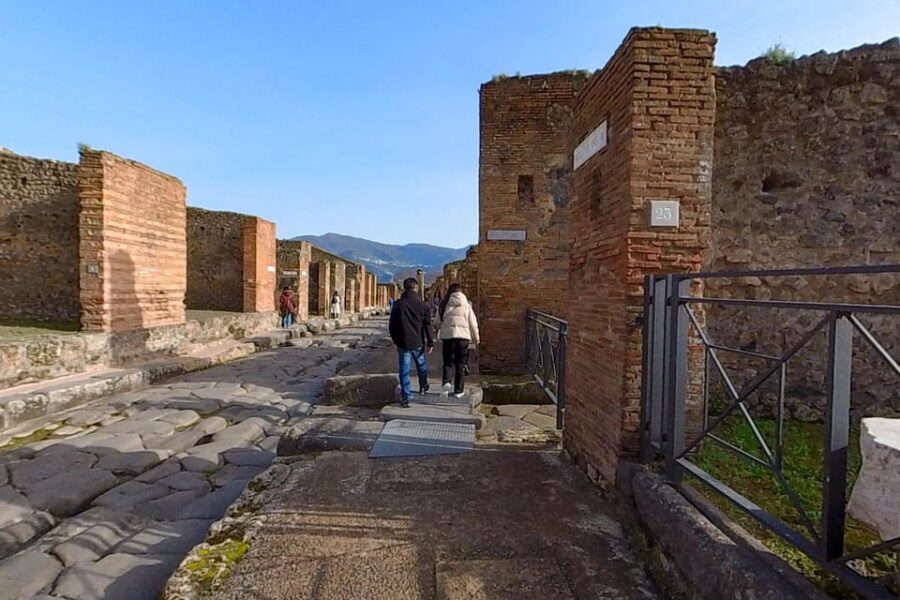
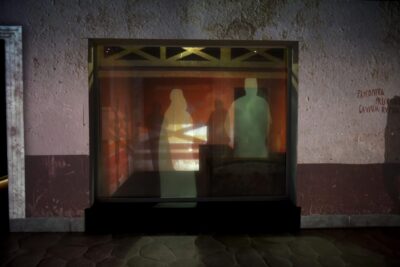
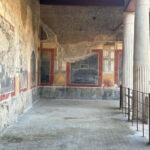
Another highlight is the chance to explore an ancient Roman house. Homes in Pompeii are more than pretty rooms; they’re a record of taste, labor, and family routines. You can often spot frescoes that depict stories tied to daily life, and you’ll get explanations that help you connect artwork to the household culture.
The tour also points toward how the city functioned through markets and artisan workshops. Even if you only see fragments, you’ll learn what those spaces were for and why they mattered. That’s the difference between seeing ruins and understanding a city.
A helpful mindset for Pompeii: treat each space like a question. What did people do here? Who would walk through it? What would you notice first if you lived next door? If you follow the guide’s prompts, the evidence starts to “click,” even in a short visit.
You can also read our reviews of more tours and experiences in Pompei Campania
The eruption story: why Pompeii feels so specific
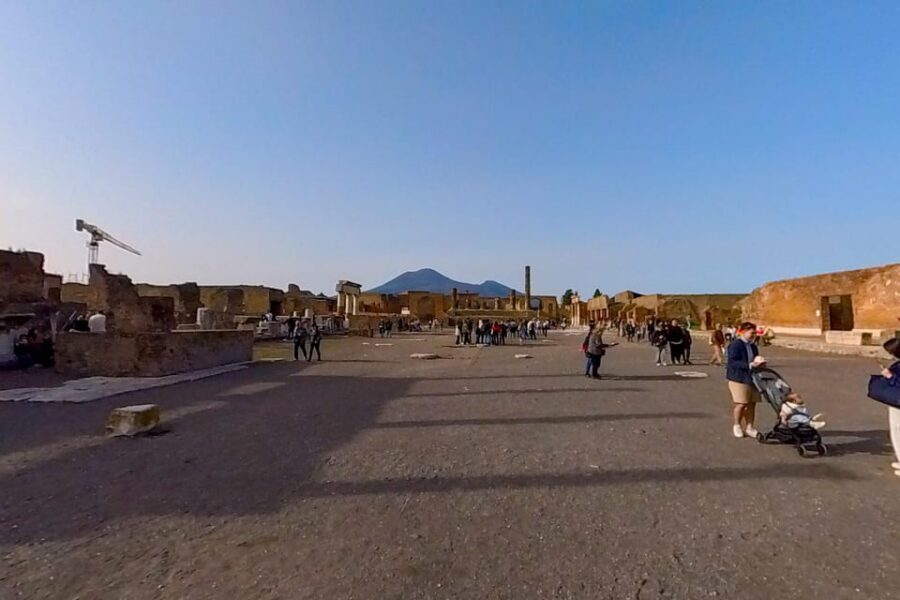
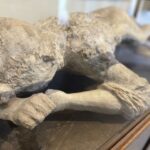
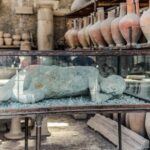
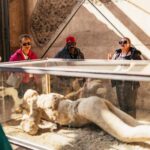
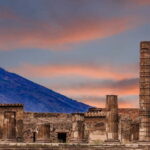
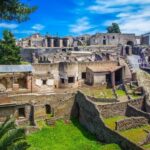
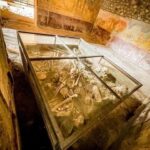
Pompeii is famous for its eruption—Vesuvius burying the city under ash and preserving details that would normally vanish. On this tour, the guide focuses on how Pompeii was frozen in time, so you understand why certain surfaces look the way they do and why some scenes feel unnervingly vivid.
This part matters because it changes how you look at everything else. If the eruption story stays abstract, ruins feel like scenery. If it’s explained in practical terms—how burial and preservation affected what survives—then the Forum and bath walls stop being “background” and become evidence.
If you’re the kind of traveler who likes to understand cause and effect, you’ll probably enjoy this section. You’ll likely come away thinking about Pompeii as a whole system, not random buildings lined up for photos.
Pacing, group size, and the value of headsets
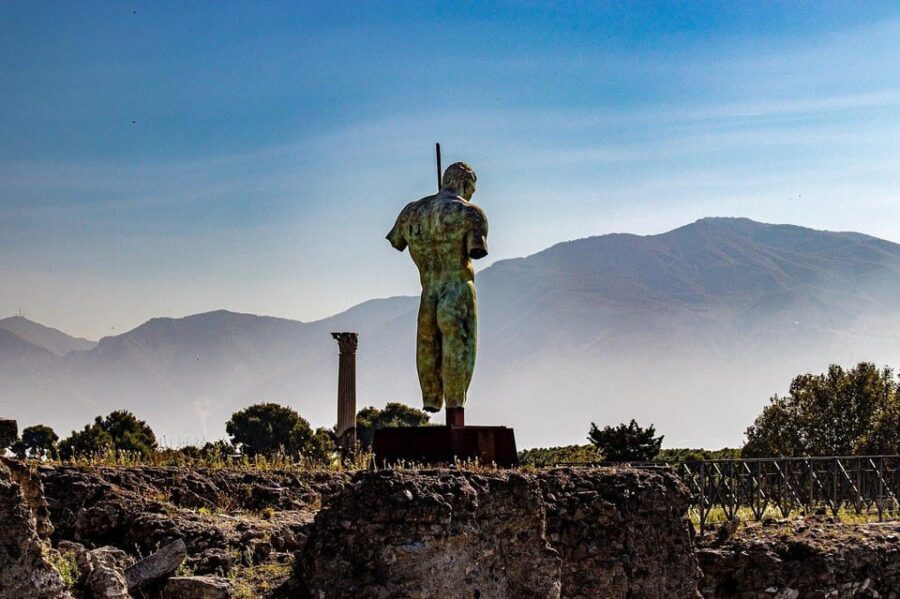
Headsets are included. That sounds small, but it makes a real difference at Pompeii, where the ground is uneven and crowds can scatter your attention. With clear audio, you don’t miss the guide’s explanations—especially at stops where the key details aren’t obvious from a distance.
Group size is another real-world factor. One experience reported the group being fairly large and recommended a smaller group if you can afford it. Large groups aren’t automatically bad, but they can affect how quickly you can ask questions or linger where you want.
There’s also a timing reality you should plan around. Some people reported tours running shorter than advertised due to how other groups were scheduled. You may still have time to wander after the guided portion, but if you only have one Pompeii slot in your day, keep a buffer and don’t treat the 2 hours as guaranteed down to the last minute.
Price and ticket value: what $58 buys you (and what to double-check)
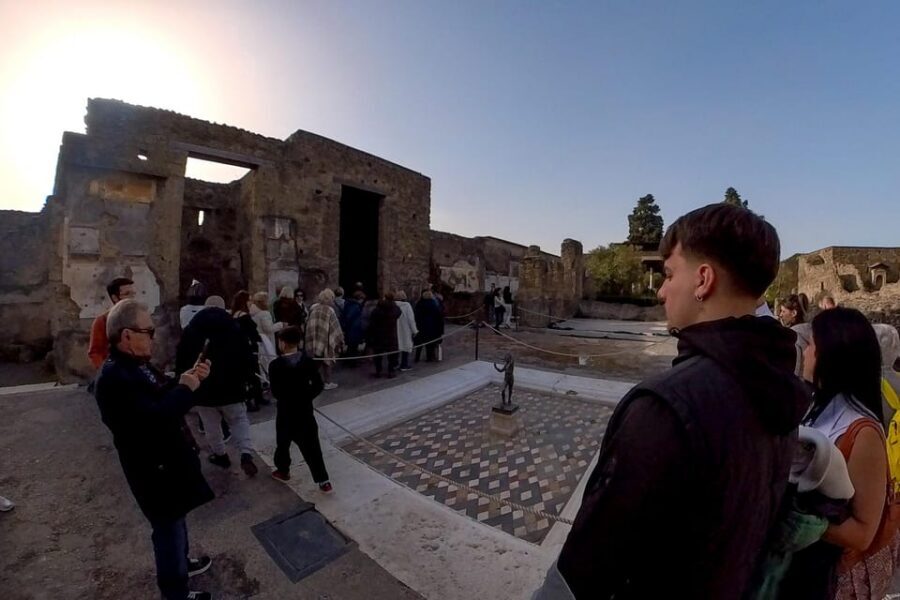
The price listed is $58 per person for a 2-hour visit with a licensed guide. Based on what’s included here, you’re not just buying commentary—you’re also paying for skip-the-line entry, licensed guidance, headsets, and entry tickets.
That last part is worth double-checking. In the real world, a few travelers have reported confusion about whether the entry ticket is fully included. Before you show up, confirm what your booking confirmation says about tickets. You’re looking for a clear statement that admission to Pompeii is covered by the package.
If you compare costs, treat your money as paying for time saved and context added. A self-guided visit can be cheaper, but you’ll likely need extra effort to understand the city’s layout, what you’re looking at, and why certain places matter. For many people, that guide-driven context is exactly why Pompeii becomes memorable instead of just “a lot of ruins.”
Who this tour suits best
This is a good fit if you want a structured overview in a short time. You’ll see key places tied to public life (Forum and baths) and everyday routines (house, thermopolium, Lupanare). It’s also a solid choice if you like to learn as you walk instead of reading quietly from plaques.
It may not be ideal if:
- You need maximum time on site (because a few people have experienced shorter-than-advertised guided time).
- You prefer a slow, minimal-headphones stroll through fewer areas.
- You want to build a totally custom route without a guide steering the agenda.
Language-wise, it’s offered in English and Spanish, which makes it practical for a mixed group.
Practical tips before you go
Pompeii is an outdoor site with lots of walking on uneven ground. Wear shoes that you trust. Bring an ID or passport—the tour information says you should have one for entry.
Also, don’t try to see everything. In 2 hours, the win is understanding themes: public spaces, private spaces, and the evidence of work and daily life. If you go in with those goals, you’ll feel like you got value even if your guided time ends earlier than planned.
Finally, think of the tour as a “fast map.” After your guided portion, you can choose where you want to spend extra time based on what the guide helped you notice first.
Should you book this Pompeii skip-the-line guided visit?
Book it if you want the best shot at a smart overview without wasting time in ticket lines. The combination of licensed guidance, headsets, and major Pompeii stops (Forum, Stabian baths, thermopolium, Lupanare, plus a Roman house) makes this a practical way to turn ruins into a story.
Don’t book it blindly if your schedule is tight. Because some people have reported shorter-than-expected guided time and starting delays, give yourself extra slack on the day, and confirm ticket inclusion before you arrive.
If you want a confident Pompeii experience that’s short, focused, and built around daily life, this tour is a strong option.
FAQ
How long is the Pompeii tour?
The tour is listed as lasting 2 hours, and starting times depend on availability.
Where is the meeting point?
Meet at the ticket office near Hotel Vittoria in Piazza Esedra.
Does the tour include skip-the-line entry?
Yes. The tour is advertised as a skip the ticket line visit.
Are entry tickets included?
Entry tickets to Pompeii are listed as included, though it’s smart to double-check what your confirmation says for your booking.
Do I need an ID?
Bring your passport or ID card.
What languages is the guide available in?
The live guide is offered in English and Spanish.
Are headsets provided?
Yes, headsets are included.
What stops will we see during the visit?
You’ll visit the Pompeii Archaeological Site and guided stops including the Roman Forum, Stabian baths (Terme Stabiane), Thermopolium, and Lupanare, plus time to see a Roman house and evidence of daily life.
What should I do if my guide time seems shorter?
The official duration is 2 hours, but some people have experienced tours ending earlier due to group timing. If that happens, you can usually spend extra time on your own, but your exact plan may depend on how the group schedule works that day.