REVIEW · POMPEI CAMPANIA
Pompeii Skip-The-Ticket-Line Tour with an Archeologist
Book on GetYourGuide →Operated by Around Amalfi Coast · Bookable on GetYourGuide
Pompeii makes more sense with a guide. This Skip-The-Ticket-Line Pompeii tour with an archaeologist turns famous ruins into real places, with clear explanations of how the city lived, worked, and then got buried in 79 AD. I especially like how the guides (I’ve seen names like Lello, Sonja, Maria, Italo, and Victoria) keep things moving without wasting time in queues.
The tour’s biggest wins are the close-up look at preserved frescoes, artwork, and mosaics, and the way you’re guided through the winding streets so you’re not just wandering. One possible drawback: entrance tickets are not included, so you’ll need to budget for those on top of the $44 tour price.
In This Review
- Key highlights you’ll care about
- Skip the ticket line, then get your bearings fast
- Walking Pompeii like a story, not a checklist
- Frescoes, mosaics, and the close-up art lesson
- The 79 AD eruption explained in a way that clicks
- Winding streets plus a real route plan
- Mt. Vesuvius views that make the setting obvious
- What you’ll do at the end of the tour
- Who this tour is best for (and who should skip it)
- Price and value: what $44 really buys you
- Tips to make the day easier (and more comfortable)
- Should you book this Pompeii skip-the-line archaeologist tour?
- FAQ
- How long is the Pompeii tour?
- What is included in the price?
- Are entrance tickets included?
- What languages are available?
- What should I bring?
- Does the tour run in bad weather?
- Is this tour suitable for everyone?
- Can I cancel for a refund?
Key highlights you’ll care about
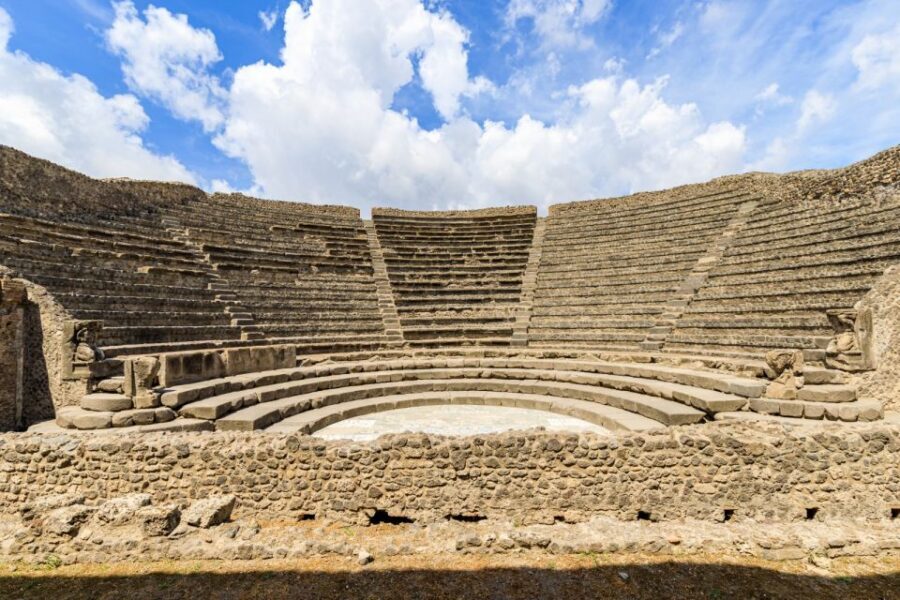
- Skip the ticket line so you spend more time in Pompeii and less time waiting
- Archaeologist-led storytelling that explains daily life, not just dates and stone facts
- Art you can actually see up close like frescoes, mosaics, and preserved wall decoration
- Efficient route through the site to reduce crowd friction
- Mt. Vesuvius perspectives that help you understand the setting behind the tragedy
- Guide wrap-up recommendations so you know what to do after the 2 hours
Skip the ticket line, then get your bearings fast

The most practical part of this tour is simple: you skip the ticket line. In a place like Pompeii, that time savings can mean fewer tired legs and a smoother start, especially if you’re arriving during busier hours. You’ll still need the regular entrance setup for the site, but your tour begins with the momentum you want.
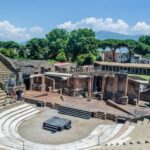
Right away, the guide helps you orient to what you’re looking at. Instead of treating Pompeii like a museum of random corners, you’ll get the bigger picture first—how an ancient city was laid out, how people moved through it, and why certain buildings matter. That context makes the whole walk feel smarter and less like you’re collecting postcard views.
You can also read our reviews of more tours and experiences in Pompei Campania


Walking Pompeii like a story, not a checklist

Pompeii is famous, which also means it can feel overwhelming. What I like about an archaeologist-style approach is that the guide connects the dots between locations and everyday life. You’ll walk the ruins with explanations about how residents lived before the eruption, then you’ll shift into the events of 79 AD and what the burial changed.
Guides such as Lello and Italo are described as able to keep the pace high without turning the visit into a lecture. Sonja is praised for moving efficiently through key areas without being constantly interrupted by crowds, and Maria is noted for being prepared and responsive to questions. In practical terms, that means you’re more likely to leave with answers that actually fit what you saw—not just general facts.
You’ll also learn how to read small clues. Pompeii rewards careful looking: signs of work, household routines, and the small details that tell you how people spent their days. If you’ve ever toured a site and wondered what you were missing, this is designed to fix that.
Frescoes, mosaics, and the close-up art lesson
One of the best uses of a guide’s time is getting you to the visual details that most people glide past. This tour focuses on preserved frescoes, artwork, and mosaics, so you’re not just looking at walls—you’re learning how the art fits into daily rooms and social life.
Seeing artwork up close changes how you understand the city. A fresco isn’t only a decoration; it’s part of what the homeowner saw every day. Mosaics can signal taste and wealth, but they also tell you about the spaces people moved through. That’s why “skip the line” matters here: once you’re inside, you want your eyes switched on for what’s preserved and what has meaning.
Some guides also bring in fun, specific examples. One review highlights an anecdote about the thermopolium, often described like an ancient fast-food spot. That kind of detail works because it gives you a concrete image of daily habits, not just abstract wording.
The 79 AD eruption explained in a way that clicks
The eruption is the reason Pompeii survives at all—and it’s also the reason visitors often feel stuck in tragedy without understanding the mechanics. This tour helps you connect the story of Mt. Vesuvius to what you’re actually seeing in the ruins.
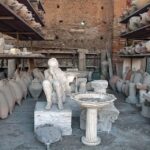
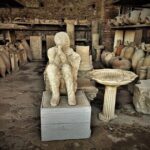
You’ll learn about how the eruption buried Pompeii in 79 AD and how that burial preserved the site in such a dramatic way. The guide also walks you through the tragic fate of the city, but with a practical angle: what the eruption means for the evidence you see today, and why certain features are still visible when they would have been lost elsewhere.
What makes this part valuable is pacing. You don’t just hear the big story once. You’re walking through Pompeii’s spaces, then the guide ties the eruption into the setting—so the disaster doesn’t feel like a separate documentary segment. It feels like the logical end of what you’ve been learning minute by minute.
Winding streets plus a real route plan
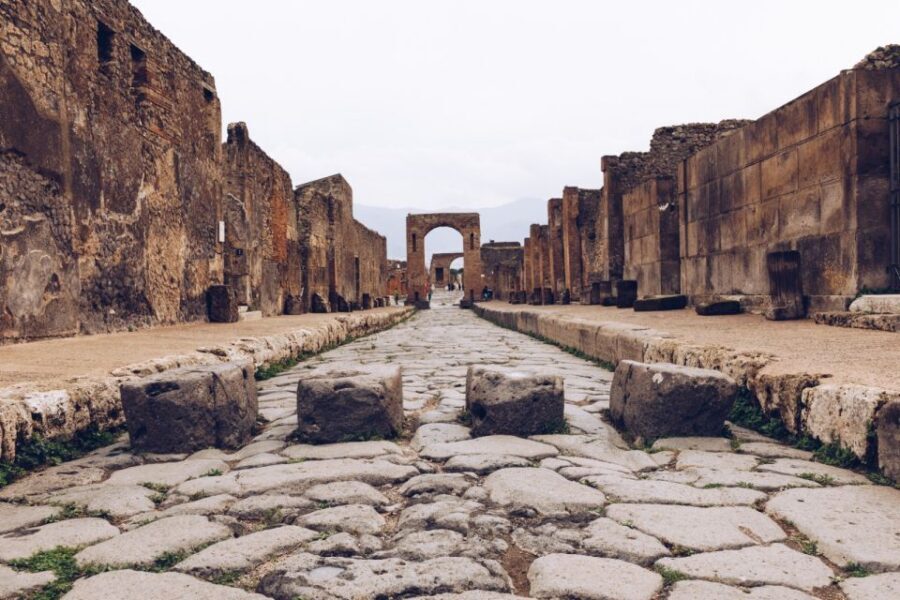
Pompeii’s layout can be confusing if you arrive cold. The guide helps you navigate the winding streets so you reach the major points efficiently, instead of spiraling into dead ends or spending time backtracking.
This is where the “crowd avoidance” promise becomes more than marketing. You’ll be guided through the site in a way that’s designed to reduce time loss and keep the group together. Reviews mention the tour being efficient and not constantly disrupted by crowds, which is exactly what you want when you have only 2 hours.
Think of it like this: Pompeii is big, but your schedule isn’t unlimited. A structured route turns your limited time into meaningful viewing. You get the big emotional payoff—the burial story—and the practical payoff—art and daily life details—without wasting your energy.




Mt. Vesuvius views that make the setting obvious
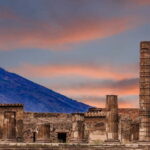
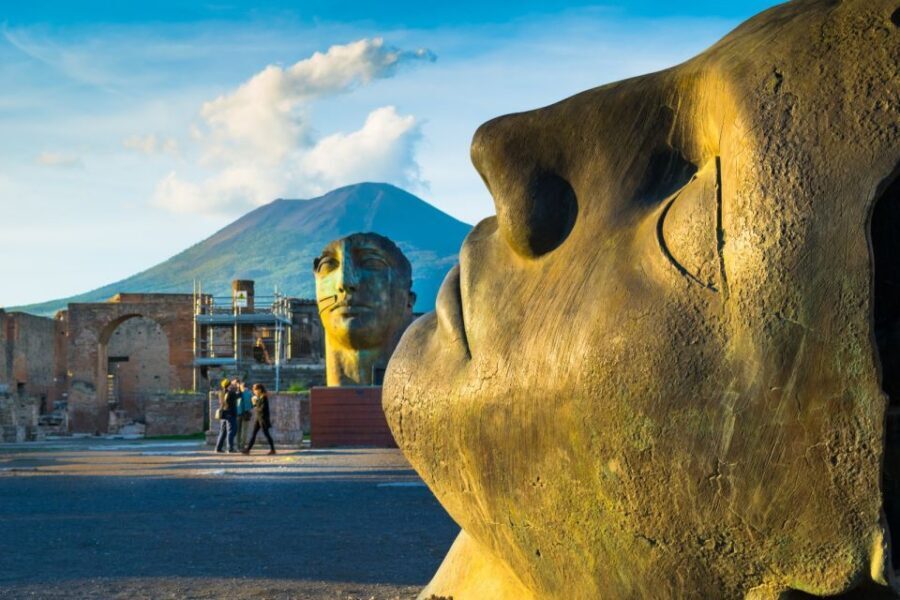
The tour includes breathtaking views of Mt. Vesuvius, and that matters more than you might think. Once you see Vesuvius in context, the eruption story becomes physical. You’re not just hearing about a mountain; you’re seeing the geographic reality behind the tragedy.
Views also help you switch from indoor-thinking to outdoor-thinking. Pompeii wasn’t a sealed-off fantasy city; it existed in a living landscape shaped by a volcano. Even if you’re not a geology person, the sight of Vesuvius helps your brain place the events in space.
What you’ll do at the end of the tour
When the 2 hours wrap up, you’re not left on your own with a “good luck out there” vibe. The guide gives recommendations on how to spend the rest of your day. That’s an underrated part of value.
In practical terms, you’ll get help deciding what to prioritize next based on what you just learned—so you can keep building understanding instead of wandering again. If you’re the type who wants your time to feel connected, this part pays off.
Who this tour is best for (and who should skip it)
This Pompeii Skip-The-Ticket-Line tour is a strong fit if you want meaning, not just motion. It’s especially good for first-timers who don’t want to stare at stones and hope the site explains itself. Guides are also praised for adapting to different ages, including families with very young children.
That said, it’s not suitable for pregnant women and people with mobility impairments. Also note the tour runs rain or shine, so you’ll want footwear you trust on damp ground.
If you prefer fully self-guided wandering with no structure, the 2-hour format may feel a bit paced. But if you want to leave with context and clear mental pictures, a guided archaeologist walk is a smart move.
Price and value: what $44 really buys you
The tour price is $44 per person for a 2-hour guided experience with an archaeologist-type guide. For that cost, you’re getting the guide service plus skip-the-ticket-line convenience—two things that directly affect how much you see and how comfortably you experience Pompeii.
Keep in mind what’s not included: entrance tickets are not part of the $44. So your total spend will be tour price plus site entry. That matters for budgeting, but it also keeps the tour itself straightforward: you’re paying for time-saving and interpretation, not a bundled ticket price.
You’re also paying for time. In Pompeii, an hour can disappear fast if you’re figuring out what you’re looking at. This tour’s value is that it helps you see more by helping you understand more.
Tips to make the day easier (and more comfortable)
Bring comfortable shoes. Pompeii involves lots of walking on uneven surfaces, and you’ll want solid footing for the full route. Also plan for weather: the tour takes place rain or shine, so assume you’ll need rain-ready gear if the forecast looks shaky.
There’s also a luggage rule: no luggage or large bags are allowed. If you’re carrying a big daypack, that’s fine in many travel contexts, but keep it light and compact so you don’t risk problems at entry or during the walk.
Finally, plan your expectations for the 2-hour window. This is not a slow, all-day museum crawl. It’s a focused route built to maximize learning and viewing while you’re inside.
Should you book this Pompeii skip-the-line archaeologist tour?
Yes, I’d book it if you want Pompeii to feel understandable and personal. The strongest reason is the combo of skip-the-line time savings plus an archaeologist-led explanation that connects daily life, preserved art, and the 79 AD burial story. You’ll look at frescoes and mosaics with a purpose, not just as pretty ruins.
I’d think twice if you’re trying to do Pompeii at your own pace with lots of stopping and wandering, or if you have accessibility concerns, since the tour is not suitable for mobility impairments and not for pregnant women. And if entrance tickets are a big unknown in your budget, add them to your planning so there are no surprises.
If you’re deciding between “see Pompeii” and “understand Pompeii,” this is the direction that usually pays off. You come for the famous ruins, and you leave with a clearer picture of how the city functioned—right up to the eruption that changed everything.
FAQ
How long is the Pompeii tour?
The tour lasts 2 hours.
What is included in the price?
The tour includes a guide.
Are entrance tickets included?
No. Entrance tickets are not included.
What languages are available?
The live tour guide is available in English and Italian.
What should I bring?
Bring comfortable shoes.
Does the tour run in bad weather?
Yes. The tour takes place rain or shine.
Is this tour suitable for everyone?
It is not suitable for pregnant women or people with mobility impairments.
Can I cancel for a refund?
Yes. There is free cancellation up to 24 hours in advance for a full refund.