REVIEW · NAPLES
Naples historic center private tour with pizza lunch
Book on Viator →Operated by Nino Pezzullo · Bookable on Viator
A smart way to read Naples. This private walk in the historic center strings together the city’s big rulers and everyday street life, with pizza lunch as the payoff at the end. You’ll start near Piazza del Gesù Nuovo and move through spots like Castel Nuovo (Maschio Angioino), the Royal Palace area, Santa Lucia, Quartieri Spagnoli, and the Centro Storico UNESCO streets.
I like two things most: first, the way guide Nino Pezzullo ties each stop to what changed in Naples over centuries, so the city stops feeling random. Second, the lunch at Gino e Totò Sorbillo is not a sad “tourist slice” stop; it’s the famous Neapolitan pizza moment that people plan their day around. One watch-out: you’re walking for about 3 hours 30 minutes, mostly outdoors, so bring comfortable shoes and take weather seriously.
In This Review
- Key highlights you should care about
- The real value: a guide who makes monuments make sense
- Castel Nuovo (Maschio Angioino): power in stone
- Palazzo Reale and Piazza del Plebiscito views: Naples facing the sea
- Santa Lucia: a quieter Naples moment by Monte Echia
- Quartieri Spagnoli: street neighborhoods with a long afterstory
- Centro Storico: UNESCO streets and the Neapolis origin story
- Gino e Totò Sorbillo lunch: the pizza payoff
- Timing, walking pace, and what a 3.5-hour day really means
- Price and value: what you’re paying for
- Who should book this tour
- Should you book Naples historic center private tour with pizza lunch?
- FAQ
- What is the duration of the Naples historic center private tour with pizza lunch?
- Where does the tour start and end?
- Is the tour offered in English?
- Is this a private tour?
- What’s included in the pizza lunch?
- Are admission tickets included for the sights?
- Is private transportation included?
- What type of ticket do you get?
- Are service animals allowed?
- What happens if weather is poor?
Key highlights you should care about

- Private tour format: just you and your local guide, no mixing with strangers.
- Nino Pezzullo’s story-first approach: monuments make sense when you know who ruled and why.
- Historic center on foot: narrow lanes, old churches, and the UNESCO streets where Neapolis began.
- Santa Lucia and the Monte Echia viewpoint feel: a calmer, time-shifted Naples moment.
- Gino e Totò Sorbillo pizza lunch: included lunch with a drink, and it helps you avoid the worst of the line.
The real value: a guide who makes monuments make sense
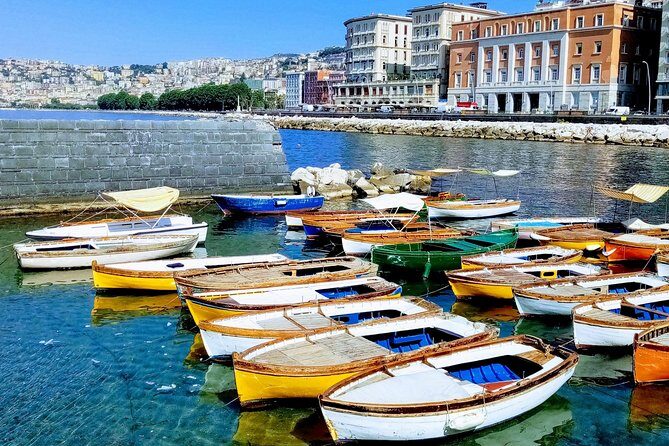
Naples can feel like a lot at once: huge history, messy traffic vibes, loud neighborhoods, and street scenes that never look staged. The trick is having someone explain the “why” behind what you’re seeing. That’s where this private format pays off.
Nino Pezzullo doesn’t just point. He connects. At each stop, you get a quick mental picture of what power looked like, what changed, and how the city’s geography shaped daily life. That turns Castel Nuovo from an old building into a symbol of who controlled Naples in the medieval and Renaissance eras.
Also, you’re not doing this as a museum marathon. The pace is built for walking and learning. The stops are short enough that you don’t feel dragged, but long enough to get real context. It helps you leave with a map in your head, not just photos on your phone.
The final touch is practical: the tour ends with lunch at Gino e Totò Sorbillo, so you’re not forced to scramble for dinner plans afterward. If you’re the kind of traveler who likes one well-timed anchor in a busy day, this is a strong setup.
You can also read our reviews of more private tours in Naples



Castel Nuovo (Maschio Angioino): power in stone
Castel Nuovo is one of those Naples landmarks you can’t really miss once you’re near it. It’s known as Maschio Angioino, and it helps explain the city’s long swing between outside influence and local identity.
You’ll learn that King Charles of Anjou commissioned the castle in 1266. That detail matters because it frames Castel Nuovo as more than scenery. It’s a statement—an architectural “answer” to control and legitimacy. When you stand there, it’s easier to imagine how Naples looked when kings and empires weren’t far away.
What I’d watch for as you walk around: notice how the castle sits as a focal point in the city’s story. You’re not just seeing a medieval structure; you’re seeing a political landmark that’s been reinterpreted across time. If you love history but hate slow museum tours, this is a good compromise—meaningful context without turning your day into lectures.
Palazzo Reale and Piazza del Plebiscito views: Naples facing the sea
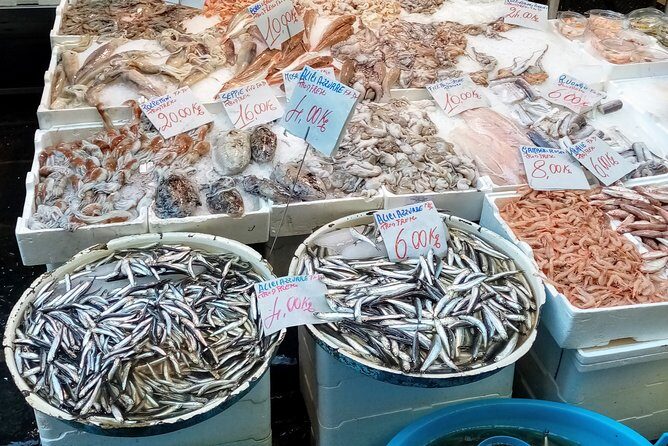
Next comes the Royal Palace area, with big emphasis on setting. The Royal Palace represented the center of power in Naples and throughout southern Italy for over three centuries. That’s not a minor fact. It explains why this part of town feels like a grand gateway rather than a normal neighborhood street.
The palace overlooks Piazza del Plebiscito and the Gulf. Even if you don’t spend long inside (and you’re not doing a deep interior visit here), the view angle alone helps you understand the city’s geography: Naples isn’t tucked away. It faces outward.
Practical note: the Royal Palace zone is an easy place to get your bearings. If you’re already planning to return later for more photos, you’ll appreciate seeing the layout now while someone is guiding you through what each viewpoint meant.
Santa Lucia: a quieter Naples moment by Monte Echia
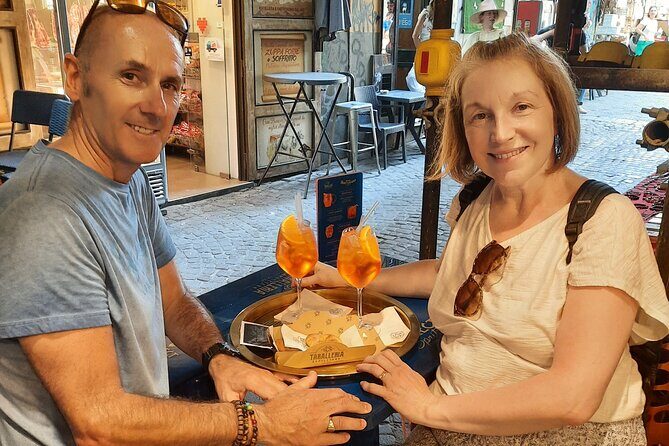
Santa Lucia is the stop where Naples changes mood. This village is described as almost frozen in time, and in practice that comes through in the feel of the streets—council houses and Art Nouveau buildings, narrow alleys, and panoramic views over the Gulf.
You’ll also connect Santa Lucia to a longer timeline: it’s tied to the story of the first Greek settlers, arriving about 2,800 years ago. That’s a big time jump, but it’s made simpler when you’re walking the area instead of reading a plaque.
The Monte Echia reference helps too. When you hear about the setting at the foot of Monte Echia, the viewpoint idea makes sense: Naples here isn’t only about buildings; it’s about where people settled to live, trade, and look outward.
One small consideration: if you’re expecting a “storybook postcard village,” you might find it more lived-in than tidy. That’s not a flaw—it’s the point. But if you want everything to look perfectly museum-like, plan your photo expectations accordingly.
Quartieri Spagnoli: street neighborhoods with a long afterstory
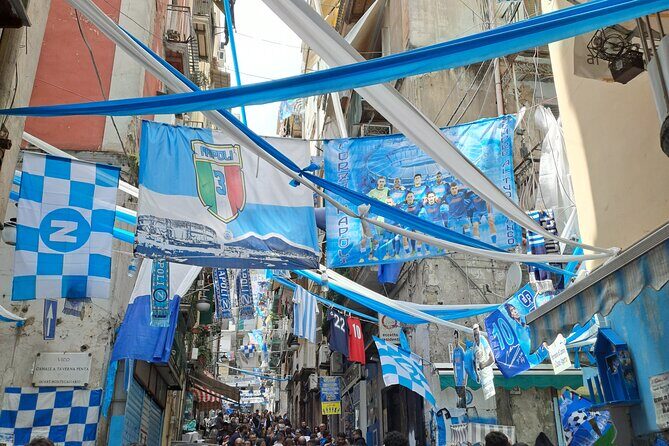
Quartieri Spagnoli is where Naples gets more personality. It’s one of the city’s “souls,” and you’ll hear how the area began by housing Spanish soldiers. Over time, it turned into a destination for tourists drawn by local markets and the mix of scents and colors you only really feel in a city like Naples.
This stop is short, but it’s chosen well. A quick walk here can do more for your understanding than spending hours in a single location. Why? Because neighborhoods show culture in motion. You see what people do, what sells, and how the city’s texture feels.
What you can do to get more from it: keep your senses open. Markets and street life can be overwhelming if you rush. Slow down at least once—stand still for a moment—so you absorb how the streets flow. Then the historical context clicks into place: this isn’t just “cool street photography.” It’s a place with layers.
You can also read our reviews of more historical tours in Naples





Centro Storico: UNESCO streets and the Neapolis origin story
The Centro Storico stop is the big anchor. This historic center is the largest in Europe and is UNESCO heritage since 1995. You’re also told it’s the most touristic, authentic, and historically layered area of Naples—so yes, it can be busy, but it’s also where the city’s identity concentrates.
You’ll also get the “beginning” framing: the Greeks arrived and founded Neapolis around 2,500 years ago. That idea turns the walking into something more than sightseeing. You’re moving through streets built on top of older ones, with churches, ancient shops, museums, and even archaeological sites in the mix.
The practical value here is orientation. By the time you reach Centro Storico, you’ll have already heard how Naples changed—Angioin rule, royal power centered toward the sea, the shift in feel at Santa Lucia, and neighborhood evolution in Quartieri Spagnoli. So when the UNESCO streets start stacking in front of you, they feel connected instead of chaotic.
Drawback to consider: the Centro Storico is not a “quiet stroll” kind of place. If you’re sensitive to crowds or noise, choose calm moments. Step away from main lanes for a minute. Let your guide’s explanation pull you forward, but don’t fight the environment.
Gino e Totò Sorbillo lunch: the pizza payoff
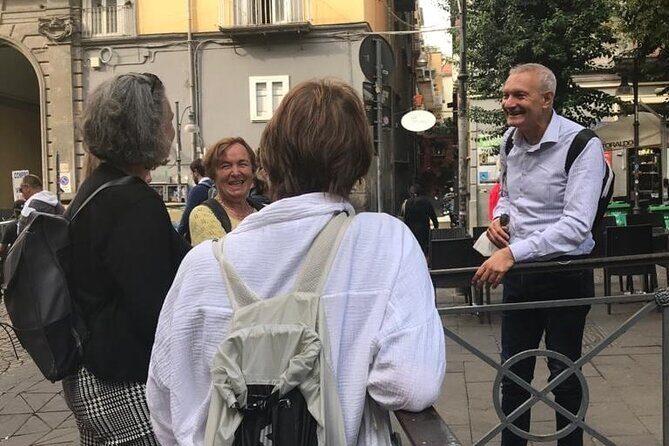
The tour ends at Gino e Totò Sorbillo, the famous pizzeria associated with Gino Sorbillo. This is your included pizza lunch with a drink, and it’s a highlight for a simple reason: it’s not a random restaurant choice. It’s a destination name.
You get 45 minutes here, which is enough time to eat without feeling rushed, but not enough time to turn lunch into a half-day event. That timing matters in Naples, where a day can expand fast if you let it.
One thing to expect: this place draws lines. The strong reviews point out that the tour format can mean you’re able to skip the long line. Even if your exact wait varies, it’s still a smart way to time lunch around a famous spot.
How to make the most of those 45 minutes:
- Start by ordering calmly and focusing on your first slice rather than snapping photos the whole time.
- Eat like a local: pizza is best when you take it as it comes, hot and fresh.
- Use the time to talk with your guide after lunch context—ask what else in the neighborhood is worth revisiting later.
If you’re a pizza fan, this is the kind of dinner plan you’ll feel good about later. If you’re not a pizza superfan, you’ll still like it because the lunch is integrated into the tour, not tacked on as an afterthought.
Timing, walking pace, and what a 3.5-hour day really means
The tour runs for about 3 hours 30 minutes. That’s a comfortable length for a historic-center introduction. It’s long enough to cover meaningful ground and several distinct neighborhoods, but short enough that you’re still fresh afterward.
Because it’s a walking tour, shoes matter. Naples sidewalks can vary—from smooth sections near major points to tighter, older lanes in the historic center. You’ll also deal with real street conditions: crowds in central areas and occasional detours around foot traffic.
One more practical point: this experience requires good weather. If rain hits hard, the tour can be adjusted to another date or refunded. So if you’re visiting Naples in shoulder season or you’re traveling around unpredictable weather, keep an extra afternoon flexible.
If you’re the type who likes a structured first day, this timing is a win. It gives you orientation, then you can roam the rest of your time with a clearer mental map.
Price and value: what you’re paying for
At $144.18 per person, this isn’t the cheapest way to tour Naples. But it’s also not priced like a generic bus ride with a lunch discount. You’re paying for a private guide plus an included meal at an iconic pizzeria.
Here’s how I think about value:
- You get private time with Nino Pezzullo instead of sharing attention with strangers.
- You get a planned route through several neighborhoods without needing to piece together logistics yourself.
- The included pizza lunch with a drink matters. Naples can have excellent food, but it’s easy for meal costs to drift upward when you’re hungry and decisions are rushed.
Admission tickets at the listed sights are marked free for this experience, which helps keep the day straightforward. Private tours can add up fast in Europe, so seeing that the day isn’t filled with surprise paid entrances makes the pricing easier to swallow.
Also, it’s booked about 73 days in advance on average, which suggests demand. If you want a specific weekday slot, don’t wait until the last minute.
Who should book this tour
I’d book this if you want:
- A first-time Naples day that gives context quickly
- A walking tour that stays focused on meaning, not just landmarks
- A guaranteed pizza lunch at a top-name pizzeria (not a random choice)
- A private guide who explains how centuries of rule shaped the city you’re seeing now
It may be less ideal if:
- You dislike walking for hours or struggle with uneven sidewalks
- You expect quiet, empty streets everywhere (this is Naples central)
- You’re traveling only on a weekend, because it’s scheduled Monday–Friday within stated hours
Should you book Naples historic center private tour with pizza lunch?
Yes—if you want the fastest way to make sense of Naples. This is a clean, human-sized introduction to the city’s layers, guided by Nino Pezzullo, and it ends with a lunch stop that feels like a real reward. You’re not just collecting sights. You’re learning the story behind them, then eating the proof in Neapolitan pizza form.
If you’ve got limited time in Naples and you’d rather spend it with good explanations than wandering blindly, this tour is a strong move.
FAQ
What is the duration of the Naples historic center private tour with pizza lunch?
It lasts about 3 hours 30 minutes.
Where does the tour start and end?
It starts and ends at Piazza del Gesù Nuovo, 80134 Napoli NA, Italy.
Is the tour offered in English?
Yes, it’s offered in English.
Is this a private tour?
Yes. It’s a private experience for just your group.
What’s included in the pizza lunch?
Lunch at Gino e Totò Sorbillo includes pizza with a drink.
Are admission tickets included for the sights?
Admission tickets for the listed stops are marked as free.
Is private transportation included?
No. Private transportation is not included.
What type of ticket do you get?
You receive a mobile ticket.
Are service animals allowed?
Yes, service animals are allowed.
What happens if weather is poor?
This experience requires good weather. If it’s canceled due to poor weather, you’ll be offered a different date or a full refund.