REVIEW · NAPLES
Naples: Catacombs of San Gennaro Entry Ticket & Guided Tour
Book on GetYourGuide →Operated by Catacombe di Napoli · Bookable on GetYourGuide
Naples turns different when you go below street level. This guided visit to the Catacombs of San Gennaro mixes devotion and art in a place that feels made for slow looking: underground basilicas, frescoes, and paintings spanning centuries. I really love the way the guides connect the religious stories to what you actually see down there, and I also love the practical bonus that comes with your ticket. One potential drawback: photos aren’t allowed, and there are stairs and uneven ground.
You’ll meet at the catacombs reception and head straight into the chambers with a live English or Italian guide. The tour runs under an hour, so it’s intense in the best way: you get real context without turning into a textbook marathon.
You also get a ticket pass that lets you return later to Catacombe di San Gaudioso and the Basilica di Santa Maria della Sanità (valid for 12 months). That makes this one of the more efficient ways to learn the story of the Rione Sanità area, not just see a single stop.
In This Review
- Key Points You Should Know Before You Go
- San Gennaro Underground: what you’re really seeing
- Getting there at Via Capodimonte: timing, shoes, and photo rules
- The 45-50 minute guided walk: how the pacing works
- The underground basilicas and frescoes: where devotion meets art
- Baptismal font and iconoclast refuge: the 8th-century human story
- Byzantine paintings (9th–10th century): why the imagery feels different
- The Crypt of the Bishops and its mosaics: the message in the details
- Your ticket bonus: San Gaudioso and Santa Maria della Sanità for 12 months
- Who this catacombs tour suits best
- Tips to get more out of the tour
- Should you book the Catacombs of San Gennaro guided tour?
Key Points You Should Know Before You Go
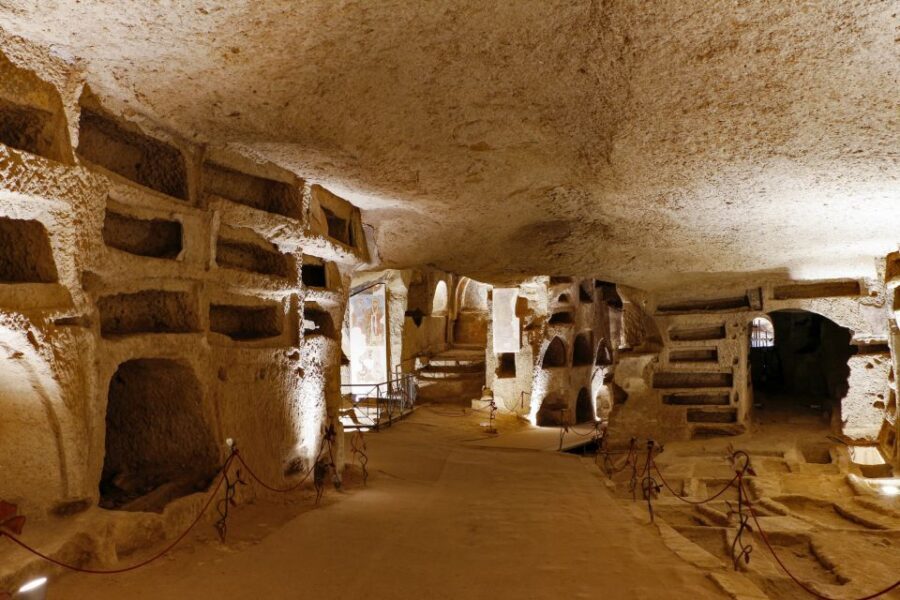
- Underground basilicas and early Christian art: grand spaces, plus frescoes and paintings from very early centuries
- Byzantine-era paintings (9th to 10th century) paired with much earlier burial history
- Specific masterpieces explained: the baptismal font commissioned by Bishop Paul II and the Crypt of the Bishops mosaics
- Your guide matters: tours often feel upbeat and question-friendly, with guides like Nello, Antonia, and Emmanuel repeatedly praised for their delivery
- A true value add: your ticket includes entry to two more sites, letting you pace yourself later
- Plan for rules and steps: no photos/video, and expect a climb down and back up
San Gennaro Underground: what you’re really seeing
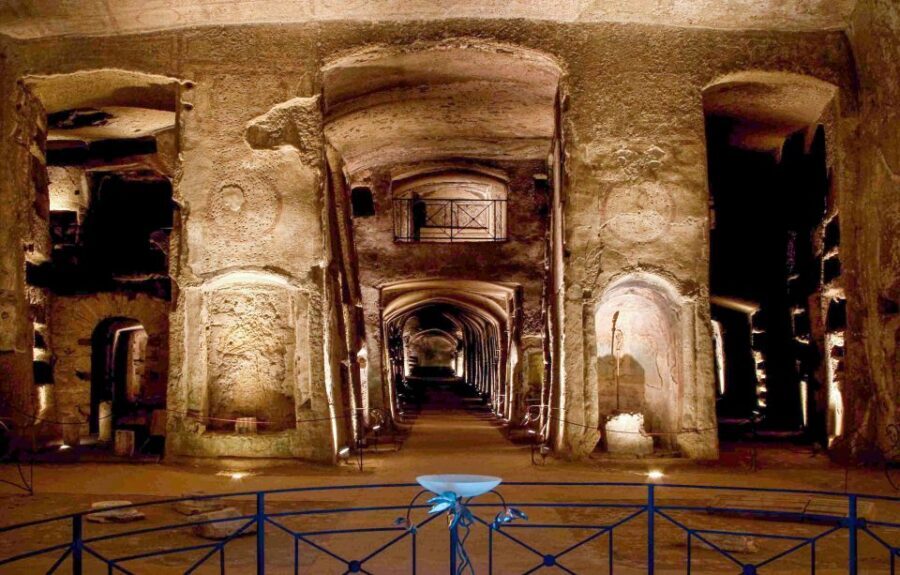
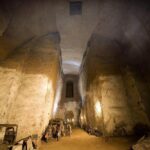
The Catacombs of San Gennaro aren’t just tunnels with tombs. You’re walking through a Naples story where faith, community memory, and art all overlap. The whole place is tied to the patron saint of Naples, and the tour frames that connection in a way that makes the underground feel personal rather than distant.
What surprised me, even just from the descriptions and how guides present it, is how much art you’re meant to notice. You’ll see frescoes and Byzantine paintings linked to specific moments in time—like 9th to 10th-century works—and then you’ll move back earlier again to the first wave of Christian burial and decoration. It’s not random; it’s guided like a timeline you can walk through.
And then there’s the community side. Your ticket supports a redevelopment project for the Rione Sanità district. That detail changes the tone: you’re not only buying admission to ancient spaces, you’re also helping fund upkeep and local revival around them.
You can also read our reviews of more tours and experiences in Naples


Getting there at Via Capodimonte: timing, shoes, and photo rules
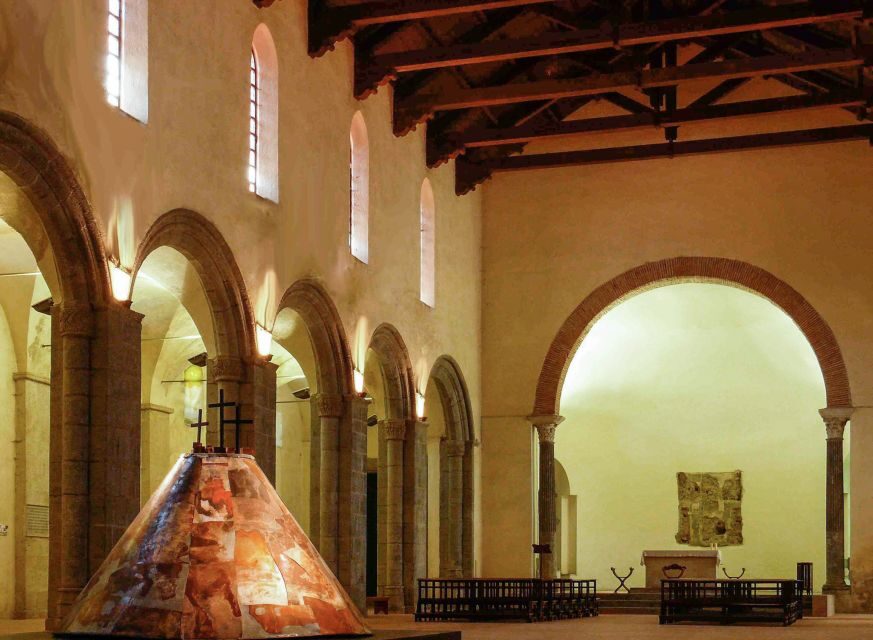
This is one of those Naples experiences where logistics matter because the underground visit is strict about timing. Meet at the reception at Catacombs of San Gennaro, Via Capodimonte 13, 80136 Naples. The ticket office opens at 9:30 AM, and you need to arrive 15 minutes before your booked time.
You should also know the tour depends on being on time. If you arrive after the departure time, you won’t be able to join subsequent tours. In plain terms: treat this like a timed entry museum visit, not a casual drop-in.
Two practical notes before you go in:
- No photos or video: this rule comes up often, and guides follow it. It can feel restrictive, but it’s also how they protect delicate surfaces.
- Stairs and uneven steps: there’s a lot of descending before the tour starts. If mobility is an issue, you’ll want to think carefully and plan for slower movement.
Footwear helps more than you’d think in places like this. The walk inside can be easier with prepared surfaces—some visitors note a sort of floor covering that helps—yet you’ll still want solid shoes because you’re going down and up on stone.
The 45-50 minute guided walk: how the pacing works
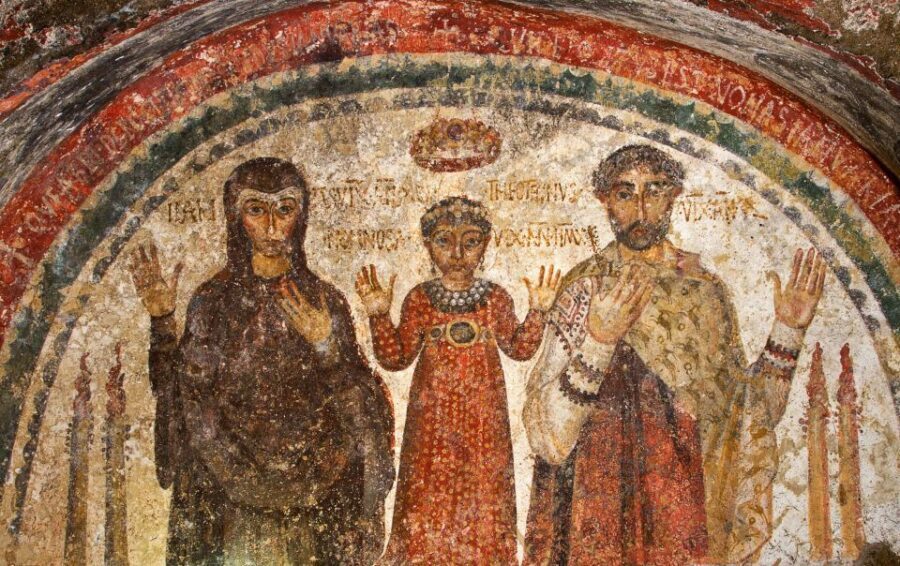
The guided portion is about 45 minutes (often experienced closer to around 50 minutes depending on the group flow). That length is perfect for this kind of site. Catacombs can easily become overwhelming, but the tour is structured so you hit the strongest rooms and the most meaningful art without racing.
What you’ll feel is a steady rhythm: the guide points out a feature, explains why it matters, then you look again with a new lens. Several guides are repeatedly praised for encouraging questions and keeping the group moving so everyone has a chance to see key spots.
Expect the guide to talk about:
- why the site expanded and changed over time
- how specific church figures and historical events show up in the art
- what you’re looking at visually, not just that it exists
Even when the story gets serious, the tours often keep it light enough to stay comfortable. Guides like Nello, Antonia, Emmanuel, and Valentina come up in English tours with that mix of facts and a human touch.
The underground basilicas and frescoes: where devotion meets art
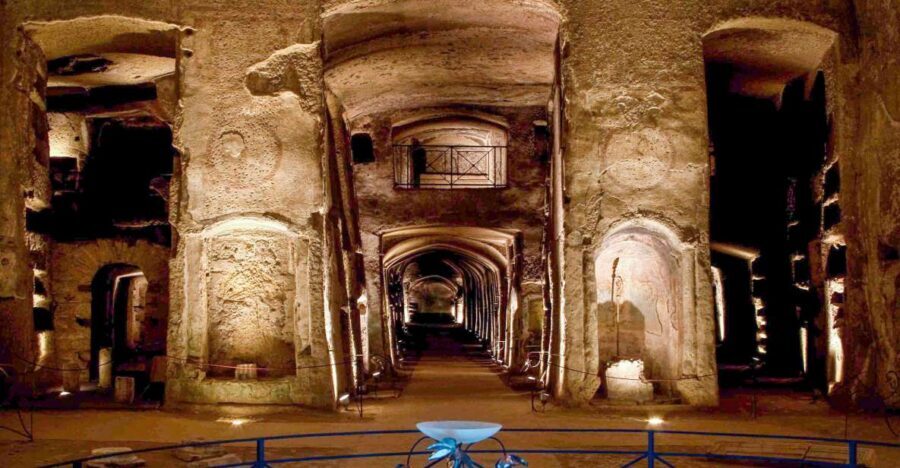
One reason people get excited here is the scale of what you find underground. The tour highlights grand underground basilicas and the kind of valuable frescoes you usually associate with surface churches. The age is part of the wow factor: you’re looking at art that’s well over a millennium, and you’re learning how early Christianity took shape in Naples through burial traditions and sacred spaces.
You’ll connect those visuals to real historical shifts. A big one is the 4th-century expansion linked to the transfer of the remains of St. Agrippinus to an underground basilica dedicated to him. The guide’s job here is to help you understand why that mattered. It’s not just a relic story—it’s a reason the site grows into a meaningful destination.
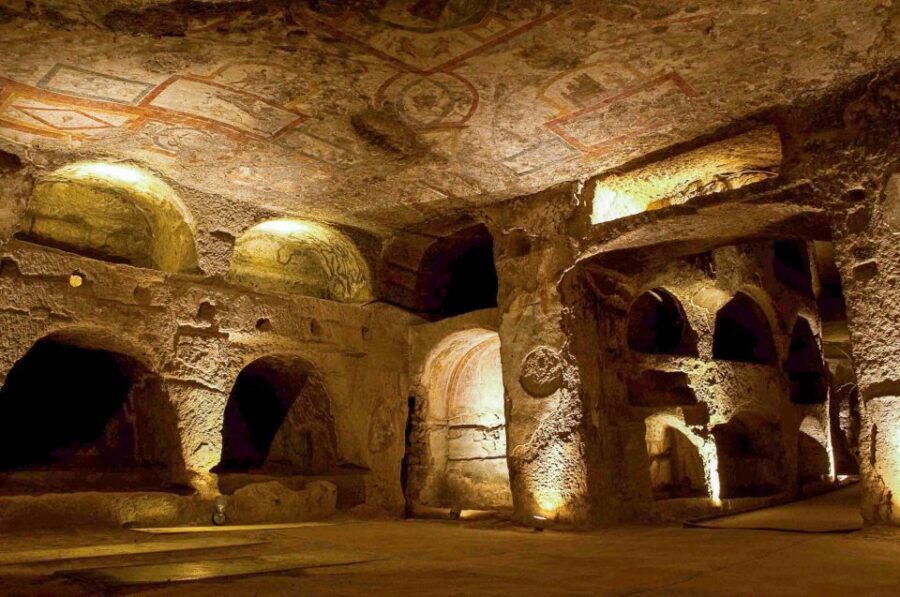
Then comes another layer: Pompeian style decoration in the upper catacomb, tied to the 3rd century. This is where the experience can feel like a time machine. Even if you’ve visited churches above ground, you’ll start spotting how early Christians used visual language long before later major masterpieces.
Baptismal font and iconoclast refuge: the 8th-century human story
One of the most compelling parts of the tour is when it turns from art to people. You’ll hear about Bishop Paul II, including the moment he took refuge in the catacombs in the 8th century during iconoclastic struggles. That’s the kind of detail that makes the underground feel less like a relic cabinet and more like a shelter used by real historical actors.
Connected to Paul II is the baptismal font commissioned by him. Seeing a specific object tied to a named person is powerful because it anchors the story. Instead of only hearing that the site changed over time, you can point to the physical evidence and understand why it was placed there.
This section also helps you understand the wider theme of the catacombs: they weren’t a single static room. They evolved through centuries of need, belief, and artistic change.
You can also read our reviews of more guided tours in Naples



Byzantine paintings (9th–10th century): why the imagery feels different
The tour highlights Byzantine paintings from the 9th to 10th century. If you’ve ever wondered why some church art feels formal and iconic compared to later western styles, this is where you start noticing the visual shift.
The guide helps you focus on what you’re seeing—colors, figures, and the religious meaning behind the scenes—so you don’t just walk past paintings that look old. You learn how the images fit into the story of Naples and early Christianity, not just into a random “ancient art” category.
If you’re an art-and-history person, this part is often where the tour clicks. The underground environment adds atmosphere, but the real value is that the guide explains how the painting styles line up with real time periods and events.
If sacred art below ground sets the tone for your Naples, the city has a companion piece back at street level: naples-guide.com weighs up the downtown tour that pairs the Veiled Christ with the St. Clare cloister tickets, and the Sansevero Chapel Museum site explains the strict entry slots that make booking ahead non-optional.
The Crypt of the Bishops and its mosaics: the message in the details
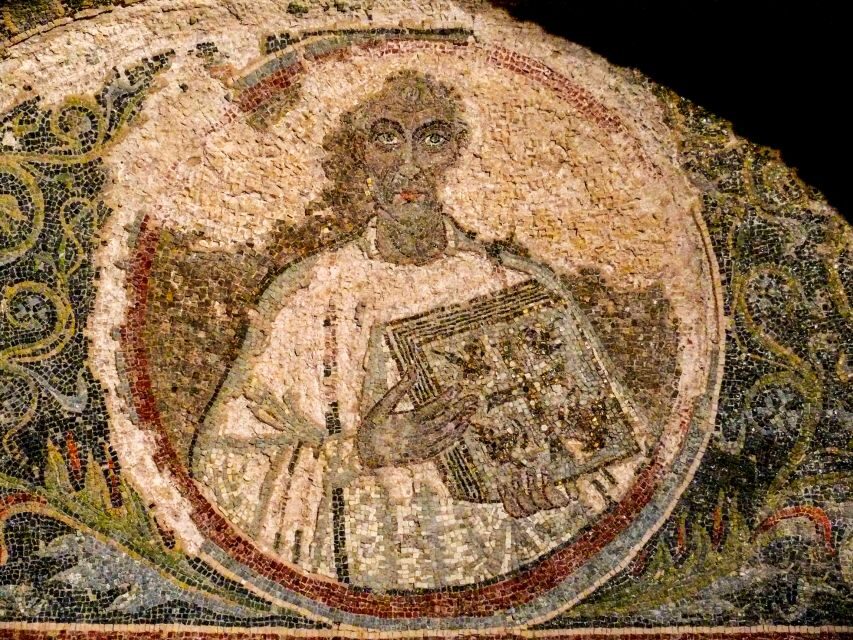
Don’t rush this part. The tour’s standout art moment is often the Crypt of the Bishops, including its 5th-century mosaics. Mosaics are already a “wow” material, but what makes these special is what the guide points out—specific people and the connections across the Christian world.
One mosaic depicts St. Quodvultdeus, the Bishop of Carthage. That detail matters. It shows that the catacombs weren’t only about Naples in isolation. Naples was part of a bigger network of Christian leadership and ideas.
This is also one of the sections that helps you understand why guides keep talking about faith and community together. The art isn’t decorative. It’s a statement, placed in a space meant for memory, prayer, and identity.
Your ticket bonus: San Gaudioso and Santa Maria della Sanità for 12 months
Here’s where the deal gets practical. Your ticket includes entry later to:
- Catacombe di San Gaudioso
- Basilica di Santa Maria della Sanità
You can explore these with your entry pass, and it’s valid for 12 months. That means you’re not forced to cram everything into one stressful afternoon. If you’re pacing your Naples days, this is a big plus.
It also makes the whole experience smarter. San Gennaro is one story. San Gaudioso and Santa Maria della Sanità help you keep seeing the larger Rione Sanità narrative, so the area doesn’t feel like a one-off stop.
And because ticket sales support the redevelopment of the Rione Sanità district, the bonus entry feels more grounded. You’re not only consuming history; you’re helping preserve and develop the community around it.
Who this catacombs tour suits best
This is a strong match for you if:
- you like churches and old art but want context you can’t get from a guidebook alone
- you want a timed experience that still gives you a sense of place
- you enjoy stories about how faith and daily life intersect
- you want value, since the ticket includes access to more than one catacombs site
It may be less ideal if:
- you need lots of photo time (since pictures aren’t allowed)
- you have mobility concerns due to the stairs and descending steps
Also, keep in mind the setting is solemn and physical. Some visitors note it’s not the best fit for very young kids, mainly because of how the tour environment works and how easily small disruptions can happen in a small group setting.
Tips to get more out of the tour
I’d treat this like a focused art visit, not a casual wander. Arrive early, listen closely, and plan to look twice at what your guide highlights. The strongest rooms reward patience.
A few things that help:
- Use the guide’s timeline to anchor what you’re seeing (3rd century style, 4th-century expansion, 8th-century refuge, 9th–10th century paintings, 5th-century mosaics).
- Think about the object, not only the date: the baptismal font and the mosaics feel more meaningful once you know who commissioned or represented what.
- Plan shoes for stone steps and expect a climb back up afterward.
- If you’re doing the bonus sites later, schedule them for a day when you’re not rushing. They’re more enjoyable when you’re not trying to catch the next timed moment.
Should you book the Catacombs of San Gennaro guided tour?
Book it if you want a well-paced guided entry to one of Naples’ most meaningful underground spaces, with standout art explained in context. The $15 price feels fair because you’re paying for a live guide plus your admission, and you also get entry to two additional sites with a pass valid for 12 months. That turns one “ticket” into a whole mini-theme of early Christian Naples.
Skip or reconsider if you’re desperate for photos, very sensitive to stairs, or expecting a stroller-friendly outing. For most people, though, this is exactly the kind of Naples experience that changes how you look at the city above ground too—because the underground story puts big churches and big saints into real perspective.
If you’re deciding right now: arriving early at Via Capodimonte, wearing comfortable shoes, and going in ready to listen will make the biggest difference.