REVIEW · POMPEI CAMPANIA
Pompeii: Guided Tour with Skip-the-Line Entry
Book on GetYourGuide →Operated by Enjoy Pompeii · Bookable on GetYourGuide
Pompeii is huge, and time disappears fast. This guided walk gives you skip-the-line entry and an expert archaeologist guide, so you understand what you are looking at, not just where to stand. You can go on a group tour or pick a private option, which matters in a place where crowds can change your whole experience.
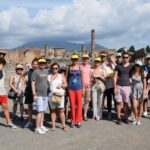
I also like how the route hits the big civic and cultural stops without turning it into a checklist. Expect key areas tied to daily life, including the Forum and Basilica, plus the thermal baths and theatre, and then neighborhoods like a bakery and typical housing blocks. The only real drawback: you are doing a couple of hours of walking over uneven ground, and this tour is not suitable for people with pre-existing medical conditions.
In This Review
- Key highlights to look for
- First Step: Meet at Ristorante Bar Sgambati and Skip the Line
- How the 2 to 3 Hour Route Works in a Site This Big
- Antiquarium and the City’s Plan Before You Walk the Streets
- Forum and Basilica: The Public Face of Roman Pompeii
- Thermal Baths and Theatre: Culture, Comfort, and Community
- Neighborhood Corners: Bakery Stops and Housing Blocks
- Special Sights: How Your Guide Shapes What You See
- Crowd Management and Walking Comfort You Can Actually Feel
- Price and Value: Why $58 Can Be a Smart Spend
- Guides Matter: Frankie, Angelo, Anna, and Others
- Who Should Book This Tour, and Who Might Skip It
- Should You Book This Pompeii Skip-the-Line Tour?
- FAQ
- Where do I meet my guide for Pompeii?
- How long is the Pompeii guided tour with skip-the-line entry?
- Does this tour include skip-the-line entry?
- What languages are available for the tour?
- Is the tour ever free?
- Is there free cancellation?
Key highlights to look for
- Skip-the-line entry through a separate entrance, so you spend less time waiting and more time exploring
- A live archaeologist guide (Italian or English) who explains how a Roman city worked
- Core Pompeii sights in one route, like the Antiquarium, Forum, Basilica, baths, and theatre
- Neighborhood details, including a bakery and typical housing blocks, not just monuments
- Guide-led crowd strategy, with routes designed to reduce time stuck in the press of other groups
- Flexible format, either small-group or private, which helps you ask more questions
First Step: Meet at Ristorante Bar Sgambati and Skip the Line
Meet your guide at the Ristorante Bar Sgambati. Look for the Enjoy Pompeii red sign. That sounds simple, but it’s the difference between a smooth start and a stressful scramble in a busy tourist area.
Once you’re with the group, the big win is the skip-the-line ticket. You go in through a separate entrance, which typically means less time standing in a slow queue while you watch other visitors filter past. Pompeii is also not a quick stop. The sooner you get inside, the more of your tour you get to spend walking the streets and seeing the city’s layout.
Practical note: parking is not included. If you’re driving, plan on handling parking separately and just show up ready to start the walking portion on time.
You can also read our reviews of more guided tours in Pompei Campania

How the 2 to 3 Hour Route Works in a Site This Big
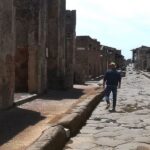
Pompeii is one of those places where doing it “on your own” can feel like trying to read a book in the dark. The ruins are spread out, and the streets twist. A guide helps you read the city like a map.
That’s why I think the 2 to 3 hour duration is smart. It’s long enough to hit major public spaces and a few neighborhood details, but short enough to keep the experience focused. You’ll walk the ancient streets with history tied to what you see: how Romans built, governed, shopped, ate, worked, and spent time before Mount Vesuvius erupted in 79 AD.
Also, your exact pace depends on your group and your guide. Some tours run close to 2 hours, others stretch nearer 3. If you have another timed stop later (like the Vesuvius area), this is a format that can still fit your day.
Antiquarium and the City’s Plan Before You Walk the Streets
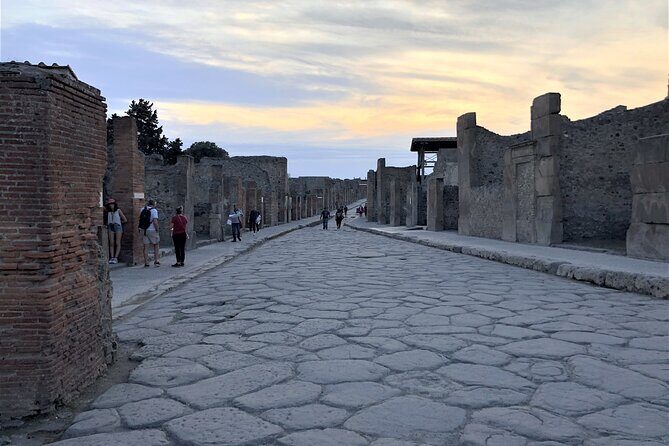
A good Pompeii visit usually starts with context. That’s where the Antiquarium comes in. It’s a key stop because it helps you understand the site as an archaeological story, not just scattered ruins.
From there, you start seeing Pompeii as an actual city with districts and functions. That matters when you get to the Forum and other civic buildings. Without a quick orientation, it’s easy to miss how the Romans organized public life around specific spaces.
One thing I appreciate about an archaeologist-led approach is that it tends to explain why structures look the way they do: the purpose of rooms, the relationship between buildings and street life, and the logic behind the layout. Even if you only catch part of it, the city starts making sense faster.
Forum and Basilica: The Public Face of Roman Pompeii
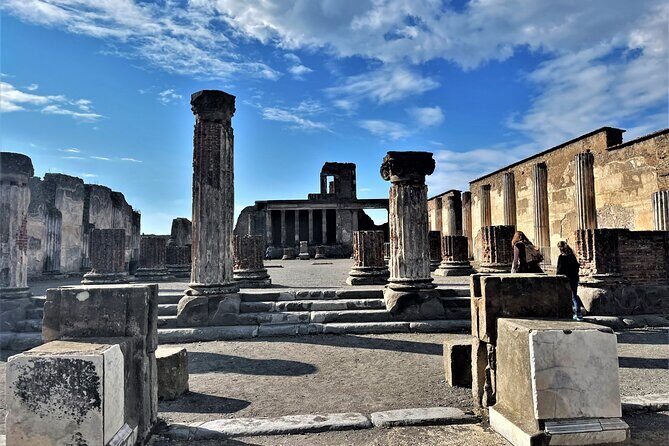
If you want to understand Pompeii beyond the wow-factor, aim for the civic core. This tour includes the Forum and the Basilica, two places that point to how the city worked day to day.
- The Forum is where civic announcements, social life, and public business all meet. Seeing it with an explanation helps you connect the stones to real human routines.
- The Basilica signals law, administration, and the public gatherings that kept the city running.
This is also where a guide’s storytelling makes the difference. The goal isn’t just to say what the building is called. You’ll be guided to look for details tied to daily behavior: where people would have moved, gathered, or stood, and how public spaces were designed for crowds and formal activity.
If you’re visiting in hotter months, this is also where crowd timing can help. Some guides try to move you through major areas when they’re more manageable, so you’re not always fighting for a clear view.
Thermal Baths and Theatre: Culture, Comfort, and Community
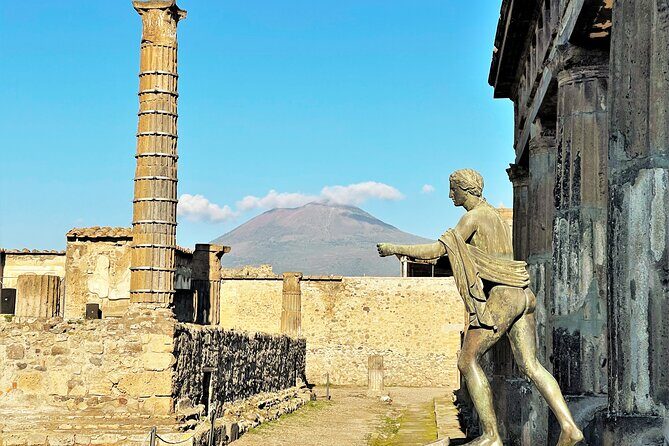
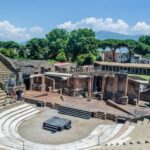
Pompeii’s public spaces weren’t only about government. This tour includes the thermal baths and the theater, which show how leisure and culture were built into city life.
Thermal baths matter because they represent routine social time, not just a luxury. You’ll see the structure and learn why the baths were a hub for conversation and community. When your guide links these buildings to real habits, you stop thinking of ruins as dead shapes.
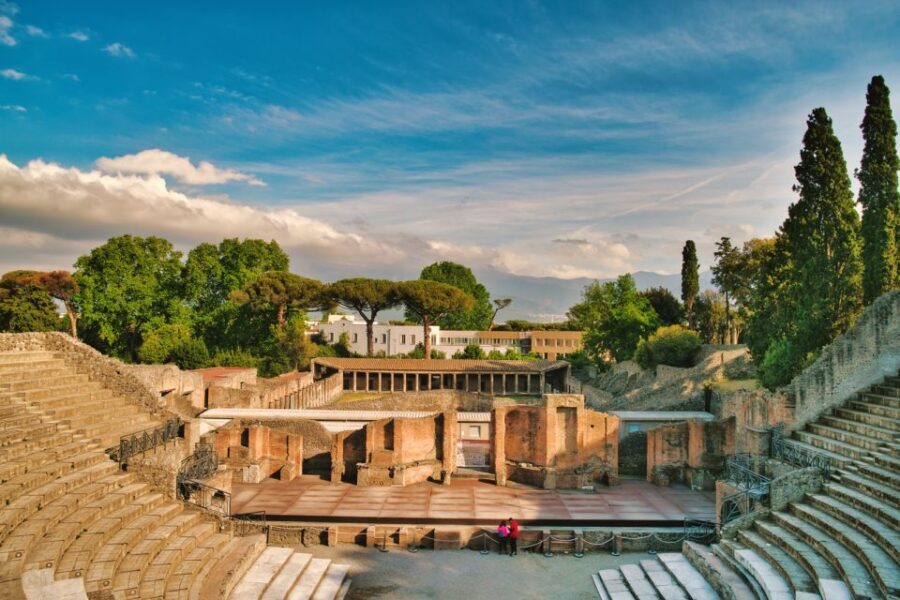
The theater is similar. It hints at organized entertainment and public culture. It’s not hard to look at the remaining walls and assume it was about spectacle. A guide helps you frame it in Roman terms: how audiences used the space and how architecture supported events.
From the way guides describe routes, you can also expect some attention to sun and shade. People mention guides actively managing where they stand during explanations, which is a big deal at Pompeii when shade can be scarce.
You can also read our reviews of more tours and experiences in Pompei Campania



Neighborhood Corners: Bakery Stops and Housing Blocks
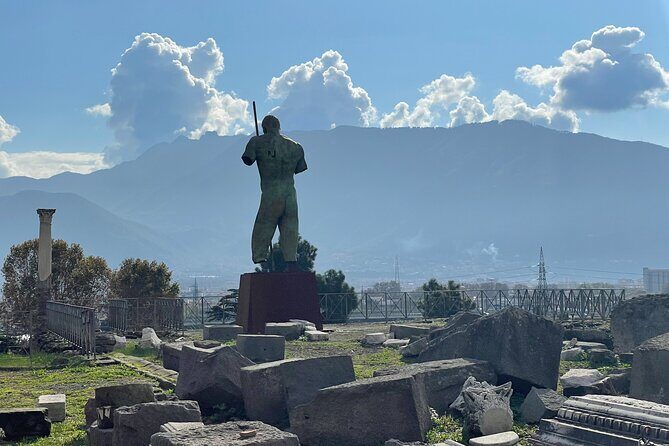
This is one of the reasons I like guided Pompeii tours. The best moments often come after you’ve seen the headline sights.
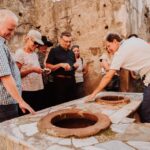
Expect stops connected to commerce and everyday living, including a bakery and typical housing blocks. These parts of Pompeii can feel less dramatic at first glance than the big public buildings, but they’re the most personal. They’re where you start asking: who lived here, what did they buy, how did they eat, and what did their routines look like?
Guides often use these neighborhood stops to explain the rhythm of city life. You’re basically learning the difference between spaces meant for crowds and spaces built for daily work and family routines.
If you’re traveling with kids, this section can help too. It turns the ruins into something more human. Just keep expectations realistic: it’s still a walking tour in an archaeological site with steps and uneven sections.
Special Sights: How Your Guide Shapes What You See
Pompeii is large, and no single route covers everything. Your guide’s choices can really change the feel of the tour.
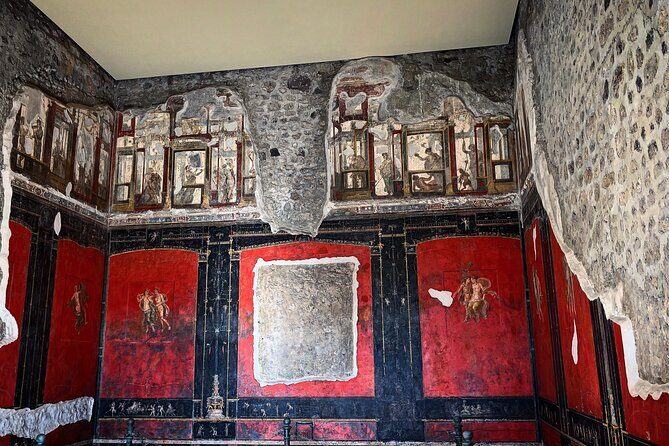
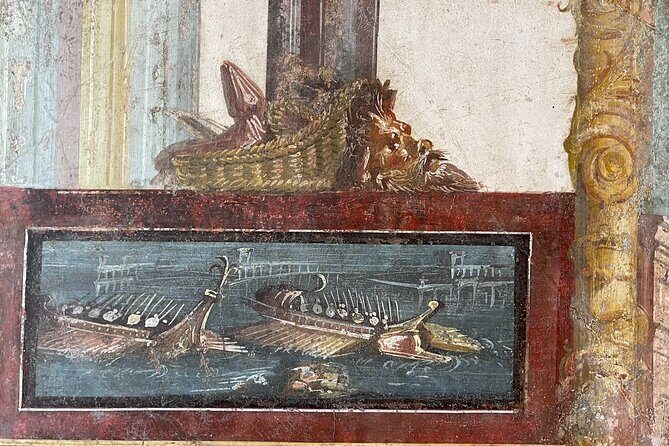
Some guides are known for leading groups to areas that are less obvious or even not typically open to the general flow. You might also find emphasis on specific houses or the most striking room-level details. For example, one guide is mentioned taking people first to the House of the Vettii early to beat other crowds. That kind of scheduling is the difference between rushing through and actually seeing what makes a place special.
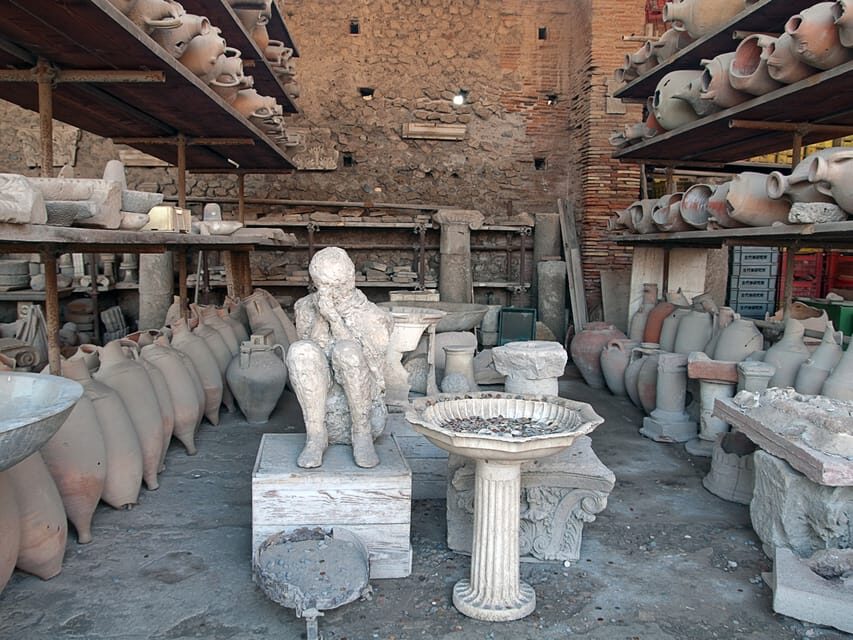
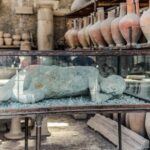
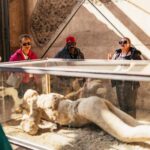
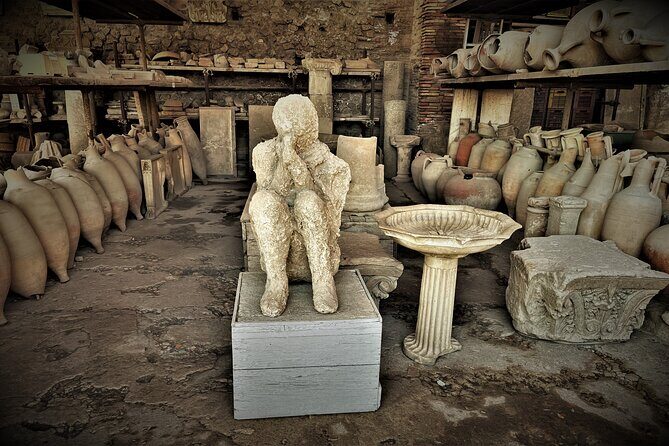
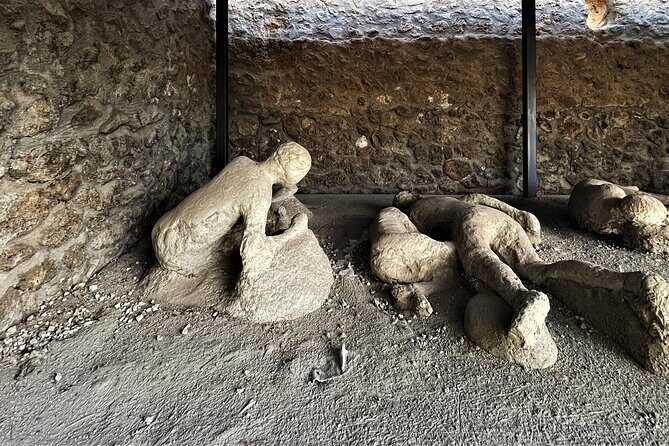
You may also hear discussion of preserved frescoes and casts of victims, depending on the route and time. These are among Pompeii’s most emotionally heavy sights, and they can land differently when a guide frames them carefully.
My advice: pick your guide if you can. If you see a name you trust from scheduling options, it’s worth trying to match it. A strong guide makes you slow down mentally, even when you keep moving physically.
Crowd Management and Walking Comfort You Can Actually Feel

Even the best guide can’t fight physics. Pompeii has crowds in peak season, and there’s limited shelter in many areas. What you can control is how your tour manages those realities.
From guide behavior, crowd strategy comes through in two ways:
- Route choices that help avoid the busiest zones at certain moments
- Timing and pacing that keep groups from lingering in harsh sun
If you are planning a midday visit, you’ll want that shade strategy. Heat is not a side issue in Pompeii. It shapes where you can listen, how long you can stand, and how much you can enjoy the finer details.
If you want a calmer experience, consider going earlier in the day when you can. Some guides explicitly aim for early access to keep the site more comfortable and less packed.
Price and Value: Why $58 Can Be a Smart Spend
At $58 per person, you’re paying for three things that add up fast in Pompeii: time, context, and access.
Time: The skip-the-line entry is the most straightforward value. Pompeii waits can be unpredictable, and waiting drains your energy for the walking part. This option reduces that risk.
Context: Pompeii ruins are confusing if you don’t know what you’re looking at. You could read a guidebook and still miss connections, like how civic buildings relate to street movement or why certain spaces were designed the way they were. A real-life guide saves you from doing the puzzle work yourself.
Access and efficiency: In a 2 to 3 hour window, you want the highlights plus a few human details. The tour is built around seeing major parts like the Forum, Basilica, baths, and theatre, then adding bakery and housing stops so you leave with more than postcard views.
When might the value drop? If you’re visiting on the first Sunday of each month, entrance is free. That doesn’t automatically make this tour a bad deal, because the guide still saves time and adds explanations, but it means you should judge whether you’re buying the skip-the-line convenience plus guidance more than the ticket access.
Guides Matter: Frankie, Angelo, Anna, and Others
This experience is heavily shaped by the guide. A great one does two jobs at the same time: explains the ruins and manages the group so everyone actually enjoys the walk.
Names that come up again and again include Frankie, Angelo, Anna, Alessandra, and Sa Sa (Salvatore), along with guides like Sasa. People describe guides who:
- Use clear English or Italian
- Answer questions without brushing you off
- Keep the group in shade when possible
- Adjust pacing so you can ask, look around, and take photos
- Add humor or storytelling, like Frankie’s style, which can make the history feel less like a lecture
A special mention is how some guides are described as art-focused or even with scientific background related to Vesuvius. That can make the eruption story more than a date. You start connecting the landscape and the reason Pompeii ended the way it did.
If you’re the type who learns best by asking questions, choose a small group or private option. Smaller groups usually make it easier for the guide to tailor the route and answer you in a more personal way.
Who Should Book This Tour, and Who Might Skip It
I think this tour is a strong choice if you:
- Have only a half day and want the key Pompeii sights in one organized walk
- Want explanations tied to real civic life and daily routines, not just names on signs
- Prefer a guide-led route that helps with crowds and heat
- Like the idea of small groups or private options so you can ask questions
You might want to skip it if:
- You don’t like walking on uneven ground for 2 to 3 hours
- You have pre-existing medical conditions, since the tour is not suitable for that situation
- You want a totally self-paced visit with no group rhythm
Also, if you’re visiting with very young kids, the tour length can feel long. It’s not a kid-only experience, so be ready for a more historical, adult tone, even if the guide keeps things engaging.
Should You Book This Pompeii Skip-the-Line Tour?
Book it if you want Pompeii to make sense fast. The mix of skip-the-line access plus a live archaeologist guide is exactly what you need when time is limited and the site is too big to guess your way through.
Pass or rethink it if your priority is pure wandering and you don’t want to follow a route, or if you can’t handle the physical demands. And if you’re visiting on the first Sunday of the month, factor in that the ticket is free, then decide if you still want to pay for the guide and skip-line convenience.
If you do book, I’d plan your day so you can slow down after the tour if energy allows. Pompeii rewards a second look, and a good guide will often point you toward what to notice next while you’re still fresh enough to enjoy it.
FAQ
Where do I meet my guide for Pompeii?
Meet at the Ristorante Bar Sgambati. Look for the Enjoy Pompeii red sign.
How long is the Pompeii guided tour with skip-the-line entry?
The tour runs for about 2 to 3 hours.
Does this tour include skip-the-line entry?
Yes. You get skip-the-line entry with a separate entrance plus a live walking tour guide.
What languages are available for the tour?
The tour guide is available in Italian and English.
Is the tour ever free?
Entrance is free on the first Sunday of each month.
Is there free cancellation?
Yes, free cancellation is available up to 24 hours in advance for a full refund.