REVIEW · POMPEI CAMPANIA
Pompeii and Herculaneum: Guided Tour with an Archaeologist
Book on GetYourGuide →Operated by Benedetto Tourist Guide · Bookable on GetYourGuide
Pompeii and Herculaneum feel close-up here. I like the small group size and the way Benedetto explains the sites with humor, not lectures. I also love the day’s contrast: Pompeii’s streets beside Herculaneum’s better-preserved details like wood, mosaics, and skeletons. One drawback: this tour is not set up for people with mobility impairments or wheelchair users, and you’ll be walking on old, uneven ground.
You get a tight, guided route through Pompeii first, starting at Porta Marina Inferiore and moving through key areas such as theatres, decorated houses, Roman bakeries/snack bars, public baths, the famous Lupanare area, and the Forum with plaster casts of victims. Then there’s a lunch break and a short train transfer (about 20–30 minutes), before you spend focused time in Herculaneum, where preservation is so striking it changes how you understand the disaster.
The tone is practical and human. Benedetto is fluent (English, Italian, French options), he keeps groups small up to 10, and he’s good at steering you around the chaos so you can actually take in what you came to see—frescoes, mosaics, marble, jewelry, and the evidence of everyday Roman life.
In This Review
- Key reasons this guide-led day works
- The smart value of pairing Pompeii with Herculaneum
- Where the tour starts: Ristorante Suisse and the pace you’ll feel
- Pompeii walkthrough: Porta Marina Inferiore to the Forum in 2 focused hours
- The lunch break that keeps the day from burning out
- The train hop between sites: keeping the schedule realistic
- Herculaneum: the quiet side of the tragedy (and why it looks different)
- What Benedetto adds: archaeologist rigor with real-world storytelling
- What you’ll see (and what to look for) so photos feel purposeful
- Price and what’s included: where the $141.61 goes
- What to bring (and the one big logistics detail people forget)
- Who this tour is for (and who should skip it)
- Should you book this Pompeii and Herculaneum archaeologist tour?
- FAQ
- How long is the Pompeii and Herculaneum guided tour?
- Where does the tour start and end?
- Are entry tickets included?
- Do I get a headset during the tour?
- Is transportation included?
- What’s the group size like?
- What languages is the live tour guide available in?
- What should I bring?
- Is the tour suitable for wheelchair users or limited mobility?
- Is Pompeii ticket information tied to names?
- Is free cancellation available?
Key reasons this guide-led day works
- Benedetto the archaeologist: You’re not just hearing facts—you’re getting explanations tied to how the sites were studied, and he answers questions with real context.
- Small group up to 10: Easier pace, fewer bottlenecks, and more room to ask about what you notice while you walk.
- Pompeii route is structured: You hit the big stops without feeling like you’re sprinting—especially the theatres, decorated homes, baths, and the Forum with plaster casts.
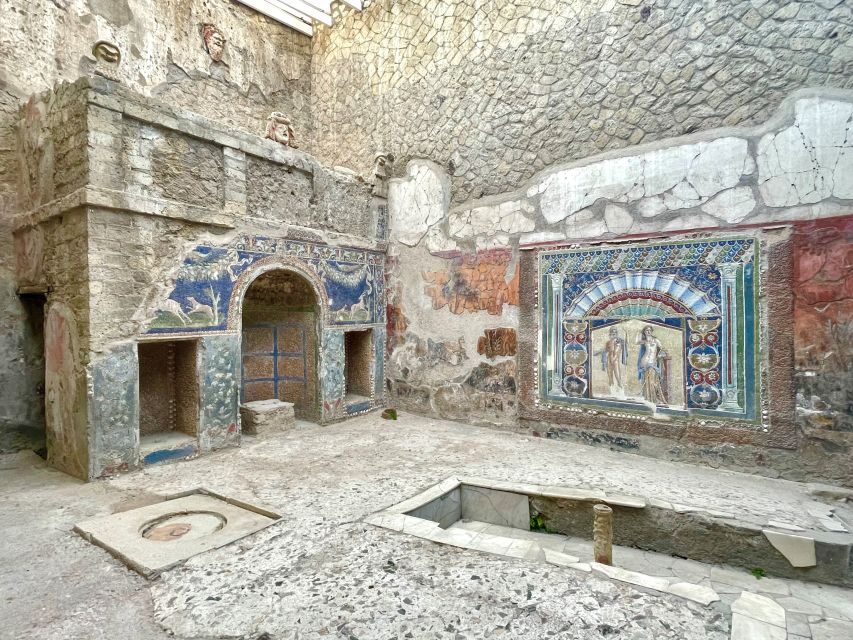
- Herculaneum’s preservation changes the story: Better conservation means you get to see details such as wood, jewelry, and skeletons in a way Pompeii doesn’t.
- Headsets for groups over 8: It helps your listening stay clear when the group grows.
- A built-in lunch break plus the train hop: You see two different towns in one day instead of treating them as separate trips.
The smart value of pairing Pompeii with Herculaneum
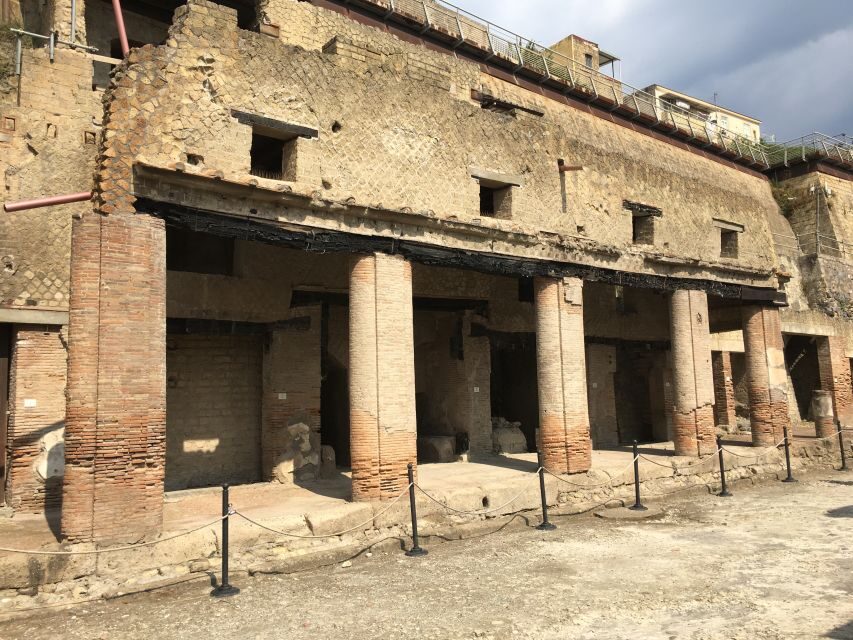
Most people do Pompeii first, then bounce to something else. This tour flips that logic by giving you both sites in the same day, with an archaeologist guiding how to compare them. That comparison matters, because Pompeii and Herculaneum don’t just look different—they teach different things about Roman life and the eruption of Vesuvius in AD 79.
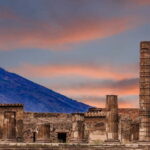
Pompeii often grabs you with its scale: streets, public spaces, homes, and the sense of a city frozen in motion. Herculaneum has a different impact. The conservation there is exceptional, and you feel it in the types of objects you can still interpret—frescoes and mosaics, plus organic finds like wood, and human remains that make the catastrophe emotionally real.
In other words, the best part is the “A vs. B” lesson. You leave understanding not only the tragedy, but how everyday life worked—meals, shopping, public bathing, and domestic decoration—across both towns.
You can also read our reviews of more guided tours in Pompei Campania
Where the tour starts: Ristorante Suisse and the pace you’ll feel
The meeting point is the Suisse Restaurant, and the guide waits for you there with a sign with your name. The tour also ends back at the same meeting spot, which saves you from the extra hassle of figuring out the return.
What I like about this setup is that it keeps the day from becoming logistics-heavy. You have a clear start, a defined end, and time built in for food. The total duration is about 5 hours (and you’ll want to check availability for starting times).
Also, if you’re traveling with kids, this kind of structure helps. Several people highlighted that Benedetto can make the information accessible for a 10-year-old, and you can feel that he tries to keep the pace from turning into a long trudge through stone.
Pompeii walkthrough: Porta Marina Inferiore to the Forum in 2 focused hours
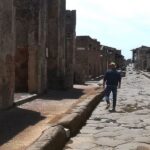
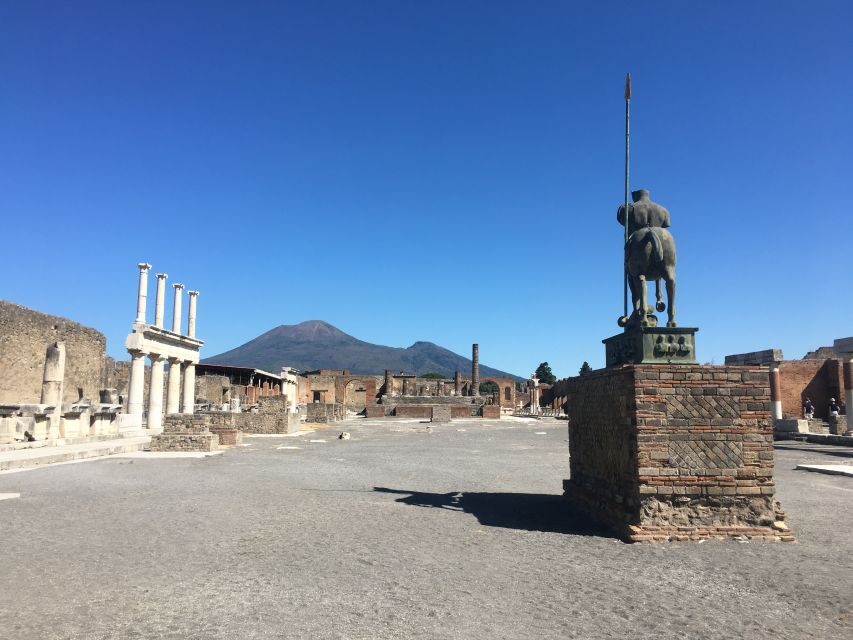
Pompeii begins at Porta Marina Inferiore, then the walking route takes you past the theatres area and into more “lived-in” parts of the city. This is important: Pompeii is huge, so a guided route is really a time-saving tool. Instead of wandering and hoping you stumble into the best rooms, you’re led to the places that explain daily Roman life.
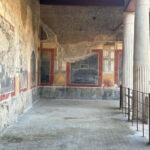
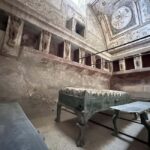
From there, you move into ancient houses and decorated spaces where the design details do the teaching. You’ll see features like mosaics, frescoes, and marble elements—exactly the kinds of things that help you understand how people made a home feel personal, not just functional.
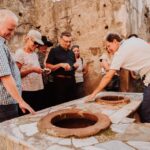
Then the tour shifts toward street-level life. You walk past shops and Roman bakeries, plus ancient snack-bar type spaces, which makes the city feel less like a museum and more like a town where people got food and socialized.
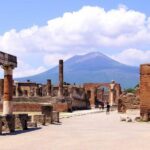
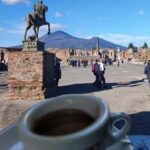
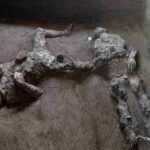
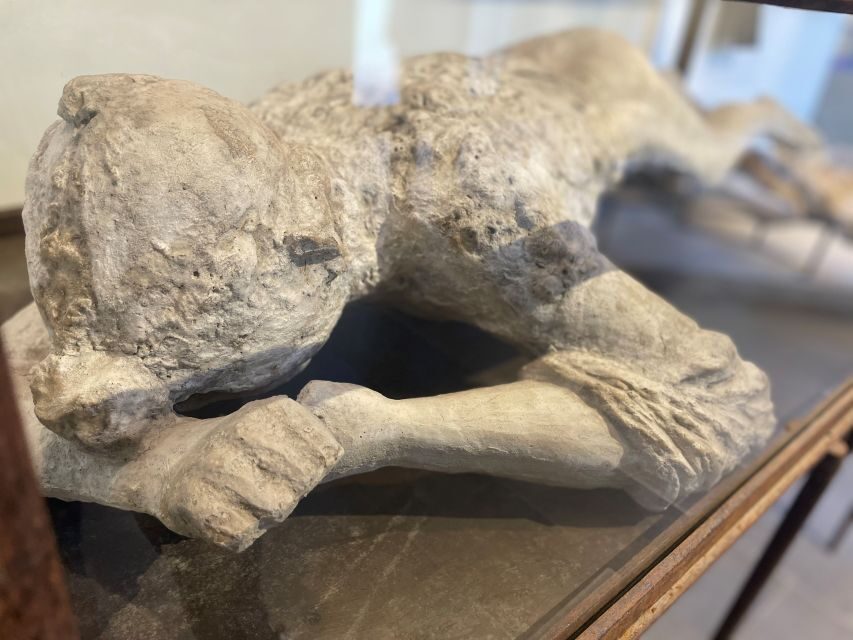
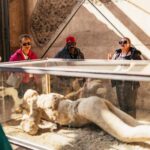
Two other stops are especially memorable in this tour style. First, you visit the public baths and then the famous Lupanare area. Second, you reach the Forum with public buildings and plaster casts of victims. That Forum stop changes the mood, because it brings the disaster into focus in a very direct, human way.
Practical note: Pompeii can be crowded, especially in peak season. The small-group format (up to 10) helps you move through tighter spaces without getting swallowed by the biggest tour waves.
The lunch break that keeps the day from burning out
In the middle of the day, you get a lunch break. You also get free time for lunch, which is a big deal because Pompeii plus transfer plus Herculaneum can easily become exhausting if you don’t plan eating.
A handy tip: the Ristorante Suisse right by the start point is a good option for a meal around the tour time. People mention it’s reliable for both breakfast and lunch, so you’re not scrambling for food far from where you begin.
And because you’re outdoors, treat hydration as part of the plan. The tour instructions specifically recommend water and a hat. On warm days, I’d add one more thing: take small pauses and don’t try to power through every minute. The sites will still be there for your next stop.
The train hop between sites: keeping the schedule realistic
After Pompeii, you move to Herculaneum by train. The timing is about 20 minutes by train in the overview, and the itinerary lists around 30 minutes for the transfer window—either way, it’s short enough that you stay in “one-day mode.”
This kind of transfer is what makes the pairing work. You’re not just transporting yourself—you’re also resetting your brain so Herculaneum lands as something distinct, not as a rushed extension of Pompeii.
One nice thing: people reported Benedetto helping with logistics and even taxi arrangements when circumstances got messy (like a rail disruption). You can’t count on every day being smooth, but you can count on him being proactive.
Herculaneum: the quiet side of the tragedy (and why it looks different)
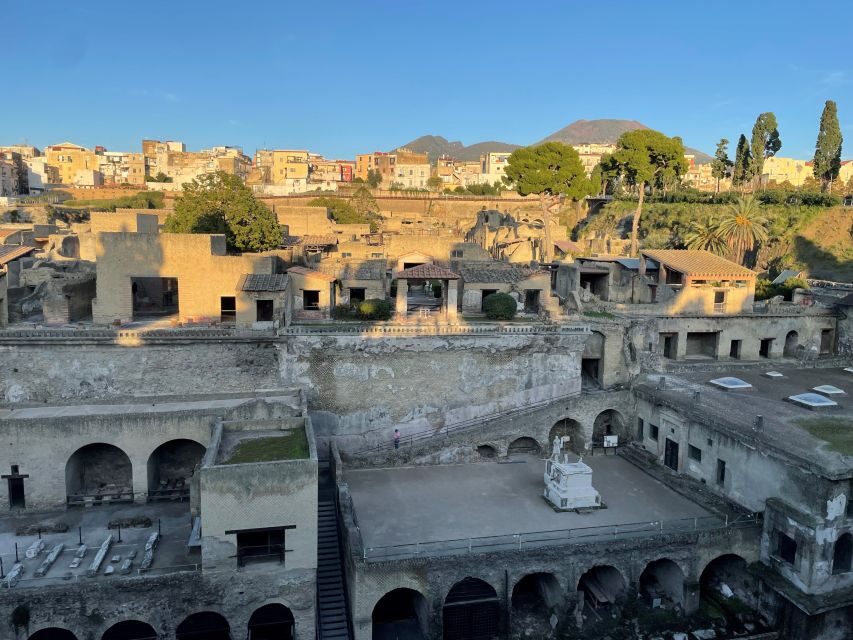
Herculaneum is where the tour really earns its comparison lesson. The tone shifts because the site feels more compact and—by design—more readable.
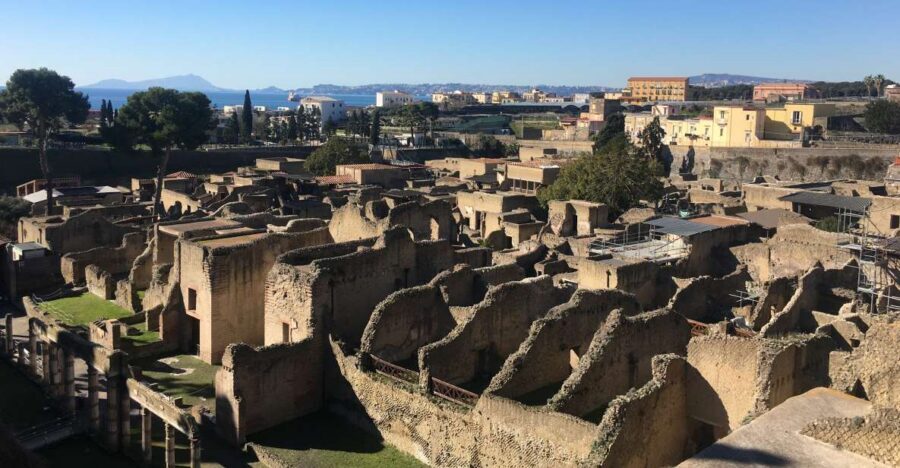
You’ll spend about 1.5 hours guided through Herculaneum’s key remains. The core experience here is the way objects survived. Where Pompeii often shows you architecture and city layout, Herculaneum gives you an unusually detailed glimpse into decoration and household life.
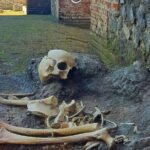
You’ll see splendid residences with unique decorations: frescoes, marbles, mosaics, and jewelry. You also get exposed to the most unforgettable part of the evidence—the skeletons—and you’ll notice exceptionally well-preserved wood. That last point matters because it changes how you picture the city: it’s not only stone, but the material world that people used every day.
Another perk is crowd levels. Multiple people specifically said Herculaneum felt less crowded than Pompeii, which makes sense for pacing. If you hate battling tour groups, this is one reason the itinerary works so well.
What Benedetto adds: archaeologist rigor with real-world storytelling
Benedetto isn’t just a guide who points at things. The best feedback on this tour centers on how he explains the archaeology with strong context and a sense of humor.
A few themes show up again and again:
- He’s described as having a doctorate in archaeology, and people felt that this academic grounding shows up in the answers he gives.
- He’s interactive. You’re not stuck in a one-way talk. You can ask questions, and he adjusts as your interests come up.
- He’s organized and chooses routes that reduce crowd friction, including side paths people might miss on larger group tours.
- He keeps the day feeling like a coherent story: Pompeii first for the city layout and everyday spaces, then Herculaneum for preservation and “what survived.”
Also, he’s apparently good with families. One review specifically called out his ability to make Pompeii accessible for a 10-year-old, which suggests he knows how to translate the material without dumbing it down.
What you’ll see (and what to look for) so photos feel purposeful
Because the tour is structured, you don’t just take random snapshots. You know what to hunt for: frescoes, mosaics, marble details, and the places where human remains appear as part of the site’s interpretation.
If you bring a camera or phone, you’ll have a better experience if you pay attention to three categories:
1) Domestic decoration: Look at the colors and the patterns on walls and floors, especially where homes show wealth or style.
2) Public routine: Baths and the Forum are great for understanding how people organized daily life.
3) Evidence of the eruption: Plaster casts in Pompeii and the skeleton evidence in Herculaneum help you connect AD 79 to real people.
Even if you’re not a photo fanatic, that “what to look for” mindset makes the walking more satisfying, because you’re not just passing ruins—you’re interpreting them.
Price and what’s included: where the $141.61 goes
The price is $141.61 per person, and the value is best understood by what you don’t have to handle.
Included items:
- An archaeologist guide (Benedetto Tourist Guide)
- Entry tickets
- Headsets for groups larger than 8
- A lunch break with free time for lunch
- Ticket line help via skip-the-ticket-line
Not included:
- Transportation (the train transfer is part of the day, but you’re still responsible for your own movement costs unless the provider tells you otherwise)
- Food and drink
So you’re paying for two things: expertise and time savings. In a place like Pompeii, where the site is massive and easy to misunderstand, a guide who knows where to take you and how to explain what you’re seeing is often worth more than you expect.
With a small group, you also reduce the “tour math” that usually inflates costs—less crowd waiting, less rushing, more time spent looking at the right spots.
What to bring (and the one big logistics detail people forget)
Plan like an outdoor day. The tour instructions call for:
- Passport or ID card (original)
- Comfortable shoes
- Hat
- Water
There’s also a key admin detail that can trip people up: in Pompeii, the ticket is named. After booking, you need to provide the list with first and last names of all participants. And on the day, don’t forget the passport or ID card in original.
If you’re traveling with more than one person, double-check that the names on the booking match exactly what each person carries. It’s not dramatic until it is.
Who this tour is for (and who should skip it)
This tour is designed for families, and it can work well for photography lovers and archaeology fans. The small group helps it feel personal, and Benedetto’s humor and storytelling makes the material more approachable.
It’s not a match if you have mobility impairments or use a wheelchair. The ruins involve walking on old surfaces, and the tour is not designed around wheelchair access.
If you’re visiting in spring, summer, or shoulder season, keep your expectations realistic. One review even suggested spring is nicer than peak summer for comfort. Either way, your hat and water aren’t optional.
Should you book this Pompeii and Herculaneum archaeologist tour?
If your goal is to understand Roman daily life and the eruption of Vesuvius without spending half your day figuring out where to go, I’d book it. The price feels fair for what you get—tickets included, an archaeologist-led route, headsets when needed, and the big win of seeing two different sites in one coherent day.
I’d only hesitate if you can’t handle uneven walking or have limited mobility. Otherwise, this is a strong choice—especially if you want the “human story” angle, not just a list of monuments.
FAQ
How long is the Pompeii and Herculaneum guided tour?
The tour lasts about 5 hours. You’ll want to check availability to see specific starting times.
Where does the tour start and end?
It starts at the Suisse Restaurant meeting point with a sign showing your name, and it ends back at the Archaeological Park of Herculaneum.
Are entry tickets included?
Yes. Entry tickets for the archaeological sites are included.
Do I get a headset during the tour?
Headsets are included if your group is larger than 8.
Is transportation included?
Transportation is not included. The itinerary includes a train transfer between Pompeii and Herculaneum, but you should plan for your own transport arrangements and costs as needed.
What’s the group size like?
It’s a small group, up to 10 people, with private or small-group options available.
What languages is the live tour guide available in?
The live guide is available in English, Italian, and French.
What should I bring?
Bring a passport or ID card (original), comfortable shoes, a hat, and water.
Is the tour suitable for wheelchair users or limited mobility?
No. It’s listed as not suitable for people with mobility impairments and not suitable for wheelchair users.
Is Pompeii ticket information tied to names?
Yes. In Pompeii, the ticket is named, and you must provide the first and last name list of all participants after booking.
Is free cancellation available?
Yes. Free cancellation is available up to 24 hours in advance for a full refund.