REVIEW · POMPEI CAMPANIA
Pompeii: Skip-the-Line Ticket with Audio Guide and Map
Book on GetYourGuide →Operated by VISITING CAMPANIA S.R.L. · Bookable on GetYourGuide
Pompeii is one of those places that can either click fast or feel chaotic. This skip-the-line ticket works because it lets you explore at your own tempo, while the audio guide and updated map help you connect the dots across a huge, busy site. I especially like how easy it is to run your own schedule, instead of being marched past things you’re still trying to understand.
Two big wins for me: the audio guide format is straightforward to use, and the map makes it easier to target the main sights instead of wandering in circles. One caution: the site is famously warm and spread out, and some visitors find the signage and map details a bit unclear, so you’ll want to come prepared with water and comfortable shoes.
In This Review
- Key Points Before You Go
- Skip-the-Line Entry at Pompeii’s Busy Gates
- Audio Guide and Updated Map: How You Get Oriented
- A Self-Paced Day Through Pompeii’s Main Sights
- Frescoed Houses (Domus): Life on the Inside
- Spas and Temples: The City’s Public Rhythm
- Shops and Thermopolis: Street-Level Everyday Life
- Theaters and Brothels: Entertainment and Taboo
- Casts of the Victims: Where the Site Hits Hard
- One of the Best-Preserved Roman Amphitheaters
- How to Plan Your Route Across 66 Hectares
- What “Easy and No Stress” Really Means at Pompeii
- Price and Value: Is $44 a Fair Deal?
- What to Bring (and What to Skip) for a Comfortable Visit
- Who This Ticket Fits Best (and Who Might Want Another Style)
- Should You Book This Pompeii Skip-the-Line Ticket?
- FAQ
- How long is the Pompeii visit with this ticket?
- Do I get skip-the-line access?
- What’s included with the ticket?
- Which languages are available for the audio guide?
- Is food included?
- What should I bring for the visit?
- Are large bags allowed inside Pompeii with this ticket?
- Is this experience suitable for people with mobility impairments?
- What languages are supported by the host or greeter?
- Is cancellation and payment flexibility available?
Key Points Before You Go
- Skip-the-line entry helps reduce early-day stress at a high-demand site
- Audio guide across multiple languages (including English and several others) keeps you moving at your pace
- Updated map supports self-guided navigation, even if it can feel a little complex
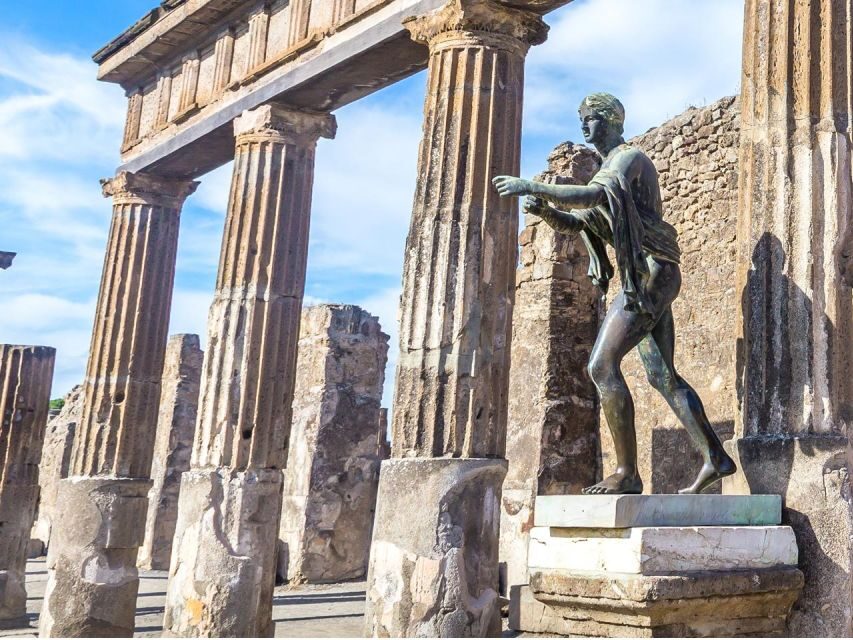
- A full Pompeii “greatest hits” route covers houses, spas, temples, shops, theaters, and more
- No food included, so plan for breaks on your own
Skip-the-Line Entry at Pompeii’s Busy Gates
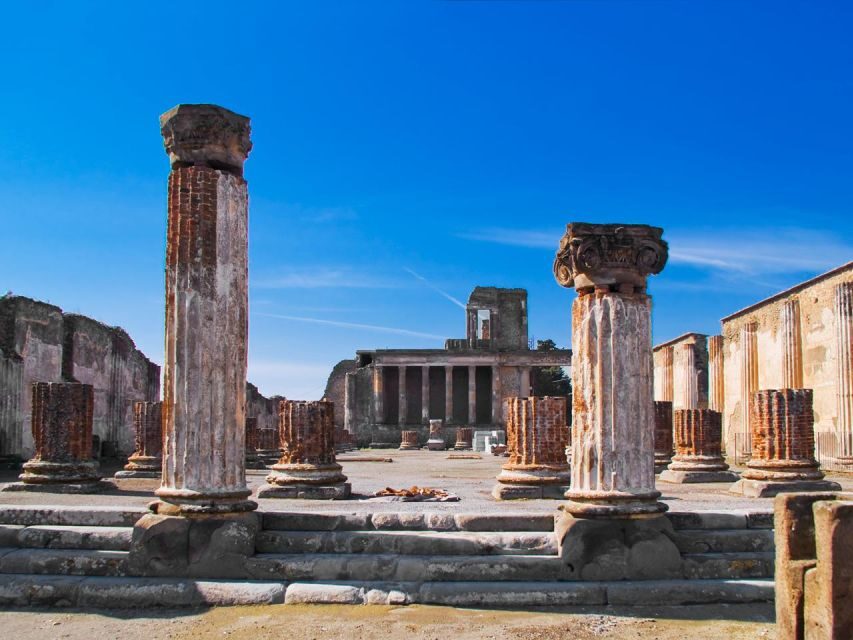
Pompeii draws around 3 million visitors a year, and it shows. Even if you arrive with high motivation, the lines at popular archaeological sites can steal your best hours. This ticket’s main practical promise is simple: skip the ticket line so you can start walking sooner.
That matters because Pompeii isn’t small. The ancient city covers about 66 hectares, which means you’re not just visiting a couple ruins—you’re touring an entire urban world. When you give yourself a head start, you’re more likely to actually see the highlights without feeling like you’re racing the map.
I also like the “no pressure” character of a timed, self-paced format. You’re not forced to keep up with a group rhythm. If you want to pause for a view, or linger somewhere emotionally heavy—like the plaster casts of victims of the eruption—you can. That flexibility is a big part of the value.
One more thing: start times exist, so you’ll want to choose a time that fits your day. On-site conditions can vary depending on when you arrive, and Pompeii gets hot, so timing can make or break your comfort.
You can also read our reviews of more tours and experiences in Pompei Campania

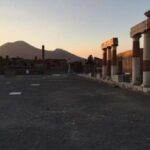
Audio Guide and Updated Map: How You Get Oriented
The audio guide is the heart of this experience. It covers Pompeii’s big themes and the major stops, and it’s available in several languages, including English, Chinese, French, Italian, German, Hebrew, Russian, Spanish, and Portuguese. That’s helpful if you’re traveling with friends or family who want their own language lane.
What makes this set-up work for real life is pacing. Pompeii doesn’t offer many modern “handholding” moments once you’re inside. With an audio guide, you don’t have to stop every 10 steps to figure out what you’re looking at. The guide gives you context so the architecture and daily-life scenes start to make sense.
The map is also useful because it supports planning, not just sightseeing. Pompeii is easy to get lost in, not because it’s confusing in a dramatic way, but because it’s large and made of many separate areas. A map helps you move logically: see one cluster of sights, then move to the next, instead of randomly backtracking.
Still, there’s a real-world caution. Some people find the map a bit complicated, and a few mentioned that some items shown on the map aren’t covered in the audio guide. So treat the map like a navigation aid, not a promise that every marked spot will have matching audio content.
If you’re the kind of traveler who likes to know what you’re walking through before you get there, you’ll love the pairing of audio plus map. If you’re more “wandering is the whole point,” you can still use it, but you’ll want to keep expectations flexible.
A Self-Paced Day Through Pompeii’s Main Sights

This ticket is designed for an all-in day, roughly one day in duration. In practice, that means you can build your own route and hit a lot of ground without being tied to a group tour pace.
Here’s what you should expect to see as you work through Pompeii’s highlight areas.
Frescoed Houses (Domus): Life on the Inside
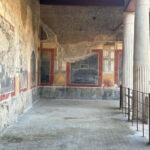
Pompeii’s domus (grand houses) are where you start to feel how personal the city was. You’re not just looking at stone walls; you’re seeing evidence of daily living—room layouts, decorative surfaces, and a glimpse of social status.
These are great stops when you want slower thinking. If you like architectural clues (where people gathered, how rooms were organized), you’ll get more out of these houses with the audio guide turned on. Without audio, it can be easy to see “pretty ruins” and miss the human story.
Spas and Temples: The City’s Public Rhythm
Pompeii also includes major public spaces, especially spas and temples. These parts help you understand that the city wasn’t just residential. It had routines, worship spaces, and places for relaxation and social life.
Audio guidance helps here because the ruins can look similar at a distance. You’ll appreciate the context on what each space was used for and how it fits the broader Roman city layout. If you tend to get bored by “big empty rooms,” focus on how these spaces functioned, and the day tends to feel more alive.
You can also read our reviews of more guided tours in Pompei Campania


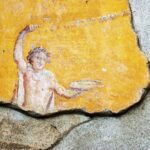

Shops and Thermopolis: Street-Level Everyday Life
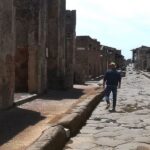
One of the most fun areas—especially if you like history that feels practical—is the shops and thermopolis (the Roman version of quick food and drinks). Seeing those spaces with the right context changes the mood. You start imagining merchants, customers, and snack breaks.
The audio guide’s role is key here. Pompeii is physical, but daily life needs explanation. With the guide, you’re more likely to catch what the layout suggests about service and flow.
Theaters and Brothels: Entertainment and Taboo
Pompeii doesn’t shy away from the full spectrum of Roman society. You can see theaters and brothels among the included highlights. That mix is part of what makes Pompeii feel like a real city rather than a museum display.
If you’re visiting with teens or family, this is where the audio guide can earn its keep. It helps you stay thoughtful without turning your visit into awkward guessing. You’ll also avoid staring at a ruin and thinking, what am I looking at here exactly?
Casts of the Victims: Where the Site Hits Hard
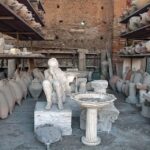
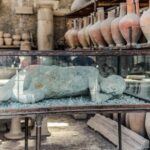
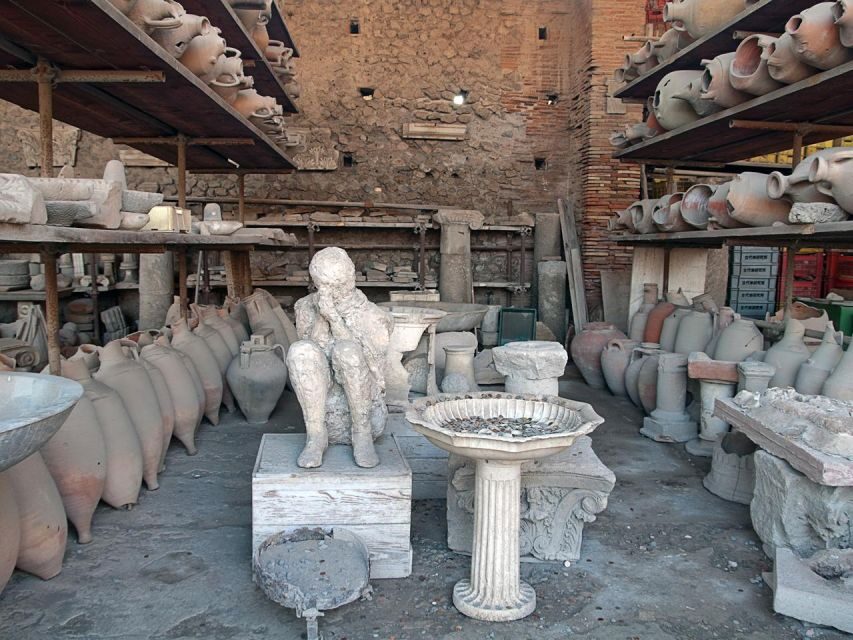
Any Pompeii visit eventually reaches the plaster casts of victims. It’s one of the most emotionally direct parts of the whole experience, because it turns a historical event into human scale.
I like that a self-paced format gives you control over how long you stay here. Some people want quiet time; others want to keep moving so they don’t get stuck in the heaviness. Either way, the audio guide gives context so you understand what you’re seeing.
One of the Best-Preserved Roman Amphitheaters
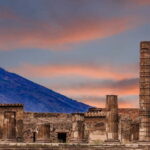
Pompeii includes one of the best-preserved Roman amphitheaters, and it’s a standout for a simple reason: it’s legible. You can picture how it worked, how people sat, and why it mattered.
If you love viewpoints and big geometry, this amphitheater stop usually lands well. It also gives you a natural “reset moment” in the day, after the more intimate houses and public buildings.
How to Plan Your Route Across 66 Hectares

A self-guided ticket is great, but it only works if you plan a little. Pompeii is large enough that your route choices matter more than you think.
I recommend treating the day like this:
- Pick a set of “must-see” areas first (houses, public spaces, amphitheater, and the casts)
- Then add one or two optional areas based on energy and shade
- Build in short breaks, not long ones
Why this works: with an audio guide, the stops don’t just become a checklist. They become a story you’re following. And story needs order. If you jump randomly between far-apart areas, you’ll lose the flow and spend time moving without context.
Also, Pompeii’s heat affects pacing. The site can be warm, and it’s smart to plan for slower movement later in the day. One review advice that’s worth repeating: bring enough water. This is not the place to test your “I can tough it out” attitude.
Finally, remember that some people find the map complicated. If you feel that way, don’t panic. The audio guide and map are there to help you correct course without spiraling into confusion.
What “Easy and No Stress” Really Means at Pompeii
The promise of an easy, no-stress visit isn’t about eliminating walking. Pompeii still involves a lot of ground. It’s about reducing friction so you can focus on the ruins.
Here’s the friction this ticket helps with:
- Less waiting at entry, so you start earlier and stay calmer
- Audio context, so you don’t need to hunt for meaning at each stop
- Map support, so you have a framework for where to go next
In one easy-to-understand way, I like this format because it matches how people actually travel. You don’t have to pretend you love every second of a fixed schedule. If you want to linger on frescoed houses or spend extra time near the casts, you can.
The flip side is that self-guided doesn’t automatically mean friction-free. Some visitors noted unclear signing and map difficulty. Others pointed out that some map items don’t line up with audio guide coverage.
So my practical take: treat it like a guided help system for your day, not a full tour with a live expert. If you want a talk-along experience, you might feel the gap. If you want control with support, you’re in the right lane.
Price and Value: Is $44 a Fair Deal?

At about $44 per person, this ticket sits in a reasonable “big-name site” category. The value comes from the combination:
- Pompeii entrance included
- Audio guide included
- Updated map included
- Skip-the-line entry
You’re paying for time and organization. In a place with heavy crowds and a large footprint, saving time at entry can be a big deal. And the audio guide plus map reduces the risk of spending hours looking at ruins without understanding what matters.
You do need to factor in food. Nothing is included for meals or drinks. That isn’t a dealbreaker, but it means you should plan for breaks and budget for snacks or a proper lunch. Pompeii is warm, and it’s easier to stay in your rhythm if you’re not constantly hunting for a place to eat.
If you’re traveling solo or with a small group who wants freedom, I’d call this a strong value. You’re not paying for a live guide, and you’re still getting structured support through the audio and map.
What to Bring (and What to Skip) for a Comfortable Visit
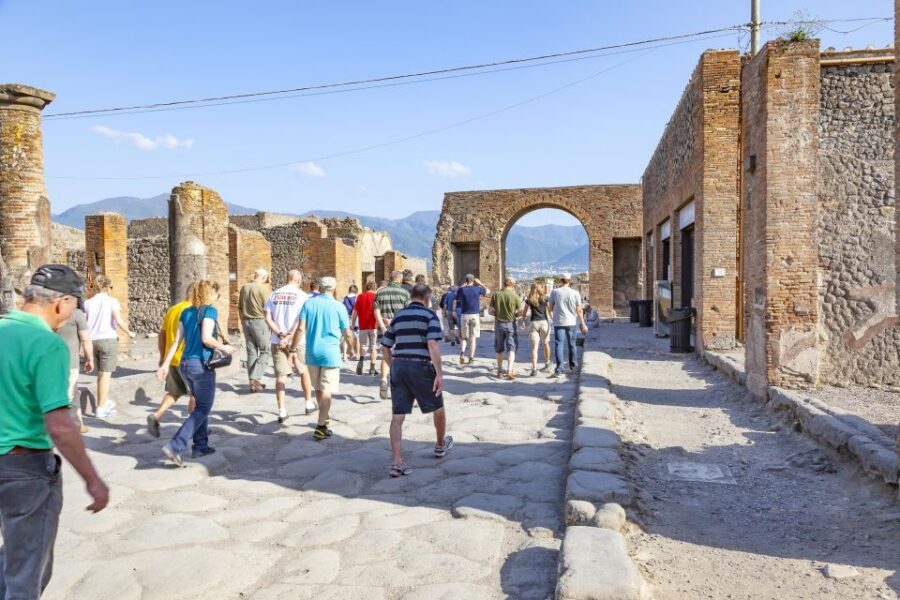
Pompeii is active walking, sun exposure, and lots of stopping to look closely. Based on the practical advice provided, here’s what you should pack:
- Comfortable shoes
- Hat
- Sunscreen
- Water
Water is the big one. You’ll thank yourself if you’re visiting in warmer months or if your route keeps you outside for longer.
Also note what’s not allowed: luggage or large bags. If you’re trying to travel light, this is easier. If you’re coming from a hotel and carrying a big day bag, it’s worth planning so you don’t get stuck trying to manage it while you want to start walking.
And one more physical reality: it’s not suitable for people with mobility impairments, so if that’s a concern for you or someone in your group, you’ll need a different approach.
Who This Ticket Fits Best (and Who Might Want Another Style)

This Pompeii ticket is a great match if:
- You want to explore at your own pace
- You like having explanations without committing to a live guide schedule
- You enjoy building a route based on your interests (houses, public life, entertainment, and the casts)
A few reviews also make the point that this format works well for people who want their own timetable. One person planned their visit from 10:00 to 17:00 and called it productive, which lines up with what you can realistically do in a self-guided structure.
This might be less ideal if:
- You want a live expert walking you through every stop
- You strongly rely on clear on-site signage and worry about map complexity
- Your group expects every map point to have matching audio content
If you’re traveling with friends who disagree on pacing, self-guided can be a surprisingly good peace treaty. Everyone can slow down or speed up while still following the same core highlights.
Should You Book This Pompeii Skip-the-Line Ticket?
Book it if you want a free-to-move Pompeii day with built-in context. The skip-the-line entry plus audio guide and map is exactly what helps you spend time where it counts: frescoed domus, spas, temples, shops, thermopolis, theaters, brothels, the victim casts, and the amphitheater.
Skip it (or consider a different tour style) if you feel you need a person to explain everything in real time, or if you’re worried that map and signage complexity will slow you down.
My call: for most independent travelers, this is a smart way to do Pompeii. You get structure without losing control.
FAQ
How long is the Pompeii visit with this ticket?
The ticket is valid for one day.
Do I get skip-the-line access?
Yes, it’s a skip-the-line ticket.
What’s included with the ticket?
You get the Pompeii entrance ticket, an audio guide, and an updated map.
Which languages are available for the audio guide?
The audio guide is available in English, Chinese, French, Italian, German, Hebrew, Russian, Spanish, and Portuguese.
Is food included?
No. Food and drinks are not included.
What should I bring for the visit?
Bring comfortable shoes, a hat, sunscreen, and water.
Are large bags allowed inside Pompeii with this ticket?
No. Luggage or large bags are not allowed.
Is this experience suitable for people with mobility impairments?
No, it’s not suitable for people with mobility impairments.
What languages are supported by the host or greeter?
The host or greeter is available in English, Spanish, French, and Italian.
Is cancellation and payment flexibility available?
Free cancellation is available up to 24 hours in advance for a full refund, and there is a reserve now & pay later option.