REVIEW · POMPEI CAMPANIA
Pompeii: Skip-the-Line Ticket with Audio Guide and Map
Book on GetYourGuide →Operated by Around Vesuvio · Bookable on GetYourGuide
Pompeii hits different when you can wander. This skip-the-line ticket gets you into the site during the 9:00 am to 3:00 pm window, then lets you explore at your own pace with an audio guide and an updated map. I especially like the freedom to linger over the big set pieces, like the amphitheater and the casts of the eruption victims, without feeling rushed. The frescoed streets and everyday spots like shops and a thermopolis make the city feel real, not just ruined. The main drawback to plan around is that the audio setup can be technical—bring a valid ID for the audioguide, and don’t rely on fast internet in the park.
You meet the team outside the office next to Pasticceria De Vivo, and they’re usually wearing blue and yellow jackets. The audio guide is available in multiple languages, including English, Italian, French, German, Hebrew, Russian, Chinese, Portuguese, and Spanish, so you can match the narration to your comfort level. If you go earlier in the day, you’re more likely to find calmer viewing time for the places people rush through.
In This Review
- Key Points I’d Bookmark Before You Go
- Ticket Timing: Enter Pompeii Anytime from 9:00 to 15:00
- Meeting by Pasticceria De Vivo: Where to Start and What to Bring
- Skip-the-Line Access: How It Changes Your Day
- Audio Guide + Updated Map: The Best Way to Make Sense of Ruins
- A One-Day Plan That Actually Works: Pick Your Priorities
- Amphitheater Time: One of Pompeii’s Best-Preserved Wonders
- Victims Casts: Where the Eruption Becomes Personal
- Frescoed Houses and Spas: See the City’s Private Side
- Temples, Theaters, Brothels, and a Thermopolis: Everyday Pompeii in Plain Sight
- Shops, Streets, and the Feel of “Millenary” Time
- Who This Ticket Fits Best (And Who Might Skip It)
- Should You Book This Pompeii Skip-the-Line Ticket?
- FAQ
- What time can I enter Pompeii with this ticket?
- How long is the experience?
- What’s included in the ticket?
- Where do I meet the team?
- Do I need an ID for the audioguide?
- What language options are available for the audio guide?
- Is free cancellation available?
Key Points I’d Bookmark Before You Go
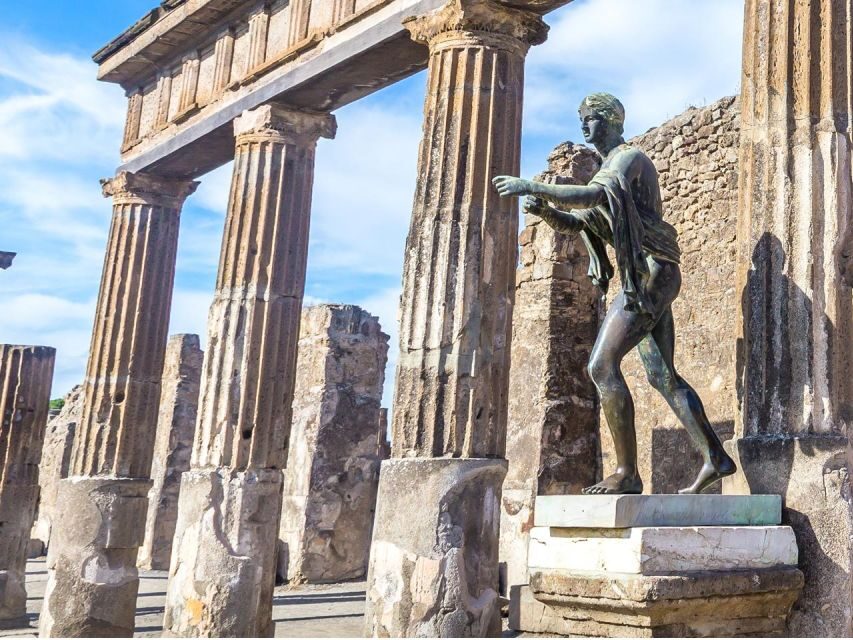
- Skip-the-line access during a clear 9:00 am to 3:00 pm entry window
- Self-paced touring with an audio guide and an updated map you can actually use
- Top stops to make time for, including the amphitheater and the casts of the victims
- Everyday Pompeii details, from frescoed houses and spas to shops and a thermopolis
- Tech and timing watch-out: valid ID is required for the audioguide, and connectivity can be spotty
- Language coverage is broad, so you’re not stuck with a single narration option
Ticket Timing: Enter Pompeii Anytime from 9:00 to 15:00
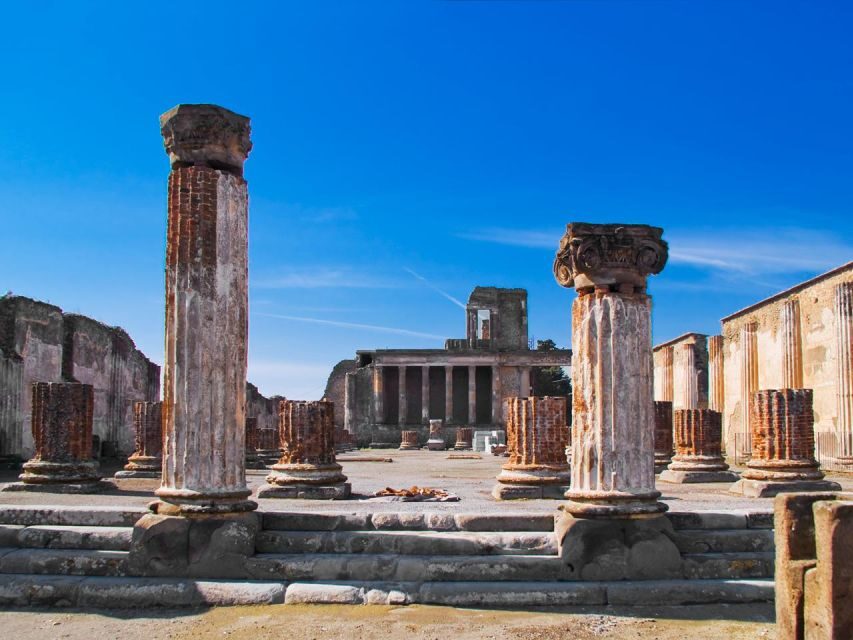
This is a 1-day ticket, but it’s not a single fixed tour time. You can enter Pompeii whenever you want within the 9:00 am–3:00 pm window, which is great when you’re traveling with real-life constraints like late trains or you just like mornings. It also means you can choose your pace: fast sprint through the highlights or slower walk with more stops.
My practical advice: aim to start earlier rather than later if you can. One review highlighted that a morning visit helped them take their time because the site felt less crowded. You’ll still be walking a lot either way, but the difference in breathing room is noticeable.
You can also read our reviews of more tours and experiences in Pompei Campania


Meeting by Pasticceria De Vivo: Where to Start and What to Bring
You’ll meet the team outside their office right next to Pasticceria De Vivo. The staff are usually in blue and yellow jackets, so they’re hard to miss once you’re in the right spot.
Bring comfortable shoes and comfortable clothes, because Pompeii is built for foot traffic and includes uneven stone and lots of walking. Also, plan to travel light: oversize luggage and large bags aren’t allowed, so bring a daypack you can manage easily.
And here’s the key “don’t forget” item: you need a valid ID document to rent the audioguide. That’s not a nice-to-have. Without it, you may not get the audio setup you paid for.
Skip-the-Line Access: How It Changes Your Day

Skip-the-line is exactly what it sounds like, and for Pompeii it matters more than you might expect. The site is popular, and the entrance flow can waste a lot of your limited time. With the skip-the-line ticket, you spend that time in the streets and buildings instead of standing in a queue.
Because this is self-paced, the ticket doesn’t force you into one rigid route. You can start where you want, slow down where you’re interested, and skip what you don’t care about. For many people, that flexibility is the real value—especially if you want to spend extra minutes in the most striking areas, like the amphitheater and the victim casts.
Audio Guide + Updated Map: The Best Way to Make Sense of Ruins

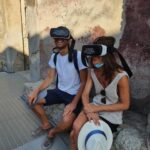
The audio guide is included, with language options such as English, Italian, and French. It’s designed to help you connect what you’re seeing to what happened here, including the city’s history and the eruption of Mount Vesuvius.
I like that the map is called out as updated. Pompeii can feel like a maze if you’re just wandering without context, so having a guide you can reference reduces the chance of “I think we’re going the wrong way” stress.
One practical note from real-world experience: internet connectivity in Pompeii can be unpredictable. If your audioguide process depends on downloading anything, don’t count on a smooth connection. Have everything you need ready before you rely on the network. Also, one reviewer found that the audioguide pickup/drop-off area involved about a 20-minute walk from the train station, so if you’re arriving by rail, build in extra time to get to the meeting point calmly.
A One-Day Plan That Actually Works: Pick Your Priorities

You can cover a lot in a day, but Pompeii rewards focus. Instead of trying to “see everything,” I’d plan around the places the ticket highlights and build your day around them. That way you get the emotional weight of key scenes and also catch the everyday city details that make the ruins feel lived-in.
Here’s how I’d think about your time budget:
- Block time for the major set-piece areas (amphitheater and the casts)
- Add time for houses and decorative spaces (frescoed homes and indoor life)
- Round it out with public and commercial Pompeii (shops, thermopolis, temples, theaters, brothels)
If you like photography, add a little extra padding around the amphitheater area and any spot with strong visuals. Pompeii can be bright and high-contrast, so you may want a few extra minutes to get angles and avoid rushing.
You can also read our reviews of more guided tours in Pompei Campania



Amphitheater Time: One of Pompeii’s Best-Preserved Wonders
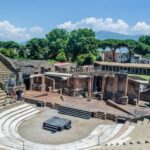
If you only remember one building, make it the amphitheater. This Roman amphitheater is described as one of the best-preserved, and that’s exactly why it’s a top stop. When you look at the seating and the shape of the space, you can start picturing how people gathered here for events.
The big advantage of going at your own pace: you can spend time thinking rather than just moving on. Read the narration as you stand in place, and then step back to see the full layout. If you’re a fan of Roman public entertainment, this is the kind of structure that turns ruins into a real setting.
Victims Casts: Where the Eruption Becomes Personal

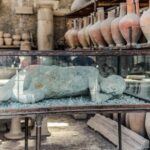
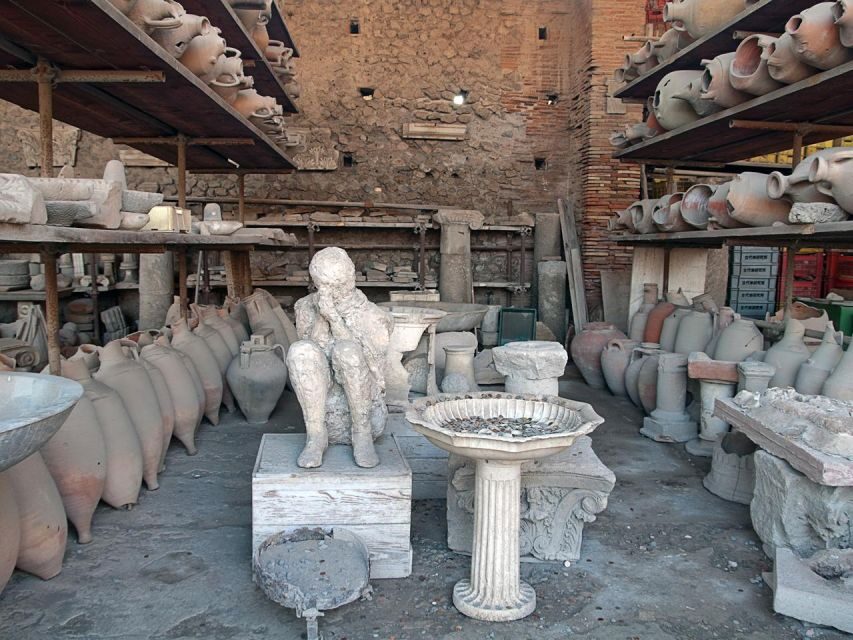
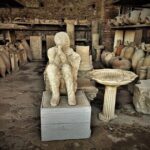
The casts of the eruption victims are another must-do. This is where the story stops being abstract and becomes human. You’re seeing remnants of lives interrupted, displayed in a way that connects the eruption of Mount Vesuvius to what actually happened to individuals in Pompeii.
For many visitors, this area is the emotional center of the day. I’d treat it like it deserves extra time rather than a quick stop. Even if you’ve read about Vesuvius before, standing with the casts changes the tone of everything else you see afterward—especially when you then look at everyday details like shops and homes.
Frescoed Houses and Spas: See the City’s Private Side
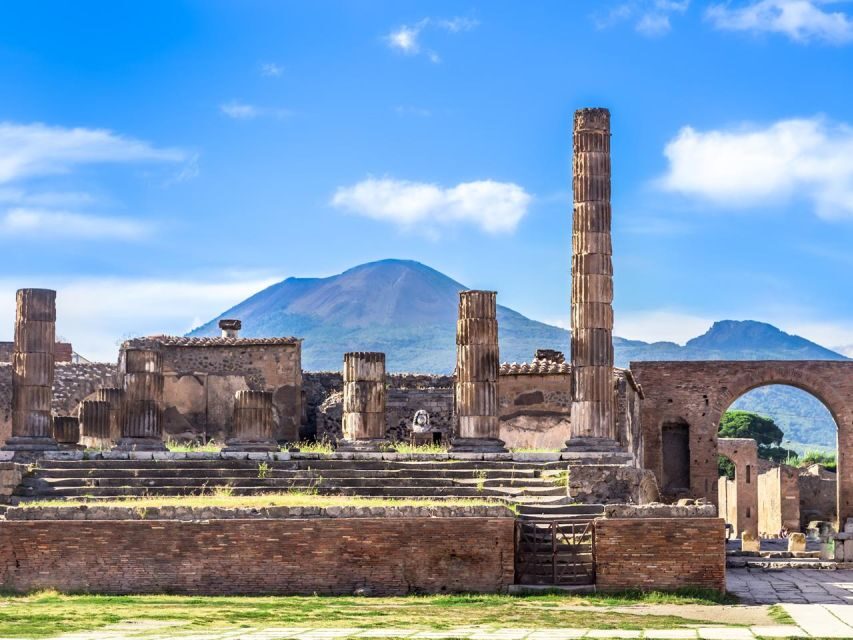
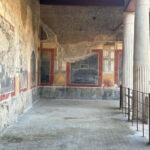
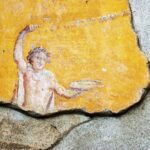
Pompeii isn’t only temples and theaters. You get a strong look at how people lived, including frescoed houses and spas. These are the parts that turn the city from a spectacle into a home.
Frescoes matter because they show taste and daily visual culture, not just architecture. And spas are valuable because they hint at routine: social time, health habits, and a public-private blur. When you pair the narration with the rooms you’re standing in, you can start to understand how “private” spaces were still connected to the social life of the city.
The downside? Houses and indoor ruins can feel similar as you move from one to another if you don’t pause. Use the audio guide and stop long enough to notice details, or you might end up with “lots of rooms” instead of “a few rooms that really stick.”
Temples, Theaters, Brothels, and a Thermopolis: Everyday Pompeii in Plain Sight

This experience doesn’t just cover the dramatic stuff. It includes places tied to daily routine and social life: temples, theaters, brothels, and a thermopolis.
A thermopolis is especially interesting because it connects to something we still recognize: quick food in a public setting. It’s basically the fast-food counter of the time, and that makes the city feel closer than you’d expect.
Theaters and temples show where people gathered for culture and religion. And brothels give a blunt look at the less polite parts of city life, which is part of why Pompeii feels honest rather than sanitized.
I’ll add one balanced caution: this section can be mentally heavy because you’re moving between entertainment, public spaces, and more sensitive themes. If you’re easily affected, take breaks and keep the emotional breaks scheduled instead of letting the route decide for you.
Shops, Streets, and the Feel of “Millenary” Time
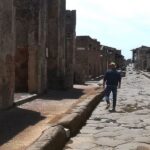
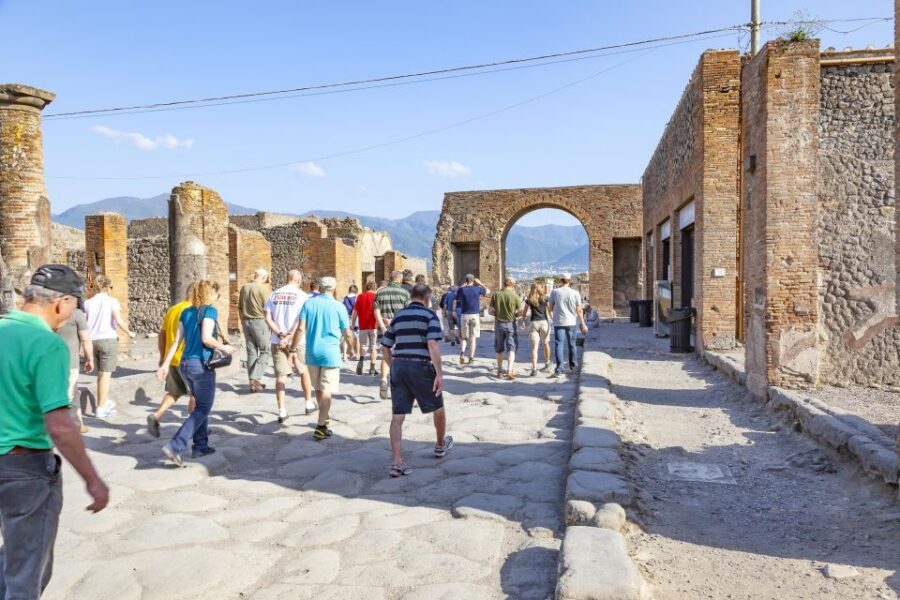
Walking Pompeii’s streets is where it all clicks. The experience is built around the idea of exploring millenary streets at your own pace, and that’s the real superpower of a self-guided day. You’re not forced into a single storyline; you build your own based on what you stop to read and look at.
Shops help the story stay grounded. Instead of only thinking in terms of monuments, you get points of commerce—what people bought, where they might have gone, and how the built environment supported daily life.
If you’re the type who likes to connect small details into a bigger picture, this part is satisfying. If you prefer big landmarks only, you might feel Pompeii is “too much stuff.” The solution is simple: pick fewer stops and give them more attention.
Who This Ticket Fits Best (And Who Might Skip It)
This is a strong fit if you want control. You’ll like it if you enjoy self-paced exploring, using maps, and learning through an audio guide while you walk. It’s also ideal if language options matter to you, since the audio guide covers many languages.
It’s not suitable for people with mobility impairments, people with heart problems, or those dealing with altitude sickness, based on the activity’s guidance. Pompeii is physically demanding, with lots of walking and uneven ground.
If you’re traveling with mixed interests—someone who wants the amphitheater and emotional highlights, and someone who wants the daily life details like houses and shops—this format can work well because you’re not stuck in a single rhythm.
Should You Book This Pompeii Skip-the-Line Ticket?
Yes, I think it’s worth booking if you value time and independence. Skip-the-line access plus an audio guide and map is a practical combo for a place where crowds and confusion can eat your day.
Book it if you’re ready to walk and you want a route built around major sights like the amphitheater and the victim casts, while still catching the everyday Pompeii details like frescoed homes, spas, temples, shops, thermopolis spots, theaters, and brothels.
Only skip it if you know you can’t handle the physical walking demands or you need a low-tech experience—because the audioguide process can be tied to having the right ID and connectivity can be unreliable.
If you’re comfortable with those conditions, this is a smart way to get the most from one unforgettable day.
FAQ
What time can I enter Pompeii with this ticket?
You can enter Pompeii any time between 9:00 am and 3:00 pm.
How long is the experience?
The experience is listed as 1 day.
What’s included in the ticket?
It includes a Pompeii skip-the-line ticket and an audio guide.
Where do I meet the team?
Meet the team outside the office exactly next to Pasticceria De Vivo. The team is usually wearing blue and yellow jackets.
Do I need an ID for the audioguide?
Yes. The activity notes that it is very important to bring a valid ID document to rent the audioguide.
What language options are available for the audio guide?
The audio guide is available in English, Italian, French, German, Hebrew, Russian, Chinese, Portuguese, and Spanish.
Is free cancellation available?
Yes. Free cancellation is available up to 24 hours in advance for a full refund.