REVIEW · AMALFI
Cooking Class on the Amalfi Coast with Tasting Included
Book on Viator →Operated by Satriano Personal Chef · Bookable on Viator
Cooking with a view beats a tour bus.
This small-group class in Praiano turns the Amalfi Coast into your kitchen, with chefs guiding you step by step while you work toward a full tasting. You’ll pick a format (full four-course menu, pesto-focused class, or fresh handmade pasta) and spend about three hours learning the rhythms behind classic Italian cooking.
I especially like that the chef takes care of the ingredients shopping and leads you through the prep to the tasting, so you’re not just watching. I also like that dietary needs are taken seriously, with gluten-free options reported as truly workable (including gluten-free gnocchi). One possible drawback: timing and getting there can be tricky on the coast, and the experience does require good weather, so plan for weather shifts.
In This Review
- Key Highlights You’ll Care About
- Praiano and the Amalfi Coast Mood: Why This Feels Different
- What You Cook: Four Courses, Pesto Variations, or Handmade Pasta
- The Real Itinerary: How a Typical 3-Hour Class Flows
- Timing and Getting There: The One Logistics Piece to Get Right
- Wine Tasting: Included, Local, and Served with Rules
- Dietary Needs: Gluten-Free Can Be Real Here
- The View Factor: Cooking With a Sea-View Backdrop
- What You Learn (Besides Recipes)
- Price and Value: Is $156.19 Worth It?
- Who This Class Suits Best
- Weather and Rescheduling: A Coast Reality Check
- Final Call: Should You Book This Cooking Class?
- FAQ
- FAQ
- Where does the cooking class start?
- How long is the cooking class?
- What language is the class offered in?
- What menu formats can I choose from?
- What’s included in the price?
- Is there a gluten-free option?
- Do you serve wine to everyone?
- Is this class limited to small groups?
- Can I request specific wine labels?
- What happens if weather is bad?
Key Highlights You’ll Care About
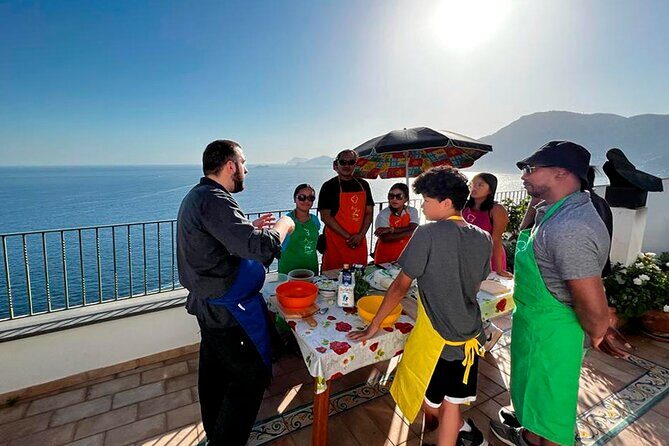
- Small group, personal coaching (maximum 10 people)
- Choose your cooking style: four-course menu, pesto variations, or handmade pasta
- Local wine tasting included alongside what you cook and eat
- Dietary accommodations available if you tell them in advance
- Praiano setting with sea-view energy from the cooking space
Praiano and the Amalfi Coast Mood: Why This Feels Different
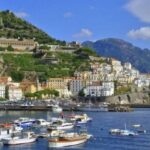
Praiano is quieter than its flashier neighbors, and that matters for a cooking class. You’re not fighting crowds to find your seat—you’re getting dropped into a local rhythm where the focus is food, people, and doing things with your hands.
The class runs from a meeting point on Via Guglielmo Marconi in Praiano, and it ends back there too. The exact location can shift depending on how many people show up, so I treat it like an afternoon plan rather than a strict stopwatch event.
You can also read our reviews of more food & drink experiences in Amalfi



What You Cook: Four Courses, Pesto Variations, or Handmade Pasta
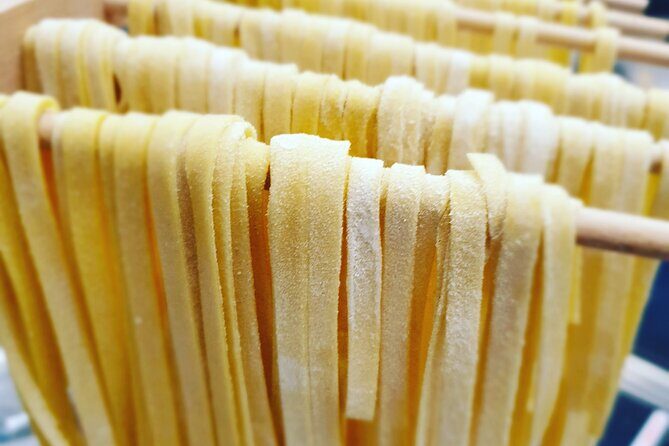
You won’t get one cookie-cutter lesson here. You can choose between different class types, and each one shapes what your three hours feels like.
Option 1: Build a full menu (four courses).
This is the best fit if you want the complete experience—appetizer, first course, second course, dessert—plus the satisfaction of cooking an actual meal.
Option 2: Pesto with local herbs.
This one is great if you want flavor logic more than plating polish. You’ll learn how local basil and herb choices change the taste, and you’ll connect the pesto to the rest of the dishes you’re making.
Option 3: Fresh handmade pasta.
If you’ve ever wanted to make pasta without guessing, this is the move. Several sessions revolve around gnocchi and pasta-making techniques, and you’ll work the dough yourself before sitting down to eat what you cooked.
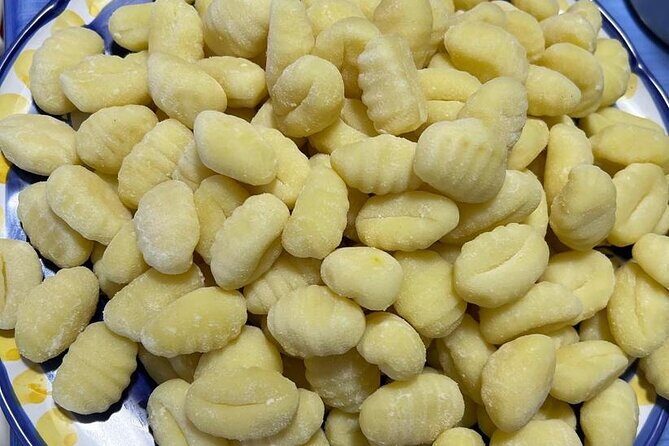
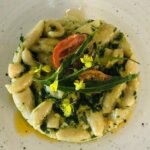
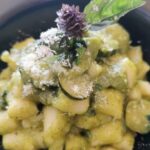
A sample “Bella Italia” menu is described as homemade potato dumplings, basil pesto, homemade bread, and then limoncello or coffee tiramisu. That mix tells you the class leans practical and seasonal—comfort food with local ingredients and a sweet finish.
The Real Itinerary: How a Typical 3-Hour Class Flows
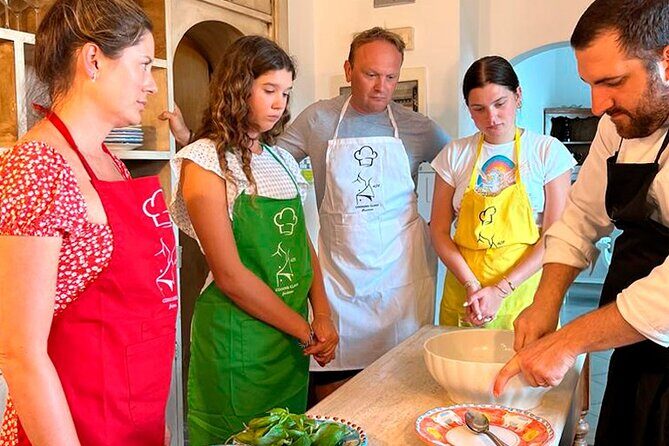
Even if your menu choice changes, the structure tends to feel similar: work, taste, learn, relax.
Step 1: Meet, get oriented, and start cooking.
You begin at the Via Guglielmo Marconi meeting point in Praiano. Then you move into the kitchen setup where you’ll handle ingredients, tools, and technique under the chef’s direction.
Step 2: Product prep is part of the lesson.
One detail I genuinely like: the chef purchases the products needed for your class and brings everything together for you. That means you’re learning how to cook with what locals actually use, not trying to translate a grocery list into Amalfi Coast reality.
Step 3: Hands-on cooking while the chef teaches.
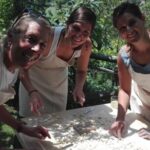
You’ll typically prep components, make elements from scratch, and build toward a shared meal. In the cooking sessions described, hosts like Chef Antonio often explain what they’re doing while keeping things fun and light. Family-team energy shows up too—names like Luca, Eliana, and Rico appear in accounts of how welcoming the experience can feel.
Step 4: Tasting your work with local wine.
Once the dishes are ready, you sit down (at least partially) and taste. Local wine tasting is included, and it’s paired to what you made, not treated like an afterthought.
Step 5: Recipe learning so you can repeat it at home.
You don’t just leave full—you leave with instructions you can follow later. People mention taking home recipes and wanting to reproduce the flavors, which is exactly what you should hope for from a class like this.
Timing and Getting There: The One Logistics Piece to Get Right
On paper, it’s three hours. In real coastal life, the travel time can be the stress test.
Praiano is reachable, but if you’re coming in from nearby hotspots like Positano, you can run into mismatches between your travel schedule and the class start. One account described painful waiting and a stressful arrival, tied to confusion about start times. My practical advice: build in slack time so you’re not arriving hungry, hot, and rushed.
Also, because the location may vary depending on the group size, keep your messaging on the day organized. The class ends back at the meeting point, so plan your return the same way: don’t treat it like a casual after-dinner stroll unless you’ve already checked timing.
Wine Tasting: Included, Local, and Served with Rules
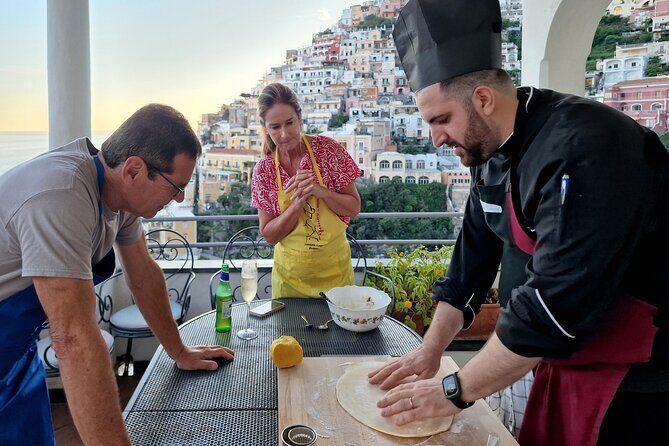
You get local wine tasting as part of the experience. And you’re not just handed a glass—you taste while you cook and eat, which helps the meal make sense as a whole.
One important rule: you must be at least 18 in Italy to be served alcoholic beverages. If you’re traveling with anyone under that age, it’s worth planning around that ahead of time.
The class also notes that requests for specific wine labels aren’t included. So if you have a favorite brand, consider this more of a local-pairing experience than a custom sommelier service.
You can also read our reviews of more cooking classes in Amalfi



Dietary Needs: Gluten-Free Can Be Real Here
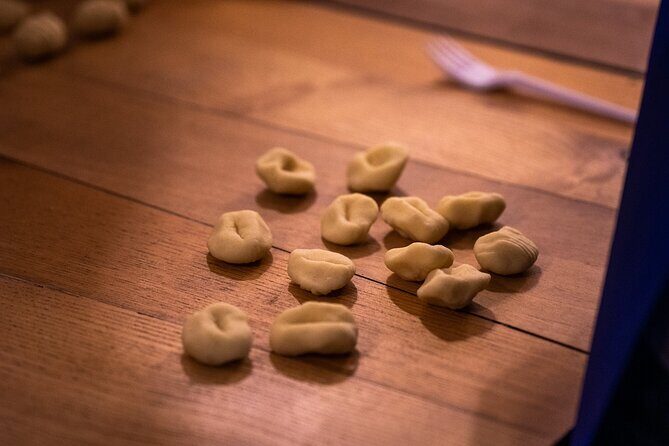
If you’re gluten-free or dealing with allergies, you’ll want to know whether a class can adapt beyond swapping pasta shapes. This one gives you a clear path: you need to communicate allergies, intolerances, or needs in advance, and the chef can modify courses or make gluten-free pasta.
Accounts include gluten-free gnocchi made with pesto and accommodations for celiac needs described as working well. Another practical detail: people report that, with the right advance request, they could eat most or all of what was prepared—except items that understandably couldn’t be made identical.
My take: if dietary needs matter, this is the sort of class where messaging your requirements early isn’t optional. It’s the difference between a frustrating compromise and a satisfying meal.
The View Factor: Cooking With a Sea-View Backdrop
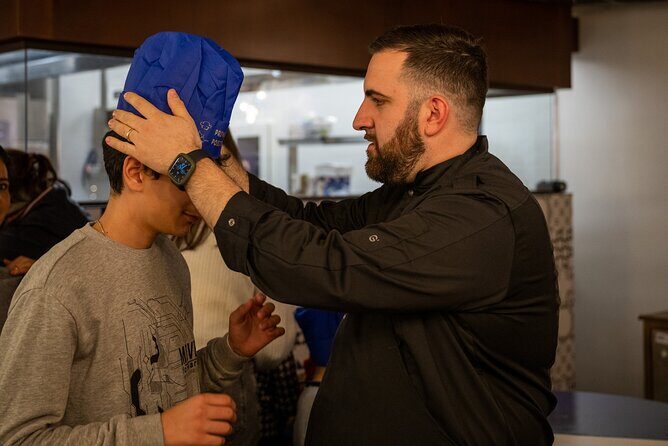
Amalfi Coast views aren’t a gimmick here—they’re part of the mood. Several accounts mention the view from the prep table and the kitchen area as a standout feature. That matters because it changes the tone of the class: you’re working, tasting, and learning without the claustrophobic feel of a standard cooking studio.
So if you care about atmosphere, I’d treat this as a half-day experience you’ll remember, not just a skill workshop. Even people who arrived skeptical tend to come away saying it’s a highlight of the day.
What You Learn (Besides Recipes)
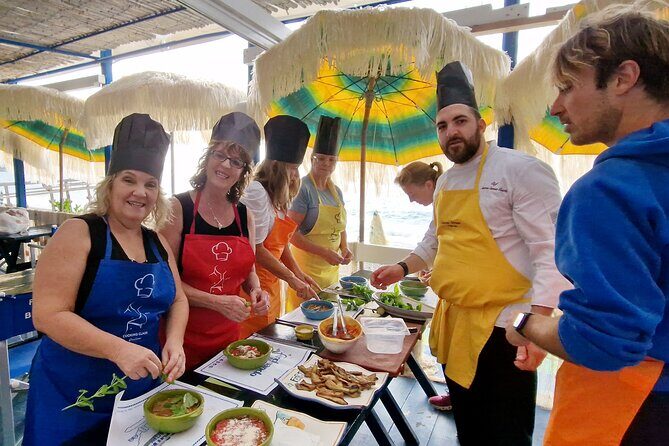
A good cooking class teaches technique, not just final dishes. The way this class is described—step by step, hands-on, with plenty of conversation—means you’re likely to learn the logic behind the food.
Here are skills you can reasonably expect to leave with, based on how menus and formats are described:
- How pasta or dumplings textures change with proper handling
- How pesto flavor depends on local herbs and the balance of ingredients
- How to build a meal so the courses feel connected, not random
- How chefs season and adjust as they go, rather than following a rigid script
And if you’re the type who likes to understand why food tastes the way it does, the conversational teaching style can be a big plus.
Price and Value: Is $156.19 Worth It?
At $156.19 per person for about three hours, this isn’t a bargain. But it can be solid value depending on what you compare it to.
You’re paying for several included pieces:
- Local wine tasting
- Tasting of what you prepared
- Recipe learning
- Product purchasing for the class
You’re also paying for a small-group experience (maximum 10 people), which usually means more hands-on time and more attention. If you’d otherwise spend a similar amount on dinner plus a paid activity with no instruction, this often feels like the better trade: you eat well and leave with skills you can use again.
Where value can slip: if you expect one universal menu every time. The class formats vary, and menu structure depends on what you choose (four-course menu vs pesto vs pasta). If you want a specific meal shape—like a full four-course dinner—pick the format that matches your expectation.
Who This Class Suits Best
This is a strong match if you want:
- A hands-on activity instead of a passive tour
- A smaller-group experience with actual instruction
- Classic Italian cooking styles like pesto and handmade pasta
- Dietary flexibility if you communicate your needs early
It can also work beautifully for couples, birthdays, or a low-key “special day” setup on the Amalfi Coast. People mention honeymoon energy and family celebrations, and the small-group size supports that kind of personal feel.
If you’re someone who hates waiting around, pay attention to travel timing. Once you arrive, the class pacing is described as fun and friendly—but arriving late creates stress fast.
Weather and Rescheduling: A Coast Reality Check
This experience requires good weather. On the Amalfi Coast, that’s not a minor detail; it’s the rule.
If weather turns, you may be offered a different date or a full refund. I recommend keeping your cooking class near the middle of your stay rather than locking it on your last day. That way, a change doesn’t wreck your whole schedule.
Final Call: Should You Book This Cooking Class?
If you want a hands-on Amalfi Coast afternoon in a smaller setting, I’d book it. The combination of wine tasting, recipe learning, and the chance to cook classics like pesto and handmade pasta in Praiano gives you a day that’s about doing, not just seeing.
Book it especially if:
- You like cooking and want technique you can repeat
- You care about dietary accommodations and will message them in advance
- You’re okay building buffer time into transport
Think twice if:
- You’re arriving with tight logistics and no slack time
- You need a very strict start time with no possibility of weather-driven change
- You’re uncertain which class format you’re choosing (four-course vs pesto vs pasta)
If you treat it like a half-day culinary plan—well-timed, well-prepped with your dietary needs—this is exactly the kind of experience that turns an Amalfi Coast trip into something you can recreate at home.
FAQ
FAQ
Where does the cooking class start?
It starts at Via Guglielmo Marconi, 45, 84010 Praiano SA, Italy, and the activity ends back at the same meeting point.
How long is the cooking class?
The experience lasts about three hours (approx.).
What language is the class offered in?
The class is offered in English.
What menu formats can I choose from?
You can choose between a four-course menu, a class focused on making different pestos with local herbs, or a class focused on making fresh handmade pasta.
What’s included in the price?
Included are local wine tasting, tasting of the prepared dishes, recipe learning, and the purchase of products.
Is there a gluten-free option?
Yes. If you have allergies or intolerances, you can request modifications, including gluten-free pasta, by letting the chef know in advance.
Do you serve wine to everyone?
Wine is part of the experience, but alcohol is not served to anyone under 18, which is the legal drinking age in Italy.
Is this class limited to small groups?
Yes. The maximum group size is 10 travelers.
Can I request specific wine labels?
No. Requests for specific wine labels are not included.
What happens if weather is bad?
This experience requires good weather. If it’s canceled due to poor weather, you’ll be offered a different date or a full refund.