REVIEW · AMALFI
Amalfi: Limoncello Factory Visit with Instructor and Tasting
Book on GetYourGuide →Operated by Antichi Sapori d'Amalfi · Bookable on GetYourGuide
Limoncello stops being just a bottle when you learn the steps inside an old limoncello factory in Amalfi’s center. I like how the visit mixes hands-on learning with a proper tasting, and the guide team (including Vittorio) makes the whole thing feel like a living craft, not a canned demo. You’ll also get the extra reward of snacks paired alongside what you’re tasting, so it stays fun the whole way through.
One thing to consider: it’s not a good fit if you need to avoid alcohol, since the session includes a tasting and practical experience. Also, the experience isn’t for everyone (for example, it’s not suitable for children under 18, lactose intolerance, or pregnancy).
In This Review
- Key Things I’d Put On Your Must-Do List
- Why This Amalfi Limoncello Factory Visit Feels More Like Craft Than Tour
- Meeting in Piazza Duomo and Getting Oriented Fast
- Inside the Only Center-City Factory: A Lesson in Amalfi’s Lemon Culture
- How Limoncello Is Made: The Steps You Can Actually Remember
- The Tasting Game: Flavors, Temperature, and What Quality Feels Like
- The Family Recipe and What It Means for Cooking at Home
- Snacks, Lemon Cake, and Why the Pairing Helps You Learn
- Price, Timing, and How to Decide if This Fits Your Trip
- Should You Book the Amalfi Limoncello Factory Visit?
- FAQ
- FAQ
- How long is the limoncello factory visit and tasting?
- Where is the meeting point?
- Is the tour guided in English?
- What’s included in the ticket price?
- Is transfer included?
- What is the group size?
- Can children join this experience?
- Is it suitable for lactose intolerance or diabetes?
- Is the booking flexible if my plans change?
Key Things I’d Put On Your Must-Do List
- The only limoncello factory in Amalfi’s center, so you’re not trekking far just to learn
- A small group capped at 7, which helps you ask questions and actually keep up with the tasting
- A guided, step-by-step process lesson, including how to judge quality and proper serving temperature
- Multiple limoncello flavors to taste, so you learn differences, not just one sip
- A family recipe focus, plus tips you can try at home (with a guide’s guidance)
Why This Amalfi Limoncello Factory Visit Feels More Like Craft Than Tour
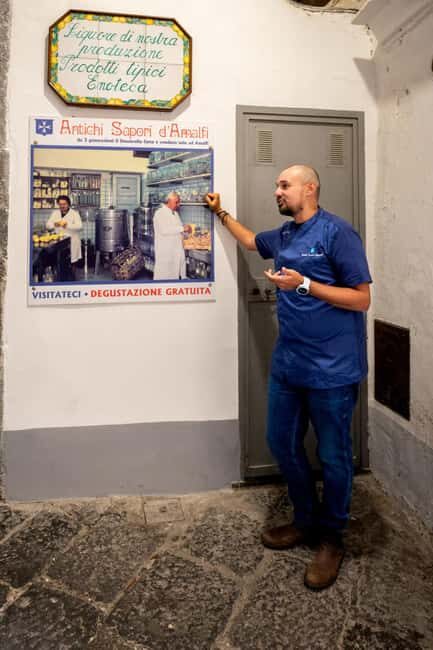
If you’ve ever had limoncello that tasted like straight sugar or alcohol heat, this is the kind of experience that fixes that. The value here is simple: you learn what goes into quality limoncello, then you taste with that in mind. That makes every sip more informative, and you start catching details that you’d miss from a bottle shop visit.
I also like that the experience treats limoncello as a real process, not a magic trick. You’ll hear how the drink is made, what alcohol is used, and how to recognize a quality product by label and by taste. That’s useful knowledge because limoncello is one of those drinks where the label can look similar, but the results can be wildly different.
Finally, the small-group feel matters. With a limit of 7 participants and an English instructor, you’re less likely to get stuck listening while the tasting happens without you.
You can also read our reviews of more food & drink experiences in Amalfi



Meeting in Piazza Duomo and Getting Oriented Fast
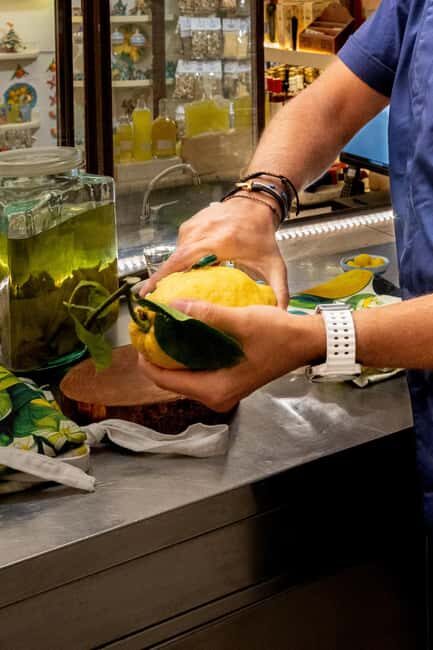
You meet your instructor in Piazza Duomo, right next to the Bistro f.lli Pansa. That’s helpful because it’s easy to find when you’re already walking around central Amalfi. After the meet-up, you’ll head to the factory in the center, which keeps things efficient. You’re not spending your whole time on transit; you’re spending it on lemons, alcohol, and the real method.
The format starts with a quick check-in. Before you jump into tasting, your instructor will test your knowledge of limoncello. It’s a light moment, but it sets the tone: you’re going to learn the why, not just follow steps.
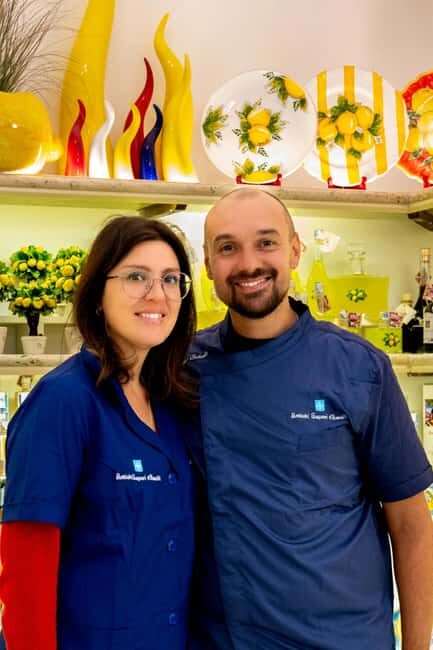
And yes, the lesson is built around a real local operation. The instructor is listed as Vittario, and multiple reviews highlight his hands-on role in production, along with the family’s involvement. That family energy shows up in how the tour is explained: expect warmth, pride, and a lot of practical talk.
Inside the Only Center-City Factory: A Lesson in Amalfi’s Lemon Culture
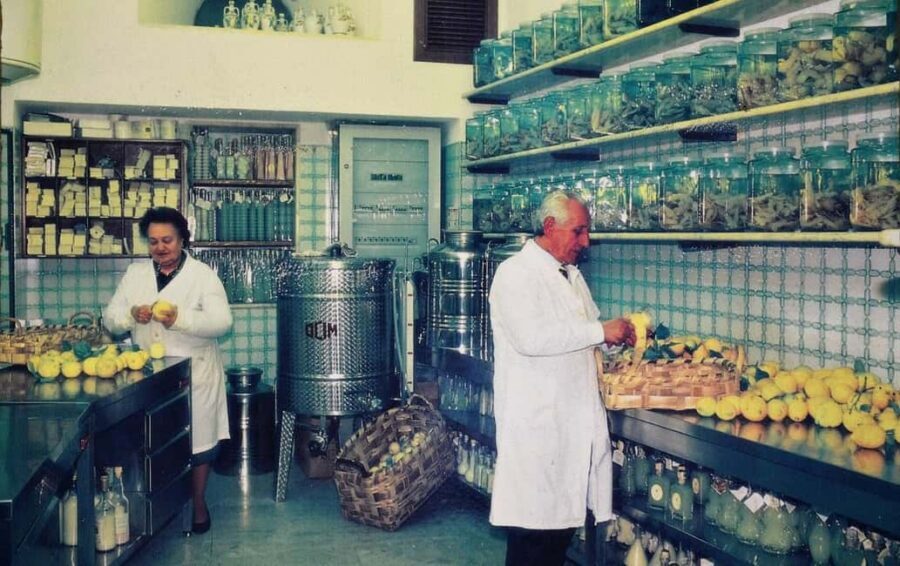
The experience takes place inside the factory, where you get to walk through the space and learn about the history of limoncello. One of the most interesting aspects is that it’s not in a modern-looking showroom. Instead, it feels like you’re traveling through time inside an older production setting. That matters because limoncello is tied to traditions—especially the Amalfi lemon side of the story.
You’ll also get the basics on what makes limoncello limoncello. The session covers:
- the type of alcohol used
- what you should look for in a quality drink
- why the ingredients and method matter
The tour’s pace is designed for an 80-minute visit, so you’re not stuck in a long lecture. You get guided conversation plus direct sensory training—learning by watching, tasting, and then trying to apply what you just learned.
If you’re the type who likes food and drink through a “how it’s made” lens, this is exactly that. If you prefer art-museum vibes, this might feel more down-to-earth, but in a good way. Limoncello is practical. It’s made, filtered, rested, and then served like a small ritual.
How Limoncello Is Made: The Steps You Can Actually Remember
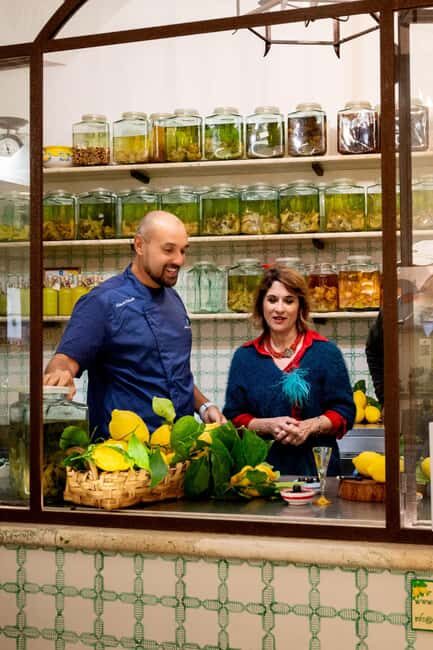
The core of the workshop is learning the production process from your instructor. You’ll get a clear explanation of how limoncello is created, including:
- how the lemon ingredient is used (the Amalfi lemon is the star of the whole thing)
- why the alcohol choice matters
- what helps create smoothness and flavor balance
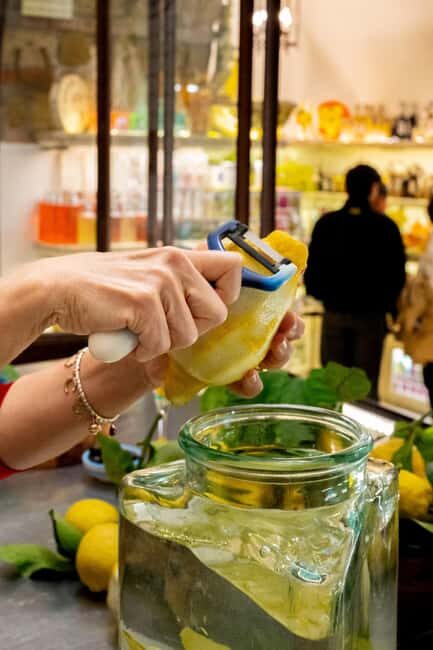
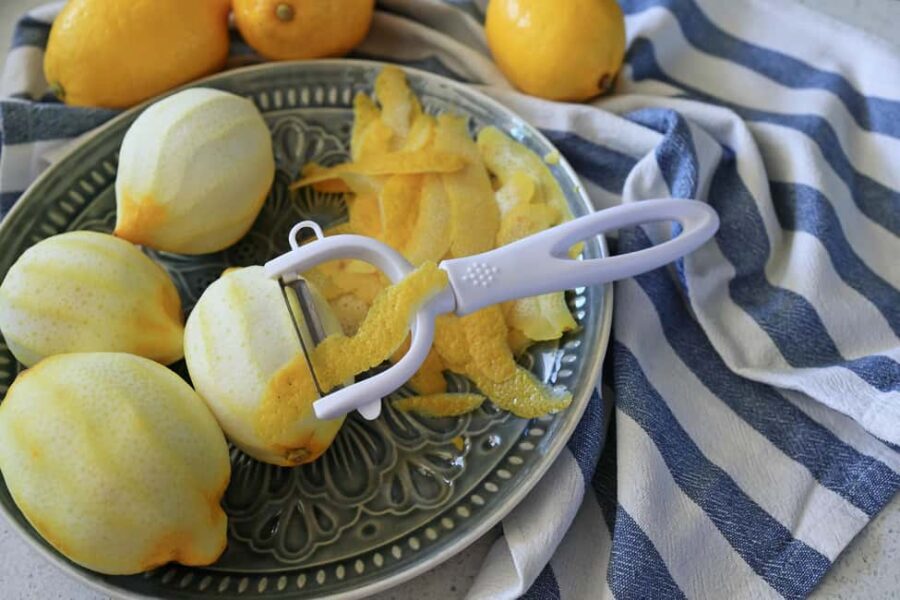
Then comes the part that turns theory into understanding: you’ll see and practice parts of the process. The tour description calls it practical experience, and reviews add that you may be shown how to peel lemons and even add them to a batch. That hands-on touch is more than a fun photo moment. It makes you understand that flavor comes from details—time, handling, and ingredient quality.
Also, the session includes guidance on how to taste correctly. You’ll be taught how to approach it like a drink you’re evaluating, not just something you sip casually. That includes:
- how to recognize quality
- what to look for on labels and in taste
- what temperature to serve it at
Serving temperature sounds small, but it changes everything. Cold limoncello can highlight sweetness and aroma differently than a slightly warmer pour. Learning this in context helps you avoid the common mistake of serving it too cold and wondering why it tastes flat.
The Tasting Game: Flavors, Temperature, and What Quality Feels Like
This is where the tour earns its keep. You don’t just taste one limoncello and move on. You try different types and flavors, and the instructor gives you a framework for what you should notice.
Think of it like this: the tour teaches you a checklist first—alcohol type, quality markers, and serving temperature—then you apply it during the tasting. When you taste multiple styles, you start connecting the dots between what the guide described and what your palate picks up.
The tasting is also paired with snacks, so the experience doesn’t feel like you’re stuck eating dry crackers while people pour mini glasses. You’ll have supporting bites that keep your palate awake and help you enjoy the flavors. Expect snacks including lemon cake and other sweets, plus biscuits.
From a value perspective, multiple flavors are a big deal. At $94 per person, you want more than a tiny sip. The structure here gives you variety plus instruction. You’re paying for education and sensory practice, not just admission to a room.
One more helpful detail: the tasting is part of a learning loop. You might taste, get guidance on what you’re sensing, then taste again with your new understanding. That makes the whole session “stick” far better than a one-time drink-and-guess.





The Family Recipe and What It Means for Cooking at Home
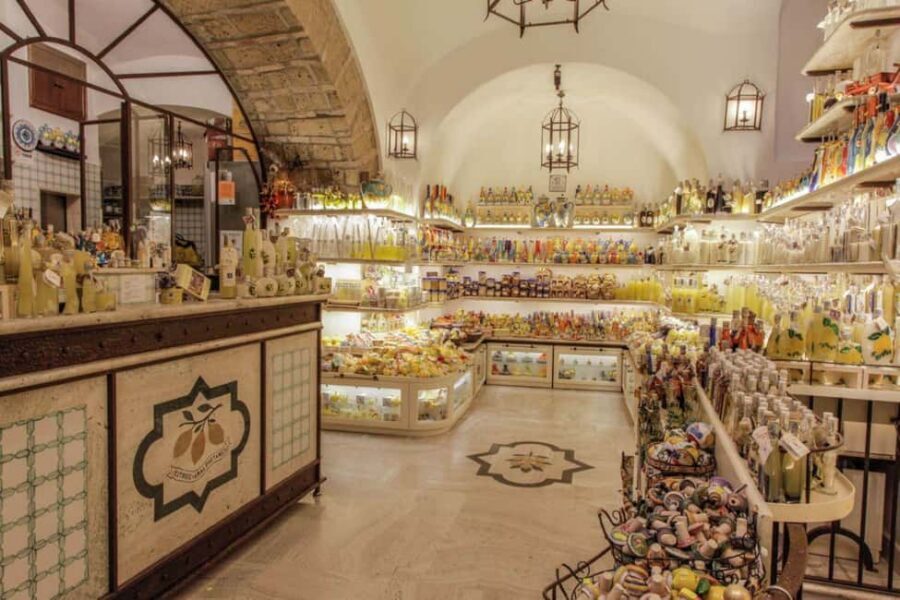
At the end, you’ll be shown how to produce the factory’s family recipe. This is one of the most praised parts of the experience, because it shifts from tasting to creation advice. The tour description says you’ll learn how to make your own, and reviews emphasize that the family focuses on the old-school fundamentals—using a small number of key ingredients and protecting the craft.
A major takeaway you can carry home is the idea of smoothness. Multiple accounts highlight the way the producers explain the secret to that clean, rounded character. That gives you a direction for improvement even if you don’t recreate every step exactly.
You might also leave with practical materials. The tour lists a recipe component as part of the experience, and reviews mention people receiving recipe details and even lemon-themed souvenirs like aprons. In some cases, participants also report getting photos taken during the visit and a couple of restaurant recommendations in the area. Those extras don’t change the core value, but they do make the experience feel like a real stop with real people, not a production line.
If you’re planning to bring back a “food souvenir,” this is one of the best formats for it. Bottle shopping is easy. Learning what makes the bottle worth buying is harder—and far more satisfying.
Snacks, Lemon Cake, and Why the Pairing Helps You Learn
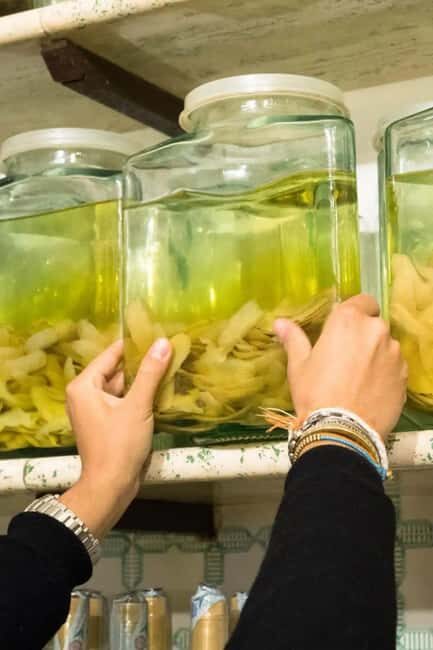
Yes, you’ll eat. But it’s not random grazing. The snacks are part of how you enjoy and evaluate the drink.
The tour includes snacks alongside your limoncello tasting, including lemon cake and sweets, plus biscuits. Lemon cake in particular is a smart pairing because it keeps the lemon note front and center. When you’ve just been tasting lemon-infused liquor, the cake acts like a flavor anchor. It’s easier to tell what you like when you can compare a lemon dessert to the lemon aroma in the liqueur.
Also, small food breaks help you slow down. If you’re tasting multiple versions in one session, your palate needs resetting. Snacks do that without killing the mood. You’re still learning, but you’re comfortable and enjoying it.
A practical note: the tour isn’t listed as suitable for lactose intolerance, which makes sense if you’re eating lemon cake or biscuits that may contain dairy. If that affects you, I’d skip it or ask the operator before booking.
Price, Timing, and How to Decide if This Fits Your Trip
Let’s talk about the $94 per person price. That’s not cheap for a short visit, but it’s also not just a “walk in and taste.” You’re paying for:
- entry to the limoncello factory
- a guided tour
- practical experience
- limoncello tasting with multiple flavors
- snacks (including lemon cake and biscuits)
You’re also paying for the human factor: the instructors are hands-on, and the experience is limited to a small group of 7. That makes the learning feel personal, and it often speeds up the chance to ask questions. Reviews frequently point to Vittorio (and family members like Clara) being enthusiastic and involved, which supports the idea that you’re buying into a genuine craft setting.
Timing is another big part of the value. At 80 minutes, you get a full mini lesson without losing half your day. On the Amalfi Coast, that matters. You can fit it into a walking day in central Amalfi, then still plan a relaxed afternoon by the water or a restaurant stop nearby.
Who it suits best:
- Adults who like food and drink with a process story
- Anyone who wants to understand how “quality” is judged, not just taste something sweet
- People traveling with a partner who enjoys guided experiences and doesn’t want the pace to be rushed
Who should skip:
- Anyone needing to avoid alcohol, since tasting is part of the program
- Pregnant women (not suitable per the activity info)
- Children under 18 (not suitable)
- People with diabetes (not suitable)
- People with lactose intolerance (not suitable)
Should You Book the Amalfi Limoncello Factory Visit?
I’d book this if you want a memorable Amalfi stop that teaches you something real and tastes even better because you understand it. The session is short, concentrated, and structured around process plus tasting plus snacks—so you get variety and context in one go.
If you’re hoping for a long, scenic sightseeing day, this isn’t that. It’s a focused craft experience in central Amalfi. But if you’re the kind of person who buys food souvenirs because you want the story behind them, this is exactly the style of activity that pays off.
My rule of thumb: book it when you’re in Amalfi for at least a day and you can build it into a relaxed walk around Piazza Duomo. Also, go hungry for lemon cake and curious about how a humble ingredient becomes a regional signature.
FAQ
FAQ
How long is the limoncello factory visit and tasting?
It lasts about 80 minutes.
Where is the meeting point?
Meet your instructor (Vittorio) at Piazza Duomo, right next to the Bistro f.lli Pansa.
Is the tour guided in English?
Yes, the instructor provides the experience in English.
What’s included in the ticket price?
You get entry to the factory, a guided tour, practical experience, a limoncello tasting, and snacks (including items like lemon cake and biscuits).
Is transfer included?
No. Transfer is not included.
What is the group size?
It’s a small group limited to 7 participants.
Can children join this experience?
No, it’s not suitable for children under 18.
Is it suitable for lactose intolerance or diabetes?
No. It’s listed as not suitable for lactose intolerance and for people with diabetes.
Is the booking flexible if my plans change?
You can cancel up to 24 hours in advance for a full refund, and you can reserve now and pay later.