REVIEW · AMALFI
Amalfi: Tagliatelle, Mozzarella & Tiramisù Cooking Workshop
Book on GetYourGuide →Operated by La Perla Cookingclass · Bookable on GetYourGuide
Fresh mozzarella feels different.
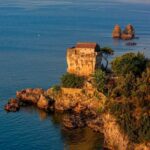
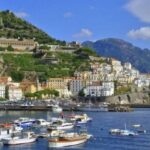
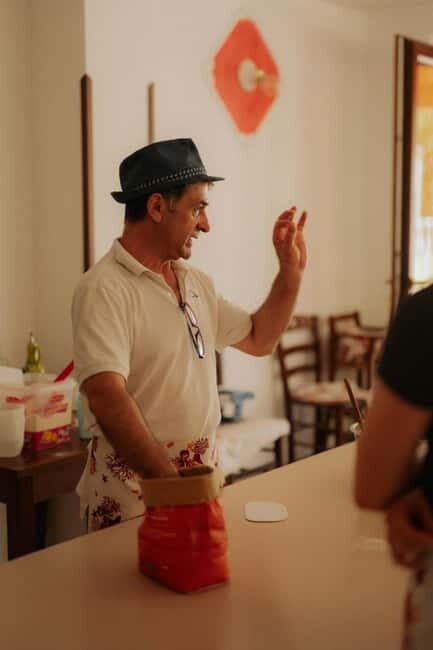
This Amalfi Coast cooking workshop happens on a working farm in Pianillo, with the kind of cliffside views that make you want to slow down. I love the hands-on cooking focus, and I also like that you’re learning real technique, not just watching someone else work. You’ll be guided by an Italian/English instructor, and the experience is run with personality (Ferdinando comes up in conversation a lot, and his sense of humour is part of the fun).
You’re also promised three big, classic wins: mozzarella, fresh pasta (tagliatelle/homemade pasta), and tiramisù, finished with a sit-down tasting. One consideration: the whole thing is short (about 1–2 hours), and hotel pickup isn’t included, so you’ll want your own plan for getting to the meeting point.
After cooking, you relax back at the farmhouse and eat what you made, paired with local wine produced on-site. If you want a memorable Amalfi meal that you actively create with your own hands, this is a strong pick.
In This Review
- Key highlights worth knowing
- A Farm Kitchen in Pianillo, With Amalfi Coast Views
- Mozzarella Making: The Skill You’ll Remember After Amalfi
- Homemade Tagliatelle and Fresh Pasta Techniques Without the Mystery
- Tiramisu by Hand: Classic Layers and a Real Sense of Timing
- Eating Your Results at the Farmhouse, With Local Wine
- Price and Value: Why This $34 Class Can Be a Smart Use of Time
- Who Should Book This Amalfi Workshop (and Who Might Skip It)
- Should you book? My honest take
- FAQ
- Where does the cooking workshop take place?
- How long is the Amalfi cooking workshop?
- What dishes will I learn to make?
- Is lunch or dinner included?
- Is wine tasting included?
- Is hotel pickup and drop-off included?
- What languages are the instructors available in?
Key highlights worth knowing
- Pianillo farm setting above Amalfi, with dramatic views as a backdrop
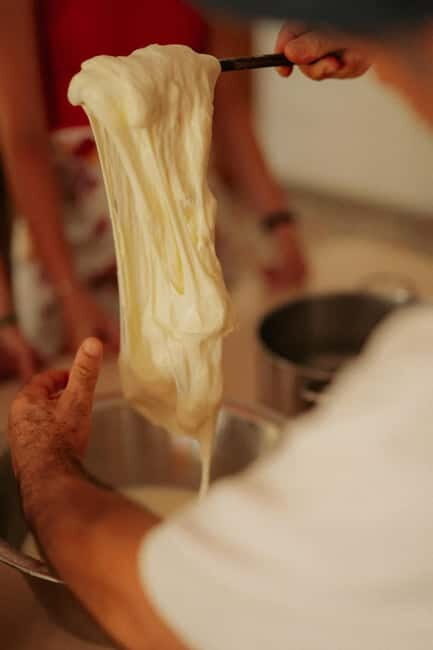
- Mozzarella-making from scratch, guided toward a great texture
- Fresh pasta work focused on homemade tagliatelle (and pasta techniques in the process)
- Tiramisu built by hand, not assembled from a box
- Farm-produced wine tasting with your meal
- 1–2 hour format that fits a day without eating your whole schedule
A Farm Kitchen in Pianillo, With Amalfi Coast Views
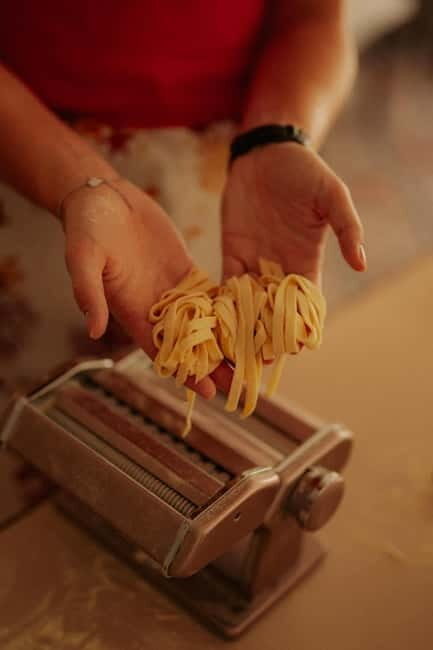
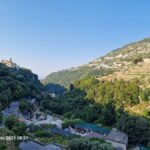
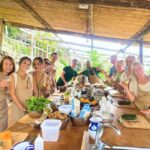
This experience is set on a local farm in Pianillo, in Campania. That matters, because you’re not doing a kitchen demo in a city storefront. You’re working somewhere that feels like it belongs to the landscape and the food system, where ingredients and hospitality go together.
You’ll also get the kind of visual payoff that makes the whole day feel more “Amalfi” right away. The farmhouse location looks out toward the coast and the cliffs, so even before you start cooking, you’re in a better mood. If you like activities that mix food with place, this format hits the mark.
The practical side is straightforward. Parking is included, which helps if you’re driving. Hotel pickup and drop-off aren’t included, and the meeting point can vary depending on the option you book. Translation: arrive on time at the designated start, and have a backup plan for getting there smoothly.
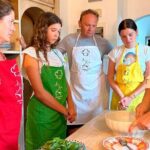
What I like about the structure is that it keeps you moving. You’re not stuck in one long lecture. You get a tour of the farm, then you shift into prep and production. Even if you’re not a “kitchen person,” the pace is friendly and the work is broken into clear stages.
You can also read our reviews of more cooking classes in Amalfi

Mozzarella Making: The Skill You’ll Remember After Amalfi
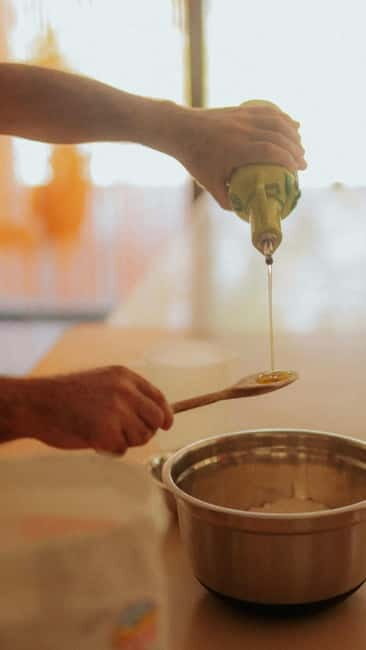
The workshop begins with mozzarella. That’s not a small detail. Mozzarella is one of those foods where the outcome can be surprisingly technical, and the process teaches you why good texture matters.
You’ll learn mozzarella production techniques with guidance from the chef/instructor. The goal is a perfect texture, and the teaching approach focuses on what to do and why, so you’re not just repeating steps. You’ll feel the difference as you work, especially once you see how small changes in handling affect the final result.
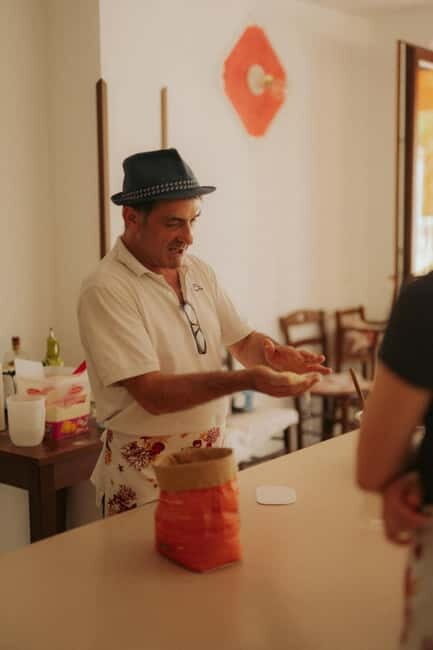
This part of the class is also a strong choice for beginners. You don’t need special gear or past experience. You’re learning by doing, and you’re working in an environment where people actually want you to succeed. The upbeat tone shows up in real ways too. Ferdinando’s humour and charm are mentioned in the experience’s recent feedback, and that kind of relaxed teaching style makes learning easier.
One more reason this works: mozzarella is a gateway ingredient. Once you’ve made it, the rest of the meal starts to feel connected. Pasta dough tastes better because you understand the effort behind the dough. Tiramisu feels more intentional because you’ve learned what it means to create something fresh from basic inputs.
Homemade Tagliatelle and Fresh Pasta Techniques Without the Mystery
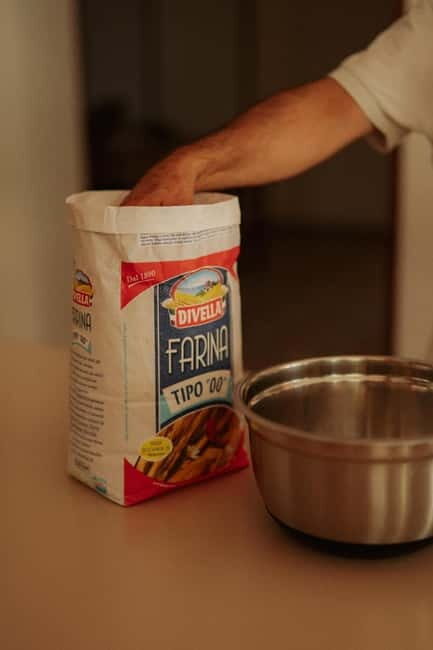
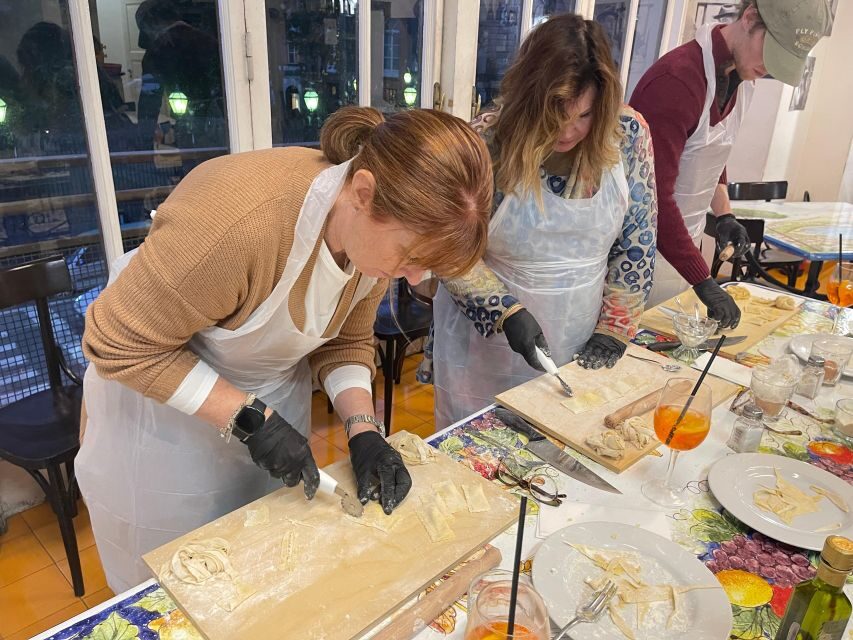
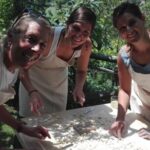
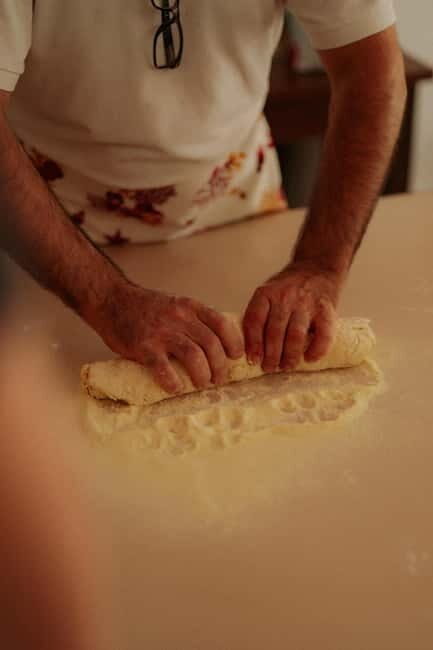
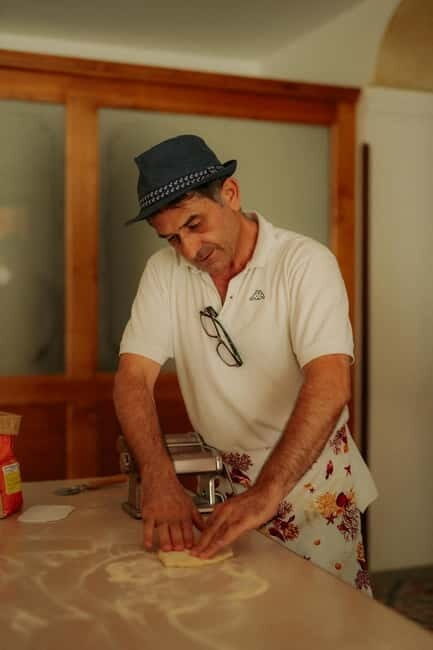
Next comes the pasta. The workshop name highlights tagliatelle, and the instruction flow is all about homemade pasta from scratch. That means you’re learning techniques tied to dough handling and pasta prep, not just cooking timing.
The experience description also references shaping pasta in a local style, including ravioli. So you can expect hands-on work with fresh dough and local-ingredient approaches as part of the pasta stage. The big takeaway for you is the method: working the dough, portioning or shaping, and understanding how fresh pasta behaves compared to dry.
This is where you’ll get the most “I can do this later” confidence. Fresh pasta is famous for feeling intimidating, but when someone shows you the process in a farm kitchen setting, it clicks. You’ll also develop small habits that matter, like how you handle portions and how you keep your work consistent.
The workshop’s tight time window (1–2 hours total) keeps things realistic. You’re not getting a full day of training, but you are getting enough instruction to walk away with useful technique and a finished meal you can be proud of. If you’re the type who wants results, this format gives you exactly that.
Tiramisu by Hand: Classic Layers and a Real Sense of Timing
Finally, you make tiramisù. This is where the workshop turns from food creation to dessert mastery, and it’s a smart move. When you’ve already worked with dairy (mozzarella) and dough (pasta), you appreciate the different textures and handling in dessert.
You’ll learn to prepare classic tiramisù with its creamy and flavorful layers. The process is guided step-by-step, so you’re not stuck guessing proportions or sequencing. This is especially helpful if you’re used to tiramisù that comes from a cake shop or a pre-made container.
The practical value here is not just that you leave with dessert knowledge. It’s that you see how layering changes the experience. A tiramisù with the right structure tastes balanced, and it also feels like a composed dish rather than a pile of ingredients.
After cooking, you won’t just stand around with the dessert in your hands. You’ll sit down and eat what you made, which makes the whole class feel more complete. You get immediate feedback from the final result, and that’s how most people learn fastest.
Eating Your Results at the Farmhouse, With Local Wine
After the hands-on work, you relax in the picturesque farmhouse and enjoy a tasting of the dishes you prepared. This is a key part of the value. Cooking classes can turn into endless prep and then a vague snack. Here, you’re eating the full product of the lesson.
The experience includes lunch or dinner depending on the time slot you book. Either way, it’s built as a meal, not a bite-sized demo. And you also get local wine tasting, with wine produced on the farm.
That pairing is the kind of detail that makes the evening feel authentic. You’re tasting what the farm provides alongside what you made with your own hands. It’s not just food; it’s the local rhythm of production and hospitality.
If you’re trying to decide how this fits into your Amalfi day, here’s the simple logic: this workshop can become your anchor meal. Plan around it, because once you cook and taste on-site, you’ll likely feel satisfied enough to skip the heavy tourist trap dinners later.
You can also read our reviews of more tours and experiences in Amalfi


Price and Value: Why This $34 Class Can Be a Smart Use of Time
At $34 per person, this is priced like an affordable, high-impact food activity. The real value comes from what’s included, not just the dollar amount.
You get:
- The cooking class itself
- A guided tour of the farm
- A local chef/instructor
- Lunch or dinner (depending on the time)
- Local wine tasting
- Parking
Hotel pickup is not included, so you’ll factor in how you’ll reach the meeting point. Still, when a class includes both the meal and wine, it shifts from “activity fee” to “you’re paying for an experience that ends with dinner.”
Duration is also important. With 1–2 hours, you don’t have to dedicate half a day just to learn one dish. You’ll learn three iconic items—mozzarella, fresh pasta, and tiramisù—then eat them. That’s a lot of payoff for a short block of time.
For me, the best value angle is this: you’re taking home actual technique you can repeat later. Even if you never master mozzarella at home, you’ll understand what to aim for and what mistakes to avoid. That kind of learning sticks.
Who Should Book This Amalfi Workshop (and Who Might Skip It)
I’d book this if you want an Amalfi experience that feels grounded in local food, with a hands-on component that actually changes your day. This works well for couples who want something different from restaurant hopping, and it’s a good option if you’re travelling with family members who enjoy cooking.
The experience has also drawn praise for groups that included a child around age 10, which suggests the atmosphere is friendly and not overly serious. If your kids can handle a couple of hours of active participation and tasting, this can be a fun way to avoid a pure sitting-through meal.
You might skip it if you’re looking for a long, slow, multi-course dining experience with zero cooking work. This is a cooking workshop, so you will participate. It’s also not designed as a private custom lesson; the structure is built to move through mozzarella, pasta, and tiramisù within the time window.
If your schedule is tight, this is still a good fit. You get a meal, you get wine, and you get a skill. It’s one of those rare tours that doesn’t just occupy time; it gives you something you can show for it.
Should you book? My honest take
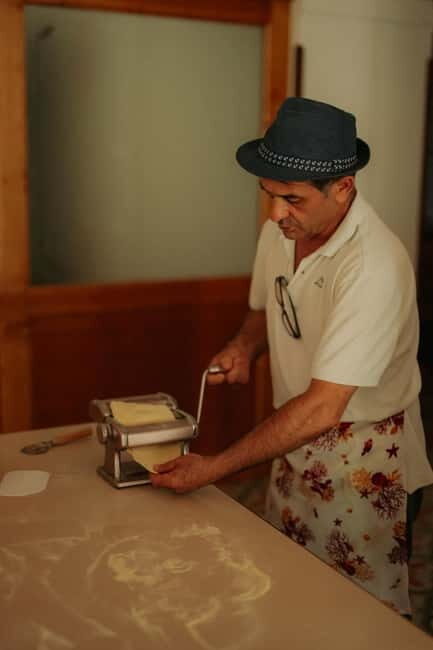
If you want a genuinely hands-on Amalfi Coast moment that ends with a real meal, book it. The combination of mozzarella-making, fresh pasta instruction, tiramisù prep, and then tasting with farm wine is a strong package for the price.
Do book with one practical mindset: plan your transport to the meeting point because hotel pickup isn’t included. If you can handle that, you’ll get an experience that feels more personal than a typical tour, and more memorable than another dinner reservation.
FAQ
Where does the cooking workshop take place?
It takes place at a local farm in Pianillo, on the Amalfi Coast (Campania, Italy).
How long is the Amalfi cooking workshop?
The duration is listed as 1 to 2 hours, depending on the starting time you book.
What dishes will I learn to make?
You’ll learn to make fresh mozzarella, homemade tagliatelle (fresh pasta), and tiramisù.
Is lunch or dinner included?
Yes. Lunch or dinner is included, depending on the time of your session.
Is wine tasting included?
Yes. The experience includes a local wine tasting, with wine produced on the farm.
Is hotel pickup and drop-off included?
No. Hotel pickup and drop-off are not included.
What languages are the instructors available in?
The instructor and class are available in Italian and English.
—
If you want, tell me when you’re going and whether you’ll have a car, and I’ll help you fit the workshop into a realistic Amalfi-day plan.