REVIEW · AMALFI
Amalfi Organic Lemon Tour & Tasting in the Historical Garden
Book on GetYourGuide →Operated by Amalfi Historical Garden · Bookable on GetYourGuide
Lemon terraces in Amalfi have a way of grabbing you. This small-group tour takes you through the Amalfi Historical Garden, where terrace farming is built like a vertical, living system that’s hard to keep alive but easy to love. I especially like the balance of garden history + real farming details (from ancient water systems to lemon varieties), and the payoff is tangible: you end with farm-made tastings you can actually bring home.
One thing to plan for: the route is on uneven terrain with lots of steps, and it’s not set up for mobility issues.
In This Review
- Key highlights worth putting on your radar
- Entering The Amalfi Historical Garden: terraces, engineering, and atmosphere
- The guided walk: how the family connects lemons to culture
- Lemon varieties in the grove: Sfusato and more
- The terrain reality check: steps, incline, and comfortable shoes
- The view break over Amalfi: where the tasting makes sense
- What you’ll actually taste: lemonade, limoncello, and lemon cake
- Price and value at about $59 per person
- Who should book this lemon tour (and who should skip)
- Should you book this Amalfi Organic Lemon Tour & Tasting?
- FAQ
- How long is the Amalfi Organic Lemon Tour & Tasting?
- What tastings are included?
- Is this tour family-run or commercially staged?
- Where do I meet the guide?
- Is pickup from hotels or other areas included?
- Are there special considerations for health or mobility?
Key highlights worth putting on your radar
- Historical terrace agriculture built with chestnut wood, cisterns, and water channels
- Vertical, hard-to-preserve farming that uses sun filtering through branches
- Sfusato and other lemon varieties explained in plain language by the family team
- Hands-on feel for the grove: thorny branches, and the right way to approach the trees
- A view break over Amalfi and the blue sea before the tastings
- Farm tastings and special garden prices on typical local products
Entering The Amalfi Historical Garden: terraces, engineering, and atmosphere

The Amalfi coast is famous for stairs, but this garden adds another layer: it’s terrace farming designed to work with the steepness, the sun, and scarce water. You’re not strolling through something manicured and easy. You’re walking through a system that has been shaped for centuries, with the kind of practical engineering that only makes sense when you live here and do the work yourself.
What I like most is how the garden is described as something you have to respect. There’s no concrete-road vibe. No platforms that break the look of the place. Instead, you move through terraces, pergolas of local chestnut wood, ancient cisterns, and water channels that once routed water from higher springs. These details matter because they explain why lemons became such an important crop for Amalfi: it wasn’t luck. It was skill, reuse, and balance.
And there’s a sensory component. The tour emphasizes scent and filtered light: sun rays come through the branches, and the atmosphere feels almost sheltered. Even if you’ve visited other Italian gardens, this one reads differently because it’s still functioning as an agricultural space, not a theme park.
You can also read our reviews of more food & drink experiences in Amalfi



The guided walk: how the family connects lemons to culture
This is a small group shared tour led by a live English-speaking guide from the property. In the reviews, guides are often family members such as Giovanna and Joanna, and that family connection comes through in how they explain the farm.
You’ll hear about the value of an ancient land and the work of preserving it. The guide also brings in the mindset behind the farming: respect, gratitude, wonder, and the idea that a simple, genuine lifestyle is part of wellbeing. That can sound like a philosophy speech until you connect it to what you’re seeing—reuse, balance, and the role of biodiversity are not abstract here. They’re built into how the farm approach is explained.
A key moment in the tour is learning that lemons are not picked like fruit in a flat orchard. The tour notes that lemons feel it whether you love them or not, and that rough, twisted branches with thorns require knowing how to handle them. It’s a small lesson, but it’s also a useful reminder for you as a visitor: don’t rush, don’t yank, and follow the guide’s lead when they show you how things are done.
You’ll also get context on why this crop fits Amalfi. The tour points to how ancient farmers carried lemons from the top of their farms using mules and their own feet, and it notes that women were involved in this work too. That detail helps the terraces stop being scenery and start being labor—real people doing hard work for a living.
Lemon varieties in the grove: Sfusato and more
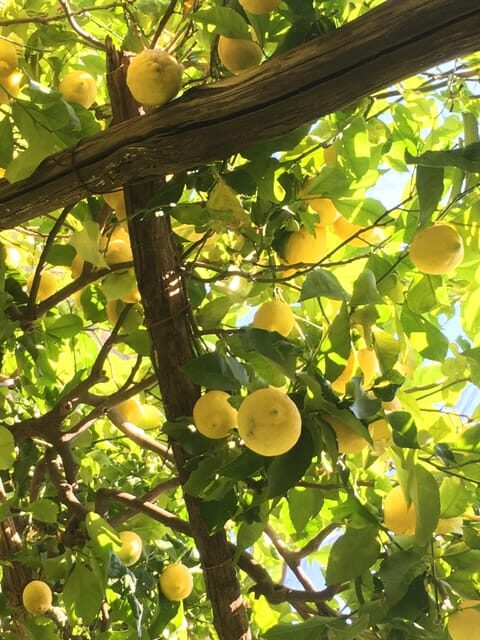
Lemon tours can become repetitive if all you do is taste. This one tries to teach you to see the crop. You’ll learn about different varieties of lemons, including the well-known Sfusato lemon, plus others grown on the farm.
Why this matters for you: lemon taste isn’t universal. Different varieties can vary in aroma, acidity, and how they behave when turned into lemonade or limoncello. When you understand that there are types, you’ll taste your way through the end stop with more clarity, instead of just thinking everything tastes like sweet citrus.
The tour also ties variety to farming choices. It frames the grove as organic and stresses the difference between organic and conventional systems. If you care about food choices beyond just flavor—this part is for you. If you don’t, you can still enjoy it as an explanation of why the final drinks and cake taste the way they do.
The terrain reality check: steps, incline, and comfortable shoes

This garden is not designed for walkers who want flat ground. The tour includes an easy walk by Amalfi standards, but the experience still involves lots of stairs and steep incline to reach and move through the farm areas. You’ll also be moving between terraces and paths without concrete surfaces.
So here’s the practical advice: wear shoes with good grip and plan on going slow. If you have heart or respiratory issues, or if mobility is limited, the tour is listed as not suitable. Even if you’re generally okay on your feet, bring the right shoes and expect the climb to be the price of the views.
The good news is the pacing is described as relaxing, and you get a view break during the walk. The stairs are the tradeoff for getting into a living place that actually resembles how Amalfi’s lemon growers worked.
The view break over Amalfi: where the tasting makes sense

Half the fun of a food tour is when you stop and let your brain catch up. Here, you get a relaxing break with a stunning view overlooking Amalfi and the blue sea. It’s not just pretty; it sets the context for what you’re about to eat and drink.
After walking through terrace farming and learning how difficult preservation is in this vertical, hard-to-maintain environment, the view helps you understand why lemons mattered. You’re seeing the coast, the town, and the steep geography that makes agriculture a constant balancing act. Then the tour shifts gears into tastings that use the fruits of that system.
If you’re the kind of traveler who likes your photos to have meaning, this is a strong stop. If you’re short on time, it’s also a good moment to slow down and reset before dessert and citrus liqueur.
You can also read our reviews of more historical tours in Amalfi

What you’ll actually taste: lemonade, limoncello, and lemon cake

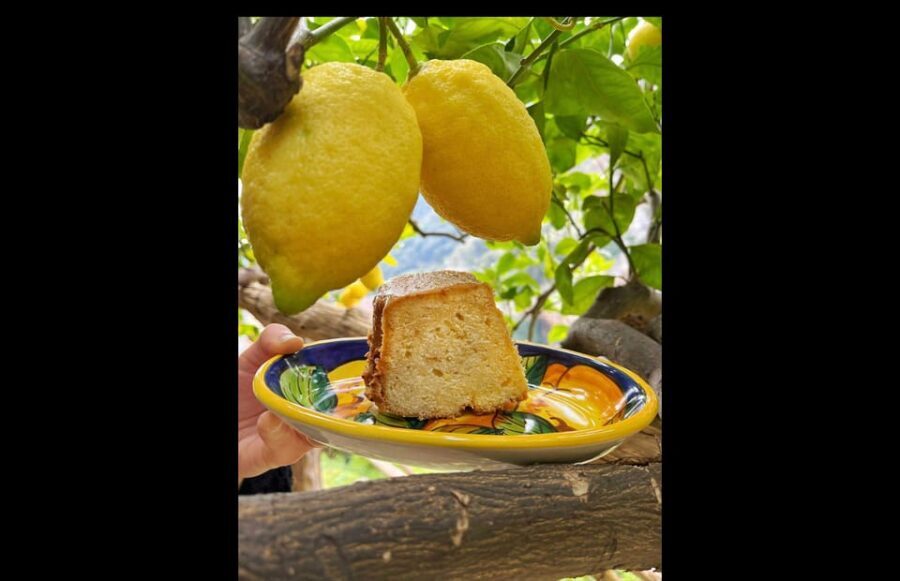
The tasting is one of the biggest reasons people love this tour. The included tastings are organic lemonade, limoncello, and lemon cake. That’s already a nice trio because it covers citrus in three forms: drinkable refreshment, concentrated liqueur strength, and dessert comfort.
In reviews, you’ll also see additional items that appear as part of the end moment at the garden, such as honey, perfume-style citrus notes, candied lemon peel, and mentions of mandaretto in some cases. Because the exact lineup isn’t listed beyond the core lemonade/limoncello/cake, I’d treat these as pleasant extras that may vary with timing and what’s available from the farm.
A practical tip: if you don’t usually like limoncello, don’t automatically skip it. The tour leans into organic lemons, and the tasting is repeatedly described as a highlight. Even one reviewer who doesn’t usually prefer limoncello still ended up buying a bottle after tasting the farm-made version.
And because you’re tasting at the end of a walk through the groves, the flavors feel earned, not handed to you. You’re tasting in context, which makes the whole experience more memorable.
Price and value at about $59 per person

At around $59 per person for 1.5 to 2.5 hours, this isn’t a budget street snack. But it also isn’t trying to sell you a big production show. What you’re paying for is access to a working historical terrace garden, guided walking, and multiple tastings tied to the farm’s own lemons.
Value is strongest if you want three things:
- You enjoy learning how food is made and grown
- You want a tasting experience that feels local and family-run
- You like the idea of buying typical products at special farm prices afterward
If your trip plan is mostly about quick, high-volume sights, this might feel slow. But if you like smaller, calmer experiences with real food payoff, the price starts to make sense fast.
Who should book this lemon tour (and who should skip)
I’d put this tour on your shortlist if you fit any of these:
- You like food that has a story behind it (not just flavor)
- You want a break from Amalfi’s shop-and-photo loop
- You’re interested in organic agriculture and how terrace systems work
- You want a family-run experience where the guide can answer questions and explain details
In reviews, people also call it a highlight for families, including teens, because it’s interactive and visual (groves, trees, and the tasting sequence).
Skip it if you:
- Need mobility-friendly paths or step-free access
- Have significant heart or respiratory concerns
- Want an ultra-easy walk with minimal climbing
Should you book this Amalfi Organic Lemon Tour & Tasting?
Yes, if your idea of a great Amalfi day includes walking, learning, and eating something you’ll remember. This tour feels designed for travelers who prefer substance over souvenirs: a historic grove, a guide who can tie lemons to farming choices, and tastings that come directly from the farm.
I’d hesitate only if steps are a problem for you, or if you’re not interested in agriculture or the difference between lemon varieties. For the right kind of traveler, this is one of those experiences that gives you more than a photo. It gives you a better understanding of why Amalfi’s lemons are such a big deal.
FAQ
How long is the Amalfi Organic Lemon Tour & Tasting?
The tour lasts about 1.5 to 2.5 hours.
What tastings are included?
You get tastings of organic lemonade, limoncello, and lemon cake.
Is this tour family-run or commercially staged?
It’s described as a non-commercial experience in an authentic historical garden setting, and it’s guided by a live English-speaking guide connected with the lemon farm.
Where do I meet the guide?
You meet in Amalfi center at the gate of the Lemon Farm. You’ll receive the exact details after booking.
Is pickup from hotels or other areas included?
No. Accommodation pickup and drop-off are not included, and you’re asked to reserve in advance if needed.
Are there special considerations for health or mobility?
The tour is not suitable for people with mobility impairments, people with heart problems, or people with respiratory issues.