REVIEW · SORRENTO
Piano di Sorrento Walking Tour with a Local
Book on Viator →Operated by Tour Guide Naples · Bookable on Viator
You’ll see Piano di Sorrento at walking speed. This is a short, guided route that swaps big-city hustle for small places: public gardens, an archaeological museum, market stops, and a few quick-history pinpoints along the way. It’s also food-focused in a real, not-fancy way, with lemon tasting and classic sweets that match the area.
What I like most is the way the tour mixes beauty with something you can touch and taste—especially the lemon garden produce and that homemade cannolo filled with sheep ricotta. Second, the payoff views are immediate: you get to stand at Orazio Bridge for a strong look over the Lavinola Valley. One drawback to keep in mind: some stops are very brief (like the neoclassical villa moment), so if you want long museum time or slow sightseeing, you may wish the tour ran a bit longer.
In This Review
- Key highlights you’ll feel right away
- Starting in Piano di Sorrento: meeting point, timing, and what the 2 hours means
- Villa Fondi gardens and its archaeological museum (the included anchor stop)
- Villa Lauro: a quick hit of neoclassical elegance
- Piazza della Repubblica: fruit and fish market energy on local terms
- Lemon garden tasting and the cannolo with sheep ricotta
- South Italian ice cream and fruit market add-ons
- Via Ponte di Mortora and the tufa rock valley walk
- Orazio Bridge: the viewpoint that makes the walk feel worth it
- The old fisherman village area and historic shipyards
- How Hugo’s local guidance improves the whole experience
- Price and value: is $80.44 for two hours a good deal?
- Who this Piano di Sorrento tour suits best (and who should skip it)
- Booking decision: should you go on this local walk?
- FAQ
- How long is the Piano di Sorrento walking tour with a local?
- Where does the tour start?
- Is the tour private?
- What language is the tour offered in?
- What kind of ticket do I get?
- Is admission included for any stops?
- Is there free cancellation?
Key highlights you’ll feel right away
- Lemon garden tasting with local produce you can actually try (and maybe buy)
- Villa Fondi + included admission to the archaeological museum and gardens
- Cannolo with sheep ricotta plus a stop for South Italian ice cream and fruit
- Orazio Bridge viewpoints over the Lavinola Valley for quick, scenic photos
- Old walking path through a deep tufa rock valley (Via Ponte di Mortora) on foot
- A local guide’s pace and context, including practical tips for getting around afterward
Starting in Piano di Sorrento: meeting point, timing, and what the 2 hours means

This tour is designed for a half-morning stroll. It runs about 2 hours and starts at 10:00 am at Corso Italia, 216, 80063 Piano di Sorrento (NA), Italy. You’ll meet there, walk together, and end back at the same spot.
A couple practical notes matter here. First, this is private, meaning it’s just your group, not a big roaming crowd. Second, it’s in English, which makes the history, food choices, and small route decisions much easier to follow.
Also, don’t play a guessing game with the location. There’s a common mix-up between Sorrento and Piano di Sorrento. I’d double-check your meeting address and make sure your map pin is in the right town before you head out.
You can also read our reviews of more walking tours in Sorrento


Villa Fondi gardens and its archaeological museum (the included anchor stop)
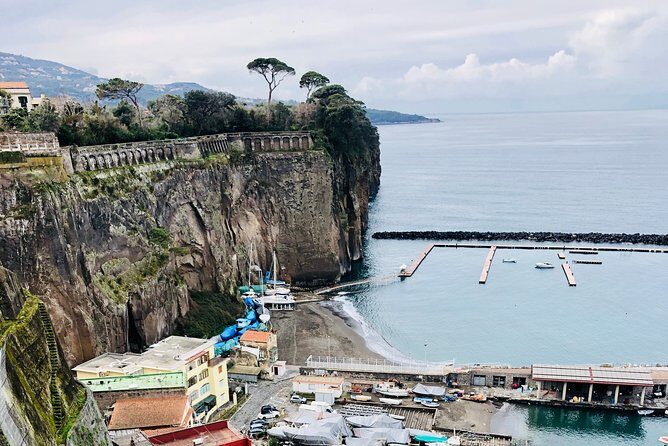
The tour’s most substantial stop is Villa Fondi. You’ll spend about 30 minutes here, and admission is included, which is a big part of why this tour feels like more than a snack-and-photo walk.
What to expect: Villa Fondi’s public gardens look out toward the fisherman village of Marina di Cassano. That viewpoint matters because it gives you a sense of how the coast and the town connect—then you move indoors to the museum.
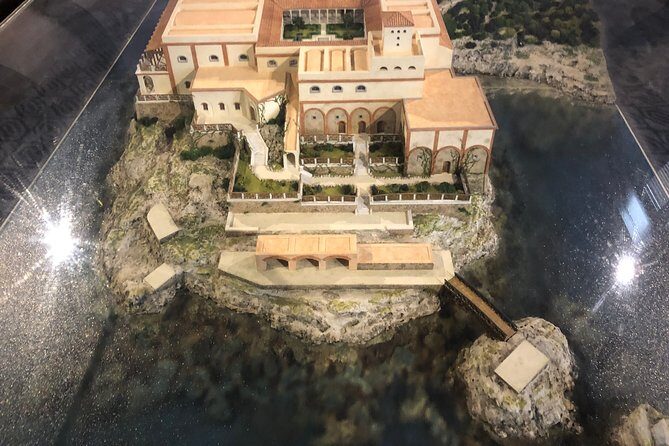
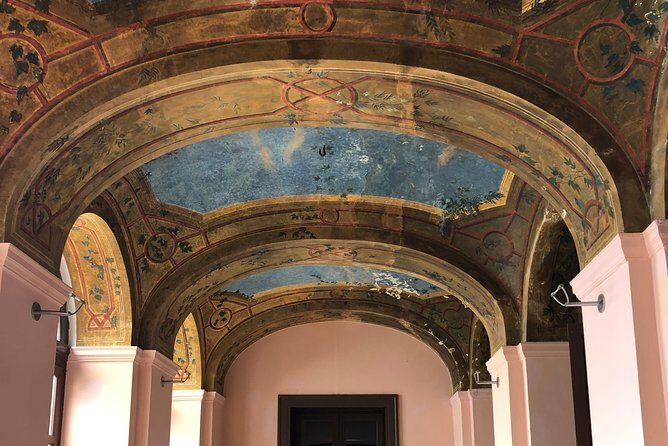
The archaeological museum is where the tour gives you something concrete. It’s based on finds from the Greek-Roman age, and the museum uses multimedia reconstructions to help you picture what you’re looking at. If you like your history with a little visual support (instead of reading every label), this is a good stop.
A fair caution: 30 minutes goes fast. You’ll likely enjoy the big highlights, but you may not have time to study every small display. If you’re the kind of person who wants to read everything slowly, plan to linger on your own later.
Villa Lauro: a quick hit of neoclassical elegance
After Villa Fondi, the tour takes a short break for Villa Lauro—just about 1 minute—and the admission here is free. So think of it as a “spot it and move” stop, not a sit-down visit.
Why it’s worth including anyway: it’s the sort of architectural moment that helps you understand why Piano doesn’t feel like just another coastal suburb. The stop is fast, but it puts the neoclassical style in your mind so the rest of the walk feels more anchored in place.
If you’re someone who hates rushed stops, you might wish Villa Lauro came later and lingered longer. Still, it’s a nice palate cleanser between the museum time and the food-and-market parts.
Piazza della Repubblica: fruit and fish market energy on local terms
Next you move into Piazza della Repubblica, the older fruit and fish market area of Piano. This stop is short—about 5 minutes—and there’s no admission.
Even when time is tight, this type of market square is useful for two reasons. First, it shows you how daily life used to work in the town (and often still does in smaller, slower ways). Second, it sets up the tasting portion so you’re not just eating because food exists—you’re eating because it belongs.
Practical tip: if you’re taking photos, watch for the best light on the façades and keep an eye on how locals move through the square. You’ll learn quickly that markets are lived-in, not staged.
Lemon garden tasting and the cannolo with sheep ricotta
One of the tour’s strongest moments is the lemon garden stop. You’ll visit the grove area and get to try their produce. This isn’t just a scenic walk through trees—it’s a tasting-style experience, and that’s a big reason people seem to love the tour.
Then comes dessert, and it’s not a generic tourist sweet. You’ll eat a homemade cannolo filled with sheep ricotta cheese. That filling is the kind of detail that makes this taste feel specific to the area, not copy-paste Italy.
What to expect pacing-wise: you’ll likely go from produce tasting to something sweet without feeling like you’re on a full cooking class timeline. It’s paced like a walk with planned stops, not a long food marathon.
Small consideration: if you have food allergies, you’ll want to ask about ingredients when you’re offered items. The tour data confirms you’ll be tasting produce and cannoli, but it doesn’t list ingredient checks—so ask on the spot for peace of mind.
- Sorrento Farm and Food Experience including Olive Oil, Limoncello, Wine tasting
★ 5.0 · 2,524 reviews





South Italian ice cream and fruit market add-ons
After the lemon and cannolo, you’ll also try South Italian ice cream and some fruit at the fruit market. This part keeps the food theme going and gives you a more rounded sense of what’s typical here—sweet dairy, local fruit, and the kind of simple pleasures that pair well with a short walk.
The value of this section is that it fits the rhythm of Piano di Sorrento. You’re not spending the day in one museum or one shopping street. You’re moving, stopping, tasting, and moving again.
If you’re sensitive to sugar or dairy, you might want to go slowly and save some of the fruit for later. The tour is short, and it’s easy to forget you’ll be sampling multiple items.
Via Ponte di Mortora and the tufa rock valley walk
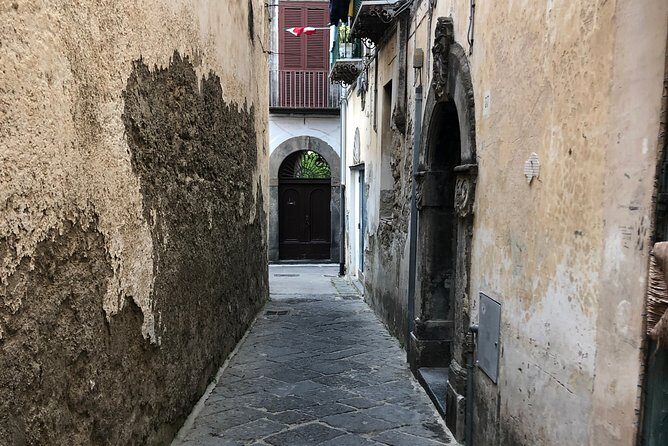
Now you get the kind of terrain you can’t fake: the oldest walking path that crosses a deep tufa rock valley in Piano di Sorrento—that’s Via Ponte di Mortora. The stop is about 5 minutes, so it’s not a long hike, but it’s enough to give you a real feel for the geology and how this town connects its neighborhoods on foot.
Tufa rock valleys look dramatic in photos, but the real payoff is the walking perspective. You’ll be moving along an older path, and you’ll notice how the town’s layout seems shaped by the land, not the other way around.
Practical consideration: because it’s an old path through a rocky valley, wear shoes that can handle uneven ground. The tour doesn’t advertise “easy terrain,” so I’d assume you’ll have at least some uneven spots.
Orazio Bridge: the viewpoint that makes the walk feel worth it
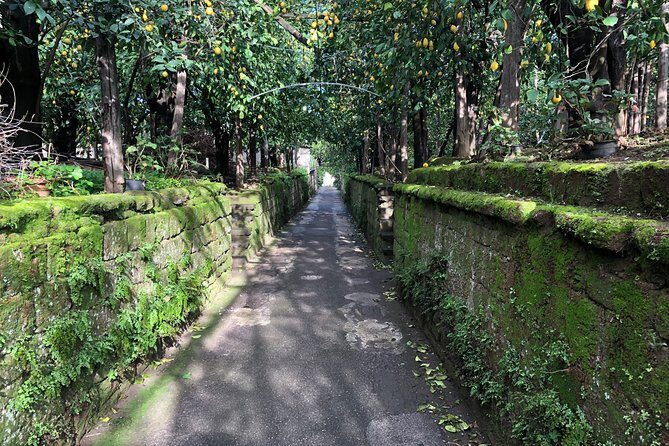
The headline view moment is standing on Orazio Bridge, with a great look over the Lavinola Valley. Even though the bridge isn’t spelled out as a separate time block, it’s clearly one of the tour’s signature highlights.
Why this viewpoint matters: after eating and passing through market areas, you get a visual reset. It’s the kind of stop where you’ll naturally pause, take a few photos, and then keep walking feeling like you earned it.
If you’re traveling with phones rather than cameras, you’ll still get good shots, especially if you can catch the valley in softer morning light. Plan to keep your walking pace steady so you don’t miss the best “stand still” moment.
The old fisherman village area and historic shipyards
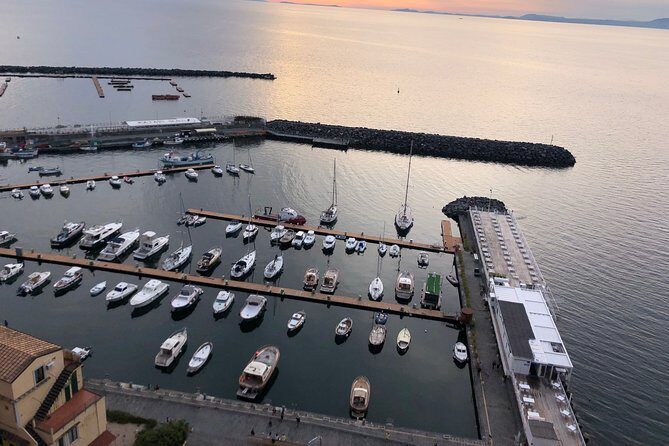
The route also touches the old fisherman village of Piano, where shipyards were important during the XVIII and XVIV periods. This isn’t presented like a formal museum stop, but it gives the walk a thread: coast work, local industry, and a town built around what people could do with the sea.
In practical terms, these kinds of “history-in-the-stractions” moments help you connect the architecture and streets to livelihoods. You look at a corner and think about work that happened there—then you move on with a clearer sense of place.
If you love maritime history, you’ll probably enjoy this part more than you expect. If you don’t, it still helps the walk feel grounded instead of purely scenic.
How Hugo’s local guidance improves the whole experience
The name you’ll see mentioned most often is Hugo, and the best part of that local-guide approach is the personal feel. On tours like this, the guide usually doesn’t treat the walk like a checklist. Hugo’s style—showing lemon groves, guiding you through food stops, and sharing the personal side of town—is the kind of thing that turns a routine walk into a story you remember.
You also get practical guidance beyond the route. For example, in one experience, Hugo pointed out the right direction for the train home. That’s a small thing, but it’s exactly the kind of “done-for-you” help that makes your day easier.
Also, you may encounter extra local food stops like a family-run bakery depending on how the walk flows that day. I’d treat these as welcome add-ons rather than guaranteed additions, but it’s a good sign that the tour can include local flavors beyond the headline items.
Price and value: is $80.44 for two hours a good deal?
At $80.44 per person for about 2 hours, this isn’t the cheapest activity in the area. But it’s priced closer to a guided tasting experience than a DIY walk, and that changes the value math.
Here’s what you’re paying for in real terms:
- An included paid admission at Villa Fondi (so part of your cost isn’t just “guide time”)
- Multiple planned tastings: lemon produce, a homemade cannolo with sheep ricotta, plus ice cream and fruit
- A route that hits viewpoint time at Orazio Bridge and walking time through Via Ponte di Mortora
- Private format for your group, which often makes the pacing more comfortable
If your ideal day is slow, structured, and food-forward, the price makes sense. If you’re the type who wants total freedom, you could mimic parts of this on your own. But you’d lose the tight sequencing, local context, and the built-in tastings.
Who this Piano di Sorrento tour suits best (and who should skip it)
This tour is a good fit if you want to see Piano di Sorrento without turning it into a logistics project. It’s especially good for:
- Couples and small groups who like a private pace
- Food lovers who enjoy regional sweets (hello sheep ricotta cannoli)
- Travelers who want a viewpoint day without a full-day hike
- People who’d rather learn through walking and small stops than long lectures
You might consider skipping if:
- You hate rushed moments. Some stops are deliberately brief.
- You need a long museum deep-dive. Villa Fondi gives you a solid taste, but not hours of study.
- You prefer to plan every stop yourself and aren’t interested in guided tastings.
Booking decision: should you go on this local walk?
I’d book this tour if you want a smooth mix of gardens + museum + local food + a real viewpoint in just about two hours. The included Villa Fondi museum time plus the cannolo and ice cream tasting make it feel like more than a casual stroll.
Before you confirm, do one simple thing: verify you’re meeting in Piano di Sorrento at Corso Italia, 216. That one detail can make the difference between an easy morning and a stressful one.
If that’s covered, you’ll likely leave with three things: a stronger feel for Piano beyond the main tourist draw, a couple standout bites, and photos from Orazio Bridge that actually look like your day wasn’t just sitting in traffic.
FAQ
How long is the Piano di Sorrento walking tour with a local?
It’s approximately 2 hours.
Where does the tour start?
You meet at Corso Italia, 216, 80063 Piano di Sorrento NA, Italy.
Is the tour private?
Yes. It’s listed as private, so only your group will participate.
What language is the tour offered in?
The tour is offered in English.
What kind of ticket do I get?
You receive a mobile ticket.
Is admission included for any stops?
Yes. Villa Fondi includes an admission ticket as part of the stop.
Is there free cancellation?
Yes. Free cancellation is available up to 24 hours before the experience’s start time for a full refund.
You Might Also Enjoy



More Walking Tours in Sorrento

More Tours in Sorrento


More Tour Reviews in Sorrento
- Sorrento Farm and Food Experience including Olive Oil, Limoncello, Wine tasting
★ 5.0 · 2,524 reviews