REVIEW · NAPLES
Naples: Pizza Making Class with Local Pizzaiolo
Book on GetYourGuide →Operated by Food Raphael Tours and Events · Bookable on GetYourGuide
Neapolitan pizza gets real, fast. In Naples, you get hands-on instruction from local pizzaiolo talent such as Alessandro and Martina, and you work the dough step by step. I like that the class is built around the wood-fired oven and the parts most people skip when they only watch from afar.
You’ll also appreciate the full meal feel: you make your pizza, then enjoy a starter and a drink as you learn. One consideration: the session is only 2 hours, and some dough prep may be handled ahead (so you’ll focus on kneading, stretching, and baking more than a full-day fermentation). And if you have gluten or lactose intolerance, this isn’t a fit.
In This Review
- Key Things You’ll Remember From This Naples Pizza Class
- Naples Neapolitan Pizza Class: Why This One Feels Practical
- Where You Meet: Gusto Marigliano Pizzeria and What to Expect
- The 2-Hour Rhythm: Dough Mixing, Kneading, Proofing Cues
- Stretching the Neapolitan Way: Thin, Airy, and Not Scary
- Toppings Done Right: Basil and Buffalo Mozzarella
- Wood-Fired Oven Baking: Timing, Heat, and the Final Result
- The Included Meal: Starter, Drink, and What Else Might Come Out
- English Instruction and the Chef-Team Dynamic
- Value for $58: What You’re Actually Getting
- Who This Naples Pizza Class Is Best For
- Tips to Get the Most Out of Your Class
- FAQ
- How long is the Naples pizza-making class?
- Where do I meet the pizzaiolo?
- What language is the instruction in?
- What’s included in the price?
- Is hotel pickup included?
- What kind of oven is used?
- What toppings are covered?
- Is this class suitable for gluten or lactose intolerance?
- Can I get a refund if my plans change?
- Should You Book This Naples Pizza Making Class?
Key Things You’ll Remember From This Naples Pizza Class
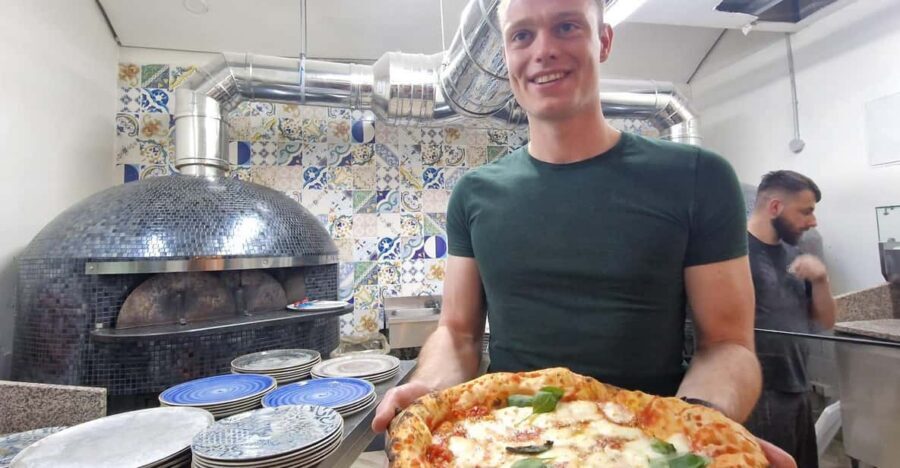
- Local pizzaiolo coaching in English with plenty of hands-on help from the chef team
- Dough work you can feel: mixing, kneading, proofing cues, then classic Neapolitan stretching
- Toppings with the right attitude: fresh basil leaves and buffalo mozzarella
- Wood-fired oven baking guided so you get the timing right
- You eat what you make, plus a starter and a glass of wine, beer, or a soft drink
- A pizza-making certificate to take home (and brag with)
Naples Neapolitan Pizza Class: Why This One Feels Practical
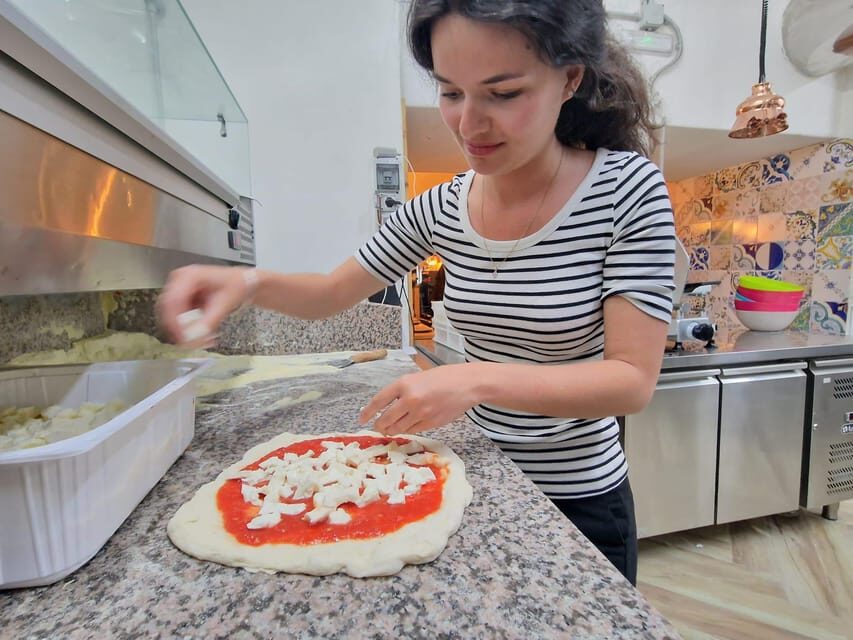
If you’ve ever tried to make Neapolitan-style pizza at home and wondered why it didn’t turn out right, this class is aimed at that exact problem. The whole point is to give you the why behind the steps, not just the final outcome. You learn what the dough needs, how to handle it, and how to bake it so it tastes like Naples rather than like a flatbread project.
The best part is that you’re guided by people who actually work pizza every day. In one session, the energy described around instructors like Alessandro came through as confident and connected, and in others, hosts such as Antonio, Rafael, and Enrico are described as patient and thorough. That matters because pizza mistakes usually come from timing and texture cues, not from secret ingredients.
You can also read our reviews of more tours and experiences in Naples


Where You Meet: Gusto Marigliano Pizzeria and What to Expect
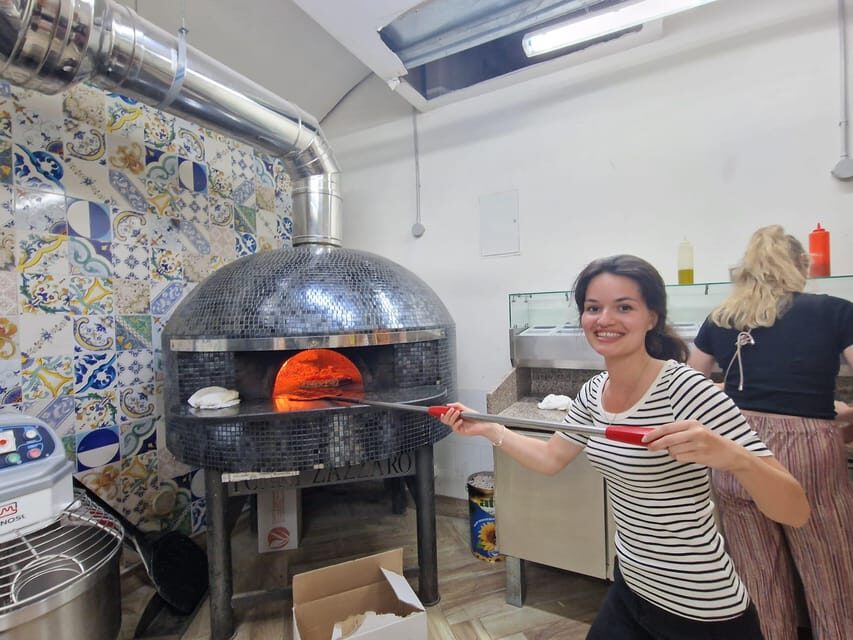
You meet your pizzaiolo at Gusto Marigliano Pizzeria. That’s not a small detail, because the setting shapes the pace of the class. You’re not doing this in a generic teaching kitchen; you’re doing it in a real pizzeria environment where the oven and workflow are part of the lesson.
A few reviews note the exterior can be easy to miss because of scaffolding or signage, but inside the experience is orderly and organized. Translation support may be available depending on the session, and multiple reviews mention English communication working well. If you like clear direction and a calm, focused kitchen rhythm, this format usually clicks.
The 2-Hour Rhythm: Dough Mixing, Kneading, Proofing Cues
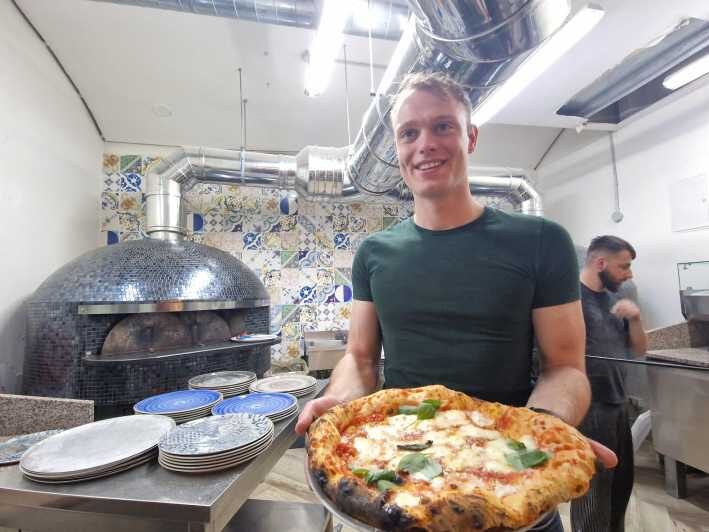
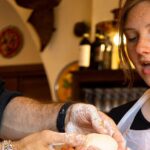
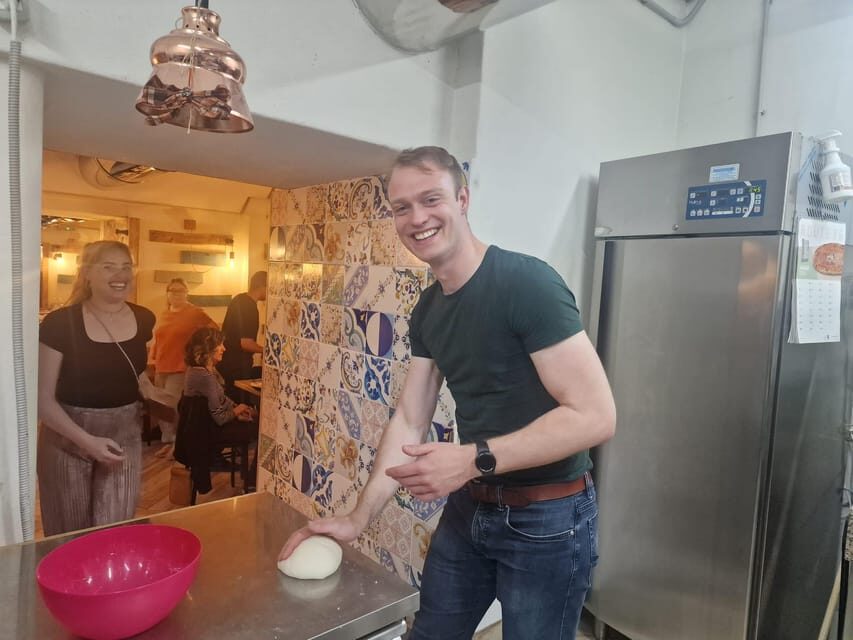
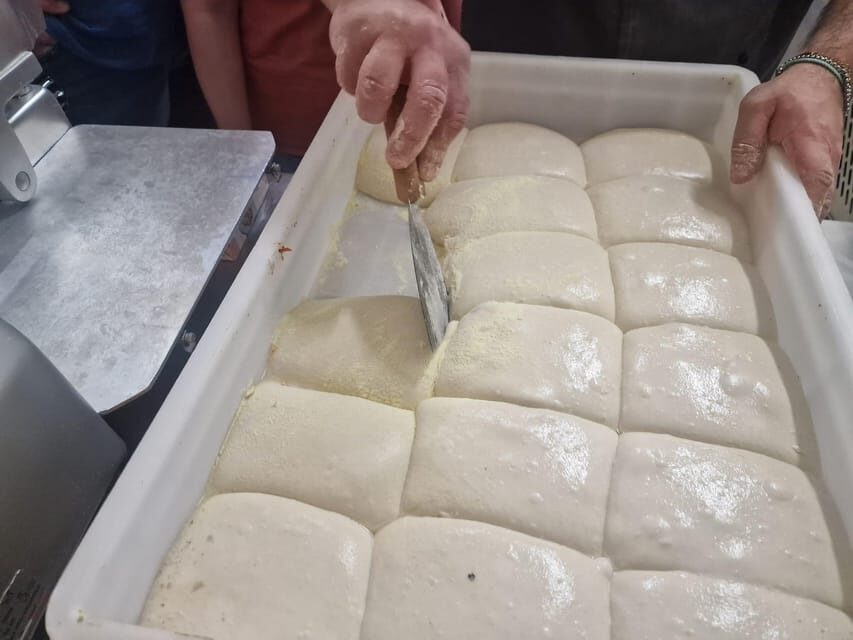
This is a hands-on class, and most of your time revolves around dough. You start with the key ingredients and the technique your pizzaiolo wants you to master. Expect instruction on mixing, kneading, and proofing, then practical guidance on what to look for as the dough changes.
Here’s the nuance that’s worth knowing before you go: one review mentions the dough needing a rest period of about 6 hours before it’s used. That doesn’t mean you do nothing; it means the class likely won’t cover a full day of fermentation from scratch. In other words, you may be starting with dough that’s already been allowed to develop. For many people, that’s a positive—2 hours is long enough to learn handling and baking without turning your vacation into a lab experiment.
You’ll practice kneading skills so the dough has the right elasticity. That’s the foundation for the next step: stretching without tearing. If you want a pizza result you can repeat at home, pay attention to texture cues—how it feels when it’s ready matters more than memorizing a recipe.
Stretching the Neapolitan Way: Thin, Airy, and Not Scary
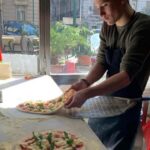
Once the dough is ready, you learn the traditional Neapolitan technique of stretching and shaping. This is the part that feels intimidating at first, because most home cooks try to roll dough with a pin. Neapolitan pizza usually means you use your hands, letting the dough stretch into that thin edge and classic profile.
In the class atmosphere described by participants, instructors push you to try the motions yourself, not just watch. One review mentioned the dough-making process getting competitive in a fun way, which is often how you learn texture fast. If you want to take skills home, being corrected in real time is huge—especially for shaping and keeping the center light while managing the rim.
This stretching lesson also connects to why Neapolitan pizza tastes the way it does. When the dough is shaped correctly, it bakes with better air structure, and you get that balance between soft interior and blistered points from the oven heat.
Toppings Done Right: Basil and Buffalo Mozzarella
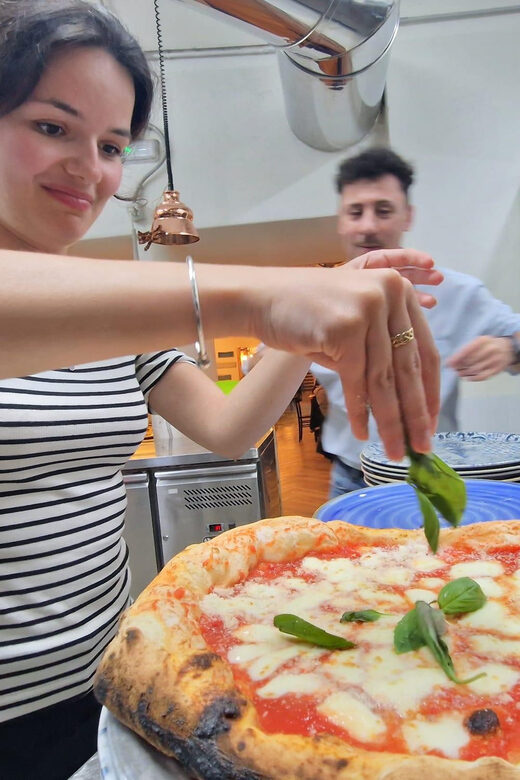
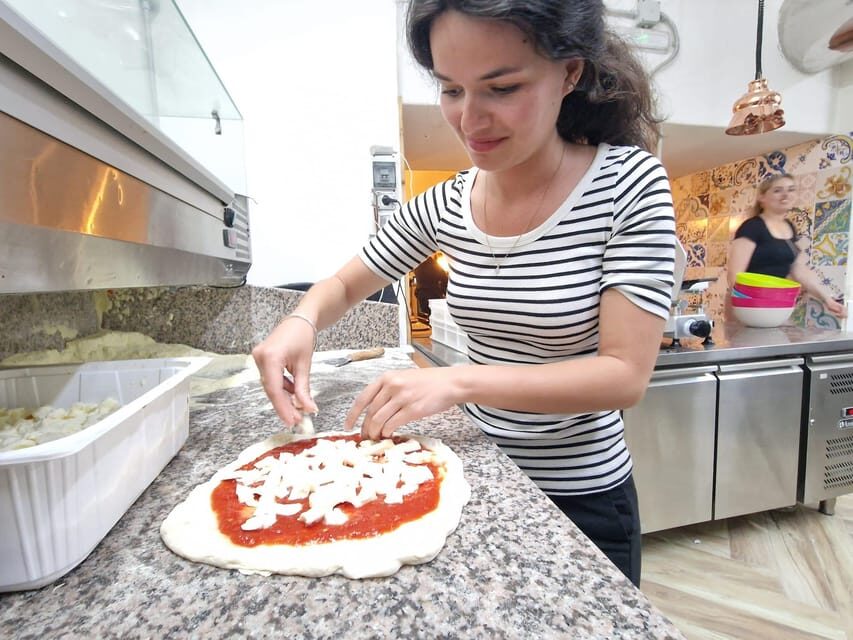
When you reach the toppings stage, you’ll keep it classic. The class focuses on Neapolitan-style options such as fresh basil leaves and buffalo mozzarella. That’s not just tradition for show. These choices affect moisture, melt, and flavor balance, and they’re tied to how the pizza should bake in a very hot oven.
You’ll also be guided on how to place toppings so you don’t drown the dough. A couple of reviews mention that some sessions move fast once everyone is at the toppings station. If you’re the type who likes detailed step-by-step instructions for each topping, ask questions as you go. The best learning happens when you’re actively checking what the chef is aiming for.



Wood-Fired Oven Baking: Timing, Heat, and the Final Result
After you shape and top, you bake your pizza in a wood-fired oven with guidance from the pizzaiolo. This is where a class beats a YouTube tutorial. Wood-fired ovens create intense, fast heat, so the margin for error is smaller. The chef team helps you understand when the pizza is ready and how to avoid common issues like underbaking or burning.
Watch how the pizza changes as it bakes. In Naples-style pizza, you’re looking for signs of proper blistering and a crust structure that supports toppings without going soggy. Even if you don’t memorize every cue, you’ll leave knowing what success looks like.
If you’ve ever had pizza come out pale or chewy at home, this stage will explain why. It’s not only flour or sauce—it’s the heat profile and how the dough responds when it hits extreme oven conditions.
The Included Meal: Starter, Drink, and What Else Might Come Out
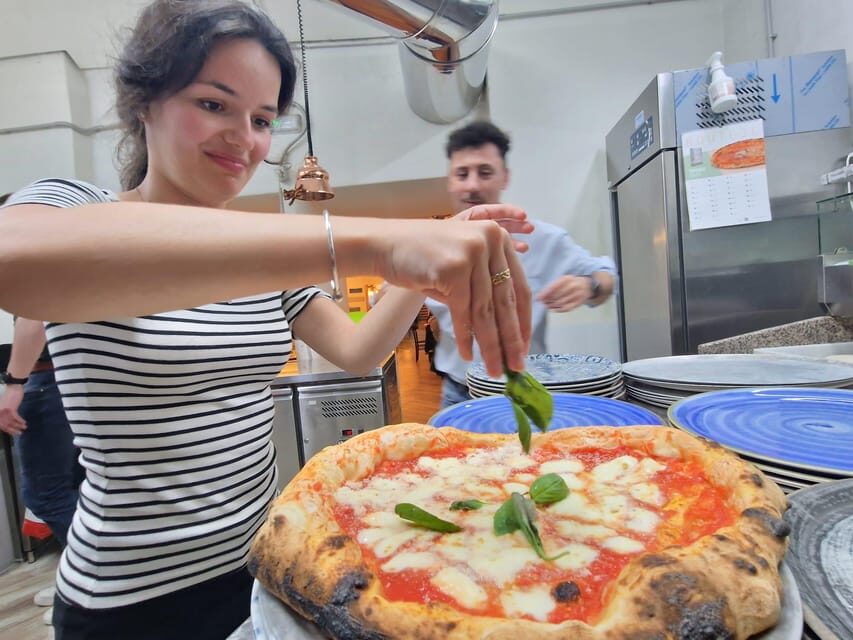
The activity includes a local starter and a glass of wine, beer, or soft drink. Reviews often describe this as more than a quick side course, with participants calling out unexpected appetisers and a full-feeling meal. Some mention dessert as part of the experience, even though the summary you see may only highlight starter and drink.
Here’s what you should count on for sure: you’ll eat while you’re done baking, and the meal is part of the experience rather than an afterthought. That makes the class easier to enjoy, especially if you’re on a tight schedule and don’t want to squeeze in dinner elsewhere.
One practical note: one review mentioned seeing waste at the end since some pizzas weren’t eaten. That can happen with group meals, especially if people over-order in their excitement. If you want to reduce food waste and get the most from your money, pace yourself and take small bites right away so the pizza stays at its best.
English Instruction and the Chef-Team Dynamic
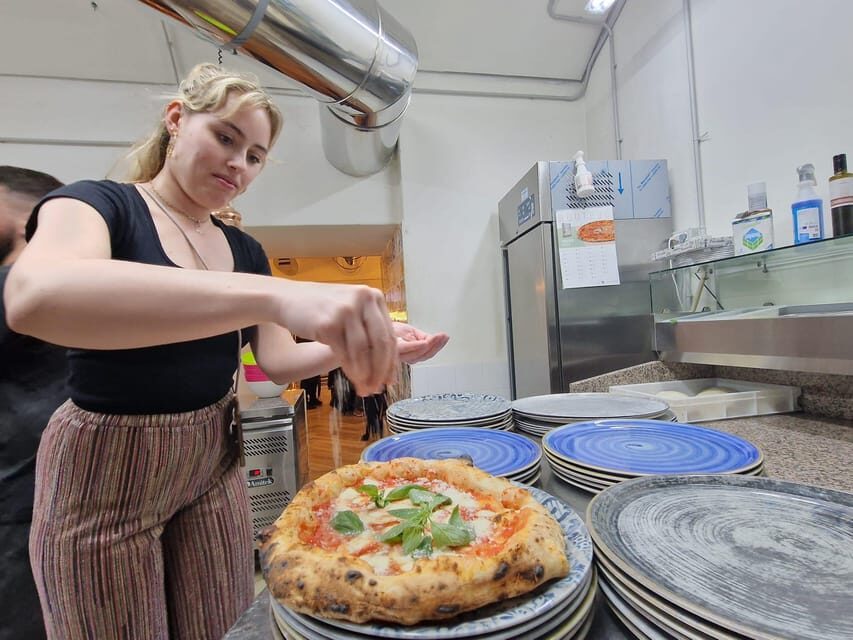
This class is taught in English. In multiple reviews, hosts and instructors with names like Antonio, Rafael, and Martina are described as friendly and patient, with clear explanations. Translation support is mentioned in at least one account, which suggests they’re used to working with international groups.
What you’re really buying here is the feedback loop. Pizza is sensitive. A few seconds too long in the oven, too much flour during handling, or toppings that sit too thick can ruin the texture. When a chef watches your dough and corrects your stretching or topping strategy, you learn faster than you would alone.
Value for $58: What You’re Actually Getting
At $58 per person, you’re paying for several things that usually cost more separately: real instruction, ingredients, kitchen tools, a wood-fired bake, a starter, and an included drink. You also get a pizza-making certificate, which is a small extra but still fun.
The biggest value is the combination. A lot of “cooking experiences” show you, then feed you. This one trains your hands. Even if dough prep is partly handled ahead, you still practice the parts that matter most for results: kneading feel, stretching technique, topping balance, and oven timing.
If you’re the type who likes hands-on activities and wants a skill you can repeat, this is good value. If you mainly want to eat pizza and don’t care about learning technique, you could find cheaper options. But for people who want Naples-style pizza knowledge in a single sitting, this fits the bill.
Who This Naples Pizza Class Is Best For
This experience works well for couples, friends, and families who want a fun, structured activity. Reviews include a mention of a child participating successfully, and the tone described is generally patient and encouraging.
You’ll get the most out of it if you:
- want to learn how Neapolitan pizza is made, not just what it tastes like
- enjoy active workshops more than lecture-style classes
- plan to eat the pizza you make while it’s hot and at its best
It’s not suitable for people with gluten intolerance or lactose intolerance, based on the provided activity details.
Tips to Get the Most Out of Your Class
Go hungry, but don’t overdo it. You’ll be tasting starter and then eating your own pizza, and a drink is included, so plan your energy for the full 2 hours.
When you’re stretching the dough, focus on consistency. Use what the chef tells you about thickness and handling. The goal isn’t perfect symmetry; it’s the correct structure so the pizza bakes well in the wood-fired oven.
Ask quick questions as you go. If toppings placement feels rushed, bring it up when you’re at the topping stage. In a class like this, small adjustments make your final pizza look and taste better.
Finally, treat the certificate like a souvenir of skill, not paperwork. If you practice once at home, you’ll notice what you learned actually sticks.
FAQ
How long is the Naples pizza-making class?
The class lasts 2 hours.
Where do I meet the pizzaiolo?
You meet your pizzaiolo at Gusto Marigliano Pizzeria.
What language is the instruction in?
The instruction is in English.
What’s included in the price?
The package includes the pizza-making class, instructor, apron and kitchen tools, ingredients, a local starter, a glass of wine, beer, or soft drink, and a pizza-making certificate.
Is hotel pickup included?
No. Hotel pickup and drop-off are not included.
What kind of oven is used?
You’ll bake your pizza in a wood-fired oven under the guidance of the pizzaiolo.
What toppings are covered?
The class includes traditional toppings such as fresh basil leaves and buffalo mozzarella.
Is this class suitable for gluten or lactose intolerance?
No. It is not suitable for people with gluten intolerance or lactose intolerance.
Can I get a refund if my plans change?
Yes. You can cancel up to 24 hours in advance for a full refund.
Should You Book This Naples Pizza Making Class?
If you want a hands-on Naples activity that teaches a repeatable skill, yes, book it. For $58, you’re getting more than dinner—you’re learning Neapolitan technique with real pizzaiolo help, then eating your pizza with a starter and a drink.
I’d skip it only if you need gluten-free or lactose-free options, or if you’d rather do a low-effort food stop than spend 2 hours kneading, shaping, and baking. If you’re even slightly curious about getting the dough and oven results right, this is one of the best ways to learn while you’re in Naples.