REVIEW · NAPLES
Naples: Premium Pizza-Making Class at a Pizzeria
Book on GetYourGuide →Operated by Timonfaya Travel Lanzarote · Bookable on GetYourGuide
Neapolitan pizza starts with four ingredients. This Naples pizza-making class takes you into a real Campania pizzeria led by a World Pizza Championship winner, where you learn how dough becomes pizza step by step. I like that it is hands-on from the first knead, with English support from hosts such as Francesca and Lucia.
Two things I really love: you get a small-group experience with your own workstation, and you learn technique instead of just recipes. You practice shaping and stretching, then finish by baking in a wood-fired oven and eating the Margherita you made.
One thing to consider is timing. This is a tight 2-hour session, so if proofing and dough timing do not line up perfectly, you may see a workaround like using dough for another result (for example, turning it into something else rather than waiting longer).
In This Review
- Key Highlights I’d Prioritize
- Why This Naples Pizza Class Feels Like Real Pizzeria Work
- Your Four-Ingredient Dough Lesson: Water, Flour, Salt, Yeast
- Staglio and Panetti: The Move Most People Don’t Learn
- Shaping and Stretching for Real Neapolitan Pizza
- Toppings Done Neapolitan Style: San Marzano, Buffalo Mozzarella, Basil
- Wood-Fired Oven Baking and the Margherita You Actually Eat
- The Sweet Pivot: Fried Pizza Dough Bites With Chocolate Spread
- Drinks, Limoncello, and the Social Rhythm of the Class
- Price and Value: What You’re Really Paying For
- Who Should Book This (And Who Might Not)
- Should You Book This Naples Premium Pizza-Making Class?
- FAQ
- How long is the pizza-making class?
- Where does the class take place in Naples?
- What languages are offered during the class?
- Is the class hands-on, or is it mostly watching?
- What food is included in the meal?
- Are drinks included?
- Is there a digital recipe you can take home?
- Are small groups or private options available?
- What is the booking and cancellation policy?
Key Highlights I’d Prioritize
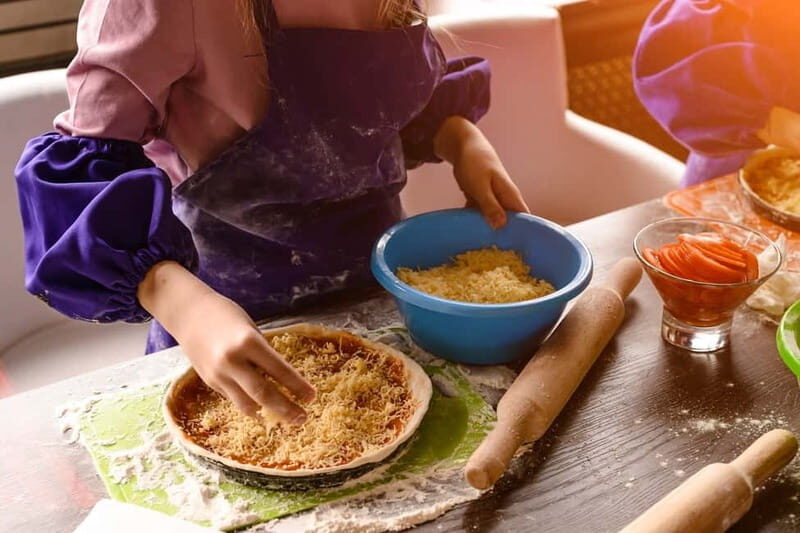
- World Champion pizzeria setting in Naples, so the methods are serious and practiced.
- Your own station means you knead, shape, and top instead of watching from the sidelines.
- Staglio and panetti technique is taught as an actual skill, not trivia.
- True Neapolitan ingredients: San Marzano tomatoes, buffalo mozzarella, basil, and DOP extra virgin olive oil.
- Wood-fired oven baking followed by tasting the pizza while it is still at its best.
- Sweet finish with the same dough: fried dough bites filled with a famous chocolate spread, plus limoncello.
Why This Naples Pizza Class Feels Like Real Pizzeria Work
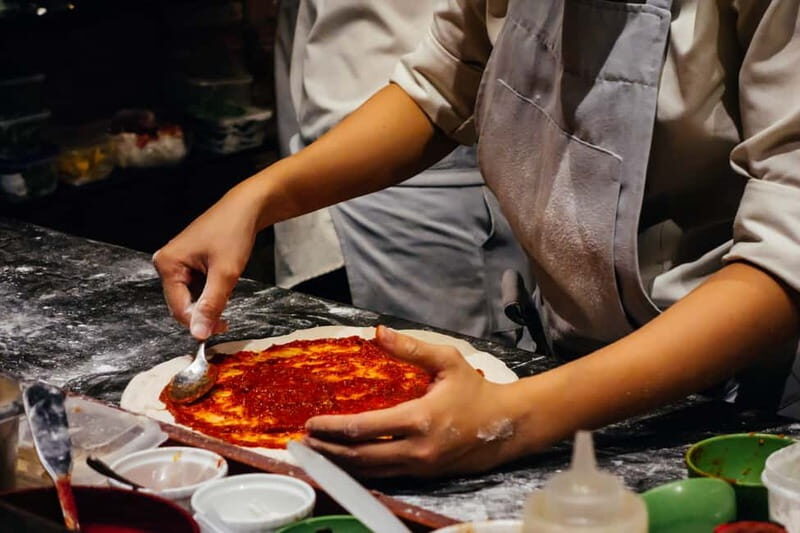
A lot of pizza classes teach you to assemble. This one teaches you to make the dough like a pizzaiolo. You start with four basics: water, flour, salt, and yeast, then you learn how to turn them into Neapolitan pizza dough with the right texture and handling.
The biggest difference is that you work in a functioning pizzeria environment, not a demo kitchen. That matters because Neapolitan pizza is as much about timing and touch as it is about ingredients. When you learn in the same space where they bake the real thing, it clicks faster.
You may also get a translation and hosting rhythm that makes the class easier to follow. Different groups are handled by different English-speaking hosts and translators (examples include Francesca, Lucia, Federica, Dora, and Sabrina showing up in various roles), and that usually means you can ask questions and keep moving without getting lost in the language gap.
You can also read our reviews of more tours and experiences in Naples


Your Four-Ingredient Dough Lesson: Water, Flour, Salt, Yeast
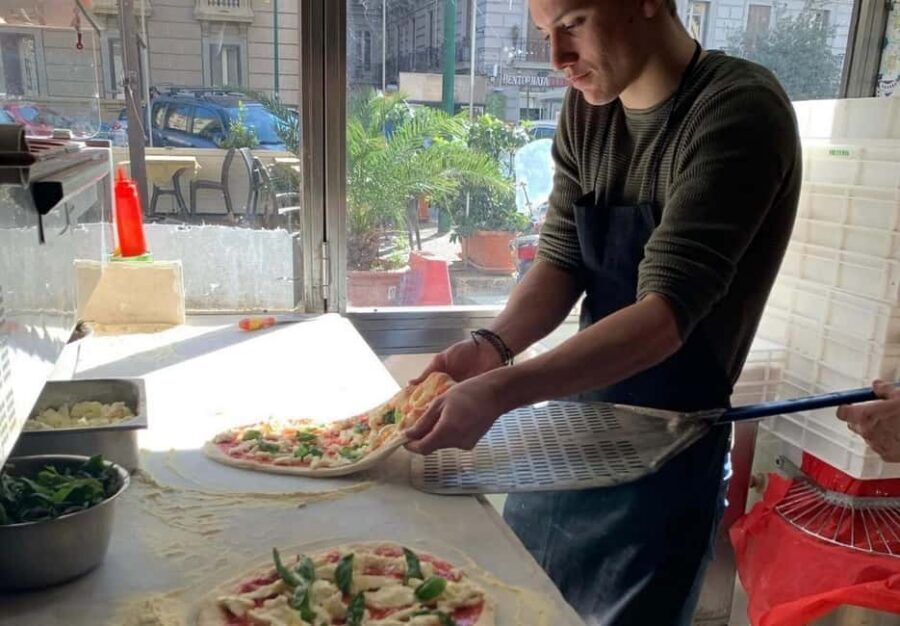
Everything starts simple, which is exactly the point. Neapolitan pizza dough depends on balance: hydration, gluten development, fermentation, and handling. Even if you have never made bread, this class gives you a framework and the repeated steps you need to build confidence.
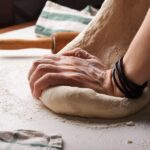
In practice, you will knead, then learn how to work the dough without tearing it up. You will also learn why some gestures feel different than what you might expect from other doughs. Neapolitan dough is meant to be light and stretchy, so the technique is about gentle strength, not heavy pressing.
Also, because the class is built around a real meal, you are not just learning theory. You make the dough that becomes both your savory pizza and your sweet finale. That keeps the lesson practical: every step has a clear reason, and you can taste the result right after baking and frying.
Staglio and Panetti: The Move Most People Don’t Learn
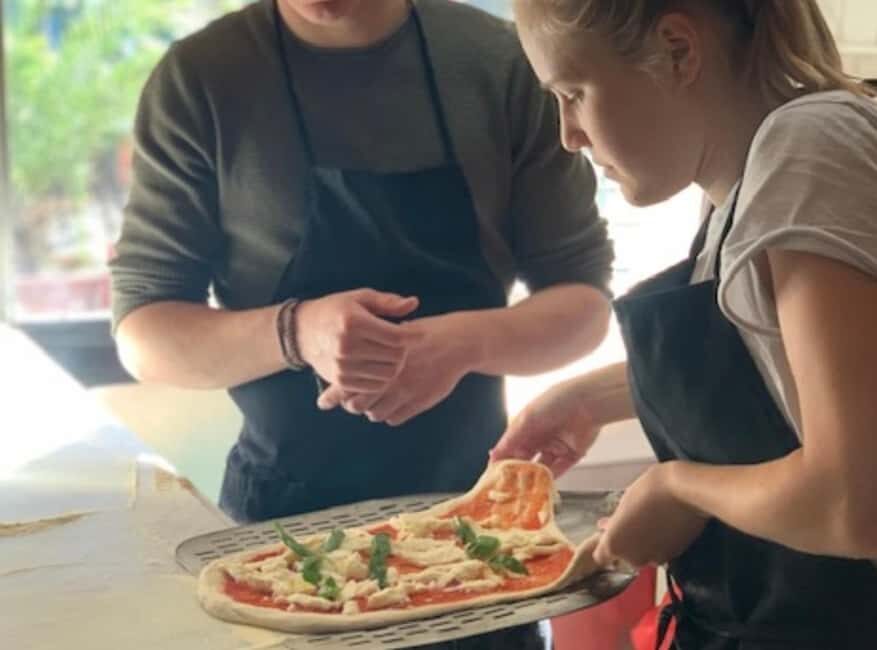
One of the standout parts is staglio, the traditional technique used to portion the dough into panetti. This is not just cutting. The way you divide matters for how the dough holds together and how it behaves later when you shape and stretch.
Here is what makes this worth your time: staglio teaches you control. If you split the dough by tearing, squeezing, or over-managing it, you can end up with uneven dough pieces that behave differently in the oven. If you do it the right way, you set yourself up for smoother shaping and a more consistent bake.
You will also get to practice this at your own station. That is a big deal for a class like this, because pizza dough handling is one of those skills you only learn by doing it with guidance. Someone corrects your hands while you are still able to fix things.
Shaping and Stretching for Real Neapolitan Pizza
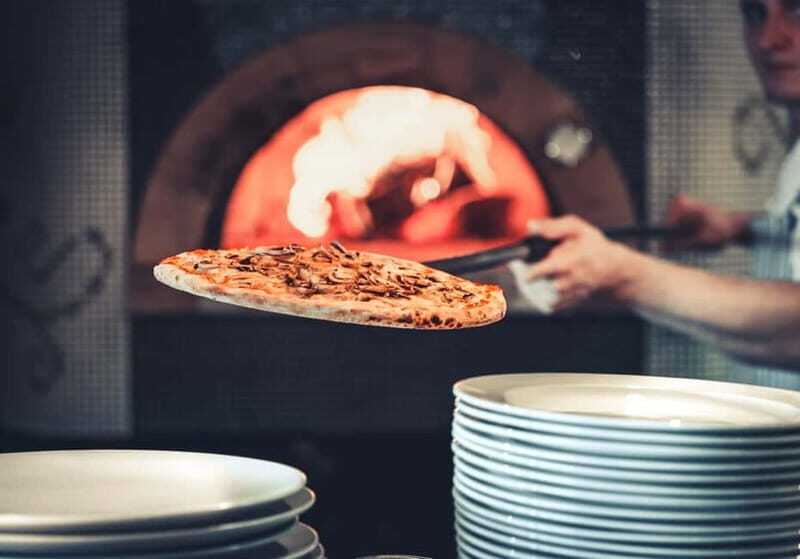
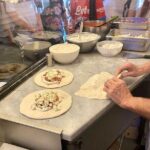
After portioning into panetti, you move into shaping and stretching. Neapolitan pizza is famous for having a specific kind of edge and center: airy, flexible, and not overly thick.
The instructor or pizzaiolo will guide you through the motions while you watch how the dough should react. Pay attention to feedback on subtle points like stretch resistance and how the dough should feel as it opens up. A few instructors in past sessions (for example Maurizio/Mauritzio and Alessandro appear in different groups) are known for making those steps feel simple once you get the muscle memory.
No one needs to be a chef beforehand. One consistent theme in these experiences is that the class is structured so first-timers can succeed. If you have never made dough, that is not a problem. If you have made bread, you might find you need to unlearn a few habits that do not apply to Neapolitan style.
Toppings Done Neapolitan Style: San Marzano, Buffalo Mozzarella, Basil
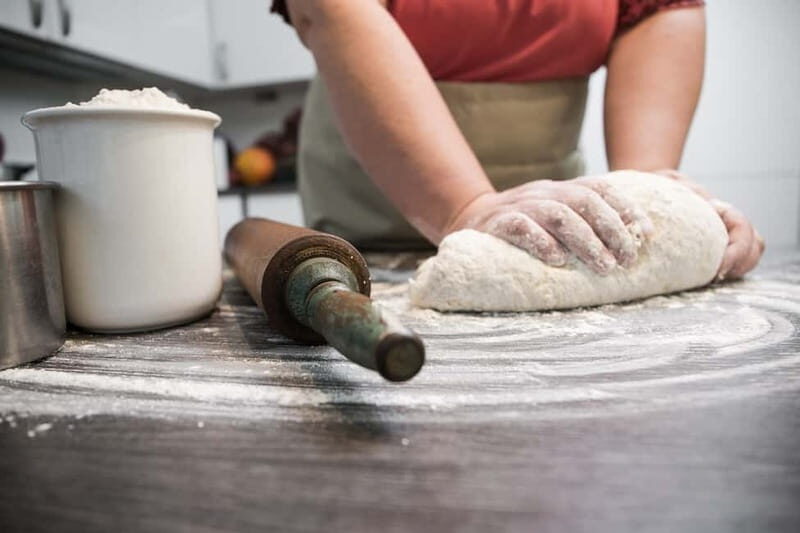
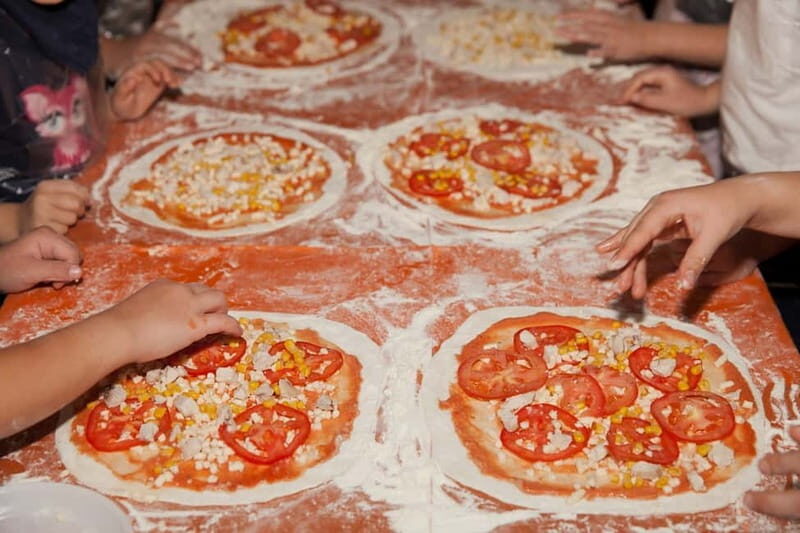
Now you get to the part everyone pictures: topping your pizza. The lesson keeps it authentic with classic ingredients tied to Neapolitan tradition.
You will top your pizza with:
- San Marzano tomatoes
- Buffalo mozzarella
- Basil
- DOP extra virgin olive oil
This matters for two reasons. First, it makes your pizza taste like the real benchmark. Second, you learn how ingredient choice affects moisture and flavor, which influences how the dough bakes and how the pizza holds together.
A practical tip: keep your toppings simple and follow the instructor’s guidance on amounts. Neapolitan pizza is not about piling on. It is about keeping the dough and toppings in balance, so the final pizza has structure and flavor without turning soggy.




Wood-Fired Oven Baking and the Margherita You Actually Eat
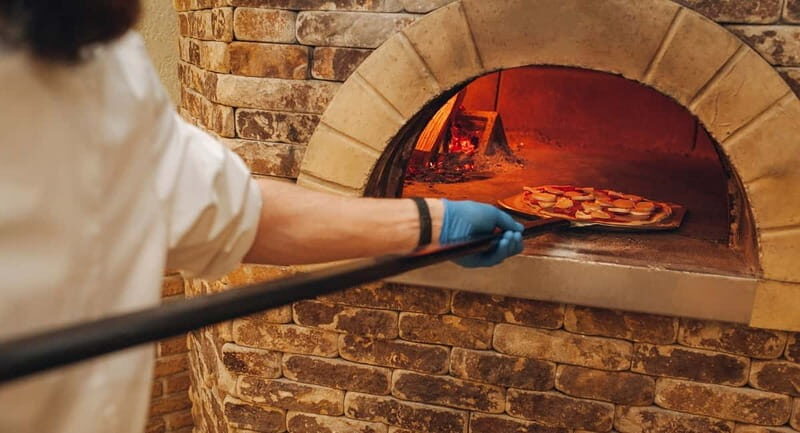
When your pizza goes into a wood-fired oven, you see why this style is so specific about technique. Heat is intense and fast. A dough that is shaped correctly and portioned well bakes into that classic Neapolitan look.
You do not just bake and walk away. You sit down afterward to enjoy your handcrafted Margherita in a welcoming setting. You also get a glass of local wine, water, or beer, plus limoncello later in the meal flow.
This is one of the best value parts of the class: you taste what you made while it is still fresh, hot, and at peak texture. It is easier to learn when you can connect the last instruction you received to the first bite you take.
The Sweet Pivot: Fried Pizza Dough Bites With Chocolate Spread
Many classes end at the pizza. This one keeps going, using the same dough approach to create a sweet finish.
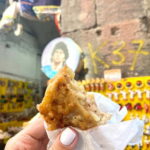
You will make crispy fried pizza dough bites filled with a famous chocolate spread. It is a fun contrast to the savory pizza and, honestly, it is a smart way to keep your dough lesson connected to different textures and cooking methods.
A small reality check: frying is fast, and the dessert portion can feel a bit heavy after you just ate a full pizza meal. In at least one experience, someone felt the fried element might have been too much. If you have a sweet tooth, you may love it. If you prefer lighter desserts, consider slowing your pace with the wine or take smaller bites and save limoncello for last.
Still, the sweet finale is part of what makes this class feel like a true Neapolitan street-food-inspired meal rather than a workshop snack.
Drinks, Limoncello, and the Social Rhythm of the Class

The meal is not just food. It is also a social reset during your Naples day. You get one glass of wine, water, or beer, and limoncello is included.
That helps you relax right when pizza-making can feel a little hands-on and busy. In these sessions, the hosts and pizzaioli tend to move between teaching and checking in, especially when groups are small and everyone is actively working. If you get a translator host like Sabrina, the tone often feels like a guided experience where you can ask what a term means, not just follow directions silently.
Price and Value: What You’re Really Paying For
At $67.19 per person for about 2 hours, you are not paying for flour-and-water theater. You are paying for:
- A World Champion pizzeria setting
- Individual hands-on stations
- A guided lesson that includes both savory pizza and a sweet dessert made from the dough
- Ingredients and wood-fired oven baking
- A digital recipe to take home
- Drinks including limoncello
The price feels most reasonable when you compare it to typical food experiences that give you taste but not technique. Here, you leave with both: you eat the pizza and also learn the method well enough to try again later.
Also, small-group setups help justify the cost. When you are not sharing attention with a large crowd, instruction quality is easier to maintain and you spend more time actually shaping dough.
Who Should Book This (And Who Might Not)
This class is ideal if you want Neapolitan pizza skills without guessing. If you like learning with your hands, want to understand dough handling, and care about ingredient quality, you will likely enjoy the structure.
You might especially like it if:
- You have no baking experience and want clear step-by-step guidance
- You are a food lover who wants to taste what you make
- You want a Naples activity that feels local, not touristy
You might not love it as much if:
- You want an extended fermentation timeline and slower pacing
- You are very sensitive to a heavier meal, since you get pizza plus fried dessert and limoncello
Should You Book This Naples Premium Pizza-Making Class?
Yes, if your goal is to learn Neapolitan pizza in a way you can repeat. The strongest reason to book is that this is a technique-first, hands-on class in a wood-fired, World Champion environment, with a meal attached to the lesson so it feels worth your time.
If you are short on time in Naples but still want something memorable and practical, this hits the sweet spot: it is only 2 hours, you eat what you make, and you get a digital recipe to help you try the dough at home.
FAQ
How long is the pizza-making class?
The class lasts about 2 hours.
Where does the class take place in Naples?
It takes place in Campania, Italy, at a pizzeria setting. The exact meeting point may vary depending on the option booked.
What languages are offered during the class?
Instruction is available in English and Italian.
Is the class hands-on, or is it mostly watching?
It is hands-on. You work at an individual station and prepare the dough, shape your pizza, and assemble/touch the process.
What food is included in the meal?
You make and eat a savory Neapolitan pizza (Margherita) and also finish with a sweet dessert: fried pizza dough bites filled with chocolate spread, made using the same dough.
Are drinks included?
Yes. You get one glass of wine, water, or beer, and limoncello is included as well.
Is there a digital recipe you can take home?
Yes, you receive a digital recipe.
Are small groups or private options available?
Yes. The experience is offered as private or small groups.
What is the booking and cancellation policy?
You can reserve now and pay later, and cancellation is free up to 24 hours in advance for a full refund.