REVIEW · POMPEII
Pompeii: Skip the line ticket (art) + audioguide + map
Book on Viator →Operated by Pompei Tour Organizer_Tempio Travel · Bookable on Viator
Pompeii is one of those places that feels huge. This package pairs pre-booked entry with an authorized audioguide device + map, so you can move through the ruins without waiting on the usual ticket line shuffle. It also focuses on the parts that matter most: houses, temples, theatres, and streets laid out across a city frozen by volcanic ash.
I particularly like the simplicity of the setup: you pick up the audioguide device and map, then follow the guided numbers on-screen on the device as you walk. Another win is pacing. Instead of a single group schedule, you choose your own stops and time per highlight—useful if you want slower time for photos, or faster time when heat and crowds start pressing.
The main drawback is not Pompeii itself. It’s the process. Even with priority admission, you may still need to handle voucher/device pickup steps and ticket exchange at the right place, and that’s where people can get turned around.
In This Review
- Key highlights worth your attention
- The real value: pre-booked entry plus an audioguide you can control
- Getting in through Porta Marina Inferiore: the gate detail that changes everything
- Audioguide setup: how to use the numbered explanations (and avoid device frustration)
- What you actually see at Pompeii: houses, temples, theatres, and street-level reality
- Timing and season: why your start time can make or break the visit
- Where people get stuck: vouchers, exchanges, and unclear directions
- Comfort checklist: bring headphones, ID, and a realistic plan for the heat
- Getting value for $44.31: when the skip-the-line combo is worth it
- Best fit: who should book this Pompeii skip-the-line audioguide?
- Should you book this Pompeii skip-the-line audioguide ticket?
- FAQ
- How long does the Pompeii tour last?
- Is this tour offered in English?
- Does the price include entry tickets and the audioguide?
- Where is the priority entrance for this package?
- Are headphones included with the audioguide?
- What ID do I need to bring?
- Is parking included?
- Is food or hotel pickup included?
- Is the experience private?
- Can I cancel for free?
Key highlights worth your attention
- Authorized audioguide for tour operators linked to the ruins with numbered stops
- Priority access from Porta Marina Inferiore (Piazza Esedra), not every gate offers it
- Skip-the-line ticket is pre-booked, but you still must use the correct entrance and pickup points
- Hands-free use is possible, either supported hands-free or with standard jack headphones (not included)
- Self-guided pacing means you can spend more time where you care most
- Bring ID for the audioguide deposit requirement
The real value: pre-booked entry plus an audioguide you can control
For Pompeii, time is the currency. You’re looking at a sprawling archaeological park where walking is part of the point—and waiting steals the day. This experience costs $44.31 per person for a roughly 2 to 4 hour self-guided visit, and the value comes from two things working together: the pre-booked admission ticket (via Artecard) and the audioguide device.
If you do Pompeii during peak hours or busy seasons, the biggest benefit isn’t magic. It’s logistics. You’re trying to avoid the long, chaotic start that can happen when you arrive and then scramble to figure out what to buy and where to go. With this package, you start with a plan: entry ticket + audioguide + map in one bundle.
What you should keep in mind is that the audioguide is not just “nice to have.” The device is designed so you access explanations using numbers on the device, guiding you through what you’re looking at in the park. That structure makes Pompeii feel less like wandering and more like a guided route—just at your pace.
You can also read our reviews of more tours and experiences in Pompeii



Getting in through Porta Marina Inferiore: the gate detail that changes everything
The “skip-the-line” promise lives or dies by one thing: using the correct access point. For this package, priority entry is from Porta Marina Inferiore, located in Piazza Esedra. Some people get stuck because they head for a different entrance, expecting that every gate will treat their booking the same way.
So here’s the practical mindset to use: treat this as a two-stage job.
- Stage 1: Get your audioguide device + map and the right paperwork handled at the operator’s office.
- Stage 2: Enter Pompeii using the priority access point: Porta Marina Inferiore.
If you go to the wrong entrance even once, you can lose a lot of time—because you may end up waiting in an exchange line or walking to the correct gate. It’s not Pompeii being difficult. It’s the system matching the ticket to the correct entrance.
Also note one important detail from the experience setup: your entry ticket is handled as Artecard, and the package includes dedicated access from that priority entrance area. That’s why it’s smart to arrive calm and methodical. Get oriented first, then start walking.
Audioguide setup: how to use the numbered explanations (and avoid device frustration)

The audioguide experience here is built around a simple method: you follow the numbered references on the device as you move through the ruins. That means the device isn’t just telling a story in the abstract—it’s pointing you to what to look at next.
You’ll have two ways to listen:
- Hands-free or with standard jack headphones
- Headphones are not included, so bring your own if you prefer a clean sound setup
Several people find phone-style listening workable, while others call it awkward. The device itself is the key: it’s designed to be used in a way that lets you keep your attention on the stones around you. If you want a more comfortable experience, pack small wired headphones and you’ll reduce any “holding the device to your ear” moments.
Another practical factor: your map matters. Some people say maps were easy, and others struggled. If you’re the type who hates getting lost, plan to stop early and spend a few minutes checking your device and map before you walk far. Pompeii’s scale can make you feel like you’re off-route even when you’re doing everything right.
Finally, there’s the ID deposit requirement. You’ll need a valid ID as a deposit for the audioguide device, and it’s returned when you bring it back. Bring the ID you’re planning to use—don’t rely on the idea that your booking alone will be enough.
What you actually see at Pompeii: houses, temples, theatres, and street-level reality
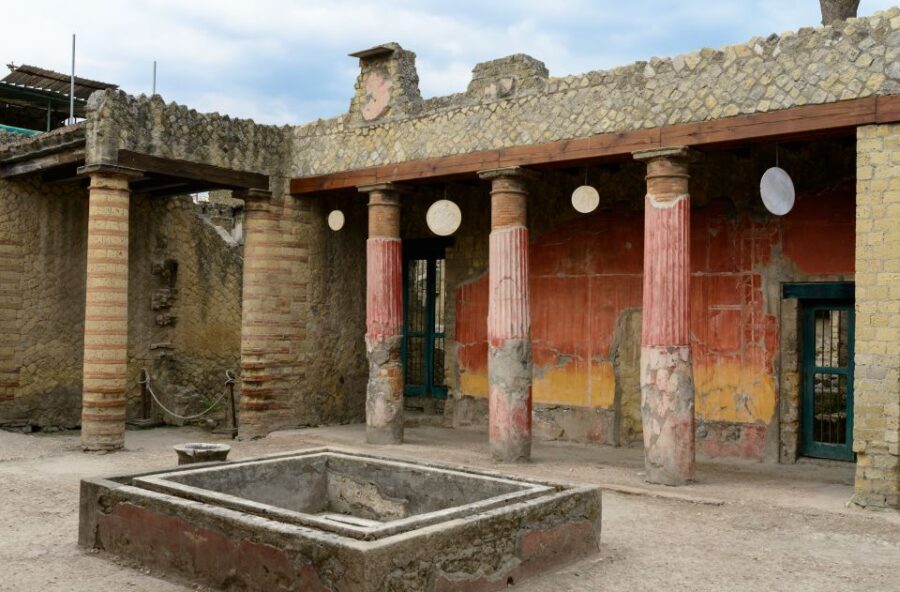
This is a self-guided walkthrough of the Archaeological Park of Pompeii, using the audioguide to structure what you look at. The highlights you’re expected to cover include the kind of ruins that make Pompeii so powerful:
- Houses, where you see how everyday life was laid out
- Temples, showing religious spaces and public meaning
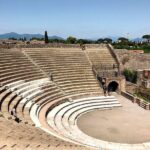
- Theatres, revealing how entertainment and social life worked
- Streets, which connect everything and show the city’s movement
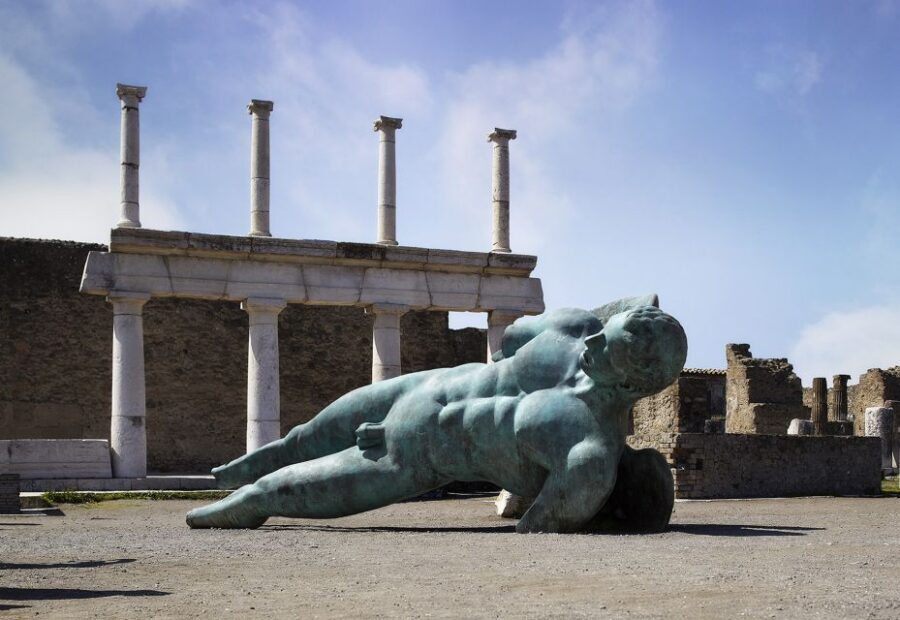
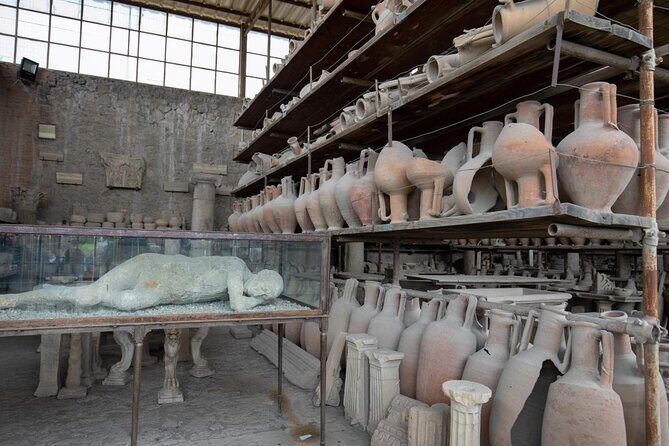
What makes Pompeii special is the preservation. Volcanic ash is what froze the city for centuries, and the audioguide is designed to explain what you’re seeing in context. That’s what turns “I walked past some rooms” into “I understand why this space mattered.”
Because you’re choosing your own pace, you can do something many guided group tours don’t let you do: linger at details. If you love architecture, you can slow down around doorways and room layouts. If you’re more into daily life, you can spend extra time on areas that show how people moved and worked.
And if you’re worried about walking time, this is one reason the device + map pairing matters. When your route is guided, you waste less energy figuring out what to see next.
Timing and season: why your start time can make or break the visit
Even with priority entry, the day can still feel tough depending on the conditions. Pompeii can get hot with limited shade, and that affects how long you can realistically enjoy the site.
Here’s the approach I’d use:
- Start earlier rather than later when possible
- Plan for at least one water refill opportunity on your schedule
- Build extra breaks into your timing, especially in summer
The tour itself is typically 2 to 4 hours, which sounds short until you’re walking between areas and stopping to read the device prompts. If you’re booking for a limited window—like a cruise schedule or a fixed pickup time—give yourself extra buffer. Ticketing and orientation steps can take longer than expected when signposting is unclear or when multiple groups are arriving around the same time.
If the weather turns rainy, that can change the vibe too. People have described this experience as still enjoyable in bad weather, which makes sense: Pompeii is still Pompeii, and the self-guided format helps if you don’t want to be locked into a tight group schedule.
You can also read our reviews of more tours and experiences in Pompeii


Where people get stuck: vouchers, exchanges, and unclear directions
Let’s talk about the messy part, because it shows up repeatedly in real-world experiences. The product experience includes a voucher-style component as part of how you receive the correct entry and device, and that’s where frustration can happen.
Common pain points to watch for:
- Arriving at the gate thinking your voucher is the ticket for entry
- Going to the wrong entrance instead of the correct priority gate
- Not realizing you must pick up the device and handle the ticket exchange at the right office area first
The practical fix is simple: don’t treat this like a single scan at the gate and you’re done. Treat it like a short “workflow.” If you stay calm and follow the directions you received for pickup and the correct entrance, the visit usually goes much smoother.
Also, build in patience for queuing even if your booking is pre-booked. Some lines may still exist for exchange and security. The goal here is reducing the worst waits—not guaranteeing an empty gate.
Comfort checklist: bring headphones, ID, and a realistic plan for the heat
This package doesn’t include everything you might assume you need. The essentials you should prepare yourself for:
- Headphones: not included, though standard jack headphones can work
- A valid ID: required as a deposit for the audioguide device
- Water and sun protection: shade is limited, and the walk adds up fast
- A device-friendly attitude: the audioguide is phone-style, so plan how you’ll keep it comfortable
If you’re traveling as a family or with kids, this is even more important. A device-based audio setup can become “a hand-holding problem.” Consider whether everyone can comfortably manage the map and device without constant dropping or switching screens.
For food: food isn’t included. Plan your snack and water timing around the areas you’ll actually finish in, so you’re not stuck searching when you’re already tired.
Getting value for $44.31: when the skip-the-line combo is worth it
At $44.31 per person, you’re paying for three practical items: pre-booked Artecard entry, the audioguide device, and the map. The deal makes the most sense when:
- You expect crowds at your visit time
- You don’t want to spend the first hour figuring out what to buy and where to go
- You want a guided structure without committing to a full live guide
If you’re coming from far away, or if your day is scheduled tightly, the combined ticket + audioguide bundle can reduce decision fatigue. You show up, complete the pickup workflow, and start reading the site as you walk.
But the value drops if you’re extremely flexible and happy buying onsite, or if you’re the type who wants full control with zero ticket-office steps. In that case, you might prefer a simpler plan. This package shines when you want convenience and pacing control more than you want a single, no-friction entry moment.
Best fit: who should book this Pompeii skip-the-line audioguide?
This is a solid choice if you want Pompeii to feel personal rather than rushed. It’s especially good for:
- People who like to move at their own speed
- Travelers who prefer explanations but don’t want to follow a fixed group pace
- First-timers who want structure and context without paying for a full guided tour
It can also work for repeat visitors who want a fresh way to interpret the ruins. The numbered device approach makes it easy to focus on specific themes even if you’ve been once before.
It’s set up as a private tour/activity for your group, which can feel calmer than joining a large bus group. Service animals are allowed, and it’s near public transportation—so you’re not locked into private car logistics.
Should you book this Pompeii skip-the-line audioguide ticket?
I’d book it if your top priority is more time inside Pompeii and less time solving ticket questions. The priority access from Porta Marina Inferiore, plus the audioguide that uses numbered prompts, is the heart of the value.
I’d reconsider if you hate ticket-office workflows, or if you’re arriving with very little buffer time and you know you’ll be stressed by any confusion about where to exchange vouchers or which gate to enter. In that scenario, you may want a plan with fewer steps.
If you do book, set yourself up for success: go early when you can, bring ID and (ideally) wired headphones, and mentally treat the experience like a short process before your walk starts. Then Pompeii becomes what it should be—an awe-filled walk through a city that survived the ash.
FAQ
How long does the Pompeii tour last?
It runs about 2 to 4 hours depending on how much time you spend walking and listening.
Is this tour offered in English?
Yes, it’s offered in English.
Does the price include entry tickets and the audioguide?
Yes. Your package includes the Archaeological Park entry express ticket (Artecard) plus the audioguide device and a map.
Where is the priority entrance for this package?
Priority access is from Porta Marina Inferiore, located in Piazza Esedra.
Are headphones included with the audioguide?
No. Headphones are not included. You can use hands-free or use standard jack headphones.
What ID do I need to bring?
You need a valid ID as a deposit for the audioguide device, and it’s returned when you give the device back.
Is parking included?
If available, there is free parking (not gated) from 01/04 at Osteria Nonna Cherubina, Via Andolfi 46.
Is food or hotel pickup included?
No. Food and hotel pick up are not included.
Is the experience private?
Yes. It’s listed as a private tour/activity, meaning only your group participates.
Can I cancel for free?
Yes, you can cancel for a full refund up to 24 hours in advance. If you cancel less than 24 hours before, it’s not refundable.