REVIEW · POMPEII
2 Hours Private Walking Tour in Pompeii with an Archaeologist
Book on Viator →Operated by Tours with an archaeologist · Bookable on Viator
Pompeii clicks into focus fast. A private 2-hour walking tour with an archaeologist is one of the most efficient ways to see the key parts of this UNESCO site without getting lost in the ruins. I especially like how you get a clear view of the public areas (theatres, thermal baths, Forum, Sacred Area) and how you also visit private daily-life spaces like a thermopolium and nearby houses. One drawback to plan for: the €20 entrance fee per person is not included, and the tour depends on good weather.
What makes this work well is the guide quality. You’ll have a licensed guide with a degree in archaeology, and the tour is designed to be personalized for a small group (up to 8). Also, the name Yana shows up with strong praise for matching what people hoped for and making the site feel understandable rather than overwhelming. The main consideration is that this is a tight time window, so you’ll want to be ready to walk and keep moving.
In This Review
- Why a private archaeologist guide matters at Pompeii
- Starting at Piazza Esedra: a simple way to begin
- Public life in Pompeii: theatres, thermal baths, Forum, and Sacred Area
- Hidden and lesser-seen areas out of the tourist rush
- Private life you can actually picture: thermopolium, bakery, fabric market, houses
- How the 2-hour timing keeps Pompeii manageable
- Price and ticket math: what you’re really paying for
- What it feels like on the ground (and what to bring)
- Who should book this private Pompeii tour
- Should you book this Pompeii private walking tour with an archaeologist?
- FAQ
- How long is the Pompeii private walking tour?
- Is the Pompeii Archaeological Park entrance ticket included?
- What is the price for this private tour?
- What language is the tour in?
- Where do we meet, and where does it end?
- What happens if the tour is canceled due to bad weather?
Why a private archaeologist guide matters at Pompeii
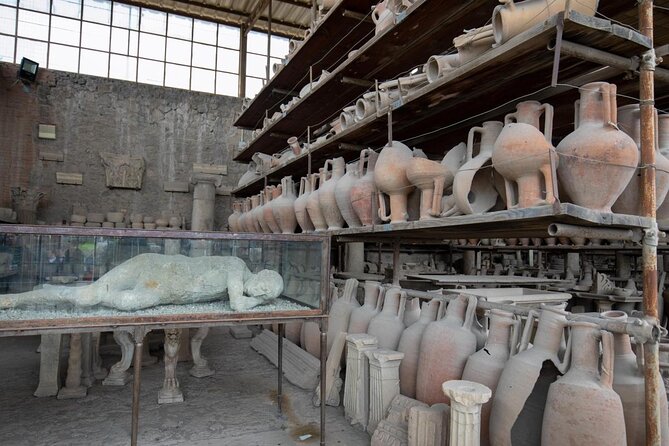
Pompeii is big, and it’s easy to tour it like a check-list: look, snap a photo, move on. This private format changes the feel. With your archaeologist guiding the route, you’re not just looking at stones—you’re learning how spaces were used, what Roman daily routines might have looked like, and how the city worked as a whole.
This tour also has a smart mix of “big-picture” and “hands-on detail.” You spend time in the major public spaces that help you understand the city’s layout and purpose. Then you get into areas tied to daily life—food, shopping, and homes—so the ruins feel less like a museum and more like a place where people actually lived.
Starting at Piazza Esedra: a simple way to begin
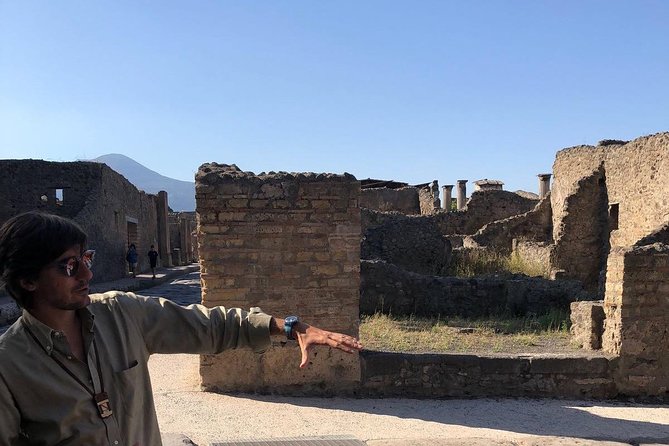
You meet at Piazza Esedra, 10/13, 80045 Pompei NA, Italy, and the tour ends back at the meeting point. That round-trip approach is handy when you’re trying to plan the rest of your day—no awkward “figure out how to get back” at the end.
It’s also described as near public transportation, which helps if you’re coming from another area in Campania. And since you’ll have a mobile ticket, you can keep things streamlined on the day of your visit. For a place like Pompeii, where you’re walking continuously for hours, start and finish simplicity is not a small detail.
You can also read our reviews of more tours and experiences in Pompeii.

Public life in Pompeii: theatres, thermal baths, Forum, and Sacred Area
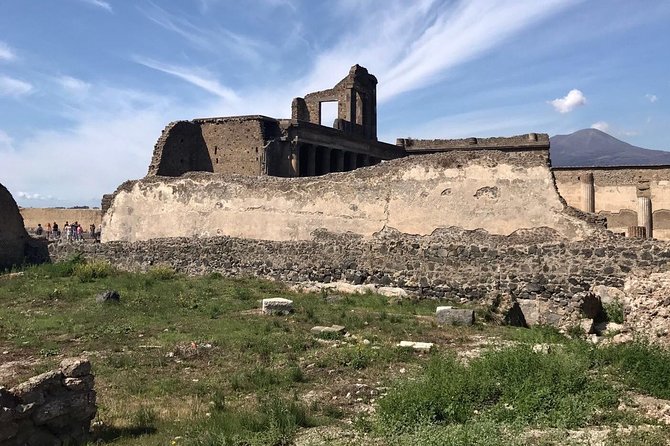
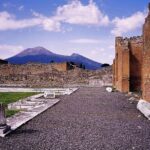
This is where you’ll get oriented. The tour highlights the Pompeii Archaeological Park areas people most connect with—but you’re not simply “seeing” them. You’re learning how they functioned in Roman life, which makes the ruins much easier to interpret as you move.
Here’s what you can expect in this public-life portion:
- Theatres: You’ll spend time in the spaces tied to performance and public gathering, which helps you understand how Romans used entertainment and spectacle as social glue.
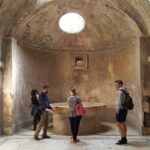
- Thermal baths: Baths weren’t only about cleaning. They were social spaces where people lingered, talked, and relaxed. Seeing them with context makes the layout and rooms feel purposeful, not random.
- Forum (main square): This is the city’s central public area. When your guide explains it in the flow of the city, it helps you understand why Pompeii’s social and political life clustered here.
- Sacred Area: Religious spaces shape daily rhythms in any ancient city. Your guide’s explanations can help you connect religion to public space, not treat it as an isolated feature.
The best part is the balance: you get enough structure to understand Pompeii’s main “public map,” but the tour still leaves room for the interesting parts beyond the obvious routes.
Hidden and lesser-seen areas out of the tourist rush
Pompeii is famous for a reason, but popularity creates repetition. This tour aims to go beyond the most obvious circuits by giving you the chance to discover areas described as hidden or secret and away from the busiest routes.
What that means for you in practice: you’re more likely to feel like you’re walking through a working city rather than a theme-park route. Even in two hours, this “off the beaten path” approach can make a huge difference in how much you take in, because you’re not just racing between the same photo spots.
And because the guide is an archaeologist, the stops don’t feel random. You’re getting explanations for why certain areas matter and how they fit into daily routines.
Private life you can actually picture: thermopolium, bakery, fabric market, houses
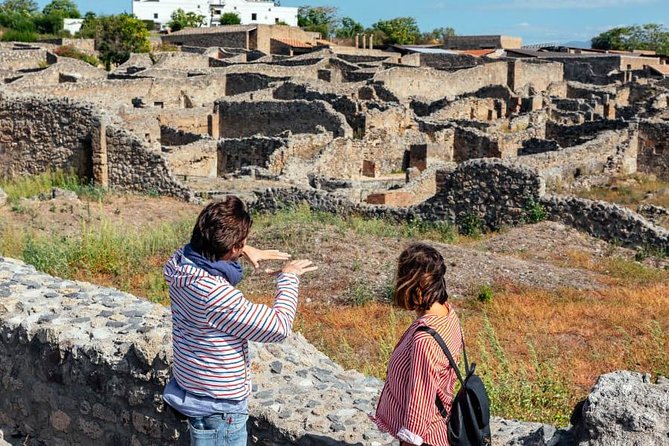
One reason I like this tour is that it doesn’t stop at public monuments. You also investigate private buildings, which helps you understand Pompeii as lived-in daily life.
Key stops in this daily-life section include:
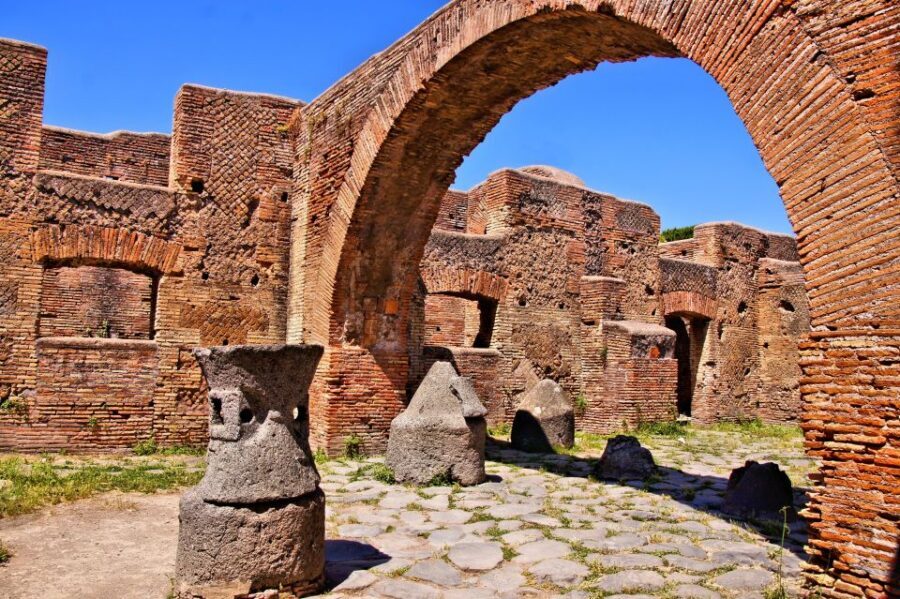
- Thermopolium: A Roman fast food place. Think of it as a quick meal spot where locals grabbed food rather than sitting down for a long event. Seeing the layout with an archaeologist’s context helps the idea of daily eating feel real instead of vague.
- Bakery: Food production and supply matter in any city. A bakery stop gives you a sense of how Rome fed residents and how commerce supported everyday life.
- Fabric market: Clothing and textiles are part of daily routine and local business. This stop helps you connect the city’s economy to ordinary tasks.
- Houses: Homes are where you start to understand the human scale. Even without walking through every room in detail, the guided focus helps you make sense of domestic space.
This combination is a strong way to “read” Pompeii. Public spaces explain the city’s social structure. Private spaces explain what people did when they weren’t gathering in squares or theatres. Put together, it’s a more complete picture of Roman life.
How the 2-hour timing keeps Pompeii manageable
Two hours sounds short for Pompeii, and that’s the point. The tour is designed to hit the most important areas while keeping the pace realistic. If you’ve ever walked a big archaeological site and lost the plot halfway through, you’ll appreciate the controlled route and focused stops.
It’s also private, which helps with timing. You’re not stuck in a mass group that only stops when the schedule says so. The guide can keep you moving while still giving you enough explanation to understand what you’re looking at.
The other timing benefit: you can plan your day around a predictable window. Book this if you want Pompeii on your itinerary without turning your whole trip into a single long museum marathon.


Price and ticket math: what you’re really paying for
This tour costs $336.43 per group (up to 8) for about 2 hours. That pricing can feel steep if you think per person. But in a private tour, you should calculate cost by the group, not like a public bus tour.
Here’s the practical value check:
- You’re paying for a licensed guide with a degree in archaeology. That’s a real credential difference versus a general storyteller.
- You’re paying for a small-group private route, including public sites and private daily-life spaces.
- You’re paying for a focused two-hour experience, not an all-day wandering session.
One must-know expense: the Pompeii Archaeological Park entrance ticket is €20 per person and is not included. So your total day cost will be that ticket plus the group tour price. If you’re traveling with up to a full group of 8, this becomes much easier to justify.
A booking detail worth noting: it’s described as typically booked about 7 days in advance. If you want a specific time slot, it’s smart to avoid waiting until the last minute.
What it feels like on the ground (and what to bring)
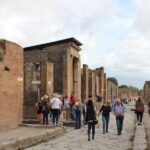
Based on the structure of the tour, expect a walking experience inside the Pompeii Archaeological Park with frequent stop-and-explain segments. Since it focuses on major public areas and then private buildings, you’ll be switching your mental mode: first city life, then everyday routines.
A couple of practical considerations:
- The experience requires good weather. If weather is poor and the tour is canceled, you’ll be offered another date or a full refund.
- Because the tour is short, you’ll get the most out of it if you show up ready to move and pay attention during the explanations.
- Service animals are allowed, and it’s described as suitable for most travelers.
I’d treat this like an efficient guided introduction, not a slow, take-every-stone tour. If you want maximum depth, you might add extra time before or after. But as a first-or-only Pompeii experience, this is a strong match.
Who should book this private Pompeii tour
This tour is a great fit if you:
- Want Pompeii without the stress of figuring out a route on your own.
- Like your archaeology with explanation, especially when it connects buildings to daily routines.
- Prefer a private group format over crowded large-group tours.
- Are traveling with family or friends and can split the group cost.
It may not be ideal if:
- You want to spend most of the day exploring completely on your own at an unhurried pace.
- You’re highly sensitive to walking or tight timing, since the tour window is only about two hours.
Should you book this Pompeii private walking tour with an archaeologist?
Yes—if you want the best use of limited time and you care about understanding what you’re seeing. The combo of major public areas (theatres, thermal baths, Forum, Sacred Area) plus private daily-life spaces (thermopolium, bakery, fabric market, houses) makes the ruins feel connected, not scattered.
Add to that the credentialed archaeologist guide and the small private group size, and you get a tour that feels built for learning, not just checking boxes. Just remember the €20 per person entrance fee is extra, and plan around good weather.
FAQ
How long is the Pompeii private walking tour?
It lasts about 2 hours.
Is the Pompeii Archaeological Park entrance ticket included?
No. The entrance fee is €20.00 per person and is not included.
What is the price for this private tour?
The price is $336.43 per group for up to 8 people.
What language is the tour in?
The tour is offered in English.
Where do we meet, and where does it end?
You meet at Piazza Esedra, 10/13, 80045 Pompei NA, Italy, and the tour ends back at the meeting point.
What happens if the tour is canceled due to bad weather?
The experience requires good weather. If it’s canceled because of poor weather, you’ll be offered a different date or a full refund.