REVIEW · POMPEI CAMPANIA
From Herculaneum to Pompeii: Audioguides + Entrance Tickets
Book on GetYourGuide →Operated by Tempio Travel Pompei Tickets · Bookable on GetYourGuide
Two ancient cities, one plan. This experience strings together Herculaneum + Pompeii in a single day, letting you explore at your own speed while an audioguide keeps the story moving. You start at Herculaneum, then head onward to Pompeii without getting stuck waiting at the gates.
I especially like two things about how this is set up. First, you get entrance tickets included for both archaeological parks, so you can focus on walking instead of queuing. Second, the experience is designed for self-guided visits, with an audioguide device and a map to help you stay oriented across two huge sites.
One thing to watch: the Pompeii audioguide pickup can be harder to spot once you arrive, since the correct desk is not always obvious in a big space. Also, the audio can lean on archaeology and architecture terms without extra plain-language explanations, so if that kind of vocabulary trips you up, go in expecting a few head-scratching moments.
In This Review
- Key takeaways before you go
- How this self-paced audioguide day really works
- Herculaneum first: what your morning at the archaeological park feels like
- Picking up the device smoothly: the one place you can’t guess
- The real connection between the sites: Circumvesuviana to Pompeii
- Pompeii on your own: audioguide pickup issues and how to prevent time loss
- Skip-the-line entry, maps, and what you won’t have access to
- Price and value: is $66.84 for two parks fair?
- Best for who: the travelers who will be happiest with this plan
- Timing and pacing: how to use your 7 hours well
- Tips to make the audioguide day smoother
- Should you book this Herculaneum + Pompeii audioguide combo?
- FAQ
- Where does the experience start?
- Where does the experience end?
- How do I get from Herculaneum to Pompeii?
- What’s included in the ticket price?
- Is access to Villa dei Misteri included?
- Are earphones included?
- What languages are available for the audio guide?
Key takeaways before you go
- Two parks, one day: You start at Herculaneum, then move on to Pompeii to compare how each city feels in person.
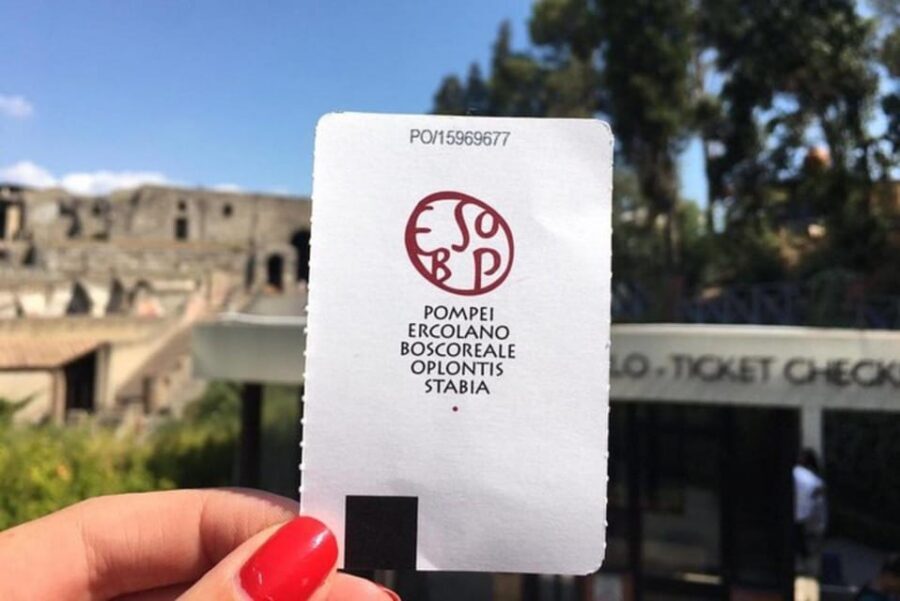
- Tickets + audioguide included: Entrance access, the device, and a map are part of the price, not add-ons.
- Skip-the-line via a separate entrance: You avoid the standard ticket crush at the entry.
- Train hop between sites: The Circumvesuviana line, direction Sorrento, is the easy link from Herculaneum to Pompeii.
- Audio comes in multiple languages: English, Italian, French, Spanish, and German are available.
- Villa dei Misteri is excluded: You’ll need another plan if that Pompeii area is a must for you.
How this self-paced audioguide day really works
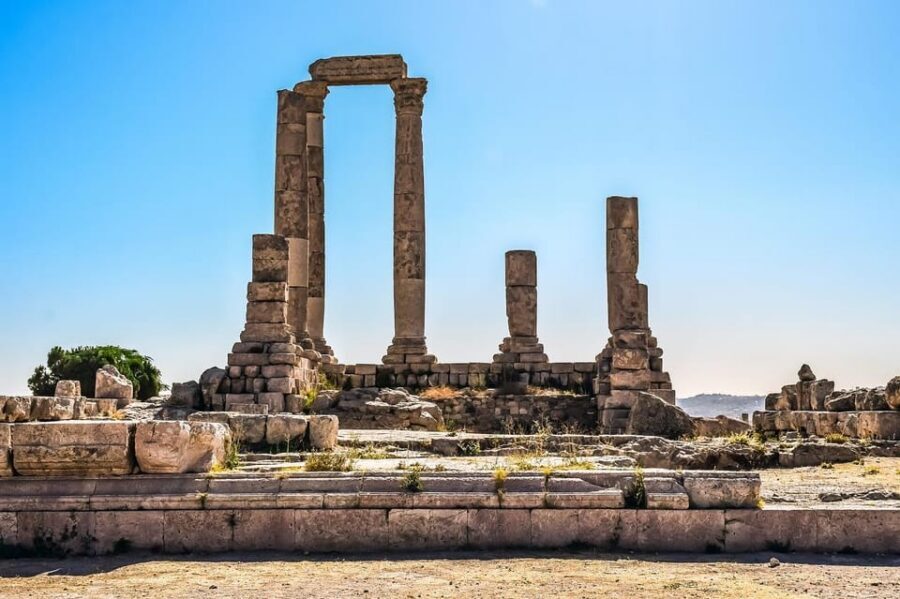
This is not a sit-and-listen guided tour. It’s closer to a “choose your rhythm” museum experience, but the museum is outdoors and the rooms are streets and ruins.
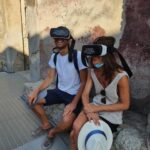
You’ll visit Herculaneum first with the included audioguide device, then you’ll do the same at Pompeii. In both places, entrance tickets are included, which matters because these sites can get busy. The audio guide is meant to carry you through key stops and highlights, so you’re not wandering without context.
The practical advantage for you: you control how long you linger. If you want more time for the parts the audio emphasizes, you can slow down. If you’re more of a “see it, then move” person, you can keep walking without feeling stuck in a group pace.
You can also read our reviews of more tours and experiences in Pompei Campania

Herculaneum first: what your morning at the archaeological park feels like
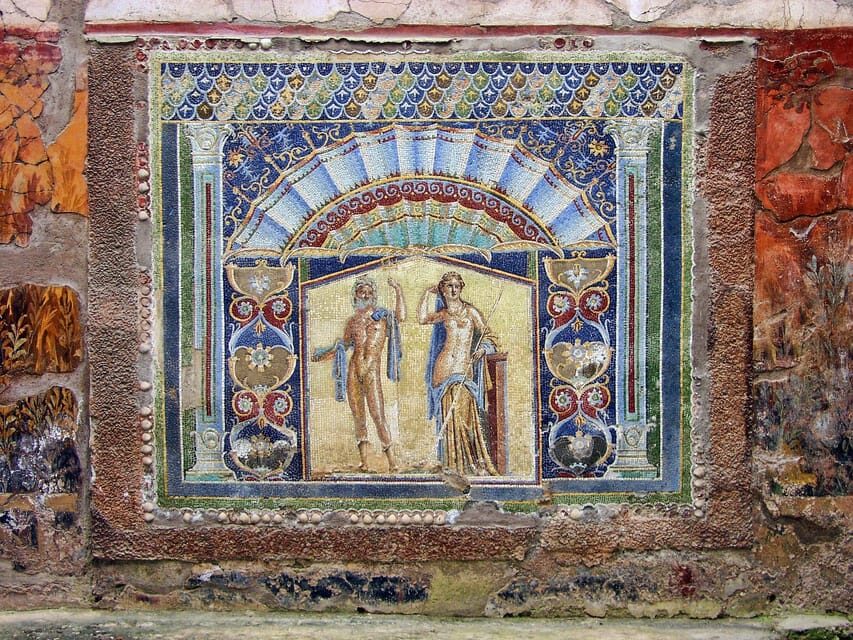
Your day begins at the Entrance at Herculaneum, where you look for the Audioguide Desk to get your device. From there, you visit on your own.
Herculaneum is a smart first stop because it sets the tone. The description notes that Herculaneum is the first site that has been discovered, and that meaning comes through when you’re standing in the preserved remains. The ruins feel like an early chapter in the story of Pompeii, and the audio is built to guide you through the highlights in that order.
What I like here is the structure: start, pick up the guide, then walk. No hunting for a meeting-time speech. No waiting for a tour start. You can simply put on the device and start moving.
Picking up the device smoothly: the one place you can’t guess
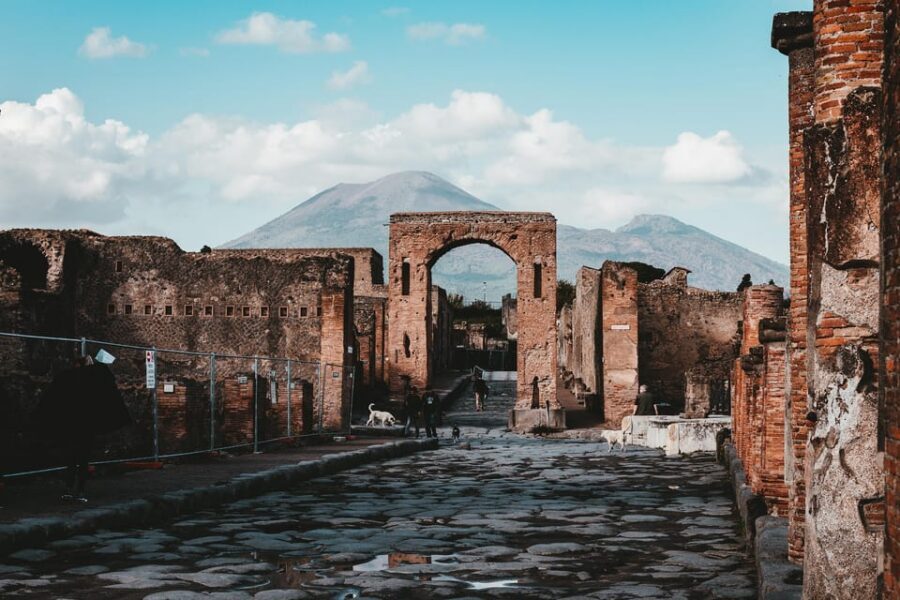
The experience uses a desk setup at the start. That matters because the day depends on you getting the right audioguide at the right time.
At Herculaneum, the desk is clearly indicated as the pickup point. Once you’re there, your best move is simple:
- Go straight to the audioguide desk at the entrance.
- Confirm you have the right device and the right language before you begin walking.
That one habit can save you a lot of frustration later. And later is where this plan is most likely to get annoying.
The real connection between the sites: Circumvesuviana to Pompeii
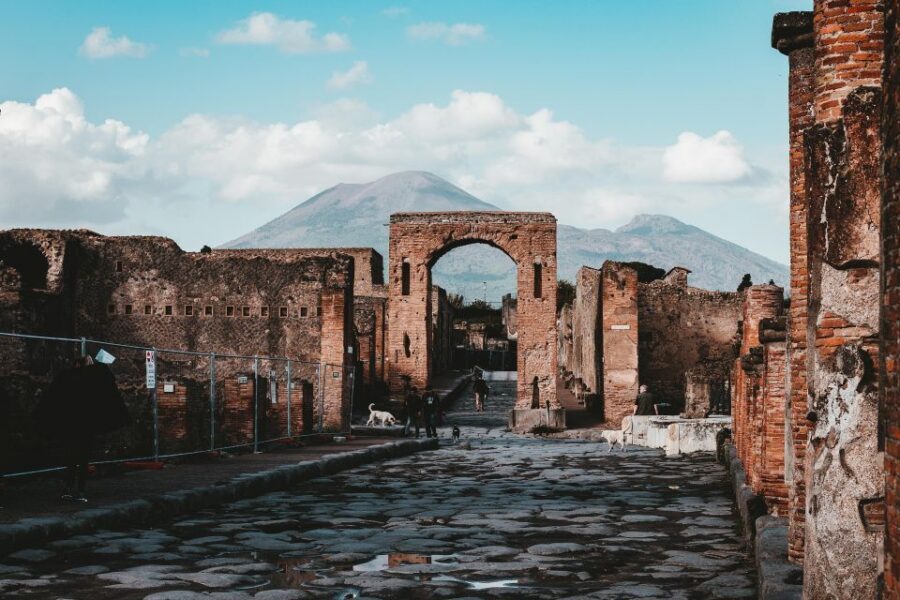
After you’ve worked through Herculaneum with your audio, you travel to Pompeii on your own.
The good news: it’s easy by train using the Circumvesuviana line in the direction of Sorrento. That’s helpful because you’re not figuring out an elaborate transfer system. You’re basically following a straightforward rail route that locals and regular visitors use.
Why this matters for your day: the entire point of bundling both parks is time. A clean, simple transit link helps you keep the day from turning into a logistics day.
Practical tip: give yourself a little buffer between finishing Herculaneum and needing to start the Pompeii audioguide. You don’t want to feel rushed while you’re trying to locate the correct desk in a large site.
Pompeii on your own: audioguide pickup issues and how to prevent time loss
At Pompeii, you again visit on your own with the included audioguide and included entrance access. The audio is designed to cover the highlights of the city in the same “self-guided” style as Herculaneum.
Now for the key consideration: the Pompeii pickup point for the second audioguide is not always easy to find. Since Pompeii is huge, the desk signage can be less obvious once you enter, and you may have to figure out the location yourself. In a perfect world, you spot it fast and keep going. In the real world, you should plan to spend a few extra minutes just getting your bearings.
If you want to make this smoother, here’s what works:
- Move slowly when you first enter Pompeii so you don’t miss a visible desk area.
- If the desk doesn’t pop out right away, ask on-site staff rather than guessing and losing time.
Also keep in mind that the audio explanations can include terms that sound technical if you are not familiar with Roman-era architecture. One example mentioned is atrium. If you hear a term you don’t fully know, you can either accept it as a label and keep walking, or use your phone to quickly translate. Either way, don’t let one word derail your whole visit.




Skip-the-line entry, maps, and what you won’t have access to
This plan includes entrance tickets, an audioguide device, and a map. That combination is a real value lever because it covers the three “must-haves” for a self-guided day.
It also includes a skip-the-line benefit via a separate entrance. That’s a big deal in these places. When you can avoid the entry bottleneck, you start experiencing the ruins sooner instead of standing around.
A clear limitation: access to the Villa dei Misteri area is not included. If that specific stop is one of your top reasons for visiting Pompeii, you’ll likely want a different ticket or add-on that includes that area.
One more small but important detail: the listing says earphones are not included. So you’ll either want your own (wired or Bluetooth, depending on the device rules) or be ready to borrow or purchase where available on-site. Don’t arrive planning to rely on luck.
Price and value: is $66.84 for two parks fair?
At about $66.84 per person for this 7-hour option, you’re paying for more than “two admissions.” You’re paying for the convenience layer: entrance tickets at both archaeological parks plus an audioguide device and a map.
Here’s how I see the value:
- If you were buying two separate tickets and then trying to coordinate audioguides yourself, the total cost and hassle would usually be higher.
- Getting the audioguide device included means you’re not negotiating with staff or trying to find the right counter once you arrive.
- The skip-the-line entry can make the day feel more relaxed, which is its own kind of value when you have a limited number of hours.
Where the price may feel less perfect is the stuff that is not included: earphones and Villa dei Misteri access. If those matter to you, the effective value drops unless you plan around them.
If you want a day that’s mostly walking with context—rather than a lecture from a group—this price makes sense.
Best for who: the travelers who will be happiest with this plan
This is a good match if you:
- Prefer self-paced travel over group schedules.
- Want both Herculaneum and Pompeii in one day, without paying for two separate full tours.
- Like using audio at your own rhythm, especially when a site is too big for fast, casual sightseeing.
It may not be the best fit if you:
- Really want access to the Villa dei Misteri area.
- Need extra plain-language help with architecture terms and want a more guided explanation style.
- Hate spending time searching for something in large sites—because the second pickup point can be tricky in Pompeii.
Timing and pacing: how to use your 7 hours well
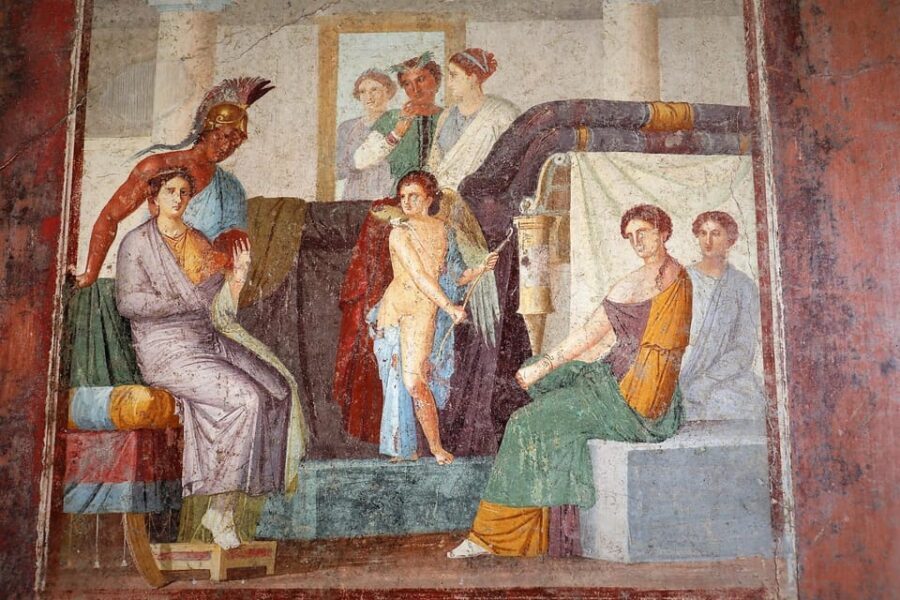
The duration is listed as 7 hours, with starting times that vary based on availability. That’s enough time to see the highlights at two parks, but it’s not enough time to treat either place like a week-long study.
So pace matters. Think in terms of “audio route first.” Let the audioguide do the heavy lifting of priorities. If you have energy after the audio segments, then add on extra walking.
Also, wear comfortable shoes. The plan specifically calls for comfortable footwear, and that’s the voice of experience. These sites are not gentle on the feet.
Tips to make the audioguide day smoother
A self-guided day sounds easy until you’re holding an audioguide device in a place that’s basically built to confuse people.
Here are practical tweaks that help:
- Bring an ID card or passport as requested.
- Have comfortable shoes ready. You’ll walk.
- Plan for earphones since they are not included.
- At Herculaneum, head to the Audioguide Desk immediately.
- At Pompeii, expect you might need a few extra minutes to locate the second pickup point.
- If you hear technical terms on the audio (like atrium), don’t panic. Keep moving and let the overall explanation build the picture.
One more practical note: you’re walking without a guided tour. That’s great for freedom, but it also means you should be ready to think for yourself a bit—like where to head next after each audio segment.
Should you book this Herculaneum + Pompeii audioguide combo?
I’d book it if your priority is a two-site day with context, without paying for a guided group tour. The included tickets and the skip-the-line entry are the big wins. The audioguide approach works well for people who like learning in motion.
I’d think twice if Villa dei Misteri access is non-negotiable for you, or if you strongly prefer clear, step-by-step orientation inside huge sites. The Pompeii pickup challenge and the occasional technical vocabulary on the audio are the two main friction points.
If you’re flexible and you’re good at asking questions when something isn’t obvious, this can be a very efficient way to experience both archaeological parks in one day.
FAQ
Where does the experience start?
It starts at the entrance where you need to look for the Audioguide Desk.
Where does the experience end?
It ends back at the meeting point.
How do I get from Herculaneum to Pompeii?
From Herculaneum, it’s easy to reach Pompeii by train using the Circumvesuviana line, direction Sorrento.
What’s included in the ticket price?
Entrance tickets, the audioguide device, and a map are included.
Is access to Villa dei Misteri included?
No. Access to the Villa dei Misteri area is not included.
Are earphones included?
No. Earphones are not included.
What languages are available for the audio guide?
The audio guide is available in English, Italian, French, Spanish, and German.