REVIEW · SORRENTO
Sorrento: Pasta and Tiramisu Class at a Local’s Home
Book on GetYourGuide →Operated by Cesarine · Bookable on GetYourGuide
A home kitchen in Sorrento can beat any restaurant night. This private pasta and tiramisu class is taught in a real local family setting, often with hosts such as Clara, Alessandra, or Chef Ivan guiding the steps in English or Italian. You get hands-on technique, then you sit down and eat what you made, with local wines and an aperitivo starting the meal.
I especially like two things about the experience. First, you learn two iconic pasta recipes plus tiramisu from scratch, with a teacher who shares the tricks of the trade (and yes, family-style methods show up, not just restaurant shortcuts). Second, the table feels communal and relaxed, with a chance to talk about food, ingredients, and daily life—something you typically do not get in a big group tour.
One possible drawback: it happens inside a private home, and you receive the exact address only after booking for privacy. If you prefer very clear public meeting points and a low-key, watch-only format, double-check that the hands-on style (plus travel up to the hills) fits your comfort level.
In This Review
- Key takeaways before you book
- A Private Home Kitchen in Sorrento: Why This Class Feels Different
- Your 3-Hour Flow: Aperitivo, Cooking, Then the Meal You Built
- What You’ll Make: Two Pasta Recipes and Classic Tiramisu
- The Tiramisu Lesson: Layering Skills You Can Repeat at Home
- Aperitivo, Wines, and the Table Meal: The Best Part Isn’t the Class
- Views, Gardens, and Local Ingredients: Why Sorrento’s Home Setting Matters
- Getting There Without a Public Address: Meeting Point Tips That Save Stress
- Price and Value at $134.81: What You’re Really Getting
- Who Should Book (and Who Might Want Another Option)
- Should You Book This Sorrento Pasta and Tiramisu Class?
- FAQ
- Where does the cooking class take place?
- How do I find the meeting point?
- What will I cook during the class?
- Do I eat what I cook?
- What drinks are included?
- What time does the class start?
- How long is the experience?
- Who teaches the class and what languages are used?
- Is this class suitable for children?
- Can dietary requirements be accommodated?
- What is the cancellation policy?
Key takeaways before you book
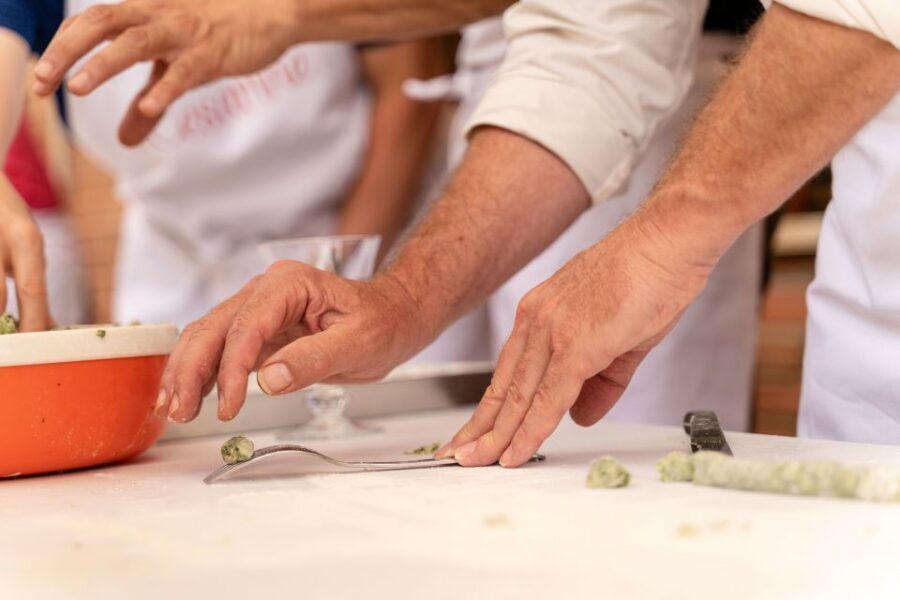
- Private home setting, not a studio: you cook and eat in a local family house.
- Two pastas + tiramisu, all from scratch: a full hands-on lesson, not a quick demo.
- Aperitivo starts the clock: prosecco and nibbles before you cook.
- Beverages included with the meal: water, wines, and coffee come with lunch or dinner.
- Real connection with locals: conversation is part of the experience, not a sidebar.
- Great for kids, too: the class is described as suitable for children of all ages.
A Private Home Kitchen in Sorrento: Why This Class Feels Different
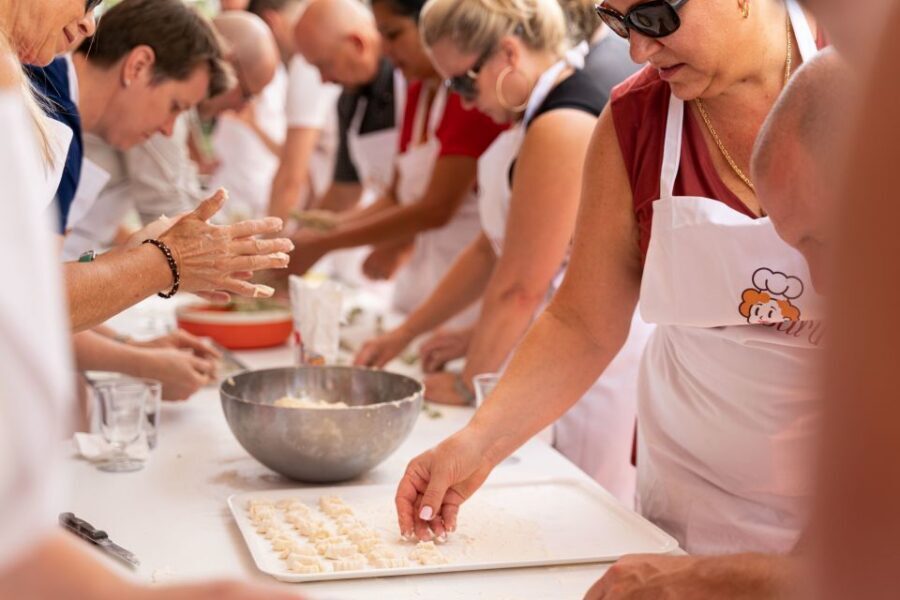
Sorrento cooking classes can go two ways: either you learn in a setup that feels like a workshop, or you learn like you were invited in. This one is the second type. You’re hosted in a local family home, and that changes the vibe fast: the lesson feels personal, not programmed.
What also makes it work is the way the teaching is tied to how Italians actually eat. You don’t just “make pasta,” you make pasta as a centerpiece of a shared meal. Many classes include hillside views and garden-to-table touches, and a few guests describe moments like stepping onto a balcony for aperitivo with a far-off view of Mt Vesuvius.
Finally, the instructors bring warmth and rhythm. Names that show up across past sessions include Clara, Laura, Alessandra, and Martina, with helpers and translators sometimes part of the mix. If you want technique plus friendly conversation, this format is built for that.
You can also read our reviews of more tours and experiences in Sorrento


Your 3-Hour Flow: Aperitivo, Cooking, Then the Meal You Built
The experience runs about 3 hours, and you’ll want to treat it like dinner with a class attached. The meal typically starts at 10:00 AM or 5:00 PM, though the organizer says times can be flexible with an advance request.
The arc is usually straightforward:
1) You’re welcomed with Italian aperitivo (prosecco plus nibbles).
2) You move into the kitchen and start cooking with step-by-step guidance.
3) You sit down together to taste everything you made, with wine during the meal.
4) The experience ends back where you meet.
That structure matters for value. If you’ve done “hands-on” experiences that feel like you barely eat, this one is designed so the lunch or dinner is part of the payoff. You’re not just collecting skills; you’re collecting bites.
What You’ll Make: Two Pasta Recipes and Classic Tiramisu

This class is built around two pasta recipes plus tiramisu, all made from scratch. The host (your Cesarina instructor) teaches the steps and also explains the why behind them—what to watch for, what to adjust, and which details separate good from great.
In terms of what these pastas can look like, the experience is flexible, but common examples from past sessions include ravioli (sometimes in two styles) and gnocchi. You may roll, shape, and assemble by hand under guidance, which is exactly what you want if your goal is to recreate the dishes at home later.
For tiramisu, the emphasis is on layering and method. You learn how to build it correctly, not just how to follow a recipe card. And because tiramisu is served at the end, it becomes a satisfying finish line: you spend the earlier part of the lesson making components and technique choices, then you taste the final result together.
One more practical detail: the class is described as suitable for families with children of all ages. That usually means the pace is realistic for a mixed group, with enough structure to keep everyone involved.
The Tiramisu Lesson: Layering Skills You Can Repeat at Home
Tiramisu has a reputation for being simple and then suddenly tricky. The good news is this class doesn’t treat it like a black box. Your teacher shares the tricks of the trade and guides you through building it from the start.
Here’s why that matters for you: tiramisu fails in specific ways, usually related to timing and how layers are treated. In a home class setting, you can get hands-on feedback on the details that make the dessert set well and taste balanced. It also helps that you’ll be eating what you made, so you quickly learn what the texture and flavor should feel like.
Some instructors and hosts have been praised for clear, patient explanations, including hosts like Clara and Martina. That style is ideal if you’re the kind of cook who wants to understand the method, not just memorize steps.
Aperitivo, Wines, and the Table Meal: The Best Part Isn’t the Class
In Italy, eating is not the reward after work. Eating is the work. That’s why this experience includes prosecco and nibbles right away, then continues with beverages at the meal: water, wines, and coffee are included.
This setup changes how you experience the cooking:
- You stay relaxed while learning, because the aperitivo breaks the tension.
- You cook with a meal timeline in mind, rather than rushing to finish.
- You taste everything right after making it, so your learning sticks.
A few past sessions also mention extra treats like limoncello at the end. That’s not guaranteed in the core inclusions, but it does show the kind of hospitality that’s been part of certain homes.
Bottom line: if your dream is an Italian night with real food and real teaching, the dinner is built into the value. You’re paying for a full experience, not a half-finished snack.
- Sorrento Farm and Food Experience including Olive Oil, Limoncello, Wine tasting
★ 5.0 · 2,524 reviews






Views, Gardens, and Local Ingredients: Why Sorrento’s Home Setting Matters
Sorrento itself is dramatic, but the best part here is how the dramatic scenery becomes part of the welcome. Many guests mention sweeping views from balconies or terraces and describe properties with lemon groves and orchard-style gardens.
Some hosts have shared garden produce as part of the story—things like figs, grapes, and lemons—plus they may give a quick garden look during or after the meal. Even if your class doesn’t include a full garden tour, the setting can still make the lesson feel grounded in the region, not copied from a generic cooking template.
There’s also a quiet advantage to learning in a home rather than a commercial kitchen: you see how locals organize a meal. The table is set, the home is warm, and the food is treated like a shared event, not a performance.
Getting There Without a Public Address: Meeting Point Tips That Save Stress
One practical detail that trips people up: for privacy, you don’t get the full address until after you book. After booking, the local partner contacts you with the exact meeting point and instructions.
Plan for two things:
- You’ll likely be heading to a home in the hills above Sorrento, so give yourself extra time and don’t arrive late.
- Communication matters. If anything feels unclear, message the organizer early so you can lock in directions.
Good news: the class includes instruction in English and Italian, so you’re not stuck figuring out everything with hand gestures. Many guests also mention a supportive translation approach when needed, which can be a real help during conversations at the table.
Price and Value at $134.81: What You’re Really Getting
At $134.81 per person for a 3-hour private class, the first question is whether it’s “worth it” compared to a restaurant meal or a group class. Here’s how to judge the value fairly.
You’re getting:
- A private, hands-on cooking lesson that teaches two pastas and tiramisu from scratch.
- Lunch or dinner as part of the experience, with everything you make served at the table.
- Included beverages: water, wines, and coffee, plus prosecco and nibbles as aperitivo.
- An English/Italian instructor guiding technique and recipes.
If you price out a similar private meal in Sorrento that includes wine, plus the cost of a cooking instructor, the math starts to look more sensible. Most importantly, you leave with skills tied to recipes you can recreate, and many guests mention receiving recipe details after the class or being able to reproduce the meal later.
So yes, it’s not cheap. But it’s also not just “pay and eat.” You’re paying for a structured cooking session with ingredients, teaching, and hospitality baked in.
Who Should Book (and Who Might Want Another Option)
This class is a strong fit for:
- Couples and small groups who want a memorable, more personal experience than a standard tour.
- Food lovers who like to learn technique, not just order dishes.
- Families with kids of all ages, since the experience is described as suitable for children.
- Anyone who wants Italian cooking tied to everyday home life in Campania.
It might be less ideal if:
- You strongly prefer public meeting points with no address surprises.
- You want a sightseeing-heavy day, because this is a focused, sit-at-the-table experience.
- You don’t enjoy hands-on cooking. Since the class is described as making and tasting everything you prepare, it’s not built as a watch-only activity.
Should You Book This Sorrento Pasta and Tiramisu Class?
If your goal is an authentic Italian evening with real technique, I’d book it. The private home setting, the specific focus on two pastas and tiramisu, and the fact that you eat what you make with wines and coffee all point to good value for your time. It’s also the kind of experience that tends to stick in your memory because the food isn’t separated from the learning.
Before you click confirm, check two things in your planning: your comfort with a private-home meeting point (address sent after booking) and your dietary needs. If you need accommodations, the experience says dietary requirements can be catered to, but you’ll need to confirm directly with the organizer after booking.
If those are both a match, this is one of the easiest ways to turn Sorrento into something you can cook, not just photograph.
FAQ
Where does the cooking class take place?
It’s held in a local family’s home in Campania, Italy. For privacy, you receive the full address after you book.
How do I find the meeting point?
After booking, the local partner contacts you with exact instructions about where to meet.
What will I cook during the class?
During the private lesson, you’ll learn to prepare 2 pasta recipes and tiramisu from scratch.
Do I eat what I cook?
Yes. The class includes tasting everything you prepared around the table, typically as lunch or dinner.
What drinks are included?
You’ll have beverages including water, wines, and coffee. You also get an Italian aperitivo with prosecco and nibbles.
What time does the class start?
Dining typically begins at 10:00 AM or 5:00 PM, and tour times are flexible with an advance request.
How long is the experience?
It lasts 3 hours.
Who teaches the class and what languages are used?
The instructor speaks English and Italian.
Is this class suitable for children?
Yes, it’s described as suitable for families with children of all ages.
Can dietary requirements be accommodated?
The experience can cater to different dietary requirements, but you need to confirm directly with the service organizer after booking.
What is the cancellation policy?
You can cancel up to 24 hours in advance for a full refund.
You Might Also Enjoy


More Workshops & Classes in Sorrento


More Tour Reviews in Sorrento
- Sorrento Farm and Food Experience including Olive Oil, Limoncello, Wine tasting
★ 5.0 · 2,524 reviews