REVIEW · POMPEI CAMPANIA
Pompei: Mount Vesuvius and Pompeii with Round-Trip Transfer
Book on GetYourGuide →Operated by Around Vesuvio · Bookable on GetYourGuide
Volcano first, ruins after. That order is the magic.
I like the round-trip transfer that keeps this day from feeling like a logistical puzzle, and I really enjoy the chance to reach the Vesuvius crater area on the same half day. The one catch: you’re packing in serious walking and heat, and Pompeii is largely self-paced with audio rather than a live guide.
You’ll start in central Pompei and be whisked toward Mount Vesuvius, with a stop at the national park for time on foot. Then you swing back for Pompeii Archaeological Park, where an audio guide helps you move at your own pace through the big sights.
This is a smart option if you want the classic combo—Vesuvius and Pompeii—in one go, with skip-the-line ticketing and a structured schedule. Just plan your day like a sprint with breaks: water, good shoes, and a little patience if weather changes what you can see at the top.
In This Review
- Key things to know before you go
- The big idea: Vesuvius and Pompeii in one 5-hour loop
- Starting in Pompei: Via Roma check-in and the minibus rhythm
- Vesuvio National Park: timing your 1.5 hours wisely
- Hike to the crater: what to expect on the way up
- Back down to Pompei: switching gears from volcano to city streets
- Pompeii Archaeological Park: audio guide pacing that works
- Two hours in Pompeii: how to avoid the common time trap
- Skip-the-line tickets: when it’s worth it (and when it won’t save you)
- Price and value: what you’re paying for at $97.43
- Language support: driver and audio guide coverage
- What to bring, and what to skip
- Who this tour fits best (and who should rethink it)
- Should you book this Pompeii + Vesuvius package?
- FAQ
- How long is the tour from Pompei to Mount Vesuvius and Pompeii?
- Where do I meet for the tour?
- Is round-trip transportation included from Pompei to Vesuvius?
- Are entry tickets included for both sites?
- Do I get an audio guide for Pompeii?
- Is food and drinks included?
- Is this tour suitable for wheelchair users or people with mobility impairments?
Key things to know before you go

- Minibus transfers from Via Roma keep the day simple and time-boxed
- Vesuvius crater walk starts around the 1,000-meter mark and is part of the experience
- Skip-the-line tickets for Vesuvio and Pompeii help you spend more time outside
- Audio guide in many languages lets you control pacing inside Pompeii
- Weather and timing can shift at Vesuvius, so build in a buffer before the bus departs
The big idea: Vesuvius and Pompeii in one 5-hour loop
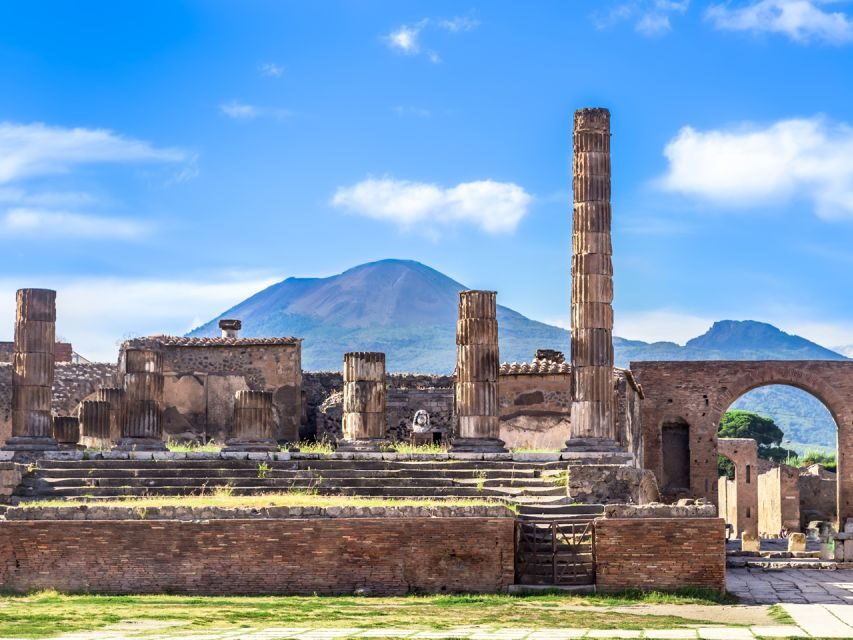
If you only have a half day in Campania, this tour format makes a lot of sense. You get the dramatic volcano experience first, then you land at Pompeii with an audio guide so you can focus on the ruins without constantly decoding your own map.
What I like most is the sequencing. Going to Vesuvius while your energy is fresh makes the crater visit feel like the headliner. Then Pompeii becomes the slower, more “look closely” part of the day. It also helps that the day is built around two main sites with dedicated time blocks, so you’re not constantly moving between train stations or fighting traffic.
The other important piece: you’re not just arriving at Pompeii and hoping for the best. You’re getting skip-the-line tickets and a ready-to-use audio guide. That means less downtime standing around, and more time actually seeing the things you came for—frescoed rooms, public buildings, and the street-level feel of a city frozen in time.
You can also read our reviews of more tours and experiences in Pompei Campania



Starting in Pompei: Via Roma check-in and the minibus rhythm

The day begins at the tourist information point on Via Roma, near the address listed for the starting stop (Via Roma, 32). From there, you board a comfortable minibus with a driver.
Why this matters: Pompeii is compact, but the sites aren’t. Getting to Vesuvius is easier when the transportation is handled for you. It also removes one common stressor—figuring out buses or parking on a short timetable.
You should expect a bus ride that’s long enough to reset your brain, not just a quick hop. The schedule allows about 40 minutes to reach the Vesuvius area, and then another 40 minutes back toward Pompeii after the park time.
One practical note that can save you discomfort: bring only what you can manage. Oversize luggage isn’t allowed, and during the free-time sections you can’t leave bags on the bus. Plan on a small bag you can keep with you the whole time.
Vesuvio National Park: timing your 1.5 hours wisely
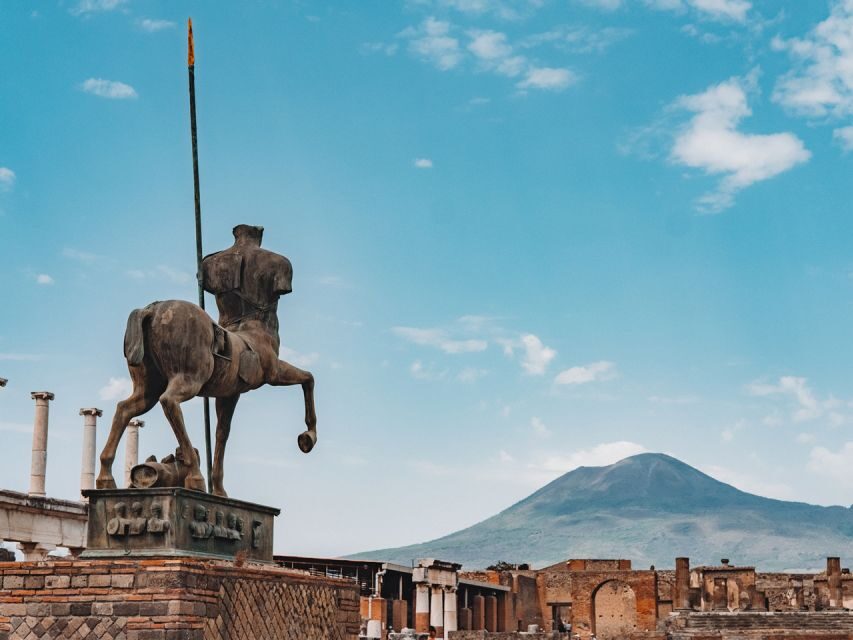
Once you arrive at the Vesuvio National Park area (about 1,000 meters above sea level), you’ll have time set aside before you move on. This is the moment when the experience turns from “tour” into “walking.”
That first altitude detail is key. Even if it doesn’t feel dramatic in the morning, higher elevation plus sun can add up. On hot days, the hike up to reach the crater area can feel much harder than you expect. So I recommend treating the first free time as a planning buffer: use it to hydrate, put on your sun hat, and get your bearings before you commit to the climb.
Also, recognize that Vesuvius weather is its own character. Some conditions can make the view less clear than you hoped. If fog rolls in or visibility drops, the crater area can still be a memorable experience, but your photos might look different than the postcard shots. Go for the experience of being there, not just the perfect view.
A small, but real, comfort point: you’re going to want comfortable shoes with traction. The ground and the path situation can vary depending on where you’re walking and what conditions are like that day.
Hike to the crater: what to expect on the way up
The heart of the Mount Vesuvius part is the walk up toward the crater area. The tour is built so you start your walk after arriving at the higher point, then you return to the minibus when your Vesuvius time is done.
Here’s how I’d frame the effort for you:
- You’re not doing a marathon, but it’s not a casual stroll either.
- Heat, sun, and breathing effort matter more than you think.
- Your pace and stops (for water and photos) are part of the plan.
One tip based on what can happen in real life: the crater-side portion of the day can run longer than expected. There can be extra time on foot around the top area, and if you get caught chatting or taking too many photos, you may feel time pressure when you need to get back to the group and bus.
So keep this simple rule: when you’re at the crater area, don’t spend so long there that you miss the ride back timeline. You can always come back to Vesuvius another day if you want a slower loop. For this format, your success is getting the crater and still having time to enjoy Pompeii afterward.
Back down to Pompei: switching gears from volcano to city streets

Once Vesuvius time is done, you rejoin the minibus and head back toward Pompei. This transfer window is about 40 minutes, and it’s a gift.
Use it to do the things you’ll thank yourself for later:
- Refill your water if you can.
- Eat something small if you brought snacks (food isn’t included).
- Put your energy back into “city walking mode.”
Pompeii is a different type of touring. The volcano part is vertical effort; Pompeii is long-term walking across ruins, plus the mental work of imagining how life looked there before it vanished under volcanic ash.
If you go into the switch with the right expectations, Pompeii can feel more real, not less, even though the overall day is tight.






Pompeii Archaeological Park: audio guide pacing that works
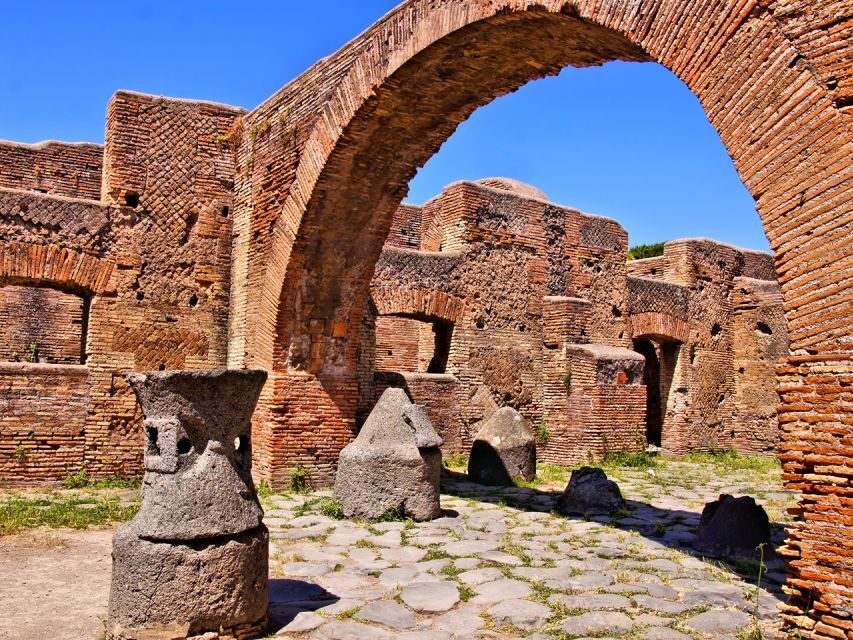
At Pompeii Archaeological Park, you’ll have a longer free-time block (about 2 hours) to explore. You’ll collect your audio guide and choose from itineraries so you can focus on the sights that interest you most.
This is a big deal for value. With an audio guide, you’re not locked into a group schedule. You can slow down where you want to read, and speed up when you want to cover ground. In Pompeii, that matters because the ruins reward attention. A frescoed room doesn’t hit the same way if you glance and move on; you need a few extra moments to notice details.
You’ll get to see highlights such as:
- A frescoed domus (domestic home remains)
- An ancient brothel
- The grand amphitheater
- Other key ruins you can follow through the audio route
Two practical ideas for how to use the audio well:
1) Don’t start listening from minute one and then wander lost. First, get your bearings so the audio tells you what you’re standing in front of.
2) Pick one or two main stops you really care about, then let the audio guide fill in the rest.
Because the time block is limited, you’ll enjoy the day more if you commit to a route style rather than trying to see everything. In Pompeii, “everything” is a fantasy. A great half day is about choosing smart priorities.
Two hours in Pompeii: how to avoid the common time trap
Two hours sounds like enough until you’re walking between areas and realizing you want to stop for photos, read signage, and listen for the story behind a room. The trick is to treat this as “high impact Pompeii,” not “complete Pompeii.”
Here’s my approach:
- Start with one anchor site you really want (the amphitheater is a strong one if you like big public spaces).
- Then move to something atmospheric and intimate (a domus section or frescoed areas where you can see daily life traces).
- Use the audio guide to decide whether to stay longer somewhere, or keep moving.
If you’re traveling on a hot day, you’ll also want to plan micro-breaks. Pompeii can get sun-baked quickly, especially if your route crosses open areas. Your sun hat isn’t optional here—it’s your comfort tool.
And remember: your luggage has to stay with you. During free time, you can’t drop bags and come back later, so choose a small day bag you can carry while you explore.
Skip-the-line tickets: when it’s worth it (and when it won’t save you)

This tour includes skip-the-line access for both Vesuvio and Pompeii, which usually improves the flow of the day. That matters when you only have a few hours at each site.
But here’s the honest balance: skip-the-line doesn’t mean instant entry the moment you arrive at the gates. It mainly reduces the risk of spending your limited time waiting. If there’s crowding, you’ll still want to show up ready to move.
In other words, the best way to benefit is to be punctual at the meeting point and then keep your momentum during transitions. Your biggest time savings come from smooth boarding, not from magical shortcuts once you’re already on-site.
When this works well, you feel like the day is built around real sightseeing instead of queue management. That’s the kind of value that’s hard to fake.
Price and value: what you’re paying for at $97.43
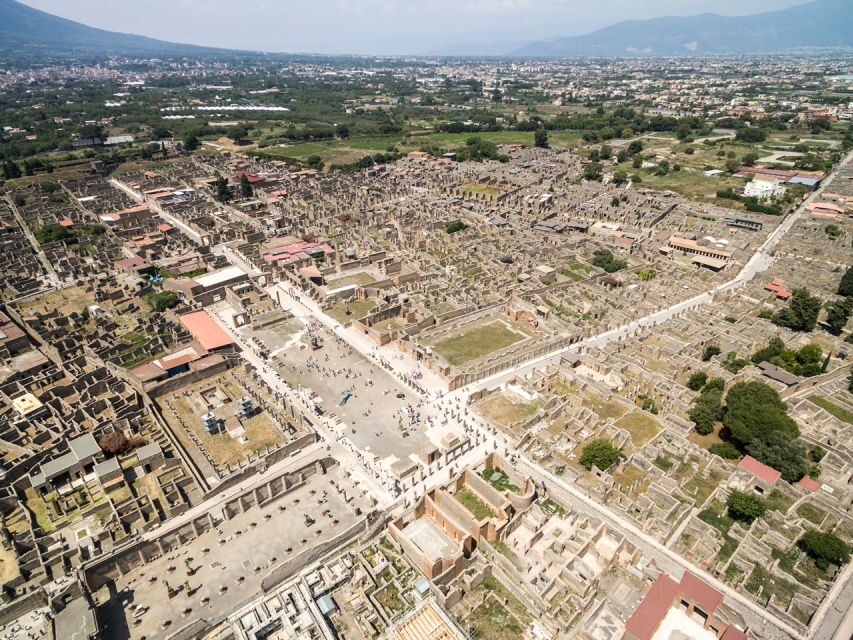
At around $97.43 per person, this package isn’t just “a ticket plus a ride.” You’re paying for the combination of:
- Round-trip transfer from Pompei to Mount Vesuvius
- Vesuvio and Pompeii skip-the-line tickets
- Pompeii entry included
- An audio guide for Pompeii ruins (in a wide set of languages)
- A driver for the day
- Booking fees
You also need to consider what isn’t included: food and drinks. That’s the main extra cost you should plan for. The rest of your day is fairly straightforward, which helps you avoid surprises.
Is it good value? For most people, yes—if your priority is seeing both Vesuvius and Pompeii without spending time researching transportation or figuring out ticket queues. The structure does the heavy lifting.
If, however, you prefer full-day pacing at one site and you’re comfortable building your own plan, a DIY approach can sometimes be cheaper. But for a short visit, the time saved here is often worth the difference.
Language support: driver and audio guide coverage
You’ll have a driver who speaks English and Italian. On the Pompeii side, the audio guide is available in many languages, including English, Italian, French, German, Spanish, Dutch, Russian, Portuguese, Chinese, and Hebrew.
This matters more than you might think. Pompeii is large and easy to feel overwhelmed in. Hearing the site explanations in your language keeps the ruins from turning into random stones.
If you’re traveling with friends or family who don’t share a language, the audio coverage makes the experience easier to enjoy together without one person always doing the explaining.
What to bring, and what to skip
Before you go, pack for comfort and movement:
- Passport or ID card
- Comfortable shoes
- A sun hat
Then plan around the baggage rule: you can bring small bags, but oversize luggage isn’t allowed. You also can’t leave bags on the bus during free time, so keep your essentials with you.
And while it’s obvious, it’s worth saying: bring water. Vesuvius especially can feel brutally hot in midsummer conditions, and the hike can wear you down faster than you expect.
Who this tour fits best (and who should rethink it)
This experience makes the most sense if you:
- Want a structured half day that covers both Mount Vesuvius and Pompeii
- Like self-guided museum time with an audio guide
- Don’t want to manage two separate logistics plans on your own
It does not suit everyone. It’s listed as not suitable for people with mobility impairments and not suitable for wheelchair users. The combination of a crater-area walk and Pompeii walking terrain is the likely reason.
If you’re on the fence, be honest about your ability to handle walking on uneven ground and spending hours outdoors in sun.
Should you book this Pompeii + Vesuvius package?
I’d book it if you want the classic two-site combo and you’re short on time. The value comes from the transfer and the skip-the-line tickets, plus the audio guide that turns Pompeii into a guided experience without forcing you to stay with a group every minute.
Skip this plan if you hate hikes, dislike heat, or you want a slower, deeper Pompeii session with lots of time to roam without time pressure. In a short day like this, you’ll be making choices.
My bottom line: if you’re ready for a “see it all fast, then remember it later” day, this is a solid, practical way to do Pompeii and Vesuvius in one go.
FAQ
How long is the tour from Pompei to Mount Vesuvius and Pompeii?
The tour duration is 5 hours.
Where do I meet for the tour?
Check in at the tourist information point on Via Roma (Via Roma, 32).
Is round-trip transportation included from Pompei to Vesuvius?
Yes. It includes round-trip transfer from Pompei to Vesuvius.
Are entry tickets included for both sites?
Yes. Vesuvio skip-the-line ticket and Pompeii skip-the-line ticket are included, along with Pompeii ruins entry.
Do I get an audio guide for Pompeii?
Yes. The Pompeii ruins audio guide is included, and it’s available in many languages (including English, Italian, French, German, Spanish, Dutch, Russian, Portuguese, Chinese, and Hebrew).
Is food and drinks included?
No. Food and drinks are not included.
Is this tour suitable for wheelchair users or people with mobility impairments?
No. It is listed as not suitable for people with mobility impairments and not suitable for wheelchair users.