REVIEW · POMPEI CAMPANIA
Pompeii Small Group Tour – Tickets Included
Book on GetYourGuide →Operated by Tastethexperience · Bookable on GetYourGuide
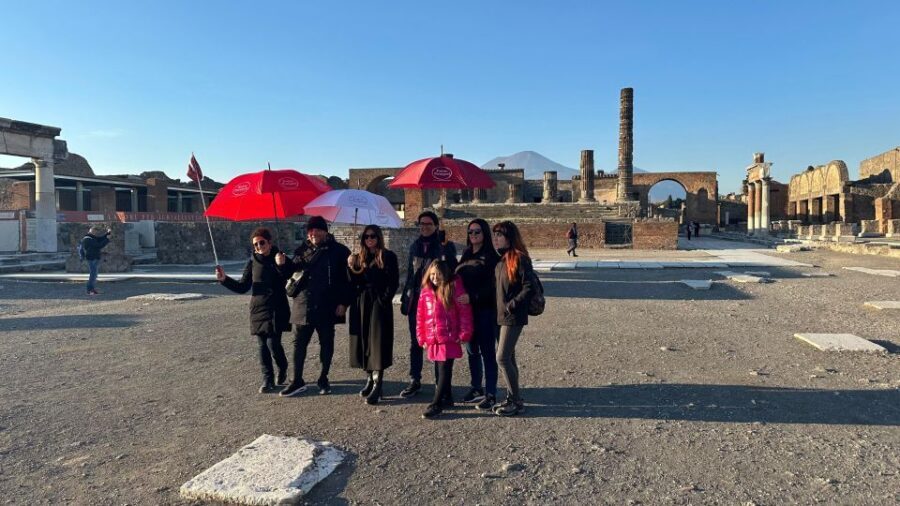
Pompeii clicks when you have a guide. This small-group tour brings you through UNESCO-listed ruins with an archaeologist-style expert who explains how the city worked in 79 A.D.—not just where things are. You’ll see the public spaces most visitors miss when they rush on their own.
I especially like how the pacing is built for learning: you get a structured 2-hour guided walk that hits the major highlights, like theaters and temples. I also like the way guides answer questions and keep you oriented, with some groups even using earpieces so the commentary stays clear.
One thing to plan around: this experience is not suitable for people with mobility impairments, since you’ll be walking over uneven, ancient surfaces.
In This Review
- Key highlights in plain terms
- Why a small-group Pompeii tour beats wandering alone
- Ticket-included entry: what you actually get for $48
- Where you meet (and why it can matter more than you think)
- The 79 A.D. walking loop: what the route feels like
- The ruins you’ll focus on: theaters, temples, and 6 bath complexes
- How the guides turn ruins into a story
- Pace, timing, and the reality of ending on schedule
- Who should book this Pompeii small-group tour
- Should you book it?
- FAQ
- How long is the guided portion of the tour?
- Are entry tickets to the Pompeii archaeological area included?
- What languages are the guides available in?
- Where do we meet?
- Is entrance free on the first Sunday of the month?
- Can I cancel and get a refund?
Key highlights in plain terms
- Tickets included: You’re paying for the guided experience plus entry to the Pompeii archaeological area.
- A short, focused loop: Expect about 2 hours of guidance that concentrates on the big public sights.
- Public-life Pompeii: The route is built around theaters, temples, and bathing complexes.
- Small-group feel: You’ll get enough time to ask questions and not feel like a number.
- Guide personality matters: Named guides like Pina, Karolina, Daniel, and Viviana come up often for passion and clarity.
Why a small-group Pompeii tour beats wandering alone

Pompeii is famous for a reason, but it can also be overwhelming. You’ll see walls, doorways, and mosaics everywhere, and without a storyline, your brain fills in the blanks—sometimes wrong. On this tour, you get a guided path that turns the ruins into a real place.
I like that the focus is on how Pompeii functioned day-to-day. Instead of treating the site like a checklist, the guide connects buildings to Roman routines: where people gathered, where they worshiped, and where they relaxed. That makes the ruins feel less like rubble and more like a lived-in city.
A small group also matters. You move at a human pace, and if you have questions, you’re not shouting into the void. It also helps you slow down for details that you’d otherwise skip—like how certain spaces were designed for crowds.
You can also read our reviews of more tours and experiences in Pompei Campania

Ticket-included entry: what you actually get for $48
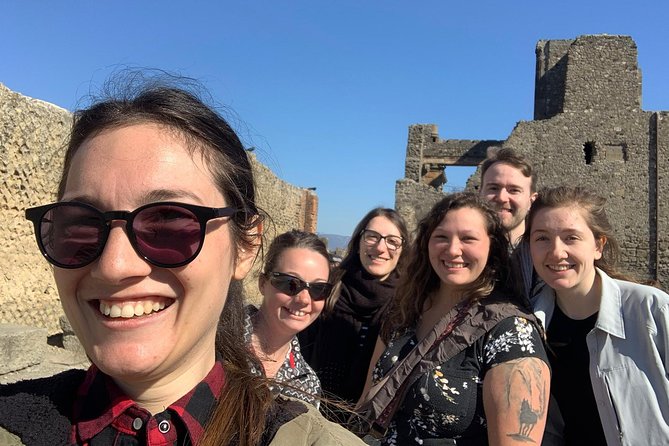
At $48 per person, the value is in two parts: you get entry tickets and you get an expert-led, timed visit. If you’ve ever priced out Pompeii admission plus a guide separately, it usually adds up fast. Here, the math is simple, and you don’t have to manage extra purchases mid-trip.
The guided portion is 2 hours. The overall activity listing can run longer (up to 5 hours depending on your start time and how long you want to linger around the site before and after the tour), but the guided walk itself is the core of the experience.
One important wrinkle: the first Sunday of each month has free entrance. But tickets can’t be reserved ahead of time, so entry isn’t guaranteed. If you’re visiting on that day, I’d treat this tour as the safer plan, because you’re already organized for the experience even if free admission is hit-or-miss.
Where you meet (and why it can matter more than you think)
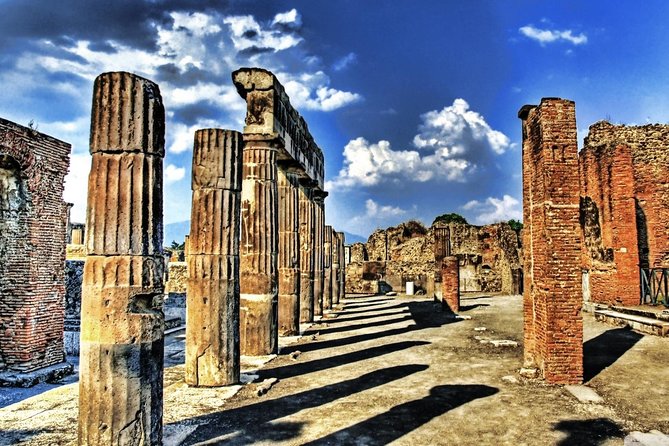
Your meeting point may vary depending on which option you book. The tour offers several starting locations, including:
- Pompeii Archaeological Park
- Starhotels Terminus
- Hortus Pompei, Restaurant & Garden Bar
You’ll also have multiple drop-off locations listed, such as Pompeii Archaeological Park, Hortus Pompei, Restaurant & Garden Bar, and Starhotels Terminus.
Why should you care? Because Pompeii isn’t exactly built for easy navigation when you’re arriving hungry, warm, and slightly jet-lagged. If signage is limited, you don’t want to waste your best energy hunting for the exact spot. I’d build in a few extra minutes to arrive, confirm you’re in the right place for your specific option, and then relax once you spot your group.
Also keep in mind that the tour ends with a drop-off, not a walk-back with your guide. That’s handy, but plan to have your bearings for your final steps after the tour.
The 79 A.D. walking loop: what the route feels like
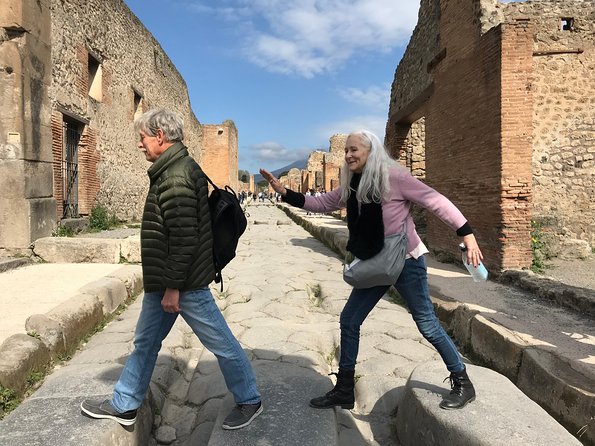
This is a walking tour that takes you through key parts of Pompeii with the goal of helping you understand the ancient city. You’ll get a guide-led walkthrough that centers around major Roman spaces—especially the kinds of buildings people used every day.
As you walk, the site becomes easier to read. Streets and building layouts stop looking random. You start noticing patterns: where crowds gathered, how public buildings were positioned, and what sorts of activities were part of normal life. Even if you’ve seen photos of Pompeii before, being walked through it in order helps a lot.
You’ll be moving at an efficient pace. In some cases, a guide may also use tools like earpieces for clearer audio while still letting you see and photograph freely. That’s especially useful if the group size is small but the ruins are spread out enough that distance becomes an issue.
The ruins you’ll focus on: theaters, temples, and 6 bath complexes
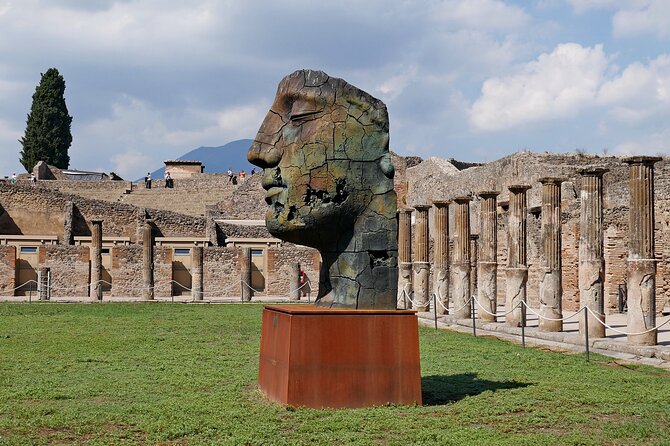
The heart of the tour is the “public life” side of Pompeii. Here are the big categories you can expect to spend time on:
The theaters
Roman theaters weren’t just for performances. They were social spaces where the city’s culture showed up in public. When a guide points out the design choices—how the space was shaped for viewing and audience flow—the theater becomes more than a pretty ruin.
Temples
Temples help you understand the city’s spiritual rhythm. The guide’s job here is to connect what you’re seeing to Roman religious life, and to help you interpret why these buildings mattered in the city’s layout and daily routines.
Bathing complexes (six of them are highlighted)
This is a Pompeii specialty, and it’s one reason I like this tour format. Bathing wasn’t just “hygiene.” It was also a place to socialize, relax, and handle part of daily life. Seeing the bath complexes as a group—rather than one random stop—helps you grasp how important bathing was to Roman urban living.
Beyond those headline areas, you’ll also see more archaeological highlights during the walk. The key is that the guide is selecting points that support the story of Pompeii, not just scattering stops across the map.

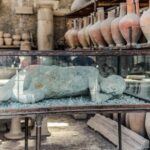

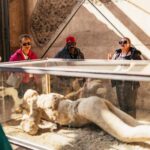
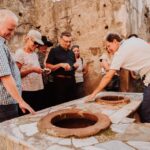
How the guides turn ruins into a story
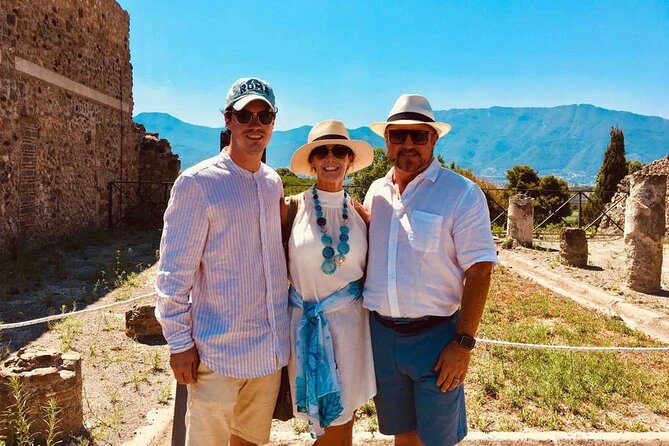
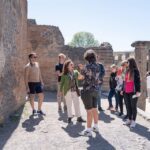
The guides are one of the best reasons to book a guided Pompeii visit, and this tour clearly leans into that. You’ll have a live guide in English or French, and the teaching style is meant to make Pompeii understandable fast.
The names that come up again and again in past tours include Pina, Karolina, Daniel, Viviana, Francesca, Chiara, and Manuela. That isn’t just trivia. It signals a real pattern: these guides tend to be enthusiastic, with a knack for explaining how Pompeii worked and answering questions without shutting you down.
A few practical things I think you’ll appreciate:
- Time discipline: guides often pack a lot into the 2 hours without feeling frantic.
- Q&A-friendly pacing: you’re not always forced to stand still and be rushed along.
- Clear audio options in some groups: earpieces can help you hear the commentary while you’re still taking in the visual details.
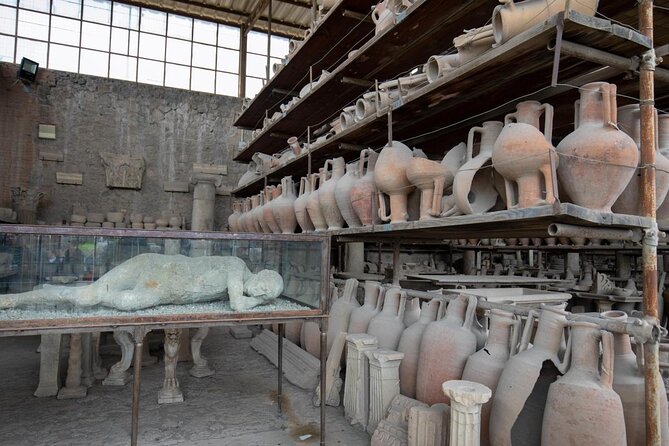
I also like that the tour approach tends to connect the city to the disaster behind its sudden end. In past experiences with this kind of guiding, that connection often includes discussion of the eruption of Vesuvius and what it meant for the people living there.
Pace, timing, and the reality of ending on schedule
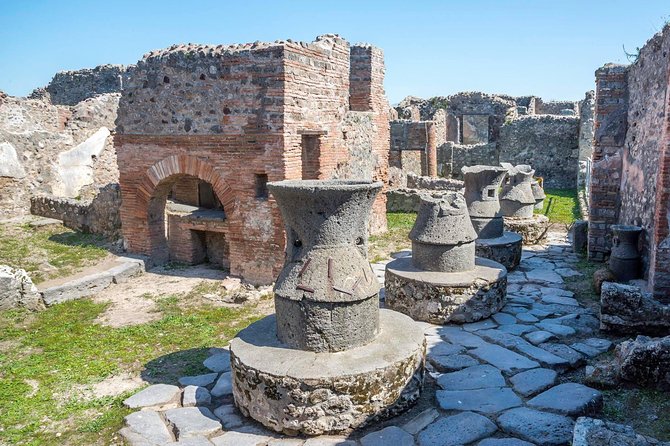
Pompeii tours live and die by timing. The site is huge, and even a well-planned walk only covers so much. This tour is designed around the 2-hour guided window, so you’ll want to arrive ready to move and absorb.
In practice, that means:
- You’ll cover the key sights, but you won’t see every corner of Pompeii in one go.
- If your day has external timing issues (like train connections), your group may wait briefly for everyone to catch up. The tour may still end on time, so the guide’s final commentary might be slightly shorter than you’d hoped if there was a delay.
The upside is predictability. You won’t lose your whole day to a “maybe we’ll finish” situation. You’ll finish with enough time to either continue exploring on your own or move on to your next stop.
Who should book this Pompeii small-group tour
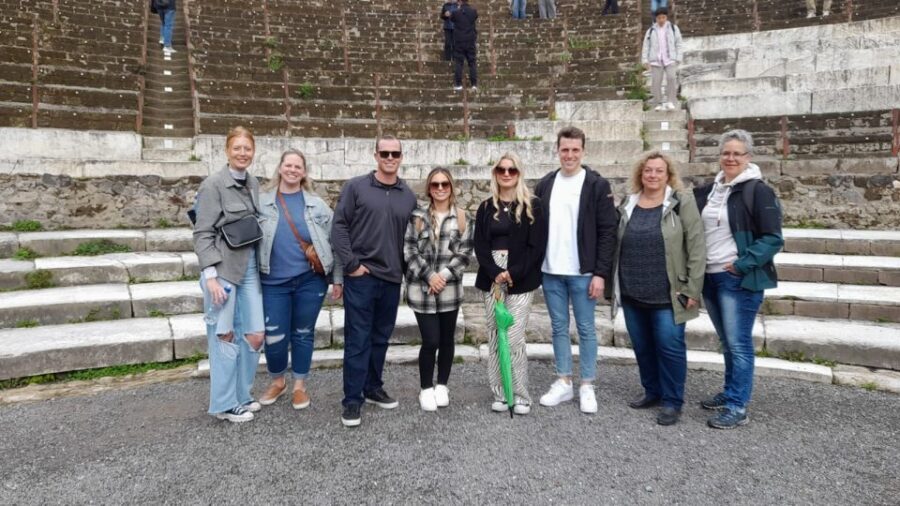
This is a smart fit if you:
- Want a guided Pompeii experience without spending half your day navigating ruins alone
- Have limited time and want the big public highlights: theaters, temples, and baths
- Prefer a small-group format where questions are possible
- Like history when it’s explained clearly and connected to everyday Roman life
It’s not a good fit if you need accessibility support for mobility impairments, since the tour is not suitable for that.
If you’re the type who loves photos, you’ll still be able to stop and shoot, especially with earpieces or a comfortable pace. Just remember: Pompeii is photographed for a reason, but the real value of the guide is what you learn while you’re standing in front of the ruins.
Should you book it?
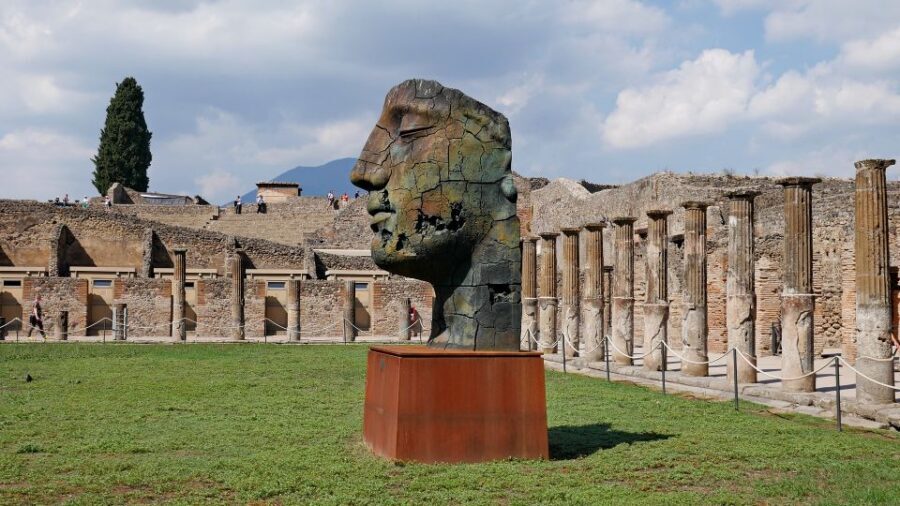
If you want Pompeii to make sense quickly, I’d book this. For $48, you’re getting guided time plus entry tickets, and the focus stays on the places that reveal how Romans lived—especially the bath complexes and major public buildings.
I wouldn’t book it if you’re expecting a full, all-day tour of the entire site. This is about a strong guided walk and smart highlights in about 2 hours. But for a first visit, or for anyone who wants to understand what they’re seeing without wasting energy, this is a very solid choice.
FAQ
How long is the guided portion of the tour?
The guided tour itself is 2 hours.
Are entry tickets to the Pompeii archaeological area included?
Yes. Entry tickets to the Archaeological Park of Pompeii are included.
What languages are the guides available in?
The live tour guide is available in French and English.
Where do we meet?
The meeting point may vary depending on the option you booked. Starting options include Pompeii Archaeological Park, Starhotels Terminus, and Hortus Pompei, Restaurant & Garden Bar.
Is entrance free on the first Sunday of the month?
Yes, entrance is free on the first Sunday of each month, but tickets can’t be reserved ahead of time, so entry isn’t guaranteed.
Can I cancel and get a refund?
Yes. You can cancel up to 24 hours in advance for a full refund.