REVIEW · POMPEI CAMPANIA
Naples: Amalfi Coast, Sorrento and Pompeii Day Trip
Book on GetYourGuide →Operated by Naples Ashore · Bookable on GetYourGuide
Positano, Sorrento, and Pompeii in one day can feel unreal. This Naples-area day trip strings together Amalfi Coast sea views and a look inside an ancient city erased by Vesuvius in 79 AD. I like that the route is built for people who want a lot of variety without needing to plan every step.
Two things stand out. First, you get real time in Positano for wandering the narrow streets and soaking up the sea-and-hills scenery. Second, Sorrento mixes major sights like the Sorrento Cathedral and the Cloister of San Francesco with a quick chance to taste local limoncello. One potential drawback: it’s an 8-hour whirlwind, so some moments are short (breaks, photo stops, then on to the next place), and your pace has to match the schedule.
In This Review
- Key highlights to clock right away
- The 8-hour route from Stazione Marittima to three big names
- Positano: hills, sea views, and an hour to make it count
- Sorrento on the Sorrentine Peninsula: Cathedral, San Francesco, and limoncello
- Pompeii Archaeological Site: time for frescoes, mosaics, and real street-level scale
- Timing and van rides: how to avoid the day feeling stressful
- Food, shopping, and local craft stores: spending your short breaks wisely
- Guides, language, and how the experience gets better with the right host
- Who should book this Naples coast and Pompeii day trip
- Accessibility and group options that actually change the day
- Should you book this Naples Amalfi Coast and Pompeii day trip?
Key highlights to clock right away

- Positano walk time (about 1 hour) for views, streets, and shopping
- Sorrento Cathedral + Baroque churches + the Cloister of San Francesco
- Limoncello tasting built into the Sorrento stop
- Pompeii in roughly 2 hours, focused on frescoes, mosaics, and preserved buildings
- English driver who meets you at Stazione Marittima with a name sign
- Wheelchair accessible, with a private group option available
The 8-hour route from Stazione Marittima to three big names
This trip is timed for one packed day in Campania. You start at Stazione Marittima, where the driver waits for you with a sign showing your name. The meeting point coordinates are 40.83843231201172, 14.258572578430176, which can be handy if you’re arriving by transit and want a quick orientation.
From there, you spend a good chunk of the morning and afternoon in a van. You’ll have multiple transfer legs (about 45 minutes, then shorter rides afterward) to connect Naples to the Amalfi Coast and then on to Pompeii. The big value here is that you don’t have to coordinate transport between three different “worlds”: coastal towns and a major archaeological site.
You can also read our reviews of more tours and experiences in Pompei Campania


Positano: hills, sea views, and an hour to make it count
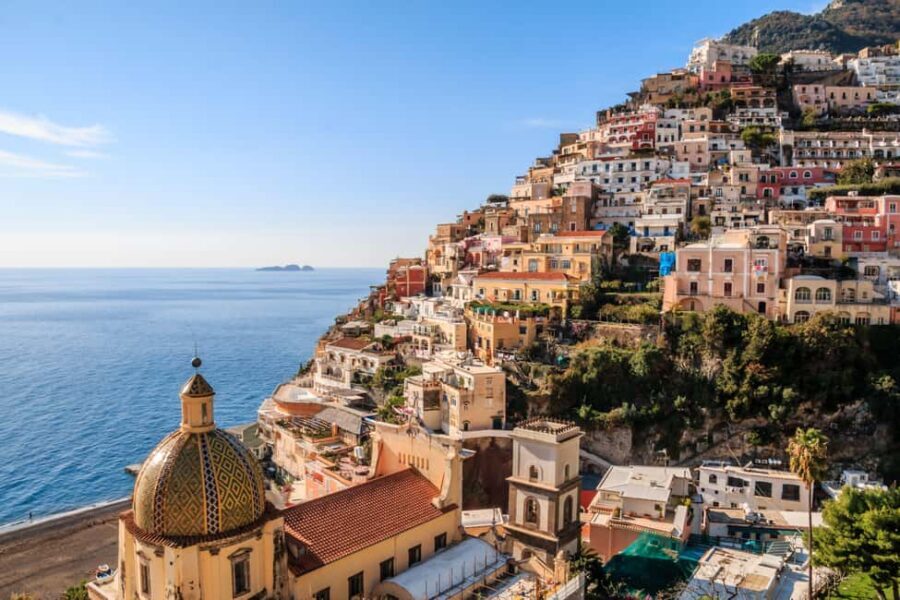
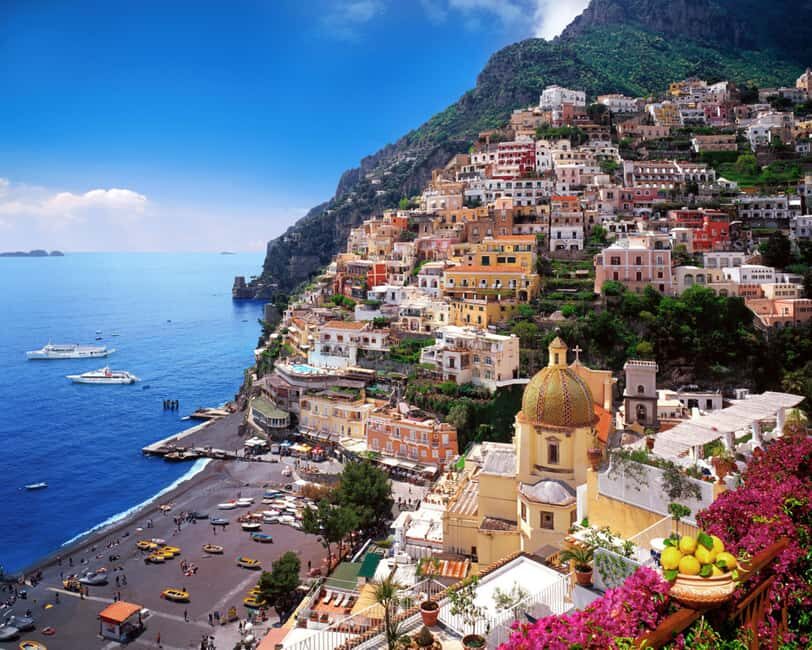
Your schedule includes a van ride that lands you at Positano. Then you get break time, a photo stop, and about an hour for a mix of visit time, free time, sightseeing, and walking. That hour is the heart of the Positano experience in this format.
What I like about this setup is that it gives you enough time to do the two classic Positano things: look and walk. You’ll be in the town’s hilly, scenic environment where the sea is always in the picture, and the streets are narrow enough that you’ll naturally slow down and browse. There’s also shopping time, and the area is known for local craft stores along with fashion shops, so it can feel like a stroll-through-gallery day.
Practical note: Positano streets can mean lots of stairs and uneven footing. If you’re thinking about comfortable shoes, this is the stop where that choice pays off fast. Also, because you only have about an hour, decide early whether you want more time for photos or more time for browsing—either is great, but you can’t do everything deeply.
Sorrento on the Sorrentine Peninsula: Cathedral, San Francesco, and limoncello
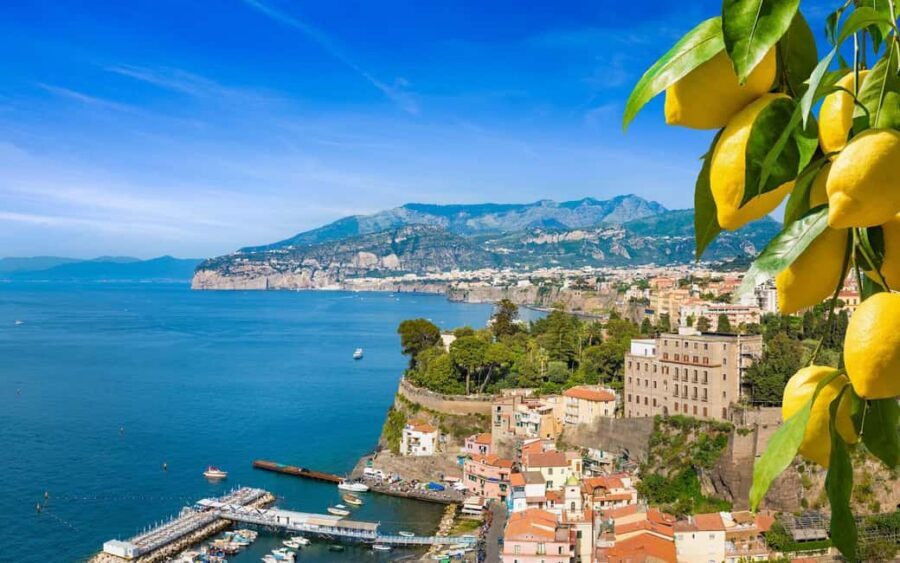
After Positano, the trip heads to Sorrento, often called the pearl of the Sorrentine Peninsula. You’ll have a break time and photo stop, then about 1.5 hours for sightseeing and a self-guided walk.
This is a strong stop if you like old-town atmosphere with clear landmarks. You’ll see the Sorrento Cathedral, plus Baroque churches that add a very different feel from the coastal scenery. The standout listed highlight is the Cloister of San Francesco, which is the kind of place that makes Sorrento feel more layered than just a pretty viewpoint.
One of my favorite “small” inclusions here is limoncello. You’re tasting a local liqueur made from the area’s lemons, which is a simple way to connect the coast to the town’s food culture. If you’re someone who likes to bring home a flavor instead of just photos, this is the moment to do it.
Because the Sorrento time is self-guided, you’ll want a quick game plan. Pick one anchor sight (like the Cloister of San Francesco), then give yourself permission to wander between it and whatever looks good nearby. That’s how you keep the 1.5 hours feeling like more than a checklist.
Pompeii Archaeological Site: time for frescoes, mosaics, and real street-level scale

Pompeii is the big reason this day trip works. You’ll travel from Sorrento to the Pompeii Archaeological Site, then have break time and a photo stop before entering about a 2-hour window that includes visit time, free time, shopping time, sightseeing, walking, and a self-guided tour.
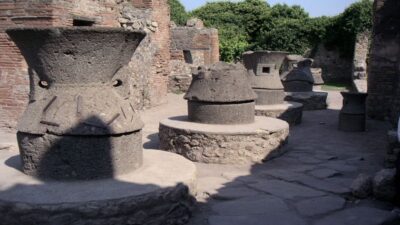
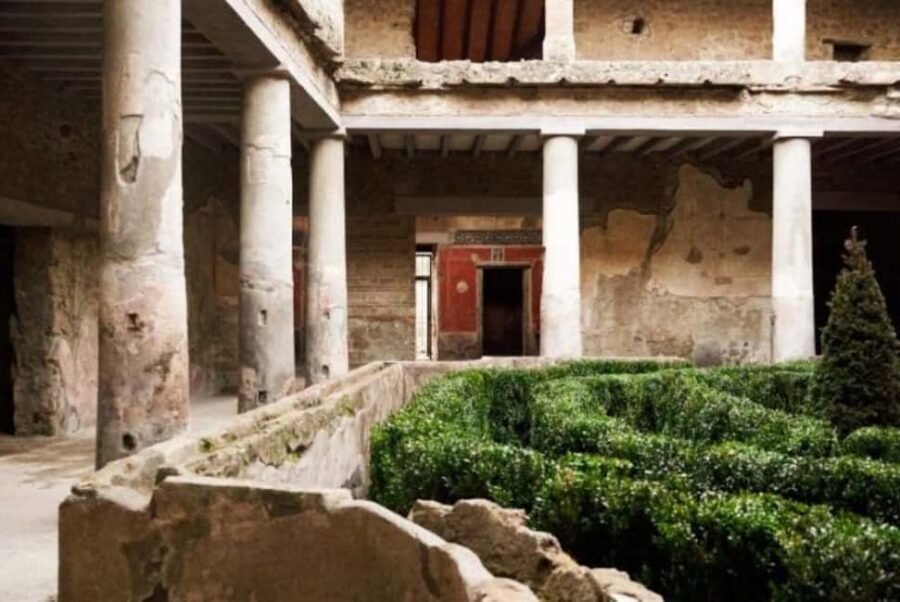
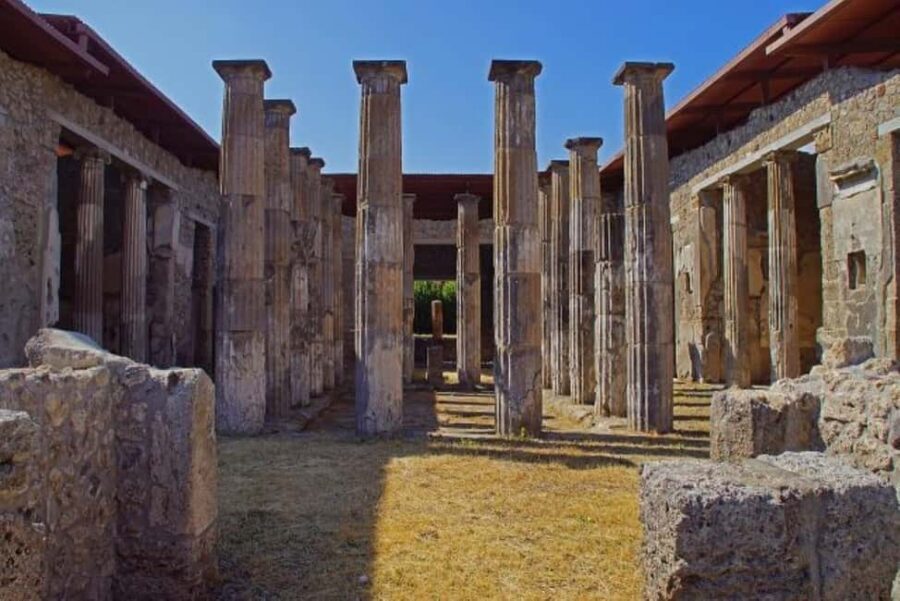
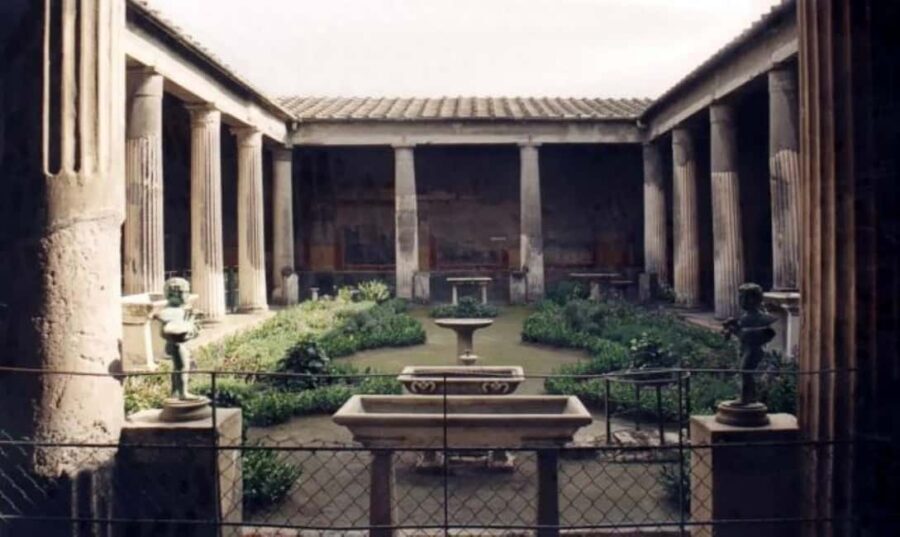
The core idea is simple: you get to see an ancient city buried by Vesuvius in 79 AD, preserved well enough to show details that go beyond famous ruins. The highlight list points to perfectly preserved frescoes, mosaics, and buildings. Even in a shorter visit, those details can be the difference between seeing ruins and understanding how people actually lived.
If you have a guide, Pompeii is where it matters. In the experiences that stood out, Gennaro was specifically mentioned as an informative Pompeii guide. If you end up with a guide like that, you’ll likely get help focusing on what to notice first—like household spaces and wall decorations—so your self-guided time doesn’t feel random.
With only about two hours, you should prioritize what you most want to see. Frescoes and mosaics are a great choice because they’re visually specific, and they reward slowing down. If you try to cover everything, you’ll end up speed-walking through your top interests. Pompeii is big; this timebox is best when you’re selective.
Timing and van rides: how to avoid the day feeling stressful
The structure of this trip is “move, pause, see, repeat.” You start with a longer transfer (about 45 minutes), then additional legs along the way (including shorter rides). Between stops, there’s break time and photo stops, but not unlimited hanging around.
Here’s how to make it feel smoother. Before you go, decide what you care about most:
- Positano for views and streets
- Sorrento for landmarks and limoncello
- Pompeii for artifacts and preserved surfaces
Then let the schedule do the rest. You’ll still have free time at each main stop, but the van segments mean you’re trading flexibility for efficiency. If you hate tight timing, you might feel squeezed. If you like a clear plan and you’re comfortable moving to the next place, this format fits well.
Also, pack like a day trip. Bring water, wear shoes you can walk in for uneven stone streets, and plan for sun and wind. On the coast, weather changes can happen quickly, so bring a layer you can manage without turning the trip into a wardrobe project.






Food, shopping, and local craft stores: spending your short breaks wisely
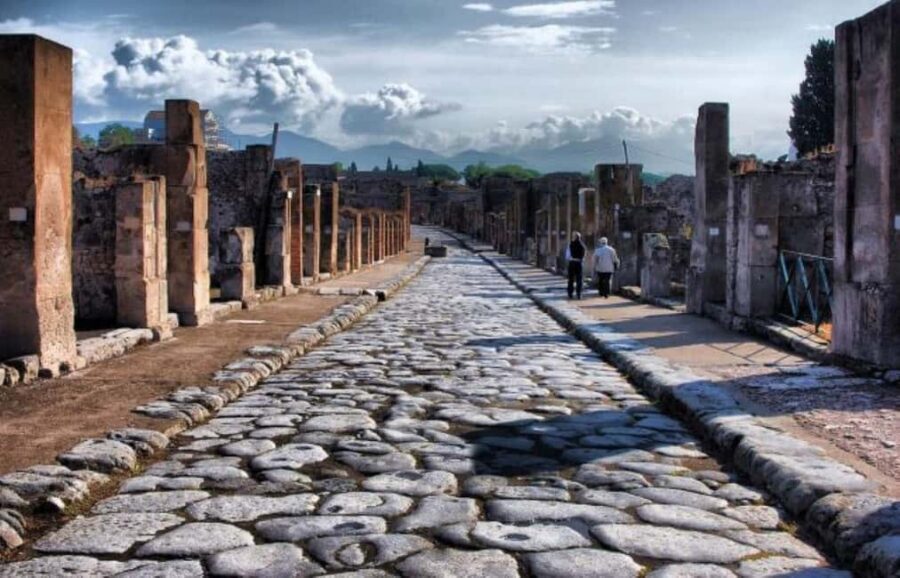
This itinerary is sprinkled with shopping time, and that’s part of the fun when the route includes both coastal towns and a major heritage site. In Positano, the streets are described as historic and packed with fashion and local craft stores. That means your shopping time can turn into browsing for souvenirs that feel like they belong to the place.
In Sorrento, your town time is a mix of sightseeing and self-guided wandering, so shopping fits naturally into the route you choose. If you want something food-related, the limoncello tasting gives you a ready-made local purchase moment.
Pompeii also includes shopping time, but keep expectations realistic. Your main focus at Pompeii is the site itself—frescoes, mosaics, preserved buildings, and the feeling of walking through spaces that were once everyday. Treat shopping there as a bonus, not the main event.
One small tip: when you’re juggling short windows, it helps to pick your “buy list” early. For example, decide in advance whether you want:
- a limoncello bottle in Sorrento
- small crafts in Positano
- simple souvenirs in Pompeii
That saves time later when you’re tired and it’s easy to overthink.
Guides, language, and how the experience gets better with the right host
The driver is listed as English-speaking, which matters for meeting points and clear timing. The experience also highlights what happens when the guiding component is strong at key stops. In the standout accounts, Valeria was mentioned as an excellent guide for the Amalfi Coast and Sorrento part of the day. That kind of host can help you get your bearings fast, especially when the streets are winding and the views come from lots of angles.
For Pompeii, Gennaro was specifically praised for being informative. Pompeii can be overwhelming without direction, even when you’re only there for about two hours. A good guide helps you know what to prioritize so the preserved details actually land.
Even if your group doesn’t have the same guides, the lesson stays the same: the coast-town portion benefits from narrative context, while Pompeii benefits from focus. If the person leading you can connect what you see to how people lived, the site stops being a pile of stones and becomes a lived-in place.
Who should book this Naples coast and Pompeii day trip
This is a great fit if you want a single-day sampler of Positano + Sorrento + Pompeii with transportation handled for you. You’ll like it if:
- you don’t want to rent a car
- you want big sights without multiple separate days
- you’re okay with short breaks and self-guided time
- you enjoy a mix of scenery and a major historical stop
It may be less ideal if you crave slow travel. Positano and Sorrento time are intentionally limited. Pompeii is intense by nature, and two hours goes fast when you’re stopping to look closely at wall art and floors.
If you’re traveling with limited time in Naples, this gives you a structured way to experience the essentials. If you have more time, you might eventually want to return to spend longer in one town or do Pompeii at a deeper pace—but as a first taste, this itinerary does its job.
Accessibility and group options that actually change the day

This activity is listed as wheelchair accessible, which is a big deal for a route that includes walking time in town centers and visiting an archaeological site. The van and meeting point setup can reduce stress because you’re not trying to figure out transport on your own.
There’s also a private group available option. If you value flexibility in pacing—like spending a few extra minutes at a viewpoint or moving through Pompeii at your own tempo—private can feel worth it. For many people, the key advantage is simpler communication and fewer compromises around timing.
In all cases, plan for the fact that even with accessibility notes, older streets and uneven ground can still affect movement. Wear practical footwear and be ready for some walking even when the schedule includes “free time.”
Should you book this Naples Amalfi Coast and Pompeii day trip?
I’d book it if you want a fast, efficient day where the coast towns do the scenery work and Pompeii does the wow-factor work. This tour is built for people who like structure: clear meeting point at Stazione Marittima, an English driver, and set time blocks in each place—so you’re not scrambling all day.
Skip it only if you know you need long, unhurried time in each stop. Positano and Sorrento are short windows here, and Pompeii is big enough that two hours is a focused taste, not a full-length visit.
If your priority is seeing Positano, enjoying Sorrento’s landmarks (including the Cloister of San Francesco) and tasting limoncello, then getting into Pompeii for preserved art and architecture, this day trip is a strong value pick.