REVIEW · POMPEI CAMPANIA
Pompeii & Herculaneum Tour with an archeologist
Book on GetYourGuide →Operated by Around Amalfi Coast · Bookable on GetYourGuide
Vesuvius still shapes your feet.
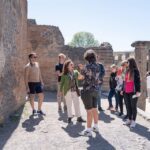
This Pompeii and Herculaneum tour pairs you with a specialist archaeologist guide so you don’t just wander ruins—you learn how each street and room fit into daily life before AD 79. I like the smart comparison the guide brings between the two cities, especially why Herculaneum is better preserved and what that means when you’re looking at charred objects that somehow survived.
You’ll start in Pompeii with the Forum, then move through dense street networks and head to Herculaneum for buildings with upper floors still standing. One heads-up: entry tickets and food aren’t included, so your final total won’t match the headline price unless you plan for that.
Small group is the right size for questions.
With a limit of 8 participants and an English live guide, you get more back-and-forth than on huge bus tours, and the pace is built around explanation at key stops like Pompeii’s Forum and Herculaneum’s thermal baths. The only drawback to flag is that the details about pickup/drop-off are inconsistent, so you’ll want to confirm what your day actually includes.
In This Review
- Key things I’d plan around
- Pompeii’s Forum: Where Daily Life Meets Power
- Street-Level Clues That Explain the Vesuvius Impact
- Herculaneum’s “Jewel” Feeling: Upper Floors and Intact Spaces
- Casa Stops That Make the Buildings Feel Personal
- Thermal Baths: Recreational Culture You Can Actually See
- How the Tour’s 5 Hours Actually Works
- Skip-the-Line Access and Tickets: Don’t Get Caught Short
- Price and Logistics: Getting Value Without Assumptions
- Who This Tour Suits Best (And Who Might Prefer Another Plan)
- Should You Book This Pompeii and Herculaneum Archaeologist Tour?
- FAQ
- How long is the Pompeii and Herculaneum tour with an archaeologist?
- How many people are in the group?
- Where do we meet for the tour?
- Is the tour guided in English by an archaeologist?
- Are entry tickets and food included in the price?
- Do you skip the line?
- Is the tour wheelchair accessible?
- What should I know about the first Sunday of the month, cancellation, and pay later?
Key things I’d plan around
- Archaeologist-led walk that turns ruins into real lived-in spaces
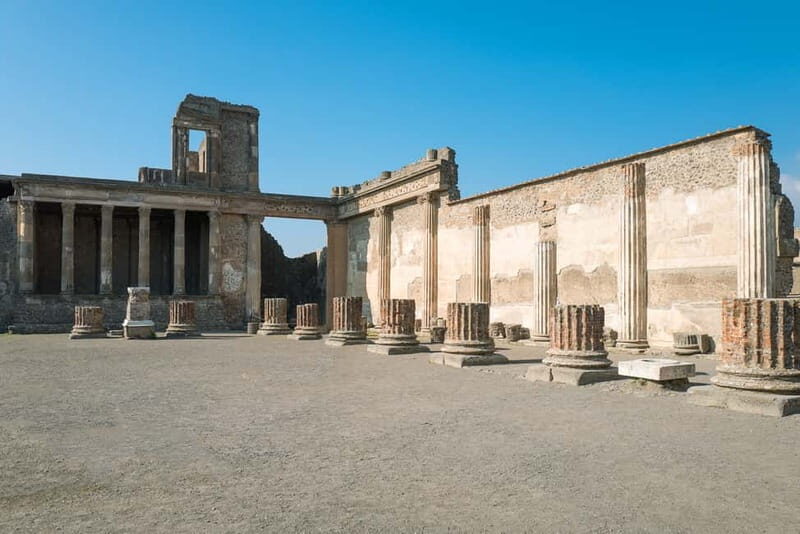
- Pompeii’s political center at the Forum, then street-level context
- Herculaneum’s preservation with upper floors still standing in places like Casa del Salone Nero and Casa Sannitica
- Thermal baths focus on bathing culture plus fine decorations preserved
- Skip-the-line access via a separate entrance, but you still need tickets
- Small group (up to 8) for better pacing and questions
Pompeii’s Forum: Where Daily Life Meets Power
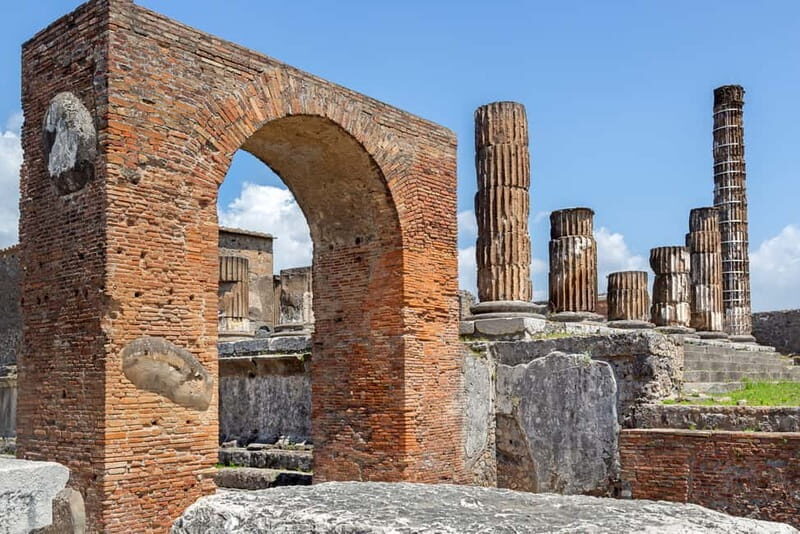
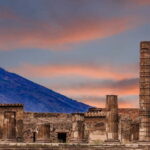
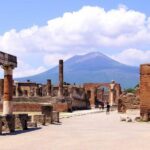
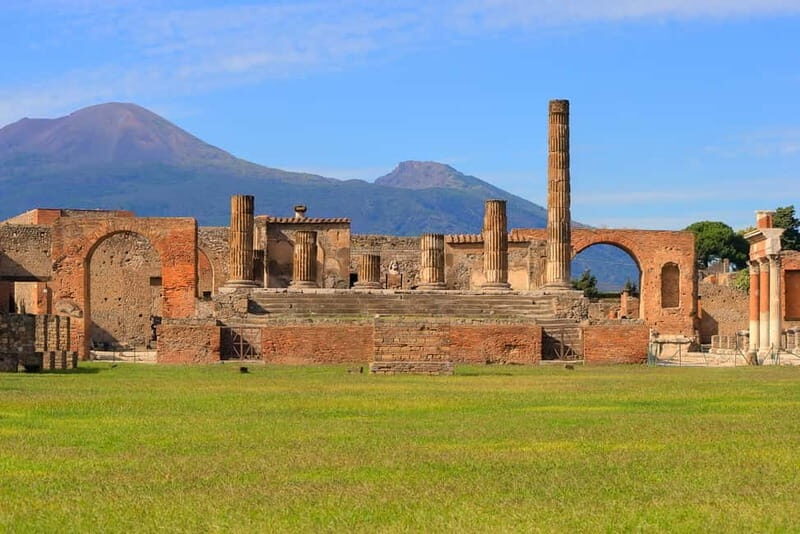
I love starting here because the Forum gives you a map for the whole city. Pompeii wasn’t just pretty streets and dramatic columns—it was the engine of political and commercial life. When you’re in the Forum, you can mentally place the rest of the walk into a system: who gathered, where decisions happened, and how people moved through the city to shop, work, and socialize.
From there, the tour shifts to walking through a dense network of streets. That matters, because Pompeii can feel like a pile of stone if you don’t understand how neighborhoods connect. With your archaeologist guide, you’re not just looking down at the ground—you’re learning what you’d likely have seen at street level, how space was organized, and why certain buildings mattered more than others.
Practical note: Pompeii is large, and you’re covering a lot in a limited time. If you get tired easily, plan small breaks when your guide stops for explanations, and use those moments to re-center your bearings.
You can also read our reviews of more tours and experiences in Pompei Campania.
Street-Level Clues That Explain the Vesuvius Impact
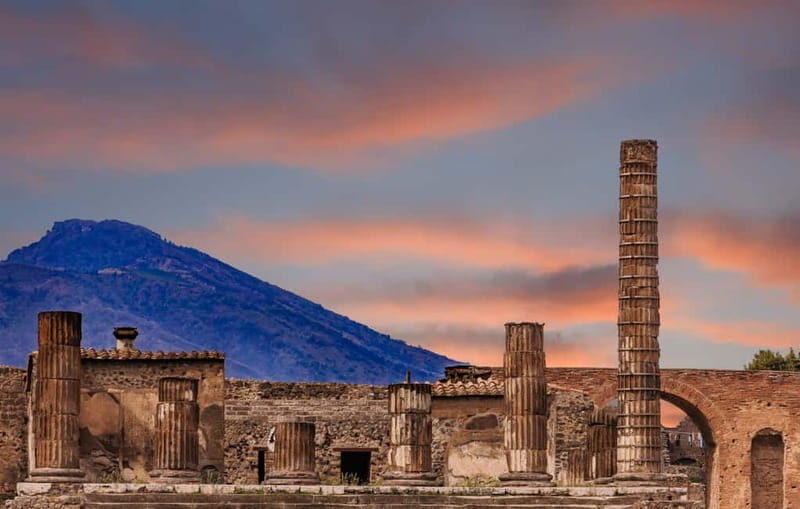
The tour’s biggest strength is the way it connects the eruption to what you see later. Both cities were buried in AD 79, but the experience of being there can feel different, largely because of preservation. Your guide keeps this front and center as you move through Pompeii first—so the buildings you see aren’t just static ruins, they’re clues.
This is where the archaeologist-led approach pays off. You’ll get the kind of explanation that changes what your eyes pick up: how rooms were used, what objects suggest about routine, and how the disaster affected the built environment. Even if you’ve seen photos before, being on-site with an expert guide helps you notice details you might otherwise skip.
If you’re the type who likes questions, this is also where you’ll benefit most. A small group makes it easier to ask about specific buildings or why certain areas look the way they do after so many centuries.
Herculaneum’s “Jewel” Feeling: Upper Floors and Intact Spaces
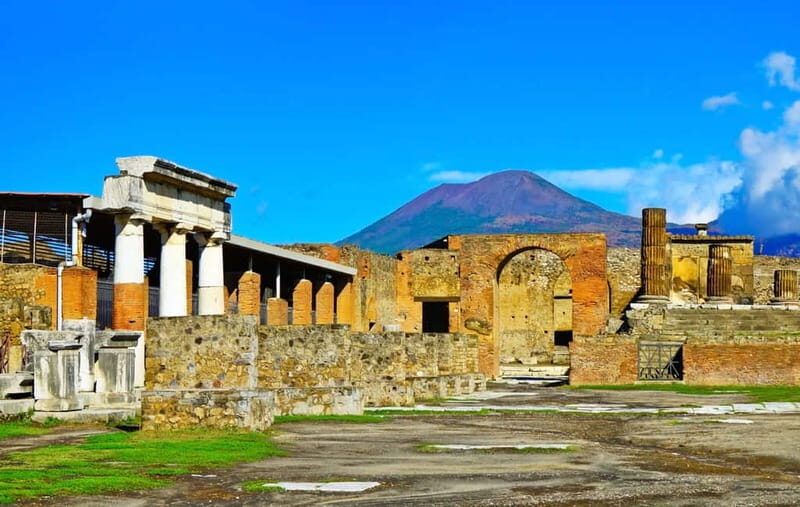
Then you move to Herculaneum, often described as a jewel of archaeology—and I get why. The town sits like a snapshot of an earlier moment, especially because so much is better preserved than Pompeii. Your guide will explain that Herculaneum was once a glamorous town overlooking the sea and that it served as a holiday retreat for wealthy Romans.
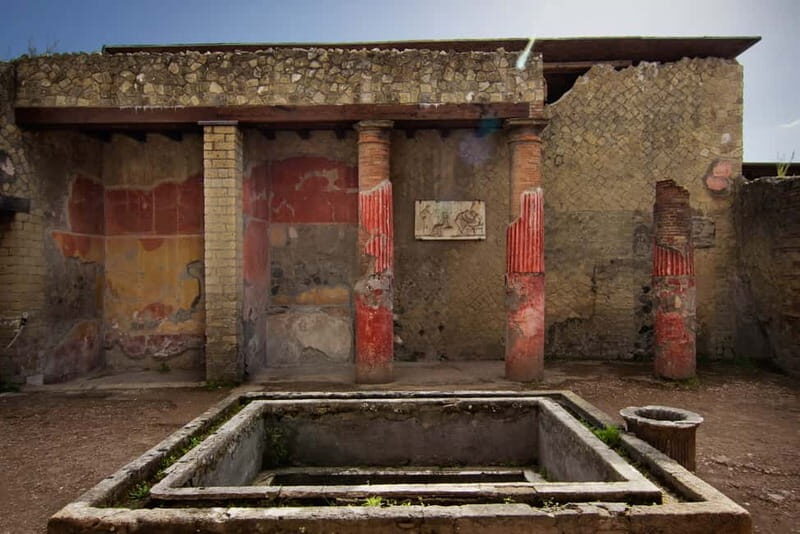
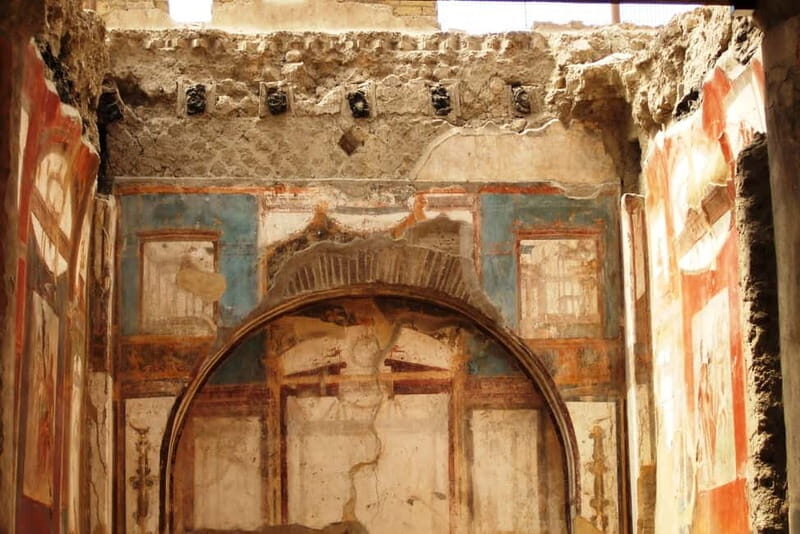
The practical impact for you: the sights feel more complete. In several stops, you can see upper floors of elegant buildings still standing, including places like Casa del Salone Nero and Casa Sannitica. That verticality helps your brain understand scale and daily flow. You’re not only picturing ground-level life—you can imagine what it was like to live and move through multiple levels.
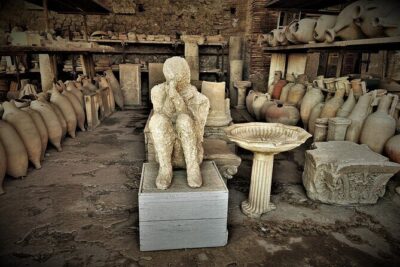
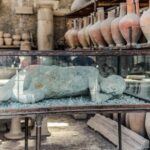
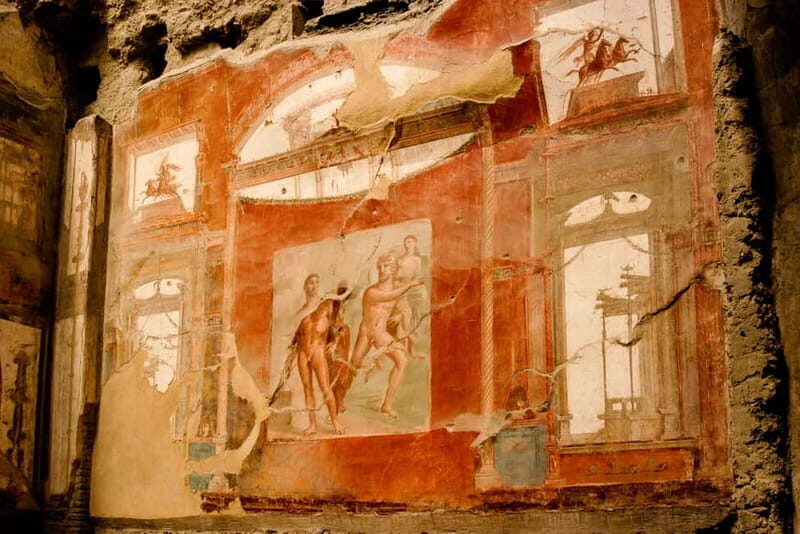
And it isn’t only architecture. You’ll also notice mosaics and preserved furniture. The guide highlights how you’re seeing charred materials that remain extraordinarily intact. That combination is the emotional punch of the tour: it looks ruined, but it also looks specific, personal, and remarkably real.
Casa Stops That Make the Buildings Feel Personal
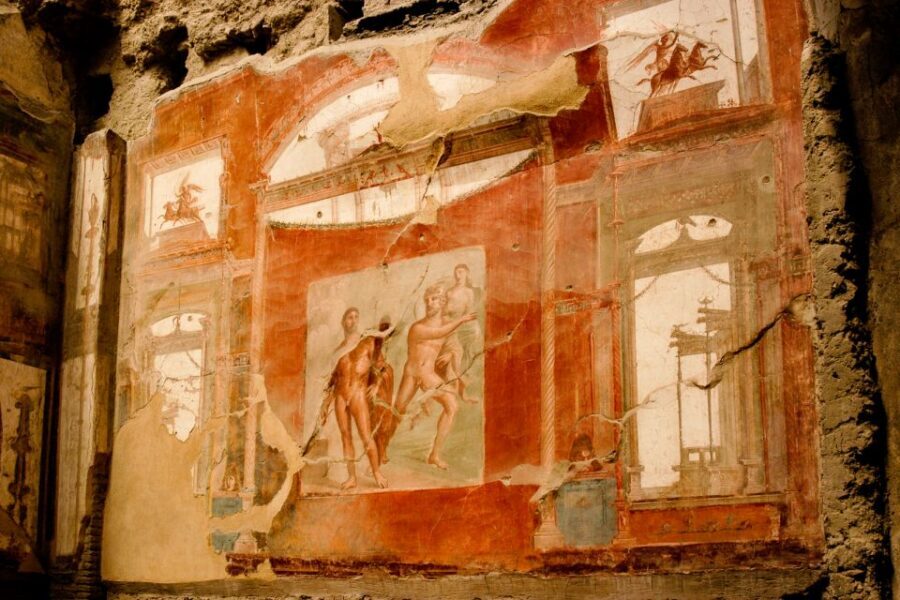
Casa del Salone Nero and Casa Sannitica aren’t just names on a list. On this kind of tour, the value comes from what you learn in the space. The guide will help you compare what you see in Pompeii with what changes in Herculaneum—without forcing a single explanation for everything.
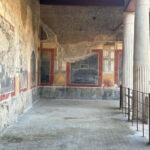
What I like here is the way your attention gets guided. You’re encouraged to look at surviving design elements like mosaics and preserved interior features, not just the exterior walls. When you do that, the houses stop feeling like museum artifacts and start feeling like places where people hosted, relaxed, and spent time.
Possible consideration: if you’re hoping for lots of time for independent photos, this tour’s structure means you may need to work within the guide’s stop length. With a 5-hour total duration, the pacing is intentional.
Thermal Baths: Recreational Culture You Can Actually See
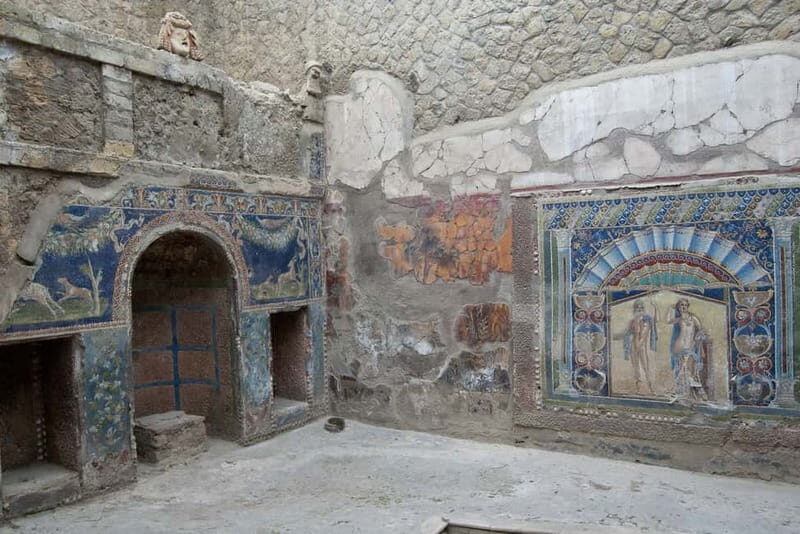
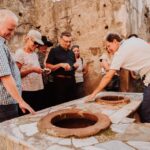
One of the most memorable parts for me in places like these is when the tour reaches entertainment and everyday comfort, and Herculaneum delivers at the thermal baths. Your archaeologist guide will talk about recreational bathing culture, which is a big deal because baths were more than hygiene. They were social spaces, routine, and leisure.
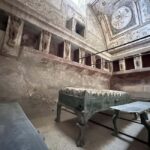
The real reason this stop is powerful is the preservation of details. You’ll admire fine decorations that are perfectly preserved, which makes it easier to picture how people experienced the space. Instead of thinking of a bath as a broken room, you can see elements that suggest how it would have felt to be there.
If you like cultural context—how leisure worked, how people spent free time—this stop can be the highlight of the whole day. And even if you’re not a museum person, it’s an easy entry point into the broader story of Roman life.

How the Tour’s 5 Hours Actually Works
A 5-hour tour sounds simple until you’re standing in two major archaeological sites in one day. Here’s why the timing matters: Pompeii is huge, and Herculaneum is dense with key buildings. This route compresses a lot, so it’s less about checking every corner and more about hitting the most meaningful pieces with expert guidance.
The itinerary flow—Forum and streets in Pompeii, then Herculaneum’s preserved spaces and baths—creates a satisfying arc. You begin with the city’s center of life, then learn how the rest of the urban fabric worked. Then you shift to Herculaneum, where the preservation makes the lessons feel sharper.
Also note the practical rhythm: it’s a live guide in English, and the tour is small group (up to 8). That combination typically means you spend more time listening at stops and less time waiting around.
Skip-the-Line Access and Tickets: Don’t Get Caught Short
This is a key value point, but it can also surprise you if you’re not planning ahead. The tour offers skip the line through a separate entrance, which can save time when you’re dealing with busy entry procedures. However, entry tickets are not included, so you’ll need to budget for them separately.
Here’s a practical way to handle it: treat the tour price as the guide and the experience, then add ticket costs on top. The price is listed as $993.72 per group (up to 8), so if your group can fill the maximum, the per-person cost can feel more reasonable. If you’re traveling with fewer people, your per-person cost goes up, because the rate is group-based.
One more day-planning detail: on the first Sunday of each month, entrance is free. The catch is that tickets can’t be reserved ahead of time, so entry is not guaranteed. If you’re booking for that day, plan for flexibility and possible uncertainty.
Price and Logistics: Getting Value Without Assumptions
Let’s talk money in a grounded way. At $993.72 per group up to 8, you’re paying for a specialist guide plus a structured route that hits both sites in one day. If you travel with friends or family and can reach the group limit, this can be strong value compared with paying for smaller guided sessions.
The potential friction is that you may still have several separate costs:
- Entry tickets (not included)
- Food and drinks (not included)
On top of that, there’s one detail you should verify before you go. The information provided says pick up and drop off is both listed as included and listed as not included. That contradiction is worth addressing directly with the provider. What you can rely on from the details is the meeting point and return location: you start at Coffee Shop Vittoria and the activity ends back at the same meeting point.
So, my advice is simple: confirm pickup/drop-off for your specific booking, and plan on meeting at the stated start location unless they confirm otherwise.
Who This Tour Suits Best (And Who Might Prefer Another Plan)
This is a great fit if you like learning while you walk. An archaeologist guide helps you interpret what you’re seeing at Pompeii’s Forum, in preserved homes in Herculaneum, and in the thermal baths. If you enjoy context—how Romans lived, how public spaces worked, and why preservation differences matter—this tour will feel like more than sightseeing.
It also fits well if you don’t want a huge group. A limit of 8 participants keeps it practical for asking questions and getting focused explanations without feeling lost.
If you’re traveling purely for independent wandering and you want long free time in every building, you might find a guided 5-hour structure a bit tight. But if you want the best “guided meaning per hour,” this format is built for that.
Should You Book This Pompeii and Herculaneum Archaeologist Tour?
I think you should book it if your goal is to understand what you’re looking at, not just to see big ruins. The combination of Pompeii’s Forum-first orientation plus Herculaneum’s better-preserved spaces—Casa del Salone Nero, Casa Sannitica, and the thermal baths—creates a day with strong variety and clear learning payoff.
Book it with extra attention to planning if:
- You’re counting on a totally accurate all-in price (tickets and food aren’t included)
- You’re visiting on the first Sunday (free entry exists, but entry isn’t guaranteed)
- You need pickup/drop-off beyond the meeting point (the provided info conflicts, so confirm)
If you want an archaeologist-led walk with a small group pace, this is the kind of tour that makes the past feel specific and close.
FAQ
How long is the Pompeii and Herculaneum tour with an archaeologist?
The tour duration is 5 hours, and you’ll need to check availability to see the starting times.
How many people are in the group?
It’s a small group limited to 8 participants.
Where do we meet for the tour?
The tour starts at Coffee Shop Vittoria.
Is the tour guided in English by an archaeologist?
Yes. It includes a specialist archaeologist guide and the live tour guide is English.
Are entry tickets and food included in the price?
No. Entry tickets and food and drinks are not included.
Do you skip the line?
Yes. You’ll use a separate entrance for skip-the-line access.
Is the tour wheelchair accessible?
Yes, the tour is wheelchair accessible.
What should I know about the first Sunday of the month, cancellation, and pay later?
On the first Sunday of each month, entrance is free, but tickets can’t be reserved ahead of time, so entry isn’t guaranteed. You also have free cancellation up to 24 hours in advance for a full refund, and you can reserve now and pay later.