REVIEW · POMPEI CAMPANIA
Pompeii: Guided Day Trip to Ruins and 2 Wineries Visits
Book on GetYourGuide →Operated by Tastethexperience · Bookable on GetYourGuide
Pompeii plus wine is a perfect pairing. I love how an official Pompeii guide turns the stones into real Roman life, not just dates and ruins. I also love that the day doesn’t stop at history: you’ll taste around 9 wines from organic wineries in the Vesuvius area. One thing to plan for: the Pompeii ruins entry ticket is extra and you’ll need to buy it separately.
What makes this day trip work is the flow. You get a focused Pompeii stop, then you’re carried into the Vesuvius National Park world of volcanic grapes for two winery visits, lunch with tastings, and a late-day brunch with more wine. And in the best-run versions of this tour, the team keeps things moving smoothly—helpers like Dino oversee the day, and drivers like Lorenzo check in so you stay comfortable.
In This Review
- Quick hits: what’s special about this Pompeii and wine day
- Meeting at Hortus Pompei: start where the day feels local
- Pompeii with an official guide: what you’re really paying for
- The 79 AD city walk: what to expect (and what might feel basic)
- Van time between Pompeii and wineries: how the day keeps its pace
- Two winery visits near Mount Vesuvius: volcanic grapes in a real park
- Lunch with wine tastings: why this is better than a quick stop
- Mount Vesuvius brunch and the final tasting stretch
- Taste smart: how to get the most from about 9 wines
- $157.47 value check: what you get for the money
- Who this tour fits (and who might want a different day)
- Should you book this Pompeii and Vesuvius wineries tour?
- FAQ
- Is the Pompeii entry fee included?
- How long is the guided tour of Pompeii?
- What wineries are visited?
- Are there wine tastings, or is it just lunch?
- About how many wines will I taste?
- Is lunch included in the tour?
- What happens at Mount Vesuvius?
- How large is the group?
- Where do we meet the guide?
- Is the tour guide in English?
- What about cancellation and paying later?
Quick hits: what’s special about this Pompeii and wine day
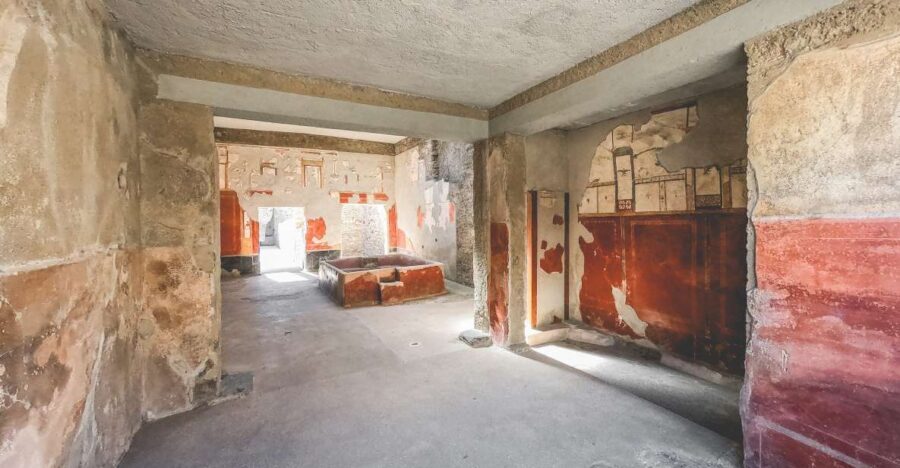
- Official guide time at Pompeii: about two hours with a real expert walking you through how people lived in 79 AD.
- Organic-winery wine tastings: around 9 different pours across two wineries, plus wine with your meals.
- Actual meals, not snack food: lunch includes tastings, and you also get brunch later on Mount Vesuvius.
- Vesuvius National Park setting: volcanic soil and mineral character show up in the glass.
- Small group format: up to 16 people, which keeps the day from feeling like a cattle queue.
- Good team support: guides like Mother Theresa and drivers like Lorenzo are called out for keeping everyone on track.
Meeting at Hortus Pompei: start where the day feels local
This tour typically starts at the Hortus Restaurant area, where your guide meets you holding a sign that says THE ANCIENT POMPEII. It’s a clear, easy-to-spot meetup point, which matters when you’re doing a long day and don’t want confusion before you even start.
Once you’re together, you’ll move as a group—because the whole point here is a smooth history-to-wine rhythm. In the way this day is run, you’re not stuck figuring out routes or timing; you’re guided from Pompeii out toward the wineries and back.
Also, if you’re staying in the Amalfi Coast zone, the day is built around convenient drop-offs. The listed drop-off areas include Naples, Amalfi, Positano, Ravello, Praiano, plus the Hortus Pompei area.
You can also read our reviews of more guided tours in Pompei Campania
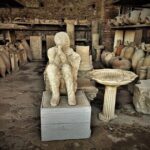
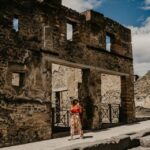
Pompeii with an official guide: what you’re really paying for
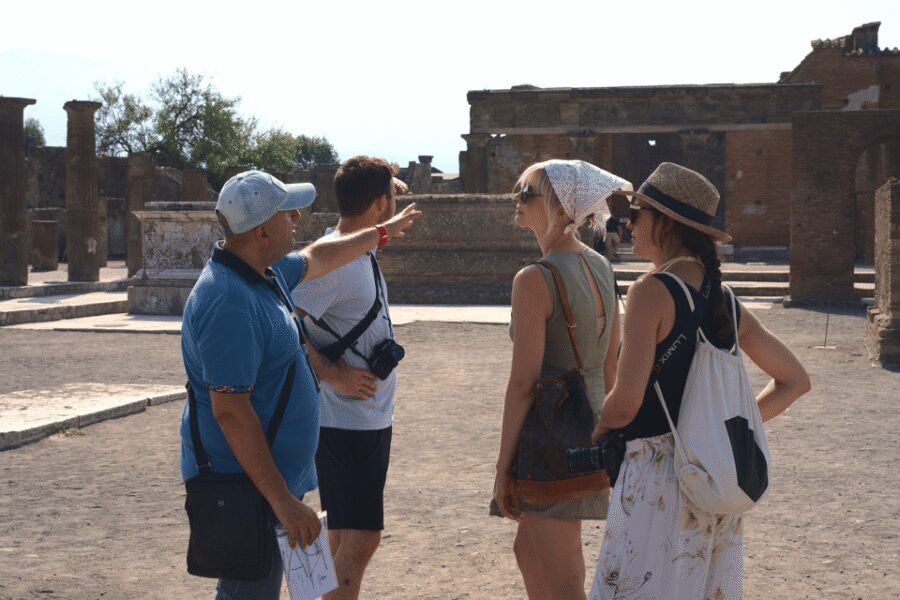
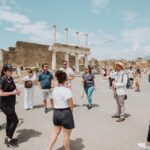
You spend about two hours at the Pompeii Archaeological Site with your guide. Pompeii is one of those places where you can wander for hours and still miss the big picture—this tour pays for interpretation.
A guide like Mother Theresa is the kind of instructor you want here: she’s described as having strong knowledge and a caring, hands-on approach that keeps the group moving. That’s useful at Pompeii, where you’ll constantly be deciding where to look next and how to connect what you’re seeing with how people lived.
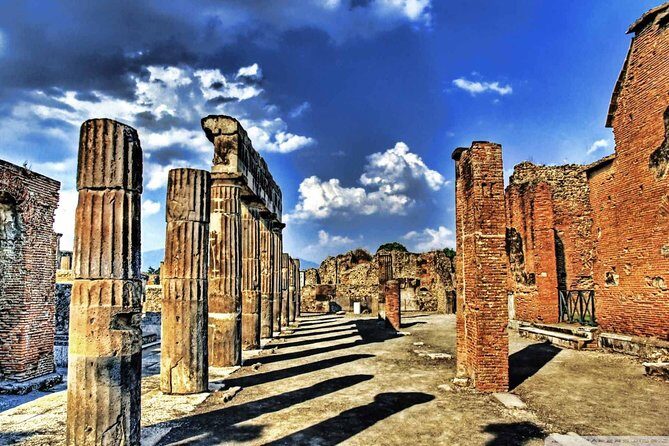
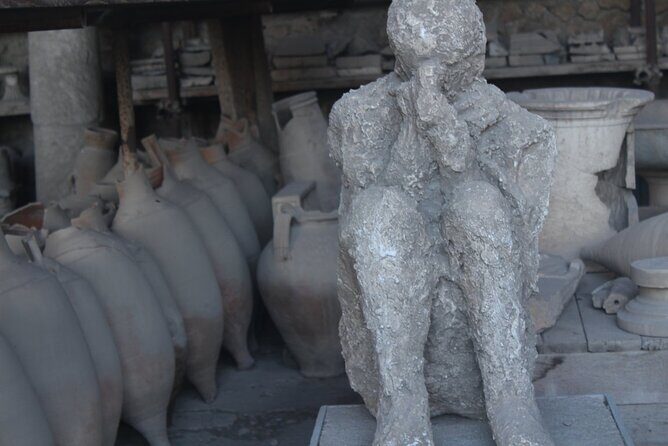
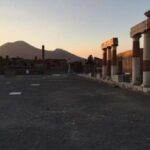
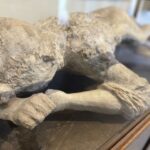
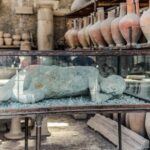
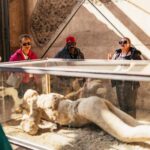
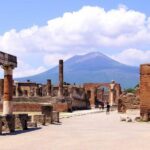
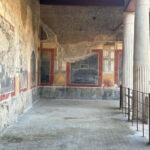
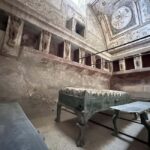
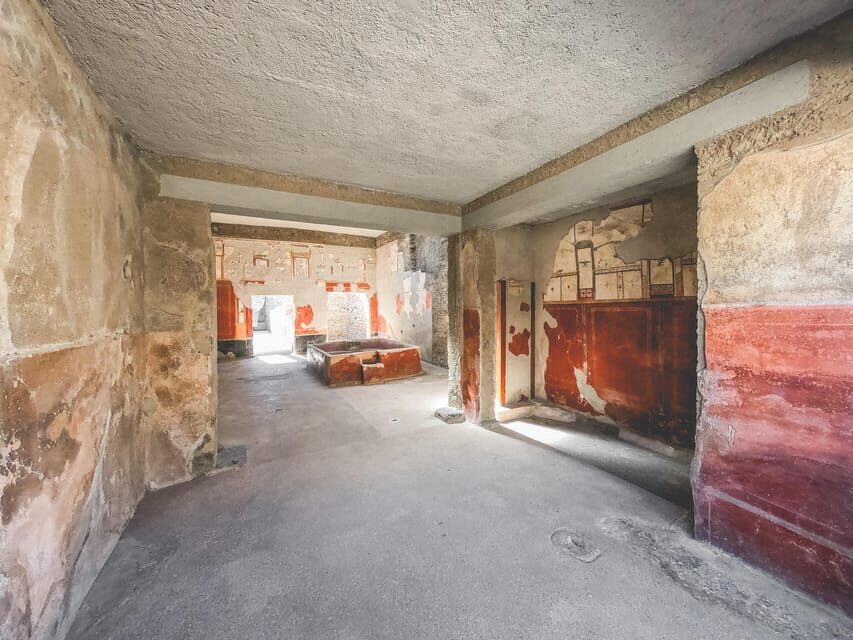
You’re walking through a city “frozen in time” by the eruption of 79 AD. Your guide’s job is to turn that frozen city into stories—streets, homes, public spaces, and the small clues that help you understand everyday Roman life.
Practical note: Pompeii can feel overwhelming because the site is huge. A structured two-hour visit won’t make you an expert on Roman architecture, but it should help you get your bearings fast and understand what you’re looking at.
The 79 AD city walk: what to expect (and what might feel basic)
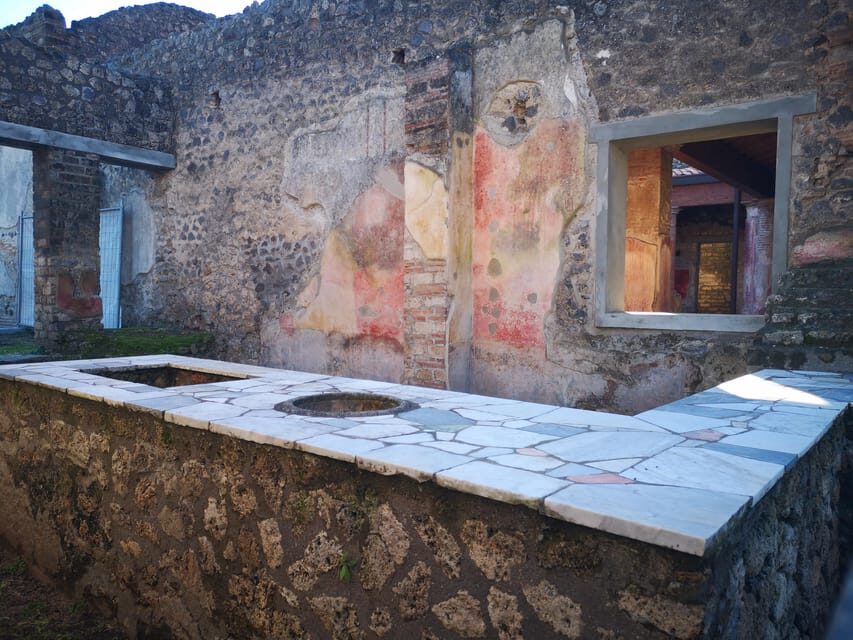
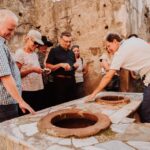
The Pompeii portion is guided, so you’re not just strolling between columns and walls. Expect stops and explanations that connect the layout of the city to behavior—where people went, how spaces worked, and what daily routines might have looked like.
One caution I’d give: if you arrive expecting an extremely deep, encyclopedic style tour, the Pompeii explanations may feel more straightforward. There’s feedback that parts of the talk can cover things that might sound like common sense, like basic logistics within the site.
That doesn’t mean it’s bad. It usually means you’ll get a solid, beginner-to-intermediate level narrative that helps you enjoy Pompeii more than you would on your own. If you love learning through conversation and scene-setting, this format is a good fit.
If you want to get even more out of it, do this: look up a simple Pompeii map concept before you go—main streets, forum area, and residential zones. Then, during your two hours, you’ll recognize the themes as they’re pointed out.
Van time between Pompeii and wineries: how the day keeps its pace
After Pompeii, there’s a short van ride. The schedule calls for transfers between the stops—about 15 to 20 minutes each—so you’re not stuck in a long vehicle slog.
This matters because you’re doing a full day: history in the morning, then wine and meals, then wine again with views later. With a guided group and transport in place, you can spend your energy on the fun parts instead of coordinating logistics.
In well-run versions of this tour, pick-up and handoffs are coordinated by team members like Gennaro, with oversights by someone like Dino. That kind of coordination tends to show up as fewer stalls and more “you’re here, now do this” clarity.
Two winery visits near Mount Vesuvius: volcanic grapes in a real park
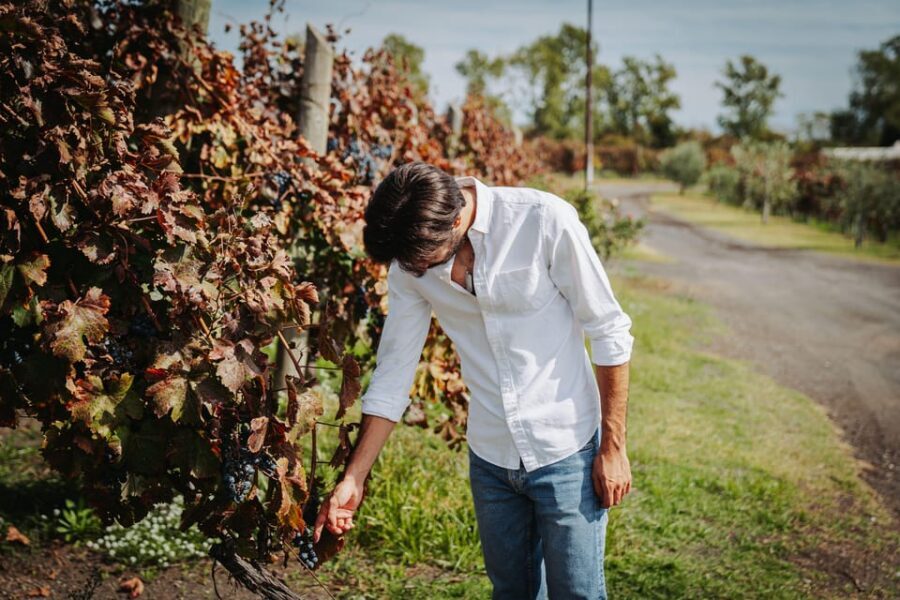
After Pompeii, you head into the Vesuvius National Park area for two winery stops. The key idea is volcanic soil—fertile ground with mineral influence that shapes the grapes and flavors.
This is where the tour connects wine to place. Vesuvian wines are known for a distinct mineral character, and the area is associated with Lacryma Christi, often called Tears of Christ, a wine style that locals and visitors strongly tie to this volcanic zone.
The tour has you taste in two wineries that differ in how they approach winemaking. That’s a smart way to learn, because you’re not just repeating one tasting style. You’ll see how decisions in the cellar can change the way grapes express themselves, even when the landscape is similar.
Also, these tastings focus on organic wineries. That doesn’t automatically mean “better,” but it does mean you’re likely getting wines made with a specific philosophy—one that often comes with careful vineyard practices and a distinct taste identity.
You can also read our reviews of more tours and experiences in Pompei Campania

Lunch with wine tastings: why this is better than a quick stop
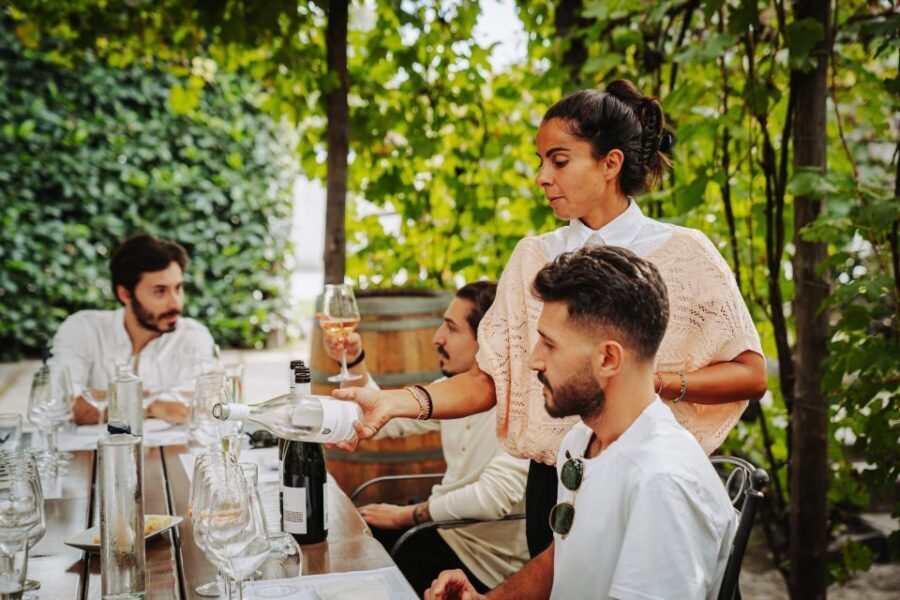
Lunch is built into the day, and it’s not just a plate of bread and olives. The schedule includes lunch along with two wine tastings, and it runs as a longer block—about two hours total at that stage.
That timing is important. When lunch is paired with structured tastings, you can actually reset after Pompeii. You’ll have time to eat, taste, compare, and talk with the winery staff rather than feeling rushed.
In places like this, food choices usually show up as part of the tasting experience. You’ll get an actual meal you can enjoy, then transition back into wine without the “hangry” feeling that ruins the rest of a day.
If you’re food-minded, this is one of the best value parts of the itinerary. You’re paying for a day that includes both guided culture and a real sitting-down meal.
Mount Vesuvius brunch and the final tasting stretch
Later, you go up to Mount Vesuvius for brunch plus additional wine tasting time. The Mount Vesuvius stop is listed at about 95 minutes, so it’s long enough to taste without feeling like you’re gulping wine and sprinting to the van.
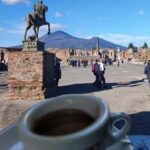
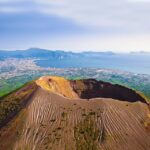
This is also the part of the day where views often matter more than facts. Even if you don’t plan to stare at the scenery for long, the setting helps explain why Vesuvius wines taste the way they do—grape-growing is tied to slopes, weather patterns, and volcanic soils.
By this stage, you’ve already tasted at the earlier winery (and likely started getting your “this tastes like that” sense). The second round can be fun because it lets you compare how the first winery’s style differs from what you experience later.
Practical advice: pace yourself. Around nine wines across the day means you’ll want to taste rather than drink like it’s a night out. Small group format helps too—you can take your time without feeling lost in a crowd.
Taste smart: how to get the most from about 9 wines
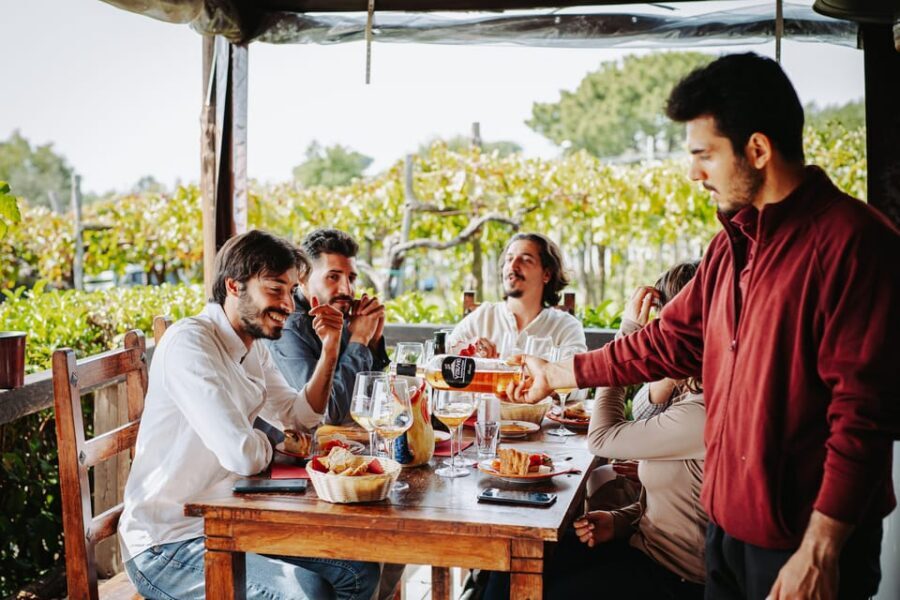
Wine tastings are only “educational” if you pay attention. Here’s how I’d approach the tastings so you leave with real takeaways.
First, taste like a detective. Start with look and smell, then sip and notice texture. Ask yourself simple questions: is this wine lighter or fuller, dry or more fruit-forward, and does it feel mineral or more rounded?
Second, compare across wineries. Since the wineries differ in approach, you’ll be able to connect taste differences to winemaking choices. You don’t need technical wine jargon; you just need a consistent method for tasting.
Third, match the wine to the meal. Lunch and brunch are part of the experience, and food changes how a wine reads on your palate. If you’re trying to figure out what you like, taste while you’re eating—not only before the food arrives.
If you’re the type who likes souvenirs, keep in mind this is also a shopping opportunity in many winery settings. The tour data doesn’t guarantee purchases, but tastings often make it easy to pick up a bottle you actually enjoyed.
$157.47 value check: what you get for the money
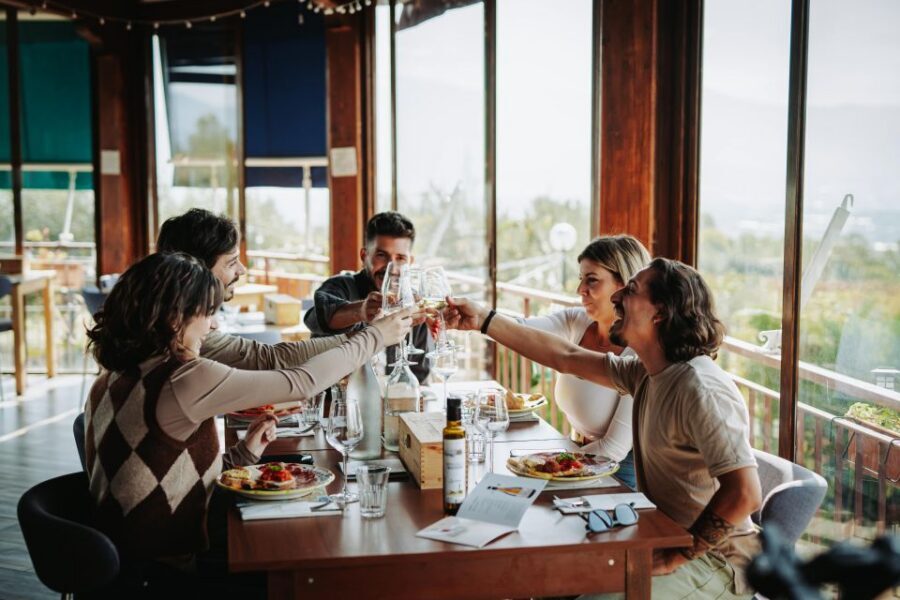
At $157.47 per person, you’re paying for several things that are hard to stitch together alone. You get a guided Pompeii visit (two hours), transport between stops, two winery visits, lunch with tastings, and a Mount Vesuvius brunch with tasting time.
If you were to arrange Pompeii guide time plus winery transport plus meals on your own, the cost would often climb quickly—especially on the Amalfi side where you’d be fighting parking and scheduling.
The other value piece is the small group size (max 16). That’s the difference between hearing your guide clearly and constantly losing track of the meeting spot. It also helps at the wineries, where you want time for questions and comparison, not a fast shuffle through tables.
The one extra cost is Pompeii entry, which you buy separately on Ticketone-official. So think of this as a “mostly all-inclusive day,” with one ticket you handle in advance.
Net-net: this is a strong value if you want history and wine in one organized package and you’re okay spending a full day on the move.
Who this tour fits (and who might want a different day)
This is a great choice if you want your first Pompeii experience to feel structured. If you’re excited by Roman life stories and you like learning from an official guide, you’ll get real benefit from the time you’re given on-site.
It’s also a strong match if you’re a wine lover who enjoys tasting multiple styles. Around nine wines, organic wineries, and meals included means you’re not stuck with a tiny glass and a quick photo.
It may be less ideal if you already know Pompeii well and want an ultra-specialized, extremely detailed walkthrough. There’s feedback that some parts of the Pompeii talking can feel more basic than expected, so if you’re hunting for very technical interpretation, you might not feel as blown away.
And because it’s a full 6–7 hour day, it’s best when you enjoy being out all day rather than taking a slow break between sights.
Should you book this Pompeii and Vesuvius wineries tour?
I’d book it if you want a balanced day with Pompeii guidance plus real wine time in the Vesuvius National Park. The best version of this experience is built around smooth pacing, helpful team support (including drivers like Lorenzo and guides like Mother Theresa), and tastings that feel integrated with lunch and brunch.
I wouldn’t book it if you’re trying to keep the day light or you dislike wine tastings. Also, if Pompeii is your top priority and you want the deepest possible level of detail, you may prefer a more intensive Pompeii-focused tour and then add wine later.
If you’re aiming for an easy, well-run day that gives you both history and flavor, this one makes a lot of sense.
FAQ
Is the Pompeii entry fee included?
No. The Pompeii park entry fee is not included, and you need to purchase it separately on Ticketone-official.
How long is the guided tour of Pompeii?
The Pompeii archaeological site guided tour is listed at about two hours.
What wineries are visited?
The tour includes stops at two different Vesuvian wineries within the Vesuvius National Park area.
Are there wine tastings, or is it just lunch?
There are wine tastings. Lunch includes two wine tastings, and you’ll also have wine tasting time at the wineries and again on Mount Vesuvius.
About how many wines will I taste?
You’ll taste around nine different wines from organic wineries.
Is lunch included in the tour?
Yes. You’ll have lunch with two wine tastings as part of the itinerary.
What happens at Mount Vesuvius?
You’ll have brunch and wine tasting during the Mount Vesuvius stop, which is about 95 minutes.
How large is the group?
This is a small group tour, with a maximum group size of 16 people.
Where do we meet the guide?
You meet your guide in front of the Hortus Restaurant holding the sign THE ANCIENT POMPEII.
Is the tour guide in English?
Yes. The tour is listed as having a live guide in English.
What about cancellation and paying later?
Free cancellation is available up to 24 hours in advance for a full refund, and there’s an option to reserve now and pay later.