REVIEW · NAPLES
Skip-the-line Ancient Herculaneum Highlights Exclusive Tour with Private Guide
Book on Viator →Operated by Herculaneum Tours · Bookable on Viator
Roman streets, suddenly real.
This private 2-hour tour through Herculaneum is built for people who want more than photos. I like that you’re not just walking ruins—you’re getting guided storytelling tied to daily Roman life, from houses and shop details to the thermal baths. I also appreciate the skip-the-line promise, because time matters when you’re trying to enjoy the site at a calm pace instead of waiting.
One thing to consider: the tour is listed for people with moderate physical fitness, so plan for walking on uneven ground and some steady time on your feet. Also, there’s no hotel pickup, so you’ll want to be ready to get yourself to the meeting spot in Ercolano.
In This Review
- Key highlights you’ll care about
- Herculaneum’s magic: daily life, not just stones
- Skip-the-line access at Ercolano Scavi: time back in your day
- A private, art historian guide for a focused 2 hours
- Touring Roman houses, doors, and shop interiors
- The thermal baths stop: where daily life meets Roman culture
- Mt. Vesuvius context: why the city was buried
- Price and value: what $215.07 buys you in real time
- Getting there: no hotel pickup means you plan the start
- Who this tour suits best (and who might want a different option)
- Should you book? My practical take
- FAQ
- Is the tour offered in English?
- How long does the tour last?
- Is this a private tour?
- Does the price include admission to Herculaneum?
- Do I get a mobile ticket?
- What does skip the long lines mean for this experience?
- Where is the meeting point?
- Is hotel pickup included?
- What fitness level do I need?
- Can children join?
- What is the cancellation policy?
Key highlights you’ll care about
- Private guide + art historian approach for context, not just facts
- Guaranteed skip-the-line access so your 2 hours stays focused
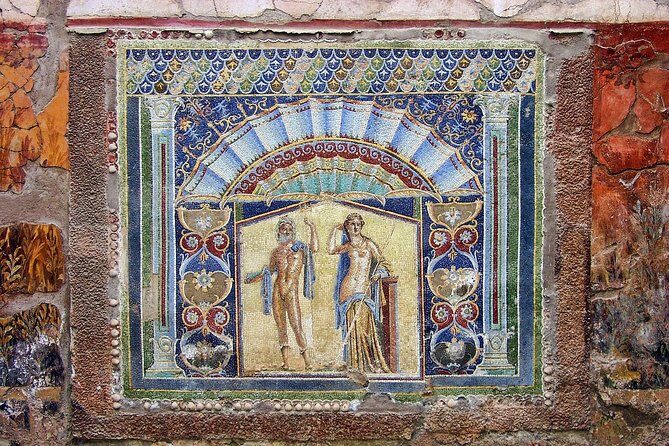
- Original details you can actually see, like doors and shop furnishings
- Thermal baths as a major stop for how Romans lived and relaxed
- Mt. Vesuvius eruption context to explain why the city was buried
- Mobile ticket for a smoother start once you arrive
Herculaneum’s magic: daily life, not just stones
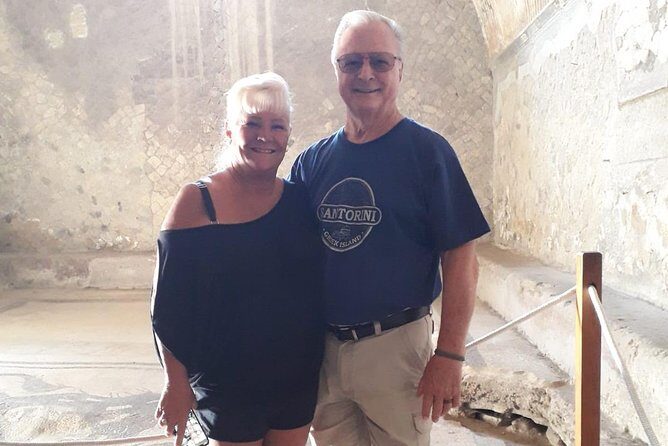
Herculaneum can feel like a time machine because the site preserves so much more of ordinary life than you might expect. On this tour, you’re led to places that help you picture how people moved through their day—homes, shop spaces, and public-style areas like the baths.
The tour’s most convincing strength is the way it links what you’re seeing to how people lived. Instead of treating the ruins as a checklist, your guide talks through the logic of the spaces: where people would enter, what certain features suggest, and why the city’s sudden end matters to what’s preserved today. That kind of interpretation is what turns a visit from sightseeing into understanding.
And yes, the emotional punch of Herculaneum is real. When you look at things like original doors or shop furnishings, it’s hard not to imagine the room before it froze in time. That’s exactly the feeling this tour is aiming for.
You can also read our reviews of more guided tours in Naples


Skip-the-line access at Ercolano Scavi: time back in your day
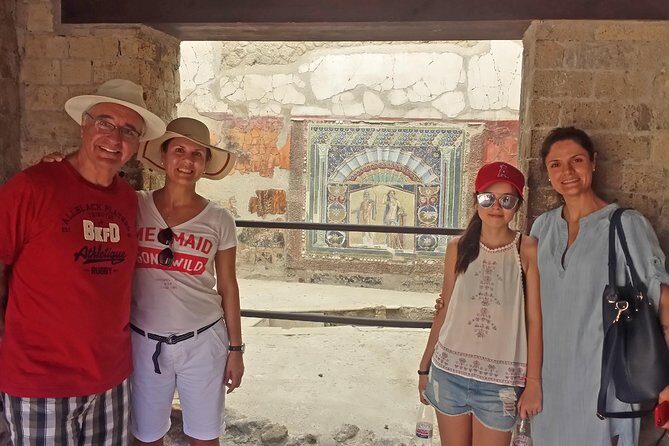
This experience is built around guaranteed to skip the long lines entry. If you’ve ever arrived at a popular archaeological site and spent half your morning waiting, you’ll immediately understand why this matters. Here, you’re paying for the chance to use your time for the actual places you came to see.
Your tour starts at Ercolano Scavi (80056 Ercolano, Metropolitan City of Naples, Italy). The tour ends back at the same meeting point. That matters for planning: you’re not getting swept into an all-day transfer plan, and you can usually connect the tour to the rest of your Naples-area day without guesswork.
Tip I’d follow: build in a little extra buffer before you depart for the meeting point. Even with skip-the-line access, you still want to arrive early enough to check in smoothly.
A private, art historian guide for a focused 2 hours
The tour lasts about 2 hours and is private—only your group participates. You’re not sharing a guide with strangers drifting off in different directions. That makes a difference with a site like Herculaneum, where small architectural details and layout clues can get lost in a big group.
You also get both a local guide and a professional art historian guide. That dual-guide setup is a smart value play: local knowledge helps you orient to the site and its context, while an art historian can put visual details into a larger frame (materials, purpose of spaces, and what survived for a reason).
The tour is offered in English, and you’ll use a mobile ticket. No printed ticket chasing. Just have your phone ready and make sure you’re comfortable showing the ticket on arrival.
And because it’s private, you can usually ask for clarifications and get answers that match your interests—like whether you want more on daily life, Roman home design, or the event that caused the city’s burial.
Touring Roman houses, doors, and shop interiors
The core of the visit focuses on the parts of Herculaneum that help you imagine private Roman life. Expect to spend time in and around the preserved structures that read like snapshots of households and local commerce.
What I’d look forward to here:
- Roman houses where the guide helps you picture everyday routines and family life
- Original doors—the kind of detail that makes the past feel physical
- Shop interiors, including original furniture for commercial spaces
Seeing original features matters because it reduces the guesswork. Instead of picturing what an ancient shop might have looked like, you’re standing where it did look that way. When your guide points out specific elements, it becomes much easier to understand how a space functioned.
Possible drawback: because the time is tight at about two hours, you’ll want to keep your pace steady. If you stop for every photo at every angle, you might feel a little rushed. The better move is to let the guide lead the route and then take extra photos at the moments that genuinely catch your eye.
The thermal baths stop: where daily life meets Roman culture
The tour doesn’t treat the thermal baths as a side note. It’s specifically described as a must-see part of the visit.
The baths are one of those locations where the ruins feel especially human. Baths weren’t only about washing—they were part social space, part relaxation, part routine. A good guide helps you connect the baths to the larger rhythm of Roman life, and that’s exactly what you should expect here: the baths are framed as a highlight, not just another room.
Even if you only know Roman bathing basics, you’ll leave understanding the significance of the baths in everyday culture—what people did there, and why these spaces got attention.
Practical advice: bring comfortable shoes. Bath areas can involve more walking around open space and uneven ground, so don’t show up in anything that makes your feet hate you by minute 30.
You can also read our reviews of more private tours in Naples






Mt. Vesuvius context: why the city was buried
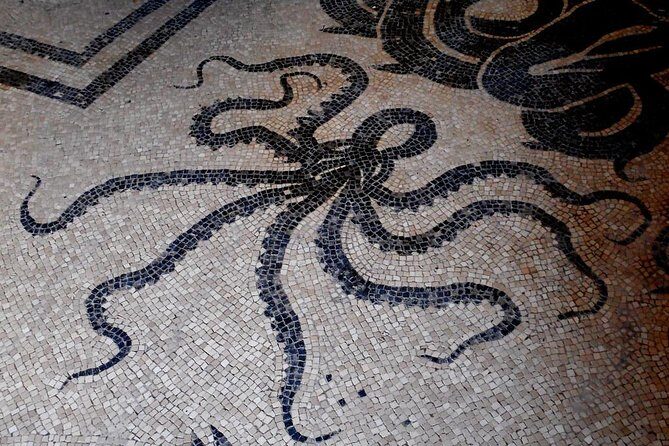
This is one of the tour’s biggest interpretive anchors. You’ll learn about Mt. Vesuvius eruption and what it meant for Herculaneum.
Why that context is valuable: without it, you can end up staring at ruins and forgetting the story that gave the site its survival. The eruption didn’t just destroy a city—it froze it in a way that lets you see details that other ancient places rarely preserve so clearly.
One of the strongest takeaways described with this tour is that your guide connects the site to the logic behind it: not only the eruption, but why the city was built and how the burial shaped what’s left to explore now.
If you want a visit where the why matters as much as the what, this is the right style of tour. You’ll spend your time making sense of the site instead of just moving from one labeled stop to the next.
Price and value: what $215.07 buys you in real time
At $215.07 per person, this isn’t a cheap add-on. But it’s priced like a serious experience: private guide, art historian guide, and admission included, plus the guaranteed skip-the-line benefit.
Here’s how I’d judge value if I were deciding for myself:
You’re likely getting good value if:
- You want a private explanation, not a crowded group lecture
- You care about details like original doors and shop furnishings, where expert commentary pays off
- You’re short on time and want skip-the-line to protect your schedule
- You like structured guidance during a compact 2-hour visit
You might hesitate if:
- You’re the type who prefers a totally self-guided wander and doesn’t need interpretation
- You’re traveling with several people and would rather split into a less-guided format
My rule of thumb: pay more for guides when the guide changes what you see. This one is built around that idea—turning preserved details into a coherent story.
Getting there: no hotel pickup means you plan the start
There’s no hotel pickup and drop-off. That’s not a deal-breaker, but it does change how you should schedule the day.
Your tour starts at Ercolano Scavi, and you return there. So you’ll want to factor in transit time from Naples and build in a small buffer for the walk from whatever you use to get there.
If you’re staying central in Naples, consider this your cue to pick a transport plan that gets you to Ercolano without rushing. Nothing kills the vibe like sprinting to an appointment.
Who this tour suits best (and who might want a different option)
This is a good match for:
- Adults who like archaeology when it’s explained in plain language
- People who want a private guide and steady pacing
- Anyone interested in Roman daily life, especially houses, shops, and baths
- Travelers who want Vesuvius context tied directly to what they’re standing in
It may not be the best match for:
- Very small children who need lots of breaks (the tour does specify children must be accompanied by an adult, and the physical level is moderate)
- Anyone who struggles with walking on archaeological site ground
- Visitors who want a long, slow browse rather than a structured 2-hour run
Should you book? My practical take
If you want Herculaneum to feel personal and understandable, I’d book this. The blend of private service, an art historian guide, and skip-the-line access is exactly the formula that turns a short visit into a memorable one.
I’d especially choose it if:
- You’re curious about daily Roman life and want to notice more than the big headlines
- You like learning why things are the way they are—homes, shops, baths, and the eruption story
I’d skip it if you’re on a tight budget and you’re fine reading guide text while wandering. For many travelers, a self-guided visit works. But for this site, the guided interpretation is part of what makes the details click.
If your schedule is limited, the skip-the-line promise is also a strong reason to go for the tour rather than trying to gamble on your timing.
FAQ
Is the tour offered in English?
Yes. The tour is offered in English.
How long does the tour last?
It runs for about 2 hours.
Is this a private tour?
Yes. It’s private, and only your group will participate.
Does the price include admission to Herculaneum?
Yes. Admission ticket is included.
Do I get a mobile ticket?
Yes. The tour includes a mobile ticket.
What does skip the long lines mean for this experience?
The tour is guaranteed to skip the long lines.
Where is the meeting point?
The start point is Ercolano Scavi, 80056 Ercolano, Metropolitan City of Naples, Italy.
Is hotel pickup included?
No. Hotel pickup and drop-off are not included.
What fitness level do I need?
The tour is recommended for travelers with a moderate physical fitness level.
Can children join?
Children must be accompanied by an adult.
What is the cancellation policy?
Free cancellation is available. You can cancel up to 24 hours in advance of the experience for a full refund.