REVIEW · POMPEI CAMPANIA
From Naples: Pompeii and Herculaneum VIP Tour with Lunch
Book on GetYourGuide →Operated by NapoliCityVision · Bookable on GetYourGuide
Two Roman cities, one well-run day.
This Naples VIP tour is a practical way to see Pompeii and Herculaneum without burning hours in ticket lines. I like the skip-the-line setup at both sites, and I also like that you get real guidance on what you’re looking at—plus commentary during the ride so the story starts before you even step into the ruins.
The schedule is packed, so the biggest consideration is your stamina. You’ll be walking on uneven ground and spending long stretches outdoors, so plan for a full day of comfortable-shoe time rather than a sit-and-watch kind of outing.
In This Review
- The big-picture highlights (what you’ll really remember)
- From Naples to Pompeii: why this VIP format saves your trip
- Pickup, ride, and the live-guide reality check
- Entering Pompeii with skip-the-line: how you use those 2 hours
- Pompeii street life: baths, villas, and the Vesuvius story
- Lunch near Pompeii: included, timed, and usually good for recovery
- Herculaneum (Ercolano) in 1.5 hours: frescos and doorways that feel real
- The VIP value: how much $237.90 buys you in real time
- What to wear and bring (this is a long Roman walk)
- Who should book this tour?
- Should you book the Naples VIP Pompeii and Herculaneum tour?
- FAQ
- How long is the tour?
- What locations are visited?
- Is lunch included?
- Do I need to buy entry tickets?
- Is there a way to avoid long lines?
- Is this a small group tour?
- What languages are available?
- Will I always have a live guide?
- Is the tour suitable for mobility impairments or wheelchair users?
- What should I bring?
The big-picture highlights (what you’ll really remember)
- Skip-the-line entry into both Pompeii and Herculaneum via a separate entrance
- Pompeii guided walk focused on everyday life: streets, baths, villas, and restaurants
- Lunch included at an authentic Italian restaurant near Pompeii (a real pause in the heat)
- Herculaneum’s frescos and doorways—the difference in preservation is the point
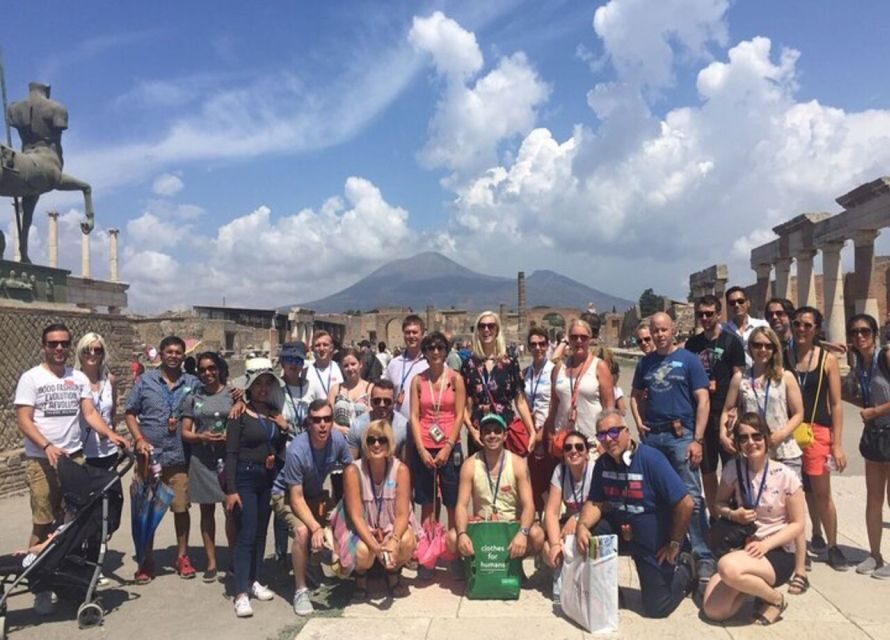
- Small group pacing (up to 12), so your guide can keep the tour moving and your questions alive
- Storytelling built in with on-board commentary plus expert-style guiding at each site
From Naples to Pompeii: why this VIP format saves your trip
A Naples-to-Pompeii day can turn into a timing mess fast—buses run late, crowds swell, and suddenly you have less time than you hoped inside the sites. This tour helps because it treats logistics like part of the experience. You’re picked up from your accommodation in Naples, you get round-trip transport, and you don’t waste your prime daylight shuffling through long entry lines.
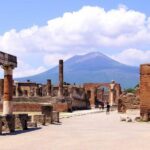
What I like most is that the day is built around two different types of “Roman ruins.” Pompeii gives you the layout of a city that was frozen mid-life in 79 AD. Herculaneum gives you something even more personal: smaller spaces, better preservation, and frescos that still look like someone cared yesterday. When the order is right and the time on-site is protected, the contrast lands.
One more plus: small-group size (limited to 12). Even when the group is busy, you’re not fighting a wall of strangers. That matters at Pompeii, where crowds can make even good plans feel chaotic.
You can also read our reviews of more tours and experiences in Pompei Campania

Pickup, ride, and the live-guide reality check
You start with hotel pickup in Naples and a drive out toward Vesuvius country. The tour also includes commentary on board, which is a smart move. It gives you the basic geography and the “what happened here” story before you’re overwhelmed by stone streets and scattered columns.
You should know one detail about the guiding. The plan includes a live guide in Italian, English, or Spanish, but live guiding is tied to group size and timing (it’s available in high season with a minimum of 6 participants per language). If your group is smaller, you may get an audio guide instead of a live guide for at least part of the day. This isn’t automatically a dealbreaker. Audio can be excellent when you’re inside a site and your guide voice stays clear—but if you strongly prefer a real person to answer questions, it’s worth checking what guide option your departure uses.
In good situations, the driver and on-board setup can also make the ride feel lighter. Some groups have described a friendly, bantery vibe between stops, which helps when you’re going to walk a lot later.
Entering Pompeii with skip-the-line: how you use those 2 hours
Pompeii can swallow time. It’s huge, it’s crowded, and it doesn’t care what your itinerary says. That’s why the separate entrance and skip-the-line access matter. Getting in faster means more of your day stays inside the streets instead of parked at gates.
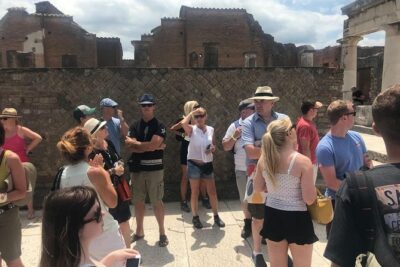
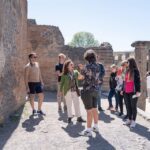
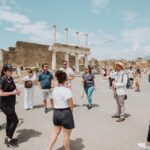
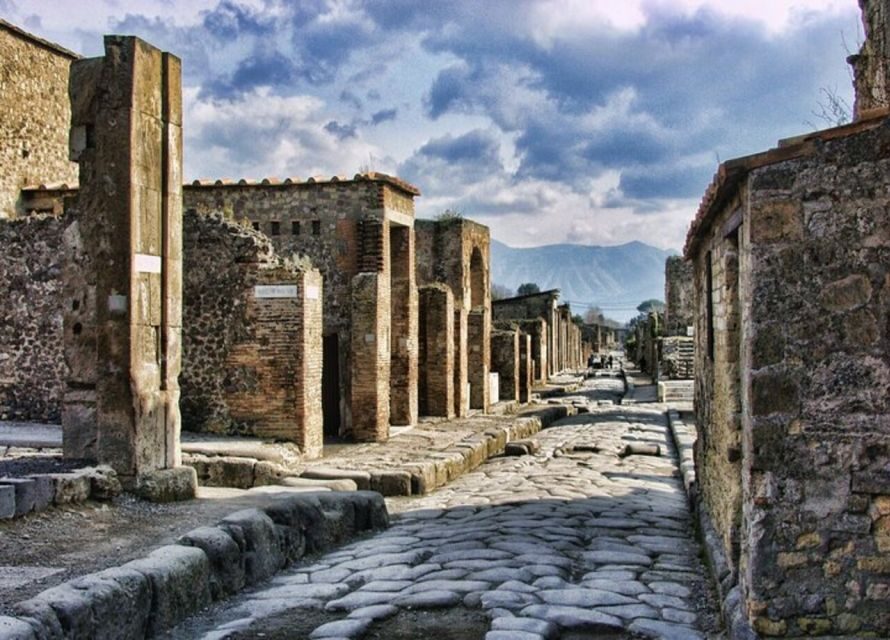
Once you arrive, you get a guided visit of about 2 hours through the Pompeii Archaeological Site. The guide’s job here is to help you see daily life, not just random columns. The focus is on the parts that help you imagine living there: the streets where people walked, the kind of buildings ordinary folks used, and the layout that made the city function.
You’ll also hear why Pompeii’s construction and architecture were advanced for its time—how houses were built, how spaces were designed, and why certain neighborhoods look the way they do. A solid guide can also help you pick out details that most people miss: door shapes, wall layers, and street edges that hint at movement and commerce.
The one practical drawback: 2 hours is tight for Pompeii, even with a guide. If you’re the type who wants to wander at your own pace, you may feel rushed. The fix is simple: don’t try to see everything. Pick the “you” highlights and let the guide set the rhythm.
Pompeii street life: baths, villas, and the Vesuvius story
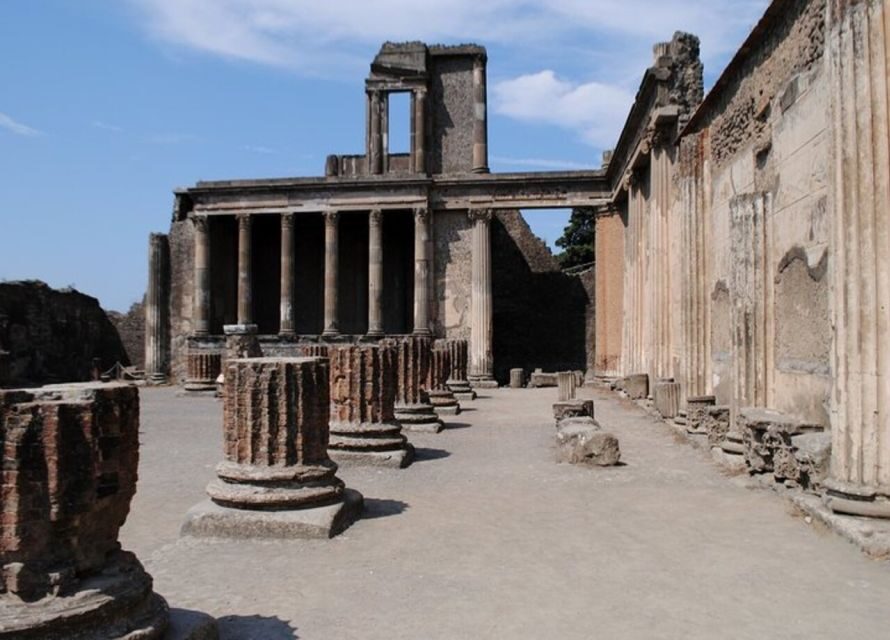
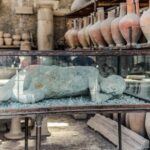
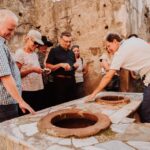
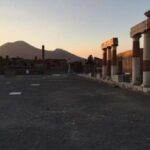
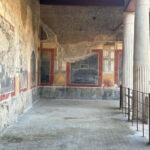
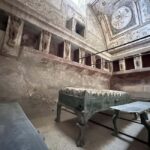
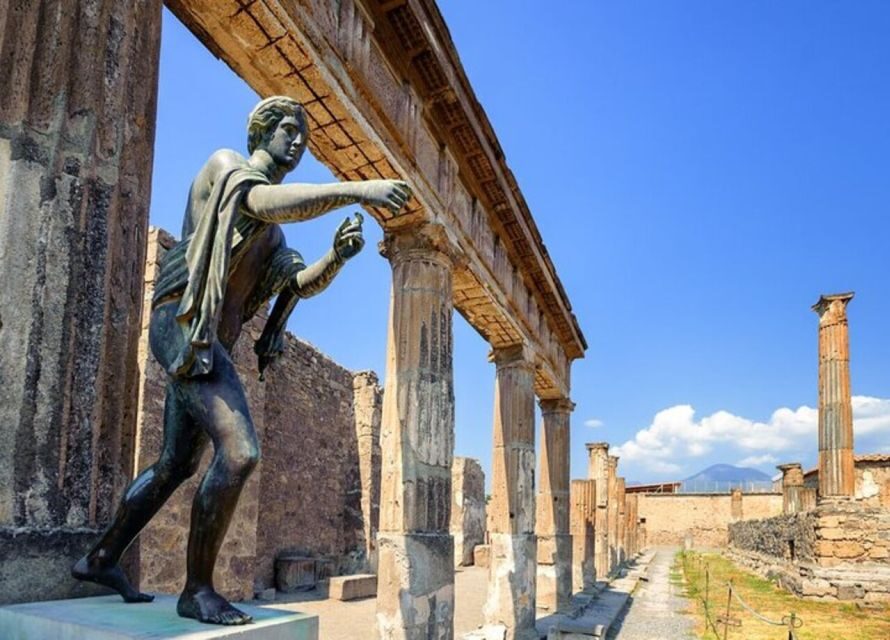
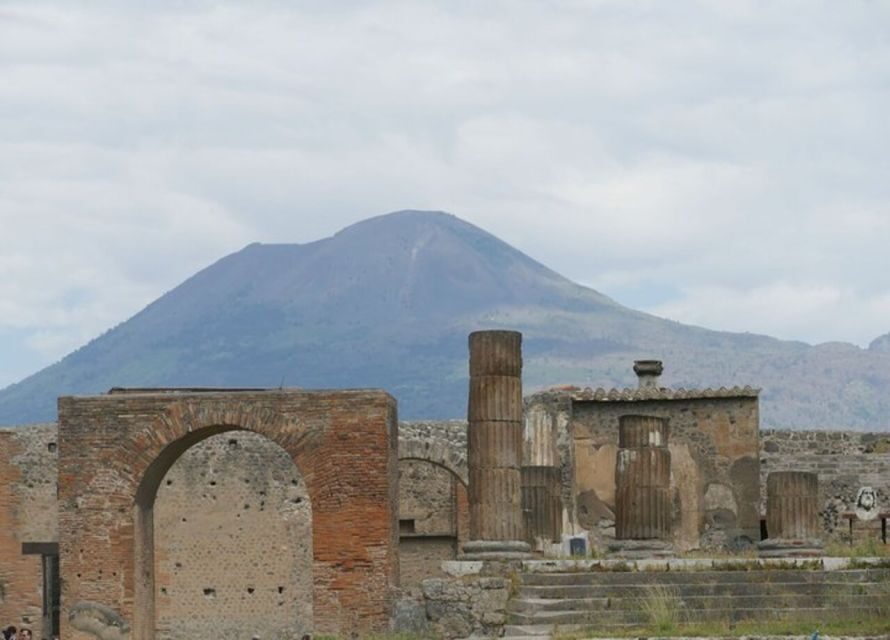
Pompeii isn’t just ruins. It’s evidence—of shopping, social life, and routines that look strangely familiar. During the guided portion, you’ll walk down the ancient streets and see examples that cover different sides of city life: villas and houses, restaurants, and baths.
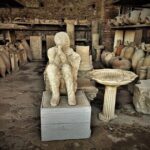
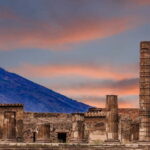
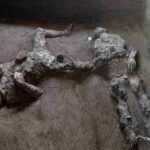
This is also where the eruption story becomes more than a dramatic headline. Your guide will explain what happened during Vesuvius’s eruption and why these cities were preserved in the first place. Once you understand the “day it ended” theme, the city stops being scenery. The street layout starts telling a story.
A good tip for your planning: Pompeii has famous house complexes with stand-out frescos, and if your guide offers options, ask specifically about the Villa of the Mysteries. It’s often cited as one of the best “Pompeii life” examples because of the frescos. Even if you don’t get to every must-see, asking for the best fresco-focused stop can help you leave satisfied.
Also, don’t ignore the terrain. Pompeii is walkable, but it’s not smooth. You’ll want to keep your feet happy so you can keep your eyes open.
Lunch near Pompeii: included, timed, and usually good for recovery
Then comes the lunch break. Lunch is included and scheduled right after the Pompeii visit, with about an hour for the meal. You’ll go to an authentic Italian restaurant for a lighter lunch—enough to reset you without turning the day into a long food coma.
I like that the lunch slot is designed as downtime. Pompeii can be bright and hot, and a timed restaurant stop gives you a chance to cool off, drink water, and regroup before the second city.
That said, lunch can be what it is: a set meal for groups. In some experiences, it’s been described as simple and fine rather than fancy. It’s still food, and it still helps you finish the day stronger. One group even reported gluten-free catering was handled, which suggests you can ask in advance if you have dietary needs.
One planning note: timing can vary. If your group ends up waiting around before lunch because of larger combined groups, you’ll feel it. When that happens, the best mindset is to treat the restaurant time as part of the day’s rhythm, not something you can fully control.
You can also read our reviews of more tours and experiences in Pompei Campania
Herculaneum (Ercolano) in 1.5 hours: frescos and doorways that feel real
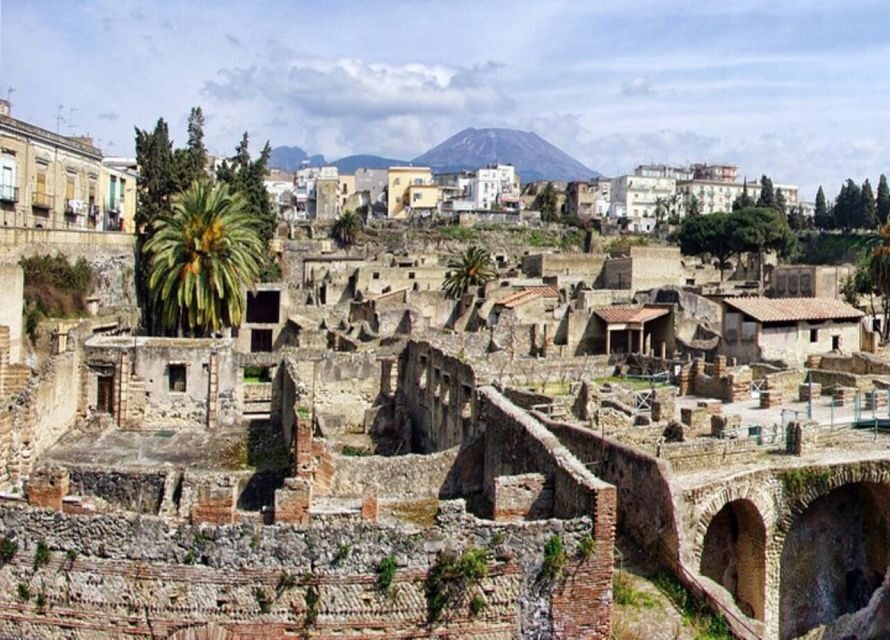
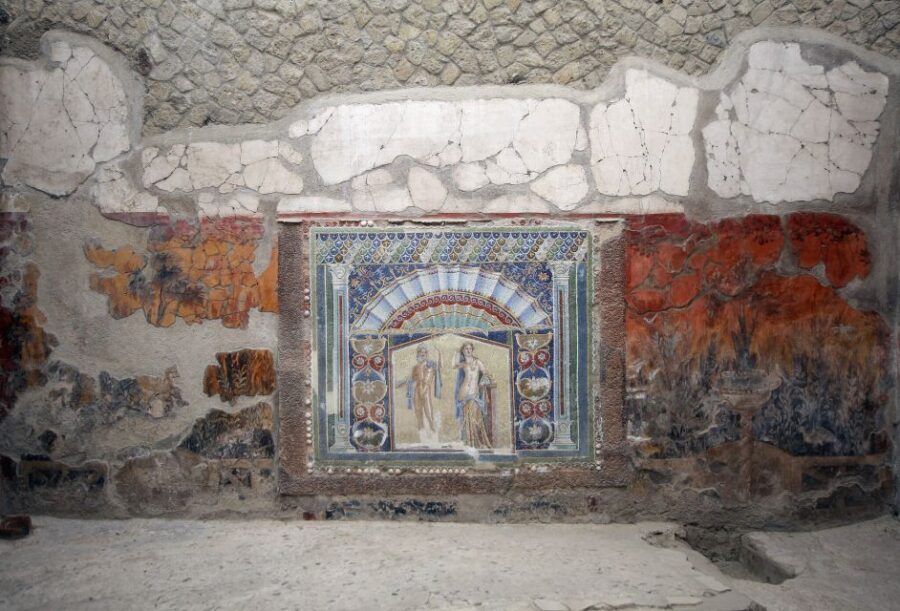
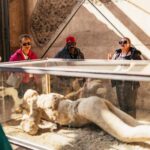
If Pompeii is the big movie, Herculaneum is the close-up. Herculaneum is often considered better preserved, and that shows fast. The buildings and structures you’ll see feel more intact, which makes it easier to picture how people moved through rooms and courtyards.
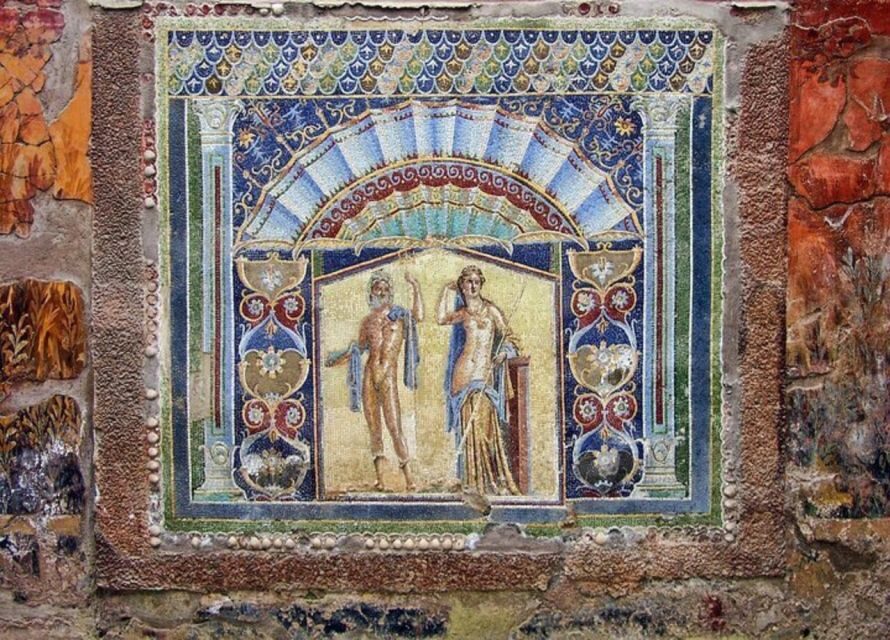
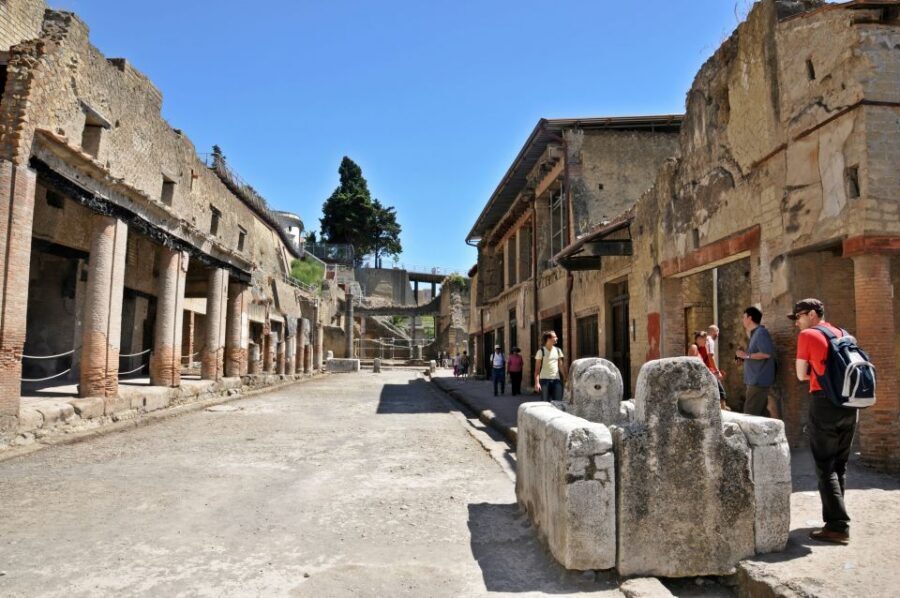
Your guided visit here is about 1.5 hours, which can feel just right because Herculaneum is smaller and more manageable to walk. You’ll see vividly colored frescos in the houses, and you’ll notice details that make the city feel more personal. Even the doorways are a big deal—your guide will point out that some doors remain, giving you a stronger sense of daily life than fragmented ruins alone.
Your tour also includes an explanation of why Herculaneum’s preservation is different. It’s one of the reasons Herculaneum often ends up being the highlight for people who felt Pompeii was too crowded or too vast.
The tour plan also mentions stops connected to the people who sought shelter, including the boat sheds. However, there’s a practical catch: the exact stop may depend on timing and what’s feasible on your departure. If boat sheds are a must for your interests, ask your guide or check with the provider before you go so your expectations match what’s truly included on that day.
The VIP value: how much $237.90 buys you in real time
At $237.90 per person for an 8-hour day, this isn’t a cheap casual trip. The value depends on what you hate most: crowds, logistics, or spending your day inside ticket lines.
Here’s what you’re paying for:
- Transportation round trip from Naples, including pickup from your accommodation
- Entry tickets for both Pompeii and Herculaneum
- Skip-the-line access with a separate entrance
- Guiding (live in many cases, audio in smaller-language groups)
- Lunch at a local Italian restaurant
- On-board commentary plus an assistant
If you tried to DIY both sites, you’d pay for transport, tickets, and time lost to logistics. You could still have a great day, but the “VIP” part is really about preserving your hours and your energy. That can be worth real money—especially at Pompeii, where the crowd factor is intense.
Small-group size (up to 12) also improves the value. You can actually hear your guide, and you’re less likely to spend the day stuck behind a moving wall of people.
If you’re traveling with someone who loves history and wants interpretation while walking, the guiding and structure become even more valuable. If you prefer total freedom and slow wandering, you might feel boxed in. For me, this tour fits best when you want a strong plan without stress.
What to wear and bring (this is a long Roman walk)
This tour is not for people who need wheelchair access or mobility accommodations. The sites involve uneven ground and plenty of walking.
For everyone else, pack like you’re going to earn your Roman stories:
- Comfortable shoes (this is the big one)
- Sun hat and sunscreen
- Umbrella (weather can change fast in Campania)
- Camera
- Comfortable clothes
Also, think about midday pacing. Pompeii and Herculaneum are outdoors, and even with breaks, you’ll feel the sun. Hydrate. Take the shade when you can. And don’t let the “VIP” label fool you—this is still a hike day.
Who should book this tour?
Book it if you want:
- Two sites in one day with protected entry time
- Guided interpretation so the ruins make sense fast
- A small-group format that helps you move and ask questions
- Lunch included, so you don’t hunt for food between museums
Consider an alternative if:
- You need a super flexible pace or lots of free time at Pompeii
- You strongly need a live guide at all times (your departure may use audio for smaller-language groups)
- You’re not comfortable with long walking on uneven surfaces
Should you book the Naples VIP Pompeii and Herculaneum tour?
Yes, if your goal is a well-timed day with less friction. The skip-the-line entry plus guided focus is the core value, and the contrast between Pompeii’s big-city street life and Herculaneum’s better-preserved frescos and doorways gives you two kinds of impact instead of one.
I’d book it especially if you’re short on days in Naples and you don’t want to gamble on crowds. The tour format protects your time, and that’s what turns Pompeii and Herculaneum from “saw a lot” into “understood a lot.”
If you do book, do this one thing: show up with comfortable shoes, hydrate, and let your guide guide. Pompeii rewards attention, not speed.
FAQ
How long is the tour?
The duration is 8 hours.
What locations are visited?
You visit Pompeii and Herculaneum (Ercolano).
Is lunch included?
Yes. Lunch is included at a local Italian restaurant, with a scheduled break during the day.
Do I need to buy entry tickets?
No. Entry tickets for Pompeii and Herculaneum are included.
Is there a way to avoid long lines?
Yes. The tour includes skip-the-line entry through a separate entrance.
Is this a small group tour?
Yes. The group is limited to 12 participants.
What languages are available?
Italian, English, and Spanish are available.
Will I always have a live guide?
Live guides are available in high season with a minimum of 6 participants per language. If you have fewer participants (up to 5), you may be provided with an audio guide.
Is the tour suitable for mobility impairments or wheelchair users?
No. It is not suitable for people with mobility impairments or wheelchair users.
What should I bring?
Bring comfortable shoes, a sun hat, an umbrella, a camera, sunscreen, and comfortable clothes.