REVIEW · POMPEI CAMPANIA
Amalfi Coast: Pompeii Ruins Guided Tour
Book on GetYourGuide →Operated by Enjoy Pompeii · Bookable on GetYourGuide
Pompeii hits hard, even in 4.5 hours. The setup is what makes it work: you get hotel pickup from the Amalfi Coast area, then a focused visit to Pompeii with an archaeologist guide and a skip-the-line entry ticket. It’s a practical way to see a major UNESCO site without spending your whole day figuring out transport.
I especially like two things. First, the time on Pompeii is structured: you get a 2-hour guided walk that covers major must-sees plus the small details that make the place feel real. Second, the group stays small (up to 10), so your guide can actually answer questions and keep everyone moving at a human pace.
One thing to consider: the day is time-tight. There’s van time both ways, and one review flagged that the return drive can run late. If you’re booking this on a tight schedule, build in some cushion.
In This Review
- Key things I’d watch for
- Why This Amalfi-to-Pompeii Day Tour Works
- Pickup on the Amalfi Coast: Where It Starts and How It Feels
- Skip-the-Line Entry and Getting Into Pompeii Without Losing Hours
- Inside the Ruins: Basilica, Forum, and Thermal Baths on the Clock
- What you gain with a guided route
- A small drawback
- Residential Houses: Where Daily Life Becomes Tangible
- Guides Who Make the Difference: Angelo, Frankie, Sasa, Francesca, and Paolo
- Value and Price: Is $143.48 a Good Deal?
- What to Bring for a Smooth 4.5 Hours at Pompeii
- Should You Book This Pompeii Tour?
- FAQ
- FAQ
- How long is the Pompeii tour from the Amalfi Coast?
- Do I get skip-the-line entry?
- Is hotel pickup and drop-off included?
- Where are the pickup and drop-off locations?
- How many people are in the group?
- What language is the live guide?
- What does the guided portion cover?
- Is food included?
- Is there free cancellation?
- Does it include transportation?
Key things I’d watch for
- Skip-the-line entry via a separate entrance helps you get moving fast inside Pompeii
- Official archaeologist guide leads the 2-hour on-site walk, not just a general sightseeing script
- Small group (10 max) makes it easier to stay together and ask questions
- The route hits the big anchors like the Basilica, Forum, and thermal baths, plus homes
- Pickup and drop-off on the coast covers most major towns, but pickup starts about 30 minutes early
Why This Amalfi-to-Pompeii Day Tour Works
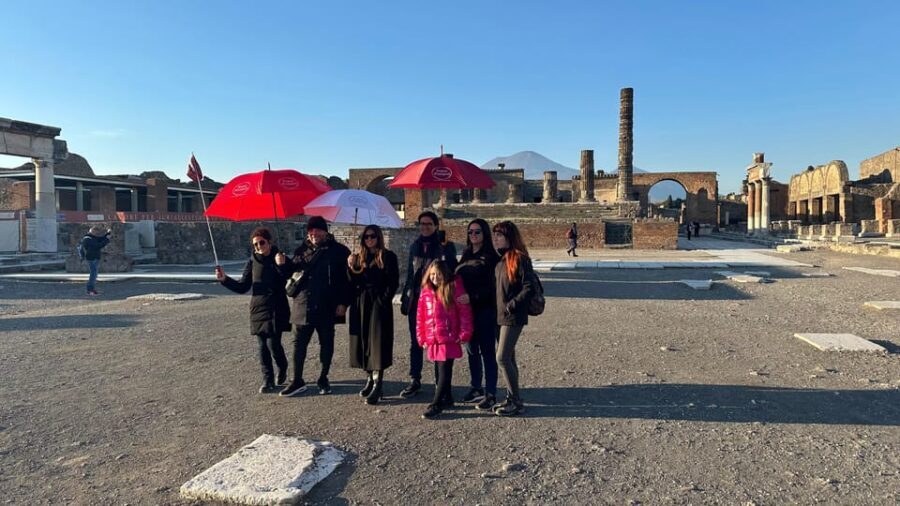
Pompeii is huge. Even if you’re the kind of person who loves wandering, going on your own can turn into a “we got lost in the Forum” story. This tour is built to stop that problem early.
The best part is that you’re not just getting a ticket. You’re getting a guided storyline for the most important spaces: public life (the Forum), big civic buildings (like the Basilica), daily routines (including the thermal baths), and residential streets and houses. In a few hours, you go from seeing stones to understanding what they were for.
You also get to keep your energy for the site itself. You’re in air-conditioned transport from your pickup area, and the group stays coordinated so you’re not lugging a map and trying to beat the crowd.
You can also read our reviews of more guided tours in Pompei Campania



Pickup on the Amalfi Coast: Where It Starts and How It Feels
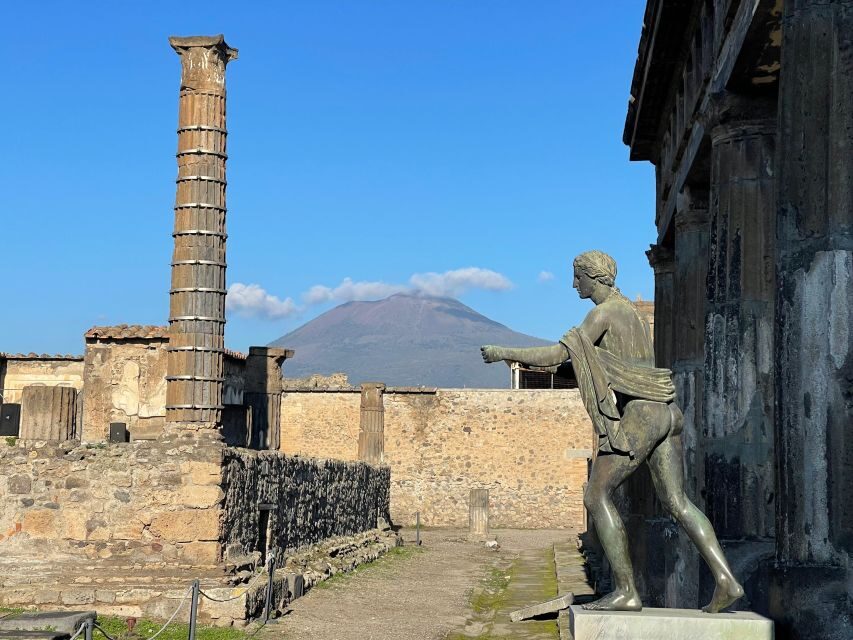
This is a pickup-and-drop experience, not a meeting point tour. Your driver collects you at your accommodation or the nearest place, with pickup starting about 30 minutes before departure time. That means you should plan to be ready and waiting when the window opens, especially if your hotel has a concierge that tends to take a call.
Good to know: pickup covers several towns across the coast, including Vico Equense, Ravello, Sorrento, Positano, Amalfi, Praiano, and Maiori. Drop-off mirrors those same areas. If you’re staying in those towns (or nearby), it’s the kind of arrangement that reduces stress.
The van ride is part of the day’s rhythm. You’ll have about 1 hour of travel to Pompeii, then roughly 70 minutes back. For some people that’s a sweet spot. For others, it can feel like the coast is “still in your rearview mirror” while you’re studying ancient ruins. Either way, it’s efficient: you trade a long DIY day for a clean, guided loop.
Skip-the-Line Entry and Getting Into Pompeii Without Losing Hours
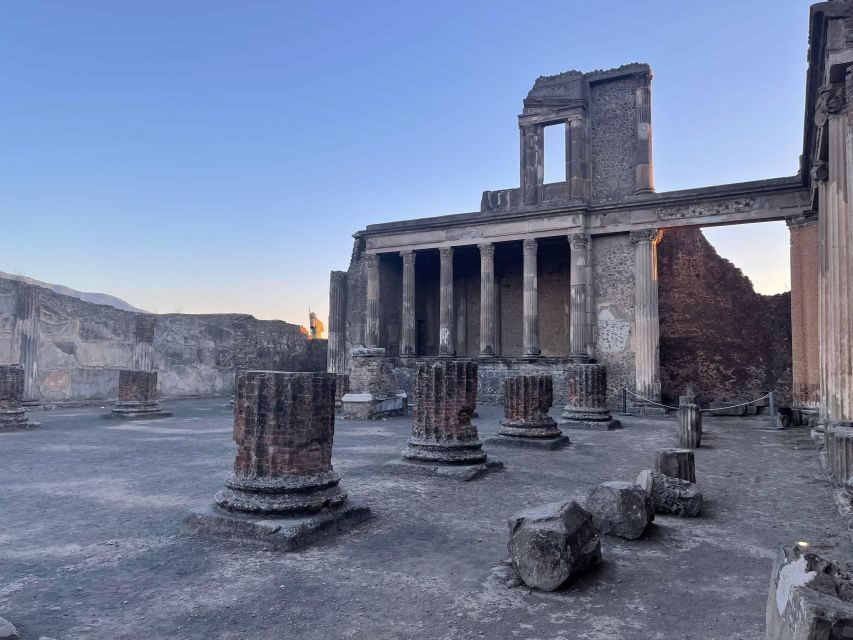
Pompeii is one of Italy’s top draws, so waiting can eat your schedule. This tour includes a skip-the-line entry ticket through a separate entrance, which is exactly what you want for a short visit.
Once inside, you’re not left to guess where to go first. Your archaeologist guide sets the pace and gives you an orientation so you understand why each stop matters. That’s a big deal at Pompeii, where it’s easy to think everything is equally important until someone explains what you’re looking at.
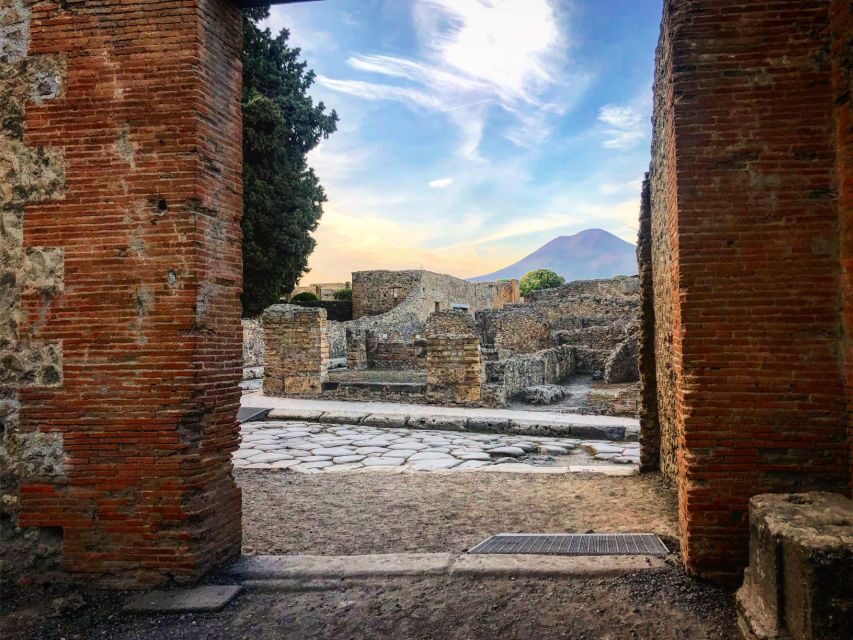
You’re also stepping into a UNESCO World Heritage site, and the tour framing makes it easier to respect the scale. You’re not rushing through Pompeii like it’s a photo checklist. You’re moving through it with context, which helps even if you’re not a Roman-history superfan.
Inside the Ruins: Basilica, Forum, and Thermal Baths on the Clock
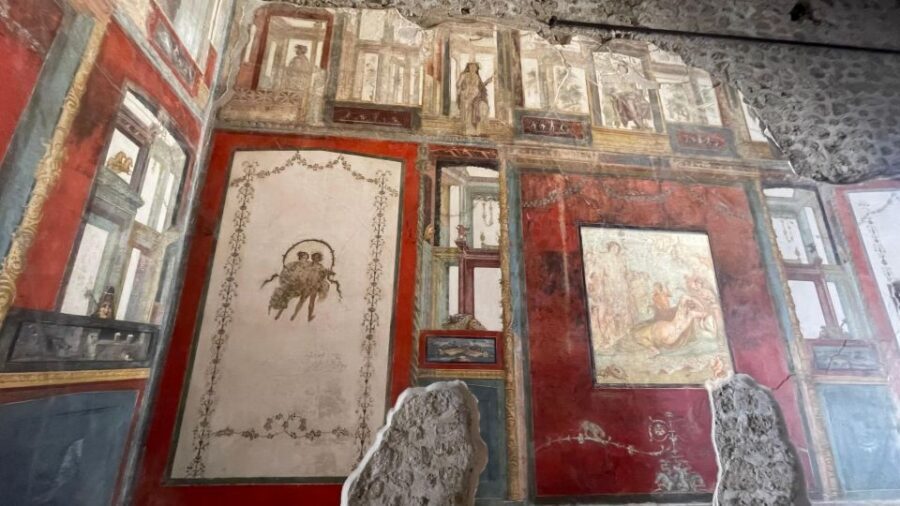
The guided portion is about 2 hours inside Pompeii, and it’s paced for real comprehension rather than nonstop marching. Your route focuses on the major anchors that show how the city worked.
You’ll see the Basilica, which is one of those buildings that always feels important even when you’re standing in ruins. Your guide helps you connect the dots: this wasn’t just architecture for architecture’s sake. It was part of how people met, handled business, and lived their everyday civic life.
Next comes the Forum, Pompeii’s public heart. This is where you start to feel the city as a system. The Forum isn’t just scenery. It’s a place that tells you who had power, how people gathered, and what public events looked like.
Then you’ll pass the thermal baths. Baths are a great stop because they show how routine life could be social, practical, and status-driven. If you’ve ever wondered what “Roman daily life” really means beyond marble and legends, this is where that question gets answered in plain sight.
What you gain with a guided route
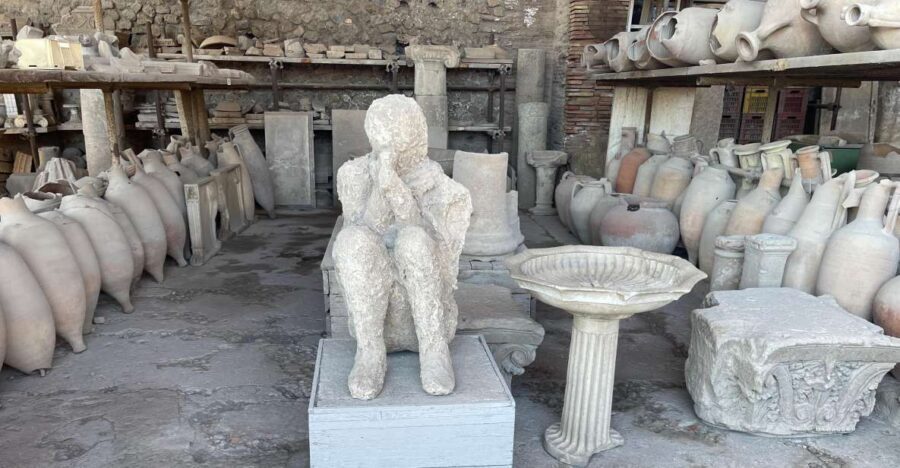
A guided visit helps you avoid the classic Pompeii trap: walking by a site, taking a picture, and realizing two hours later you don’t know what you saw. Here, each location is tied to how people lived before the eruption of Vesuvius in 79 AD, so the visit feels like cause and effect, not random stops.





A small drawback
Two hours is also the time limit. Pompeii is too big for everything. You’ll see the key areas on a curated route, not the entire complex of streets and sites.
Residential Houses: Where Daily Life Becomes Tangible
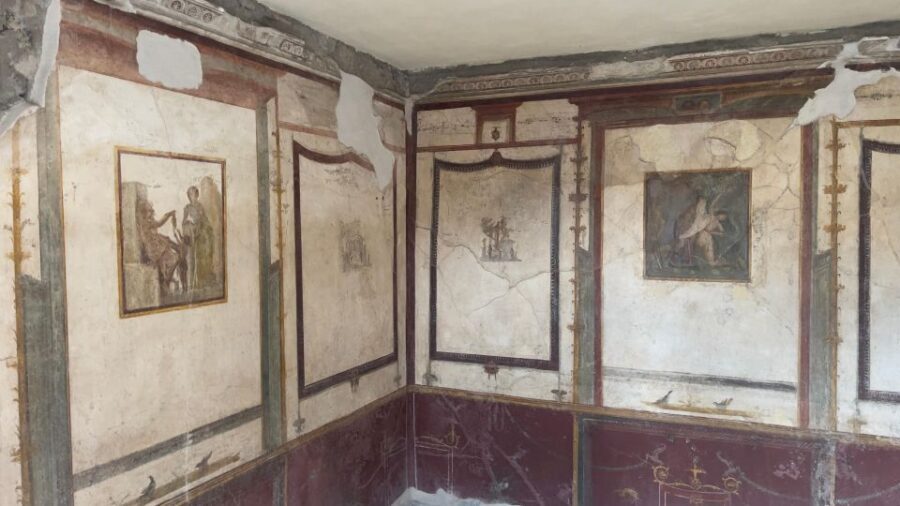
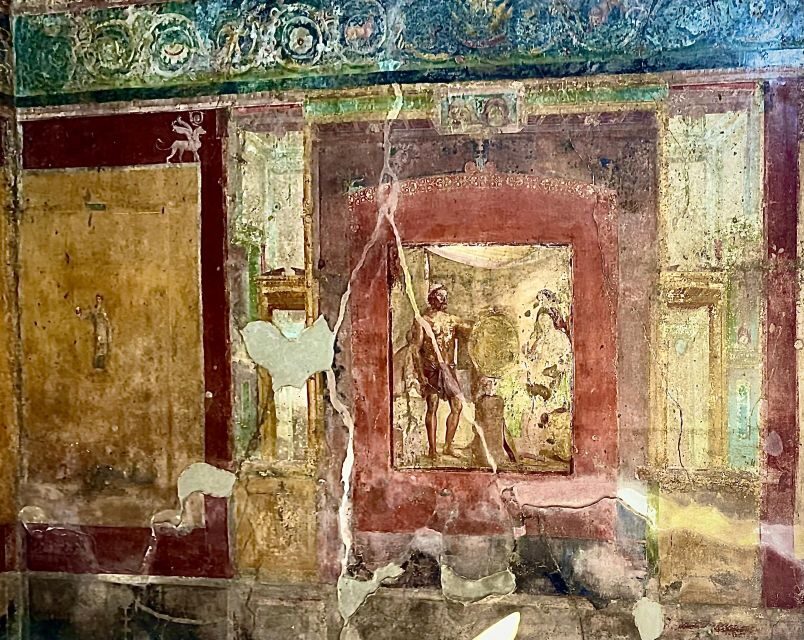
One of the reasons Pompeii feels so alive is that it wasn’t built as a museum. It was a working city, and the remains include regular homes, not only temples.
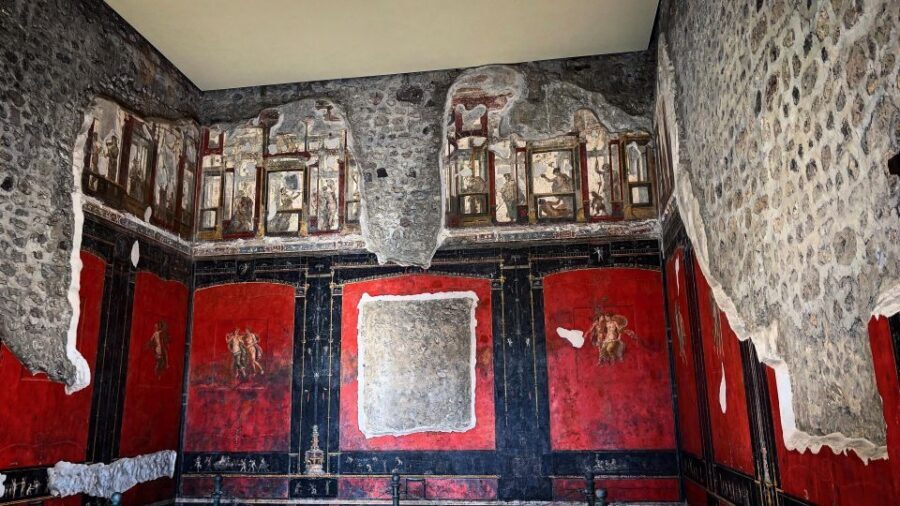
This tour includes time to move through residential houses and streets so you can picture everyday routines in a way that feels grounded. You’ll get a sense of space use, how rooms connect, and what life might have looked like when the city was fully functioning.
Even if you’re not trying to memorize layouts, the residential segments help you change perspective. You stop thinking of Pompeii as destruction and start thinking of it as life—work, family routines, neighbors crossing paths, and the texture of daily movement.
And because the tour is time-managed, you’re less likely to arrive at the most interesting houses late, when you’re tired and rushing through.
Guides Who Make the Difference: Angelo, Frankie, Sasa, Francesca, and Paolo
The biggest “value driver” on this kind of tour is the human factor. The reviews attached to this experience give you a clear pattern: guides are the stars, and they’re doing real teaching, not just reciting facts.
The driver Paolo gets praised for safe, smooth transport and on-time coordination. That matters because Amalfi-area pickups can be tricky with traffic and hotel access.
Guides named in reviews include Angelo, Frankie, Sasa, and Francesca. The recurring strengths are practical: they answer questions, keep the group organized, and keep the pace comfortable. One guide was specifically praised for patience and for stopping in the shade when possible, which is a smart touch in Pompeii’s outdoor conditions.
Also, a good guide doesn’t only explain what you’re seeing—they help you connect it. In one review, the guide’s way of bringing the city to life and using humor was called out as a major part of the experience. That’s what you want: Pompeii can be intense. A guide who keeps things clear and human makes it more enjoyable.
Value and Price: Is $143.48 a Good Deal?
At $143.48 per person, this tour isn’t the cheapest way to visit Pompeii. But it’s also not just a ticket. You’re paying for four things that would cost you time (and often money) on your own:
- Hotel pickup and drop-off from multiple towns along the coast
- Air-conditioned transportation to and from Pompeii
- A skip-the-line entry ticket via a separate entrance
- A 2-hour guided walk with an archaeologist guide
If you were to arrange all of that yourself, you’d still face the cost of transport plus the reality that skip-the-line access isn’t guaranteed when you’re winging it. For a 4.5-hour total day, this package is a strong way to buy back your schedule.
One more value note: small group size (10 max) usually means less waiting and fewer people slowing down your pace. That’s not just comfort—it’s how you actually get a meaningful guide experience within limited time.
What’s not included is simple: food and drinks. Plan to snack before you go or budget for a stop after, depending on your pickup/drop-off timing.
What to Bring for a Smooth 4.5 Hours at Pompeii
You’re touring in daylight, walking outdoors, and moving between ruins. So think like a practical visitor:
- Comfortable shoes are non-negotiable. Pompeii terrain can be uneven.
- Water helps, even though food and drinks aren’t included.
- Sun protection matters. Even with shade stops, you’ll likely spend time in open areas.
- A light layer can help if mornings or evenings feel cooler near the coast.
Also, show up ready for pickup timing. Pickup starts about 30 minutes before your departure window, and the tour depends on everyone leaving together.
If you’re sensitive to heat or you need frequent breaks, this is still doable, but the schedule is fixed. You’ll get small-group management, yet you’ll want to pace yourself with the guide rather than disappear and rejoin later.
Should You Book This Pompeii Tour?
I’d book this if you want Pompeii without the hassle and without sacrificing the “why.” The skip-the-line entry, archaeologist-led route, and small group format are exactly what make a short day feel complete.
Book it with extra confidence if you’re staying in Sorrento, Positano, Amalfi, Praiano, Ravello, Maiori, or Vico Equense, because the pickup/drop-off design matches where most visitors actually stay.
I’d think twice if you’re ultra-sensitive to timing on the return drive. One review flagged that the return journey can run late, so if you have a hard next commitment, add buffer time.
FAQ
FAQ
How long is the Pompeii tour from the Amalfi Coast?
The total duration is about 4.5 hours, with a 2-hour guided visit inside Pompeii.
Do I get skip-the-line entry?
Yes. You’ll have a skip-the-line entry ticket through a separate entrance.
Is hotel pickup and drop-off included?
Yes. The tour includes pickup and drop-off from your accommodation or the nearest place.
Where are the pickup and drop-off locations?
Pickup and drop-off are available in Vico Equense, Ravello, Sorrento, Positano, Amalfi, Praiano, and Maiori.
How many people are in the group?
The group is limited to 10 participants.
What language is the live guide?
The live tour guide is in English.
What does the guided portion cover?
You’ll visit key areas including the Basilica, Forum, thermal baths, plus residential houses, with time to walk the site.
Is food included?
No. Food and drinks are not included.
Is there free cancellation?
Yes. You can cancel up to 24 hours in advance for a full refund.
Does it include transportation?
Yes. You’ll travel by van, and the vehicle is described as air-conditioned.