REVIEW · POMPEII ARCHAEOLOGICAL SITE
Pompeii: Skip-the-Line Tour for Kids and Families
Book on GetYourGuide →Operated by Kids Raphael Tours And Events · Bookable on GetYourGuide
Pompeii can feel huge. This tour makes it make sense fast. It’s a family-focused, skip-the-line Pompeii experience where the story is told through what kids notice—streets, shops, fountains, and homes—after the 79 AD eruption of Vesuvius.
Two things I like a lot: first, the guides run it like a kid-centered exploration instead of a lecture. You’ll hear how guides like Lello and Rafaela keep questions flowing, use friendly competitions, and adjust the pace so children stay engaged (even on hot days). Second, the reserved entrance is a real time-saver at a site that otherwise eats your morning in queues.
One heads-up: Pompeii is not an easy stroll. Expect cobbles, uneven ground, and lots of walking with steps, so it’s not a smart match if anyone in your group has mobility limits.
In This Review
- Key takeaways
- Pompeii is a perfect match for families (if it’s taught right)
- Meeting at Hotel Vittoria or Coffee Shop Vittoria and getting inside quickly
- The 2-hour plan: what you actually see, step by step
- The ancient theater and public spaces
- Fountains and the everyday Roman routine
- Restaurants and city streets you can picture
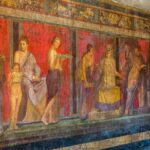
- Homes, temples, and thermal baths (without the long lecture)
- Interactive learning tools that make Pompeii feel playable
- Vesuvius in 79 AD and the excavation story, explained for real minds
- Pacing, heat, and what to pack for an easy win with kids
- Who this Pompeii kids tour is for (and when to choose something else)
- Value: why the skip-the-line + kid-focused guiding is worth it
- Should you book this Pompeii skip-the-line kids tour?
- FAQ
- How long is the Pompeii skip-the-line tour for kids and families?
- Does this tour skip the long lines at the archaeological site?
- Where do we meet for the tour?
- What languages is the live guide available in?
- What should we bring for the tour?
- Is the tour suitable for children of all ages?
- Is this tour wheelchair accessible?
Key takeaways
- Skip-the-line, reserved entry helps you spend more time inside Pompeii and less time waiting at the gate
- Interactive learning includes pop-up style visuals, iPad games, trivia, and hands-on moments made for kids
- A guide who manages attention: you’ll see kids pulled in through competitions, prizes, and lots of Q&A
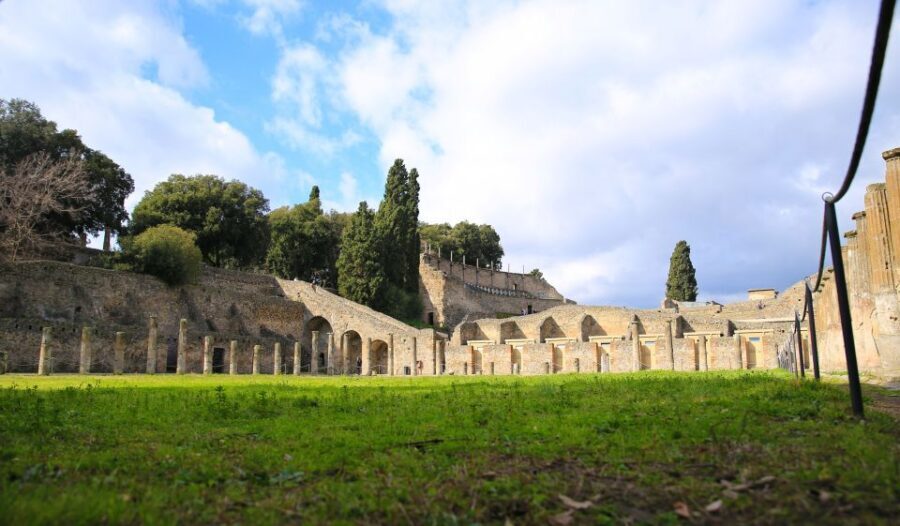
- Built around highlights: theater, fountains, restaurants, temples, homes, and thermal baths
- 2 hours is a curated hit list—perfect for families, but not for those trying to see every corner
Pompeii is a perfect match for families (if it’s taught right)
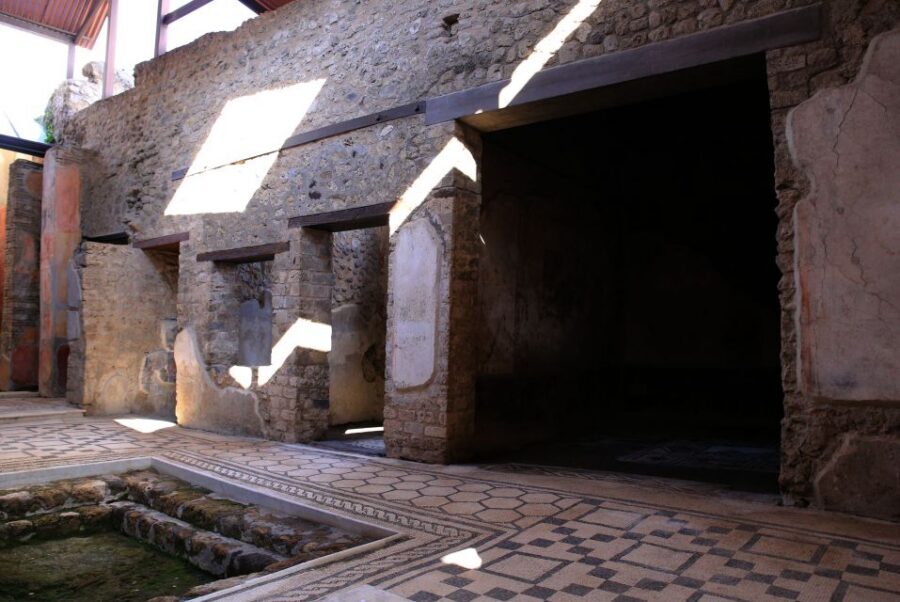
Pompeii has a built-in superpower: it is a full snapshot of daily Roman life frozen in time. That’s what makes kids curious in the first place. Instead of reading about an ancient city, children can point at a doorway and ask, Who lived here? What did they eat? Why is that wall still standing?
This tour leans into that natural curiosity. The goal is simple: help children understand what Pompeii looked like before the catastrophe, then connect it to the eruption that buried everything in ash and lava. Along the way, the guide ties the big events to everyday objects and spaces kids can picture.
I also like that the approach is practical. Instead of giving you a long list of names and dates, the guide aims for clear stories kids can remember later. In the reviews, you see the payoff in details: kids asking questions, recalling what they saw, and trading stories with family back home.
You can also read our reviews of more tours and experiences in Pompeii Archaeological Site

Meeting at Hotel Vittoria or Coffee Shop Vittoria and getting inside quickly
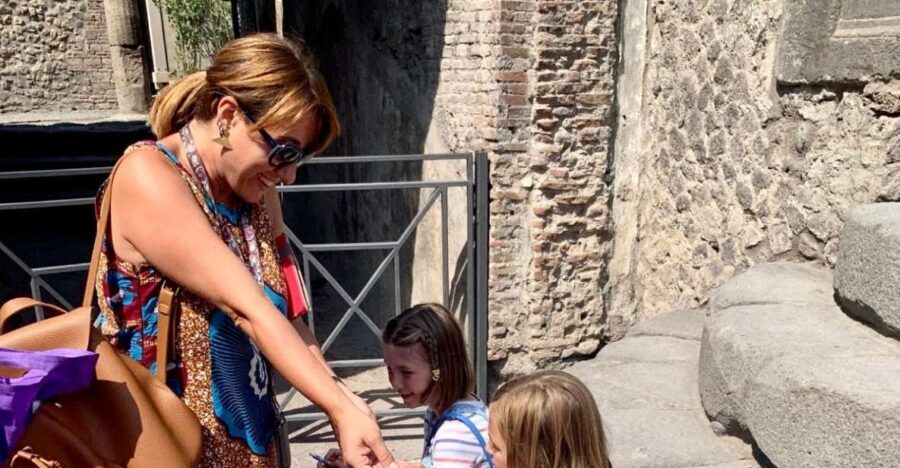
Your meeting point can vary, with two start options: Hotel Vittoria or Coffee Shop Vittoria. From there, you head to the Pompeii Archaeological Site for a focused 2-hour walk.
The big logistics win is the skip-the-line entrance. Pompeii is busy, and long queues are the fastest way to turn an exciting day into a cranky day. With reserved tickets and a separate entrance, you can reduce that stress and keep your energy for walking and exploring.
There’s also a small-group feel here. Smaller groups tend to work better with kids because the guide can keep track of energy levels, answer questions without shutting them down, and change the pace when someone loses steam.
Practical reality check: even with skip-the-line, this is still Pompeii. Comfortable shoes matter, and so does sunscreen and hydration. If you arrive ready to move, the tour usually feels smooth. If you arrive tired, Pompeii will make that obvious.
The 2-hour plan: what you actually see, step by step
This tour is designed as a highlight circuit. You’re not trying to cover the whole archaeological site. You’re trying to understand the place in a way that works for children—and that adults will enjoy too.
The ancient theater and public spaces
Early on, you’ll head toward an ancient theater. It’s a great start because it’s dramatic and easy to visualize: imagine crowds gathering, performances happening, and everyday conversation mixing with the show.
As you walk up steps and through open areas, the guide uses the physical space to explain what it meant. Kids also get an advantage here: they can see the shape of the building and feel like they’re in the story instead of outside it.
Fountains and the everyday Roman routine
Next come the everyday details: original fountains and street-level rhythm. This is where the tour shifts away from school-style history and into real life. Drinking water, daily movement, and public spaces feel concrete to children.
When guides like Rafaela are at the front of the group, the tour often turns into a game of attention—look there, notice that, why would someone do this? That style makes the information stick, because it’s attached to something visible.

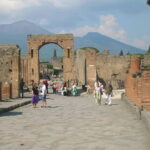
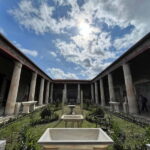
Restaurants and city streets you can picture
You also cross thresholds into spaces that functioned like restaurants. Even if you don’t see every original piece, you get a sense of what eating out meant in a Roman town. Kids love this part because it’s familiar: food, people, and a place you can point to.
The guide keeps it moving along cobbled streets, so you’re learning through the walk rather than stopping for a long lecture. It’s an important difference for family groups. When kids are active, they usually remember more.
Homes, temples, and thermal baths (without the long lecture)
The highlight list continues with homes, temples, and thermal baths. These are big categories in Roman life, and this tour handles them in bite-sized ways.
- Homes help children understand private life: rooms, household spaces, and the difference between public and personal areas.
- Temples give you context on religion and civic identity.
- Thermal baths show how social life worked—people gathered, relaxed, and handled daily hygiene as part of routine.
For adults, this is one of the better ways to learn Pompeii. You get the key types of spaces without getting lost in too many details you can’t hold in your head with children in tow.
Interactive learning tools that make Pompeii feel playable
Here’s what makes this tour truly different: the guide isn’t just speaking. The tour uses interactive learning tools aimed at kid attention spans.
You can expect some mix of:
- pop-up style learning visuals
- iPad games
- trivia prompts
- activities that encourage children to ask questions and answer in their own words
This approach turns the walk into a sequence of small challenges. That matters because Pompeii doesn’t have single, obvious “toy moments” at every turn. A good guide builds those moments by connecting the facts to what kids can do—spot, guess, compare, and react.
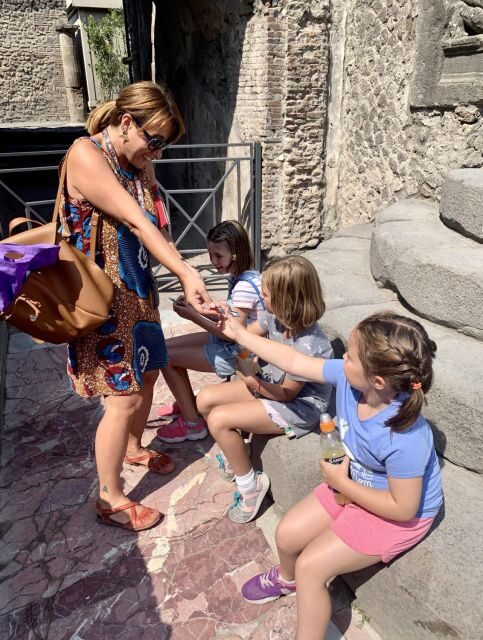
In the reviews, the best examples are about engagement: guides like Clelia drew out shy kids with gentle questioning, and other guides worked with children who have ADHD or autism by keeping tasks short and purposeful. One family even mentioned friendly competitions and comfort breaks timed for stamina.
One more thing I appreciate: kids get small moments of reward. Several reviews mention prizes or gifts during the visit. It’s not about bribes. It’s about giving children a reason to keep going when the site gets long and bright.
Vesuvius in 79 AD and the excavation story, explained for real minds
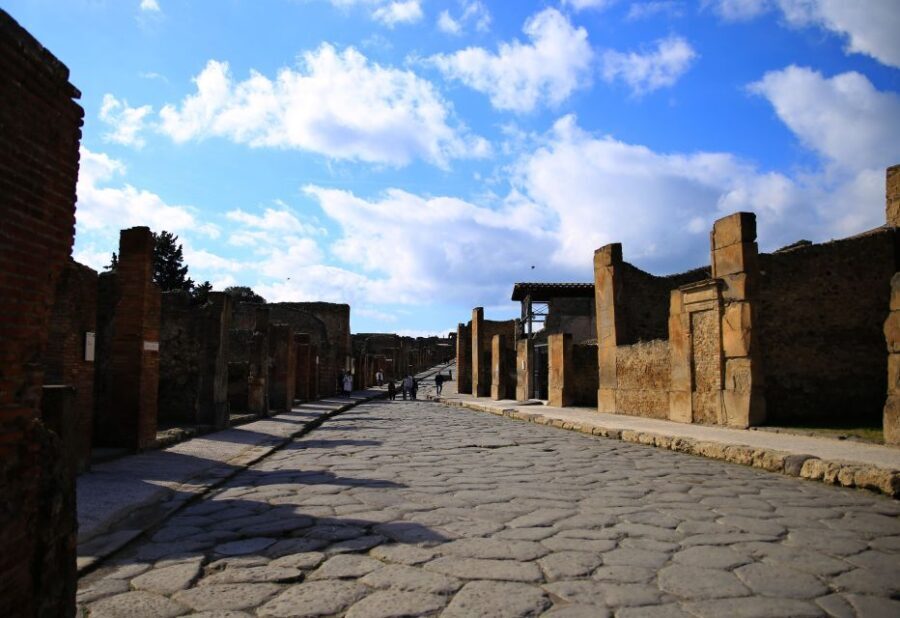
Pompeii’s tragedy is a science-and-history story: the eruption of Vesuvius in 79 AD buried the thriving city under ash and lava. This tour doesn’t try to turn that into heavy doom. It frames it so children can understand cause and effect.
You’ll hear:
- how the eruption happened and how it affected the town
- how Pompeii was excavated starting in the 18th century
- why the site became a UNESCO World Heritage Site
For adults, this section helps you connect the ruins to a bigger narrative, not just a pile of old walls. For kids, it helps explain why things are still there—why the city didn’t fall apart like normal ruins would.
A smart detail mentioned in the reviews is how guides use an iPad to help show what buildings looked like before the disaster. That kind of visual reconstruction is a lifesaver when you’re standing in a fragment of a wall and your brain keeps asking, So where’s the rest of it?
Pacing, heat, and what to pack for an easy win with kids
Because this tour is 2 hours, the guide has to manage pacing tightly. That’s a feature, not a flaw. Families with kids often have better luck with shorter, high-quality experiences than with a long tour that becomes a battle by hour three.
On hot days, the guide’s job gets even more important. In the reviews, families praised guides for keeping groups comfortable—stopping often enough, working in breaks, and finding shade when possible.
To make the tour smoother, bring:
- comfortable shoes (Pompeii cobbles are no joke)
- sun hat
- passport or ID for children (needed for child prices)
Also note what you should leave behind:
- luggage or large bags aren’t allowed
- unaccompanied minors aren’t allowed
If you’re traveling with a stroller, it’s worth remembering Pompeii is rugged ground and stairs-heavy. One family mentioned having a stroller and appreciated a patient guide, but the site still has limits. If your child needs a stroller for long distances, plan for extra stamina, or consider a shorter stay plan in general.
Who this Pompeii kids tour is for (and when to choose something else)
This tour fits families who want:
- a Pompeii visit that feels structured but not school-like
- guided highlights instead of wandering
- kids-first engagement with interactive learning
- skip-the-line entry to reduce stress
It also seems to work well across ages. Reviews include kids as young as 2 (with the realistic note that they won’t grasp the details yet) up through early teens. The common thread is that the guide adapts—asking more questions, running friendly games, and choosing the right stops for attention and endurance.
It may not be your best choice if:
- someone in the group uses a wheelchair or has mobility impairments (it’s not suitable for wheelchair users or people with mobility impairments)
- you want to cover nearly everything in Pompeii rather than a highlight set
If you have a multi-child group and someone gets bored fast, this style often helps. The guide turns the visit into a sequence of small, answerable moments.
Value: why the skip-the-line + kid-focused guiding is worth it
Some people compare tours by price alone. Here’s a better way to judge value: time and attention.
Pompeii is huge, and queues can steal your best hour. Getting in faster means you’re present when your group is still fresh. Then you’re paying for a guide who knows how to keep kids moving and looking instead of drifting toward burnout.
The interactive tools and kid-friendly framing also change how your family processes the site. When children understand what they’re seeing, adults stop giving “boring facts” and start having conversations with kids instead. That shift is why families keep calling this kind of tour one of the highlights of their trip.
Also, the pacing fits the reality of family travel. Two hours is enough to feel like you made a real dent, but short enough to avoid the classic meltdown loop.
Should you book this Pompeii skip-the-line kids tour?
Book it if you want Pompeii to feel like an adventure your kids can actually follow. The best reason is the combination: reserved entrance so you lose less time, plus a guide who brings the ruins to life for children with interactive games, questions, and rewards.
Skip it if your group needs step-free access or if your main goal is to see every single corner of the site. In those cases, you’ll be happier with a different plan that matches your mobility needs or your coverage goals.
If your family can handle a couple of focused hours of walking, this is one of the most sensible ways to experience Pompeii with kids: you get the story of 79 AD, the highlights of daily Roman life, and a tour built for attention spans instead of classroom attention spans.
FAQ
How long is the Pompeii skip-the-line tour for kids and families?
The duration is 2 hours.
Does this tour skip the long lines at the archaeological site?
Yes. You use a separate entrance with reserved entrance tickets to avoid the typical long lines.
Where do we meet for the tour?
The meeting point may vary depending on the option booked. Two starting locations listed are Hotel Vittoria and Coffee Shop Vittoria.
What languages is the live guide available in?
The live tour guide is available in English and Italian.
What should we bring for the tour?
Bring comfortable shoes, a sun hat, and passport or ID for children for child price eligibility.
Is the tour suitable for children of all ages?
All ages and fitness levels are welcome, but children under 18 must be accompanied by an adult. Also, you need child passport/ID to receive child prices.
Is this tour wheelchair accessible?
No. It is not suitable for wheelchair users or people with mobility impairments.