REVIEW · POMPEII ARCHAEOLOGICAL SITE
Pompeii: Exclusive Tour with Archaeologist and Entry Tickets
Book on GetYourGuide →Operated by Grand Tour Experience · Bookable on GetYourGuide
Pompeii feels close, not crowded. This 2-hour walk through the ruins gives you speed where it matters (skip-the-line entry) and meaning where it matters more (an archaeologist guide at the key places). Starting at Porta Marina Superiore and moving through Pompeii’s most important streets, you get the story of 79 AD as you actually see the spaces people once lived and worked in.
I especially love the way the route mixes the big-name sights with places most groups skip, from the Forum area to frescoed houses and the sites tied to the victims. The second thing I like a lot is the practical tour setup: you get headsets so you’re not guessing what your guide is saying, even when the site gets noisy. The only real drawback is time—2 hours is perfect for highlights, but you’ll still want extra hours to linger on your favorite corners afterward.
In This Review
- Key highlights to know before you go
- The smart start: Porta Marina and getting your bearings fast
- Why an archaeologist guide actually changes Pompeii
- The 2-hour route: what you see and why each stop matters
- Porta Marina to the civic heartbeat
- Temples: noticing the religious map (Jupiter, Venus, Apollo)
- Baths and big houses: art and routine under one roof
- The Macellum: markets plus the plaster casts
- Homes with character: House of the Tragic Poet and more
- Lupanare and the theatre area: city life beyond work
- Skip-the-line entry and headsets: the practical win
- How long is enough? Use the 2 hours well
- Getting there: meeting point near Pompei Scavi (Circumvesuviana)
- Ticket name rule: bring the right ID and send participant details
- What you should bring (and what to skip)
- Price and value: why $50 can work for the right traveler
- Who this tour fits best
- Should you book this Pompeii VIP tour?
- FAQ
- Where is the meeting point?
- How long is the tour?
- What’s included in the price?
- Do I need to buy tickets separately?
- What languages are available?
- Is food or drinks included?
- What do I need to bring for the ticketing rules?
- Is this tour suitable for wheelchair users?
Key highlights to know before you go
- Skip-the-line entry means you spend your energy walking, not waiting.
- Archaeologist-led explanations help you read what you’re seeing instead of just collecting photos.
- A route built around daily life: civic center, temples, markets, baths, homes, and theatre areas.
- Haunting plaster casts at the Macellum bring a human scale to the disaster.
- Small group or private slot keeps the pacing realistic and questions welcome.
The smart start: Porta Marina and getting your bearings fast
Most Pompeii days go one of two ways. Either you arrive, hunt for your group, queue for tickets, and spend your best light watching lines. Or you do what this tour is designed for: you start outside Porta Marina and move in with entry tickets included so your first minutes are already inside the ruins.
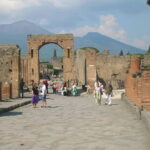
Porta Marina Superiore is still a working-feeling gateway into the site. Once you pass through, it’s easier to understand how Pompeii functioned: civic life, trade, and religion weren’t separate worlds. Your guide sets the rhythm right away, pointing out what to notice as you go—so you’re not just walking from one landmark to the next.
You can also read our reviews of more tours and experiences in Pompeii Archaeological Site.

Why an archaeologist guide actually changes Pompeii

Pompeii can feel like a theme park if you only skim. The big walls and grand rooms are impressive, sure, but the real magic is how the details explain daily routine: what people did in public, what they ate, how they relaxed, and how the city’s layout made all that possible.
That’s where an archaeologist guide matters. In this tour, guides are licensed and experienced on site, and the tone is often part classroom, part storyteller. Names that pop up in standout experiences include Livio, Antonio, and Ricardo, and the common thread is that they connect what you see to how excavations actually work and what archaeologists have learned from careful study.
You don’t need to be a classic-rock nerd or a Roman scholar. The goal here is simple: help you recognize the difference between a pretty surviving wall and evidence of real human behavior.
The 2-hour route: what you see and why each stop matters
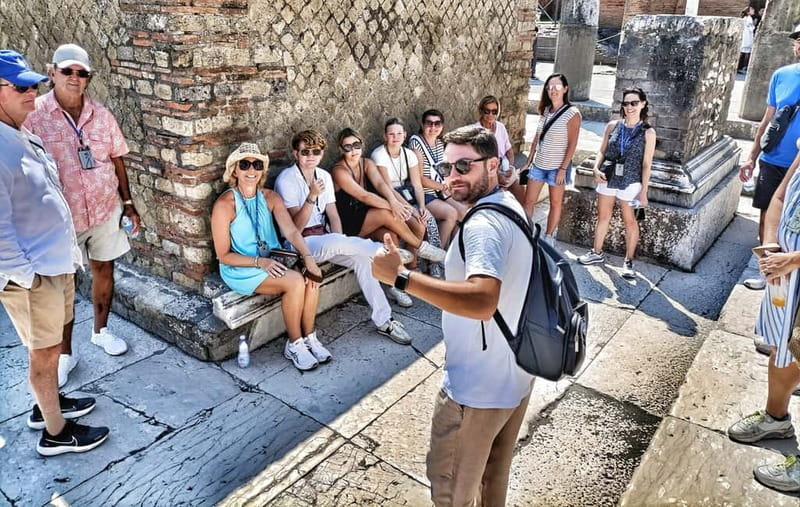
The tour is timed to hit the essentials without turning into a sprint marathon. You’ll cover the main civic and religious core, plus markets, baths, and representative homes—then end with some of the city’s cultural and entertainment zones.
Here’s what the experience looks like in order.
Porta Marina to the civic heartbeat
You begin at Porta Marina Superiore and then head toward the Basilica and the civic center area (the Forum complex). The Basilica stop is important because it signals how official business worked in Pompeii. The Forum area is the city’s social engine: this is where public decisions happened, where people gathered, and where the city’s power showed itself.
The guide’s job is to make those stones feel logical. Instead of memorizing names, you learn how to read the spaces: where people would have stood, why certain areas mattered, and what kinds of activity clustered around them.
Temples: noticing the religious map (Jupiter, Venus, Apollo)
Next come the temple sites, including temples dedicated to Jupiter, Venus, and Apollo. Even if you don’t know your Roman mythology cold, these stops make the city feel planned rather than accidental.
What I like about this part of the route is that it doesn’t treat religion as a museum topic. You’re shown how temples fit into a broader public landscape—close enough to shape everyday life, not sealed off like an afterthought.


Baths and big houses: art and routine under one roof
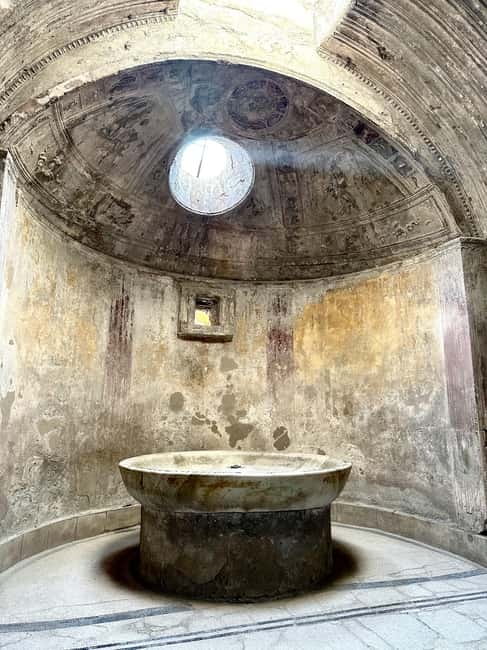
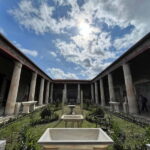
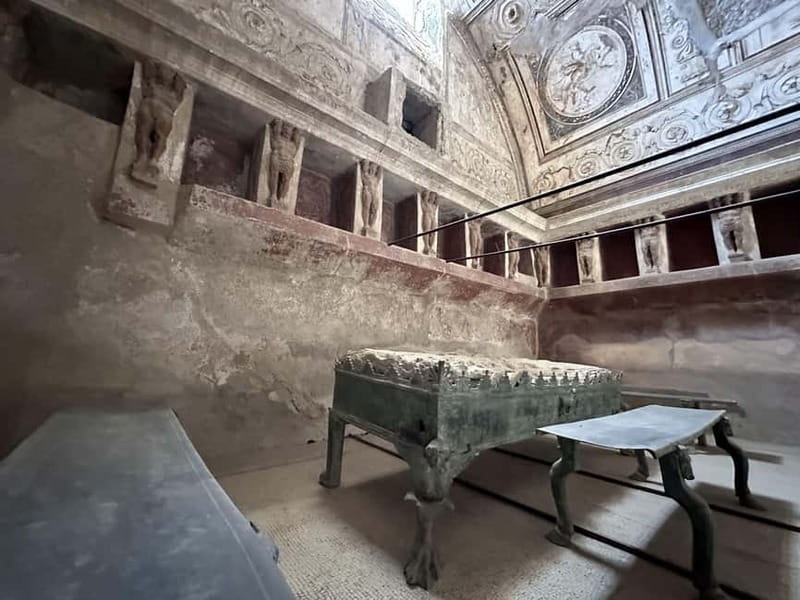
From there, the tour moves through Forum Baths, then into residential sites such as the House of the Vettii and the House of the Faun. This is where Pompeii stops being only about tragedy and starts showing you normal life in color.
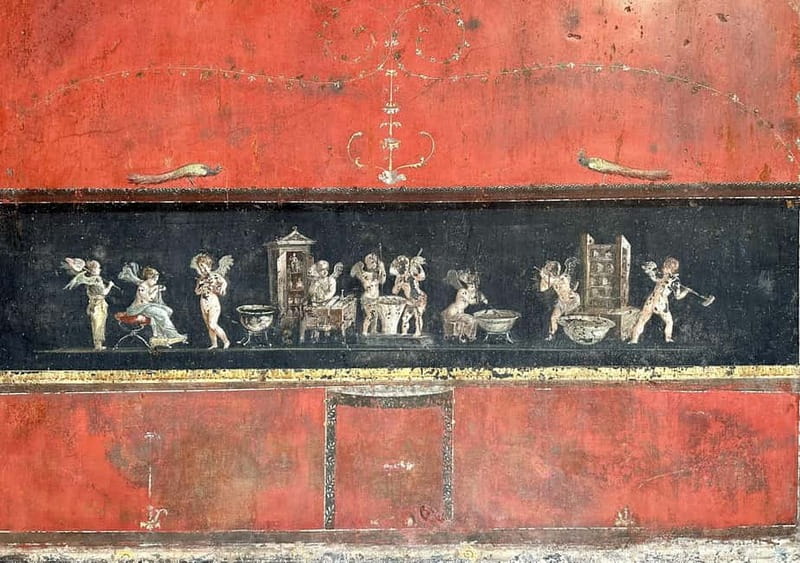
Your best payoff here is the focus on frescoes and mosaics. These aren’t random decorations; they’re a way to understand status, taste, and how spaces were built for lounging, gathering, and daily movement. If you’ve ever wondered what wealthy Roman homes felt like, this is the section that makes you get it without drowning in details.
The Macellum: markets plus the plaster casts
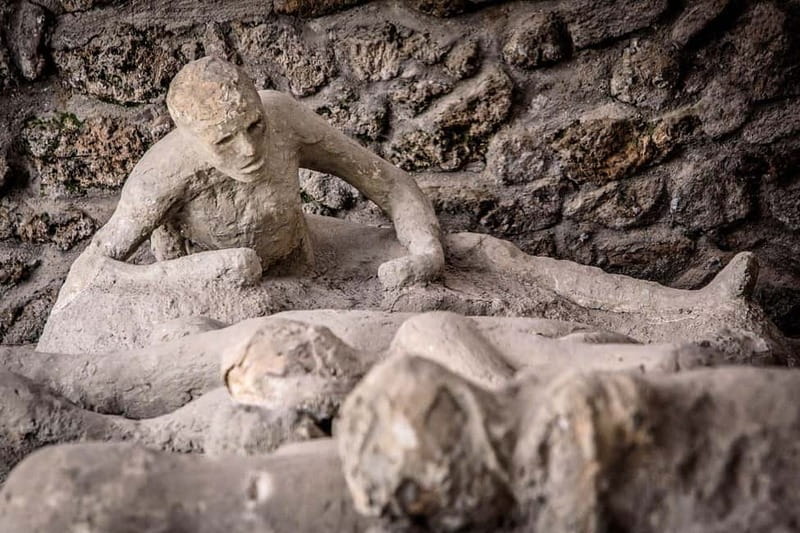
Then you reach the Macellum, the market area. This stop is special because it combines two experiences in one place: the commercial energy of a city center, and the stop-you-in-your-tracks presence of plaster casts of victims.
That contrast is hard to forget. You’re standing in a space tied to buying and selling, and you’re also seeing evidence of what happened to people caught in the eruption. It’s not designed for dramatic storytelling, but the impact lands hard because the setting is so real.
Homes with character: House of the Tragic Poet and more
You’ll also visit the House of the Tragic Poet, plus other residential stops included in the route. The value here is comparison. You start noticing differences in space and how rooms were used, and you get a clearer picture of how homes varied, not just in size, but in layout and what they communicated.
This is one of those moments where a guide helps you avoid common mistakes, like staring at a floor plan without understanding what the plan is telling you.
Lupanare and the theatre area: city life beyond work
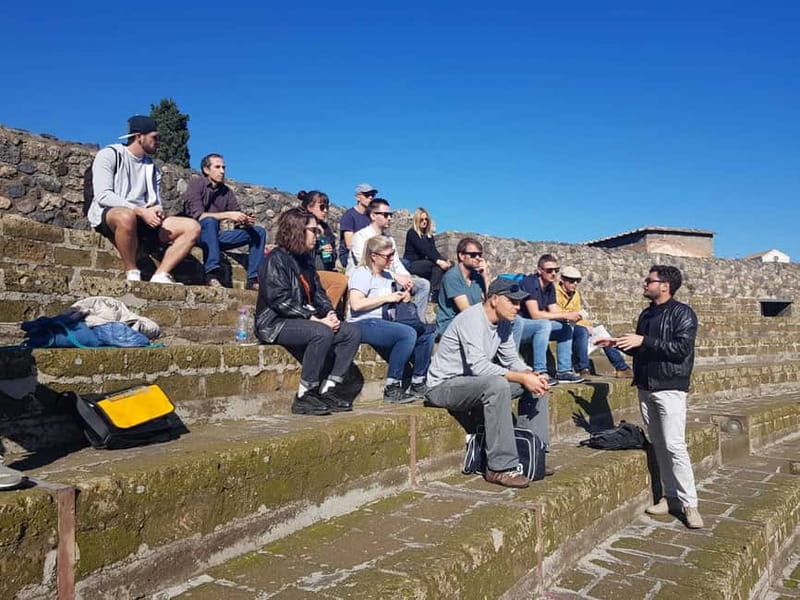
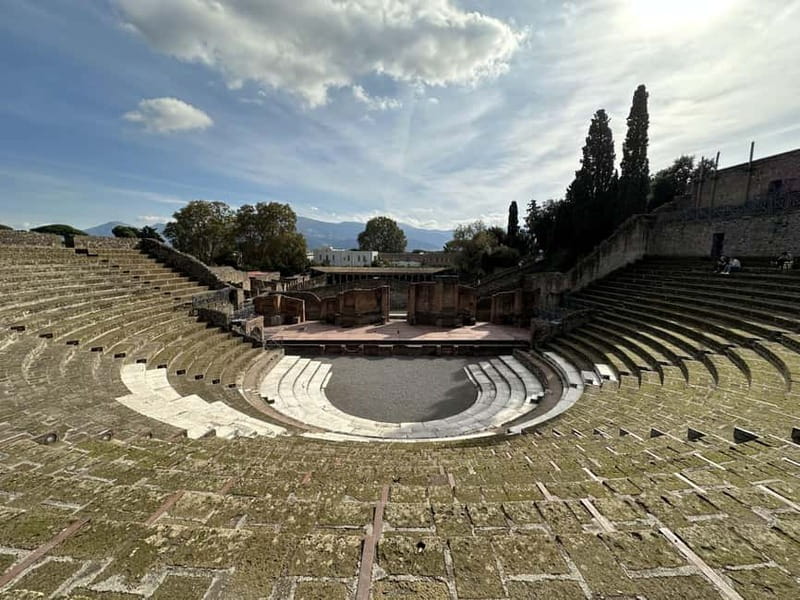
Later, you’ll get to areas including the Lupanare and the Large Theatre. These stops add texture. Pompeii wasn’t only commerce and government; it also had performance and social spaces, plus places tied to everyday entertainment and nightlife.
The theatre stop, in particular, helps you understand how people spent time when they weren’t at the market or the baths. The guide’s commentary turns those stones into a picture of crowds, sound, and spectacle—without needing you to imagine it from thin air.
Skip-the-line entry and headsets: the practical win

For a site as big and crowded as Pompeii, logistics can quietly ruin the day. This is why I like the skip-the-line entry setup and the included admission Express ticket. It keeps your schedule intact and reduces the stress of timing.
Also: you get headsets. That sounds small until you’re in a noisy outdoor site and the group is spread out. Here, the headset setup makes it much easier to hear your guide’s explanation, and it helps you stay engaged instead of constantly falling behind.
The tour also stays manageable because the group is kept small, and you can choose a private slot if you want quieter pacing or fewer people to work around.
How long is enough? Use the 2 hours well
Two hours in Pompeii is not meant to be everything. It’s meant to give you a strong foundation so that your self-guided time afterward makes sense.
At the end, you’re dropped at either Pompeii Ruins or Piazza Esedra. That matters because it influences how you can continue your day. The guide also points out what to see next after the group finishes—so you leave with a short list instead of a scattered map and guesswork.
If you’re the type who likes to take things slow once you’ve learned the basics, you’ll get the best day by planning extra time after the tour rather than treating the visit as only the 2-hour segment.
Getting there: meeting point near Pompei Scavi (Circumvesuviana)
This tour meets outside Pompeii’s Porta Marina entrance, in front of the train station Pompei Scavi – Villa dei Misteri (Circumvesuviana). Your guide holds a sign that says Pompei VIP.
One practical tip: Pompeii can have more than one train station stop, so double-check the route you’re using and make sure you’re matching the correct one near Porta Marina. If you misjudge the stop, you’ll lose time before you even start.
Ticket name rule: bring the right ID and send participant details
Pompeii has updated ticketing rules to counter illegal resellers, and this tour follows them. You’ll need to provide the tour with the full name and surname of participants (including children), plus ages, using the messaging system after booking. Plan to do that promptly so your tickets are correct.
On the day, bring passport or ID for everyone listed. A photo is fine, but you still want the ID info to match your ticket details.
What you should bring (and what to skip)
You’ll walk on uneven stone, so your best friend is comfortable shoes. Bring water, especially in warm months, and keep your ID/passport handy since it’s part of the ticketing rule.
The tour also lists clear no-go items: pets aren’t allowed, and certain items like alcohol and drugs aren’t allowed. Swimwear isn’t allowed either, and the rules state it’s not set up for wheelchair users and people with mobility impairments.
Price and value: why $50 can work for the right traveler
At $50 per person for a 2-hour archaeologist-led tour with skip-the-line entry, included admission, a headset setup, and a small group format, the value comes down to what you want from Pompeii.
If your goal is only to wander and take pictures, you might not need a guide. But if you want Pompeii to feel understandable—civic life, religious spaces, markets, houses, and how excavations shaped what we know—then paying for an expert guide often saves time and boosts the payoff of every minute you’re in the site.
Also, this isn’t just “a person talking.” The headset and skip-the-line parts are real quality-of-life features. They help you stay oriented and reduce the risk of wasting prime visiting time.
Who this tour fits best
This tour is a strong pick if you:
- Want Pompeii highlights in a tight window without chaos
- Appreciate explanations tied to what you’re seeing, not generic facts
- Like the idea of ending with a short list of what to explore on your own
- Prefer a calmer experience with a small group or a private option
It’s probably less ideal if you need wheelchair access or have mobility limitations that make uneven walking hard, since it’s not suitable for wheelchair users.
Should you book this Pompeii VIP tour?
If you’re visiting Pompeii for a day (or you just don’t want Pompeii to turn into a log-jam of crowds and confusion), I’d book this. The combination of skip-the-line entry, headsets, and a licensed archaeologist guide is exactly what turns Pompeii from impressive ruins into a place you understand.
Book it especially if you want to leave with more than photos—because you’ll walk away with a clearer mental map of how the city worked, and why those famous sites matter. If you have extra time afterward, you’ll be able to enjoy Pompeii even more, since the 2 hours will set you up to explore smarter on your own.
FAQ
Where is the meeting point?
You meet outside Pompeii’s Porta Marina entrance, right in front of the train station Pompei Scavi – Villa dei Misteri (Circumvesuviana). The guide holds a sign reading Pompei VIP.
How long is the tour?
The duration is 2 hours.
What’s included in the price?
It includes skip-the-line entry tickets, Pompeii’s admission Express ticket, a licensed archaeologist guide, and headsets for listening. The tour also includes a small-group experience, with the option for a private slot.
Do I need to buy tickets separately?
No. Entry tickets and the Express admission are included.
What languages are available?
The live guide is available in English, Italian, French, and Spanish.
Is food or drinks included?
No. Food and drinks are not included.
What do I need to bring for the ticketing rules?
Bring passport or ID (photo is fine) for adults and children. You also need to provide the participants’ full names and ages through the messaging system after booking.
Is this tour suitable for wheelchair users?
No. It is not suitable for people with mobility impairments and wheelchair users.