REVIEW · POMPEII ARCHAEOLOGICAL SITE
Pompeii 2-Hour Private Tour
Book on GetYourGuide →Operated by Italy Roots Travel · Bookable on GetYourGuide
Pompeii makes sense fast with a guide. This private 2-hour walk starts outside the Scavi Villa dei Misteri station and hits the parts that explain everyday Roman life, from the Forum to major temples and the city streets frozen in time.
Two things I love are the skip-the-ticket-line entry and the small private group feel that keeps questions coming and the day from turning into a crowd shuffle. One possible drawback: two hours is quick, so you’ll probably want extra time afterward if you want more than the highlights.
In This Review
- Key things that make this Pompeii tour work
- Meet at Scavi Villa dei Misteri: the start that saves your time
- Two hours, private pace: what you can realistically cover
- Forum and Temple of Jupiter: why the center mattered
- Shops, streets, and neighbors: seeing Roman life side by side
- Richer houses and everyday rooms: the contrast you actually feel
- The plaster casts: what to notice in the bodies of Pompeii
- How the guide makes it feel personal (Stefano and Antonietta)
- Price and $181.26 per person: what you’re really buying
- Practical tips that make the 2 hours go smoother
- Who should book this Pompeii private tour
- Book it or skip it: my practical call
- FAQ
- Where do we meet for the Pompeii 2-hour private tour?
- How long is the tour?
- Is skip-the-ticket-line access included?
- Is this a private group tour?
- What should I bring and wear?
- Are large bags allowed inside Pompeii?
Key things that make this Pompeii tour work
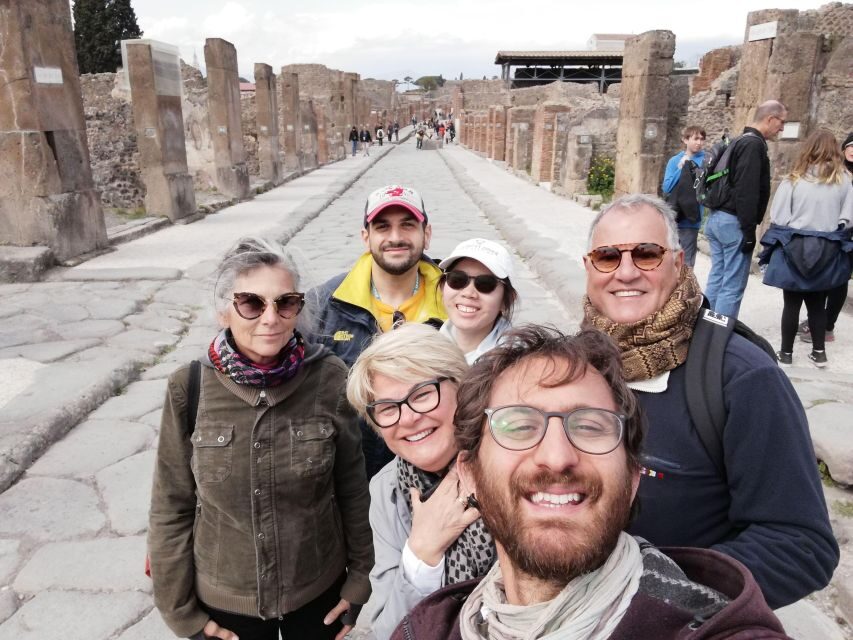
- Meeting with a sign at Scavi Villa dei Misteri so you don’t waste time hunting your guide.
- Skip-the-line entry with your licensed guide so you can start seeing ruins sooner.
- Forum-focused storytelling that connects religion, culture, and politics to street-level life.
- A tailored route that helps you avoid standing around and still see the big sites.
- Real contrast in neighborhoods: slaves, ordinary people, and very rich families living close.
- Plaster casts of victims that turn a tragedy into something you can actually understand.
Meet at Scavi Villa dei Misteri: the start that saves your time
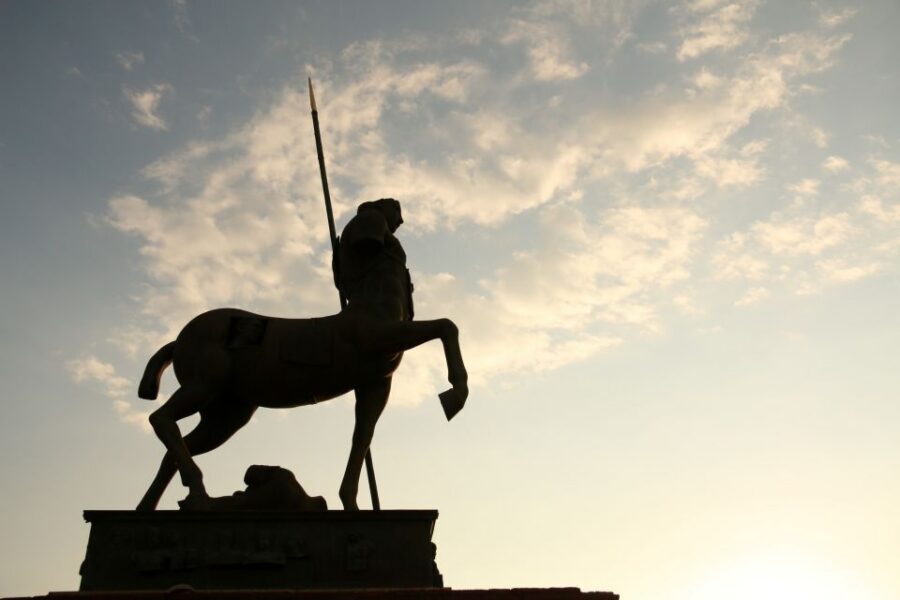
The best part of this tour begins before you even reach the ruins. You meet at the Pompei Villa dei Misteri train station area, specifically Via Villa dei Misteri, 1 (the tour start point is listed at Via Villa dei Misteri, 2). Your guide will be holding a sign with your name on it, which sounds small until you’ve tried to find a meeting point in a busy historic zone.
Arrive about 10 minutes early. That buffer matters because it gives you time to get oriented, confirm you’ve got the right person, and start walking without stress. Pompeii is busy in peak hours, and the whole point of a private tour is to save you from the chaos so you can focus on the ruins.
Also, this is a licensed, English-speaking guide (with English, Italian, and Spanish options). That language support is a big deal here. Pompeii is full of details—signage, layout, and context—and a good guide helps you connect what you’re seeing to what it meant for daily life.
You can also read our reviews of more private tours in Pompeii Archaeological Site
Two hours, private pace: what you can realistically cover
This is a 2-hour private walk. That sounds short, and it is—until you realize the tour is designed to hit the most meaningful parts without turning into a marathon.
What makes the timing work is the “private” element. In a larger group, you’re stuck waiting. Here, the guide can set a pace that fits you. You also have more time to ask questions. Many people are surprised by how much they learn when they can stop, ask, and move on, instead of trying to guess what something is while walking past.
The tour ends back at the same meeting point (Via Villa dei Misteri), which keeps the experience simple. You don’t need to plan a complicated second transfer or worry about getting lost at the finish. After the tour, you’re free to wander on your own with a much better sense of what matters.
One more practical note: the walking is part of the deal. Wear comfortable shoes and bring water, sunscreen, and a hat. If you’re traveling in strong sun, this is not the moment for stylish-but-sore footwear.
Forum and Temple of Jupiter: why the center mattered
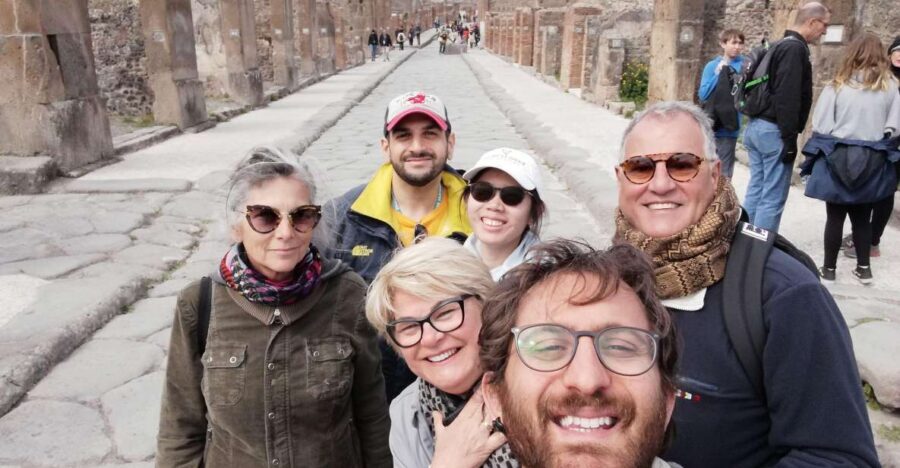
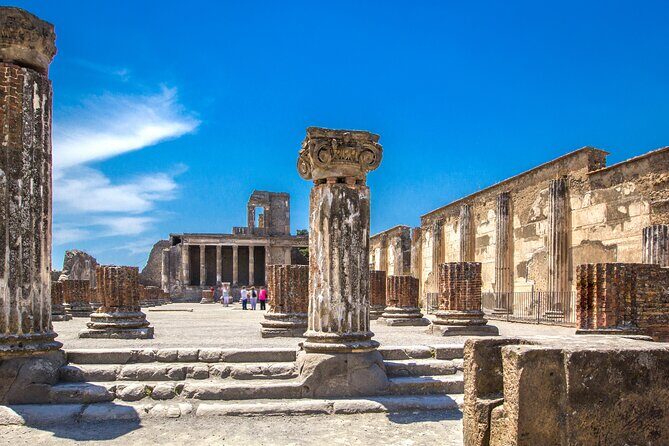
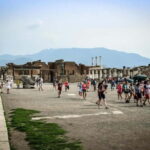
The big anchor of the tour is the Forum, described as the center of religious, cultural, and political life. This is the area where Pompeii stops feeling like a set of random ruins and starts looking like a living city.
What I like about having the Forum early is that it gives you a mental map of priorities. When you understand the Forum’s role, other buildings make more sense. You start to recognize how civic life, worship, and public identity worked together.
You’ll also see iconic religious framing, including the Temple of Jupiter. The value of a guide here is not just pointing at structures. It’s explaining why these places would have mattered to people every day—where they might gather, how power and faith overlap, and what the layout suggests about public routines.
If you’re the kind of person who hates vague sightseeing (“cool, another big wall”), this is where a good guide earns their fee.
Shops, streets, and neighbors: seeing Roman life side by side
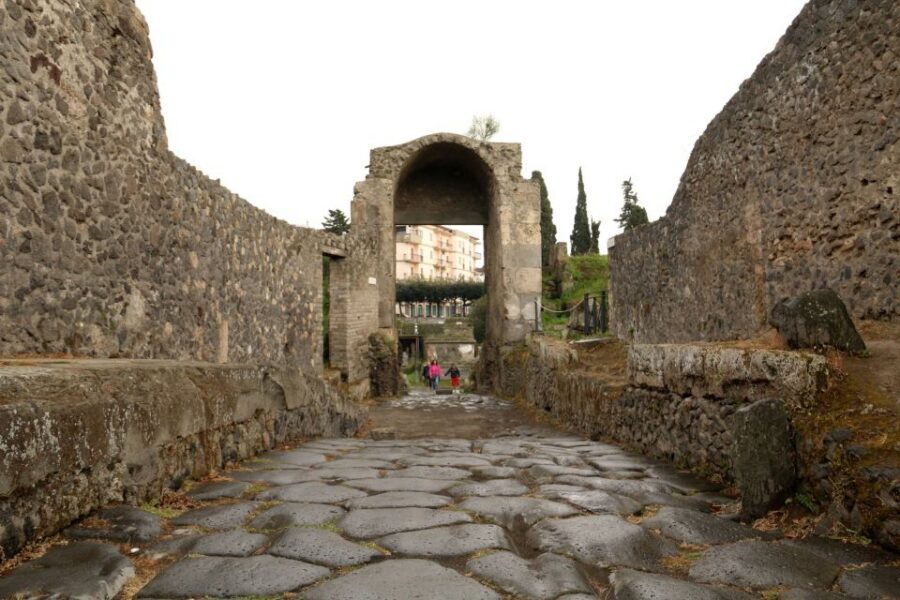
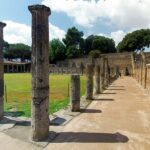
Pompeii’s power is that it shows everyday life in a way most ancient sites don’t. This tour leans into that. You’ll walk through ruins of shops, houses, and streets, and you’ll get the story behind the city’s social mix.
A key theme is how different social groups lived close together: slaves, ordinary people, and very rich families were all part of the same urban fabric. That detail changes how you look at the neighborhoods. Instead of thinking Pompeii was only for the elite, you start seeing a city where class differences were visible, but not segregated into separate worlds.
This is also one reason the tour format works. When a guide helps you connect street layout to daily routines, you don’t get lost in a pile of stone. You start seeing patterns—where people worked, where they lived, and how the city organized public and private space.
You may also be guided toward areas that people often remember most, including sites tied to leisure or specific city zones. For example, one route in particular has included stops such as Terme Stabiane and Lupanare. Since the tour is private, you can often get route tweaks based on what you want to focus on. If there are topics you’d rather not spend time on, the guide can adjust the level of detail.
Richer houses and everyday rooms: the contrast you actually feel
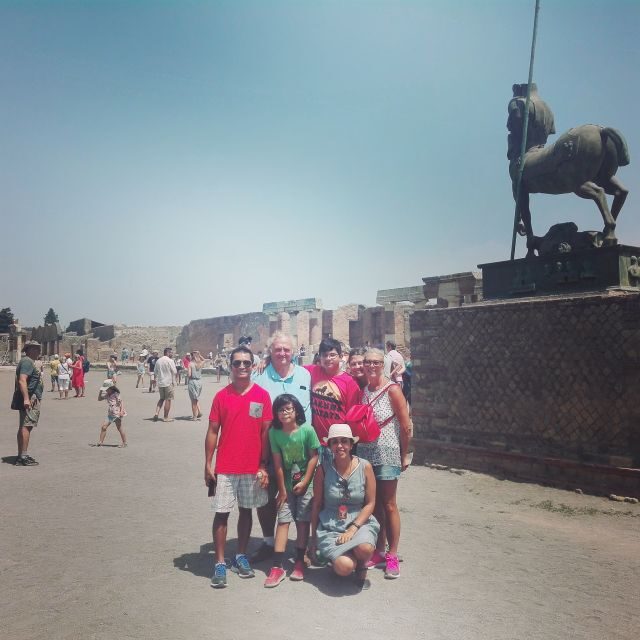
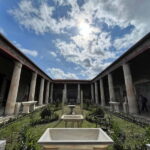
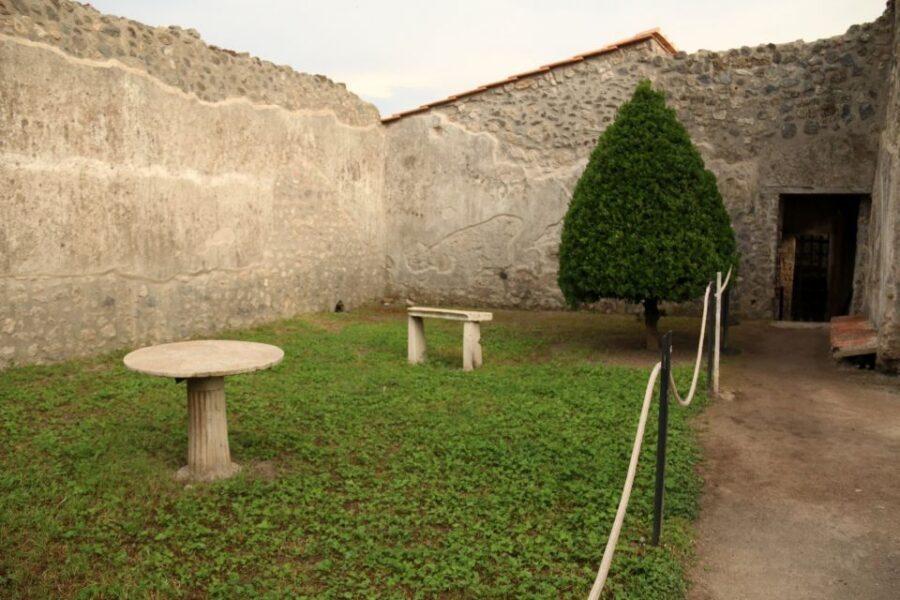
One of the highlights is visiting some of the richest houses in the city. That sounds like a “look at the fancy stuff” pitch, but the real value is contrast—what’s different, what stays similar, and what that says about how Roman households functioned.
In a big public tour, you often see a wealthy home and move on quickly, like it’s a museum display. Here, you get more context about daily life, not just decoration. The guide ties rooms and features back to how residents would have used space. You’re learning to read the buildings, not just admire them.
The tour also aims to point out technical, artistic, and historical aspects of the city. That’s important because Pompeii is not only dramatic. It’s also detailed. When someone explains what you’re looking at, you start noticing the practical design choices—how spaces were built and arranged—and not just the overall impression.
And since this is a walk across real ruins, not a slideshow, the experience stays grounded. You’re seeing the city as a place people lived, not as a storyboard.


The plaster casts: what to notice in the bodies of Pompeii
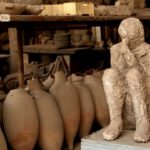
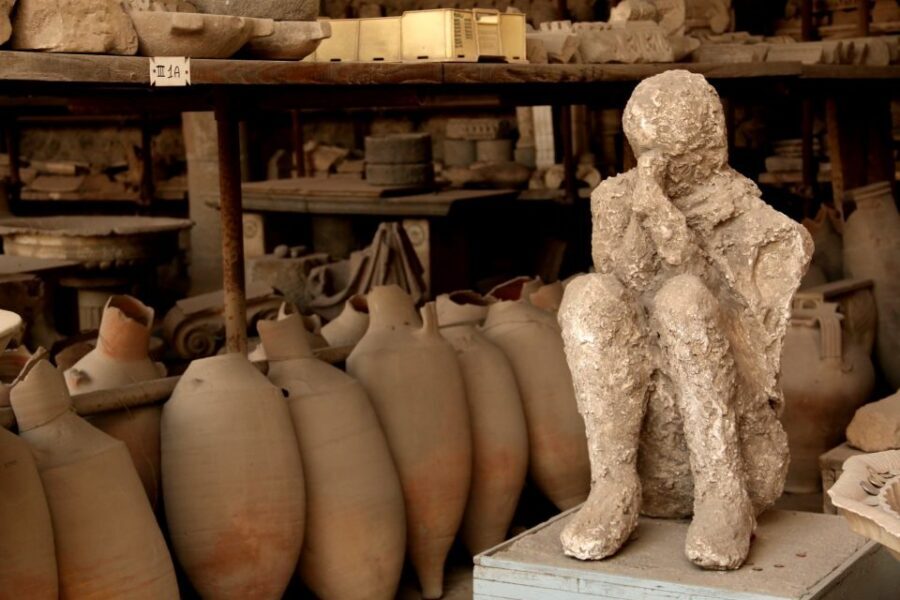
If there’s one part of Pompeii that makes the site unforgettable, it’s the plaster casts of people buried under volcanic ash. This tour includes seeing these casts, and they’re where your attention slows down naturally.
The value of a guide here is in interpretation. Without context, the casts can feel like shock-value photos. With the right framing, they become a lesson in what happened to real people—how sudden disaster can freeze daily life in a moment, and why Pompeii is so powerful as a historical site.
When you stand in front of these casts, look for what the guide points out: how the evidence is presented, what the site is trying to communicate, and how the stories connect to the surrounding streets and buildings you’ve already seen.
It’s intense. It’s also one of the reasons Pompeii is unlike other Roman ruins.
How the guide makes it feel personal (Stefano and Antonietta)
This tour’s strongest ingredient is the human one. Guides on this route have a track record of making the experience both structured and flexible.
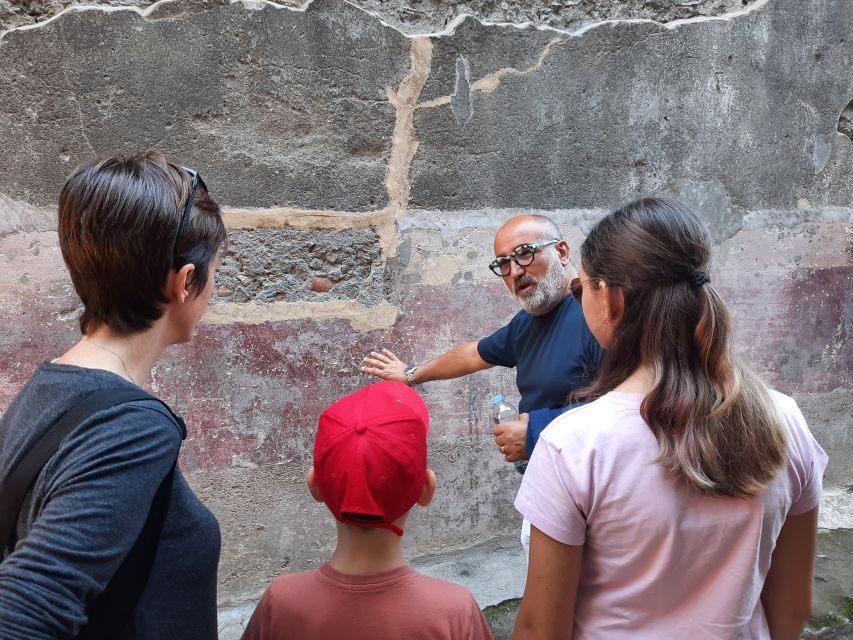
For instance, Stefano has led tours where the group stayed small enough to ask lots of questions, and the route helped people navigate ahead of crowds. People also mention clear communication in advance and the guide being easy to find on arrival, including holding a sign with the name.
Antonietta (and the shorter form Anto/Ant) shows up in feedback as another standout style: high energy, strong pacing, and the ability to explain why things are shaped the way they are. She’s also described as patient with the group and supportive if people need extra time for basics like restrooms or photos.
What you should take from this, even if you don’t know which guide you’ll get: the tour is built for interaction. It’s not only about facts. It’s about making sure you understand what you’re seeing and feel included while you’re walking.
Price and $181.26 per person: what you’re really buying
At $181.26 per person for a 2-hour private tour, you’re paying for three things that add up:
- A licensed guide who can explain the city’s layout and daily life.
- Entry tickets included, plus skip-the-ticket-line access so you can start seeing immediately.
- A private group setup, which usually means less waiting and more conversation.
If you’re traveling solo, the price may feel steep compared with group tours. But private time in Pompeii can be efficient—especially when the guide helps you hit key highlights like the Forum and Temple of Jupiter without getting stuck in lines or overwhelmed by options.
If you’re traveling with family or a small group, the value often improves. A private guide can also respond to what matters to you. One family-centered approach includes guides willing to engage kids and adjust the level of detail for adult comfort, including more sensitive topics when asked.
Practical tips that make the 2 hours go smoother
Here’s the stuff that actually helps once you’re there:
- Bring passport or ID card. If you’re traveling with anyone under 18, you may need ID for free admission to the excavations.
- Pack comfortable shoes first, not last. Pompeii is all walking.
- Bring water, sunscreen, a hat, and consider an umbrella if weather is uncertain.
- Don’t bring luggage or large bags. Bags over 30x30x15cm aren’t permitted inside the site.
- If you have personal items, use the free cloakrooms at access points.
One more small strategy: plan to use the tour to learn the city’s logic. After that, you can wander more confidently. Many people find the 2-hour highlights are the perfect setup for extra self-exploration, including finishing near bigger open areas such as the large amphitheater depending on where you enter.
Who should book this Pompeii private tour
This tour is a strong fit if you want:
- The highlights with context (Forum, Temple of Jupiter, houses, and the victim casts) without wandering aimlessly.
- More questions, fewer crowds, since the group stays private and smaller-feeling.
- A guide who can explain daily life—including how different social classes lived close together.
- A pace that works for families, as guides have experience handling kids and adjusting attention.
If you love purely independent museum style exploring, you can still visit Pompeii on your own. But a private guided start usually pays off because it gives you a mental framework so your self-walk later feels purposeful.
Also, pay attention to the mobility notes. The information includes both wheelchair-related wording and a note that it may not suit people with mobility impairments. If mobility is a factor for you, ask directly before booking so expectations match reality.
Book it or skip it: my practical call
Book this tour if you want Pompeii to feel understandable in a short window. You get skip-the-line entry, a licensed guide, and a route focused on the Forum, iconic temples, and the human side of the tragedy through the plaster casts. Most importantly, you’ll come away with a clearer picture of daily Roman life instead of just a list of monuments.
Skip it if your idea of fun is mainly to drift without structure, or if you know you want to spend a long day building your own route. Even then, consider booking for the first taste of Pompeii and then adding more time on your own.
If you’re on the fence, I’d pick this one for value of understanding per hour—especially if you’re visiting during peak season or you want to keep stress low.
FAQ
Where do we meet for the Pompeii 2-hour private tour?
Meet in front of the Pompei Villa dei Misteri train station, Via Villa dei Misteri, 1 (the start point is also listed as Via Villa dei Misteri, 2). Your guide will have a sign with your name.
How long is the tour?
The tour runs for 2 hours.
Is skip-the-ticket-line access included?
Yes. The tour includes entry tickets and skip the ticket line access.
Is this a private group tour?
Yes. It is a private group experience.
What should I bring and wear?
Bring your passport or ID card (ID may be needed for free admission for those under 18), comfortable shoes, a hat, sunscreen, and water. An umbrella can also help.
Are large bags allowed inside Pompeii?
No. Luggage or large bags are not allowed, and bags whose dimensions exceed 30x30x15cm are not permitted. Free cloakrooms are available at access points.