REVIEW · POMPEI CAMPANIA
Pompeii: Virtual Museum ticket
Book on GetYourGuide →Operated by TOURISTATION · Bookable on GetYourGuide
Pompeii comes alive without a time machine. This Pompeii Virtual Museum ticket takes you back to around 2000 years ago, then rebuilds the city in 3D so you can “walk” major places before disaster. You get animated reconstructions of key landmarks like the Forum, the baths, and the amphitheater, plus an ending that connects the tragedy of 79 AD to what you see in the ruins.
I especially like that it focuses on the everyday stuff. You are not stuck only on buildings—you get scenes of daily life (including a Roman banquet) and details that help you understand how people lived, socialized, and spent time. If you book in French, the experience can be guided by a mediator who helps you make sense of what you are looking at.
One possible drawback: it is still a virtual museum. If what you want most is time inside the full archaeological site, the value depends on whether you add the optional Pompeii area ticket, since this experience alone is shorter and more “preview” than substitute.
In This Review
- Key things I’d look for before you go
- Pompeii Virtual Museum: a front-row look at 79 AD
- Animated 3D scenes that help you read the ruins
- From above: the Forum, baths, and amphitheater reconstructions
- Daily life vignettes: banquet nights and the Lupanar
- The Vesuvius finale: the moment history becomes personal
- Optional add-on: pairing the virtual museum with the real Pompeii area
- What’s included, what’s not, and the real value of $14
- Meeting point and on-the-ground logistics at IBT Center
- Rules inside the virtual museum (and small things that can trip you up)
- Who should book this Pompeii Virtual Museum ticket
- Should you book the Pompeii Virtual Museum ticket?
- FAQ
- How long is the Pompeii Virtual Museum experience?
- Where do I meet for the Pompeii Virtual Museum ticket?
- Is there a reserved ticket?
- Do I get a ticket to the Pompeii archaeological area?
- Do I get skip-the-line access to the archaeological area?
- Is a guided tour or audio guide included?
- Is there a map provided?
- Can I take photos inside?
- Are pets allowed?
- Is food or drinks included or allowed?
Key things I’d look for before you go
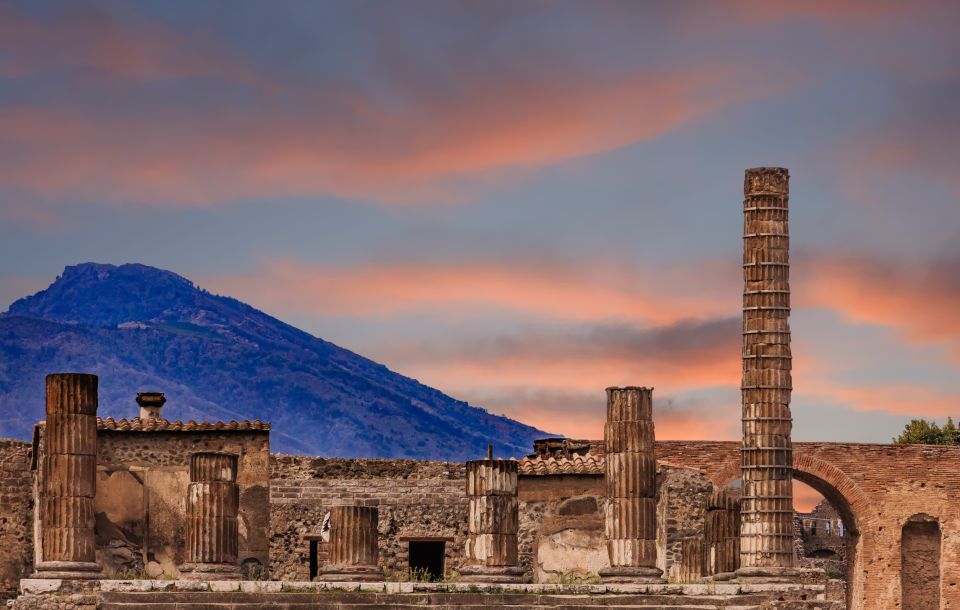
- 3D reconstructions that map to real landmarks like the Forum, baths, and amphitheater
- Animated views of famous areas from above, which makes the site layout easier later
- Life-in-Pompeii scenes, including a Roman banquet and the Lupanar area
- A Vesuvius eruption finale, tying the end of the city to the story you just watched
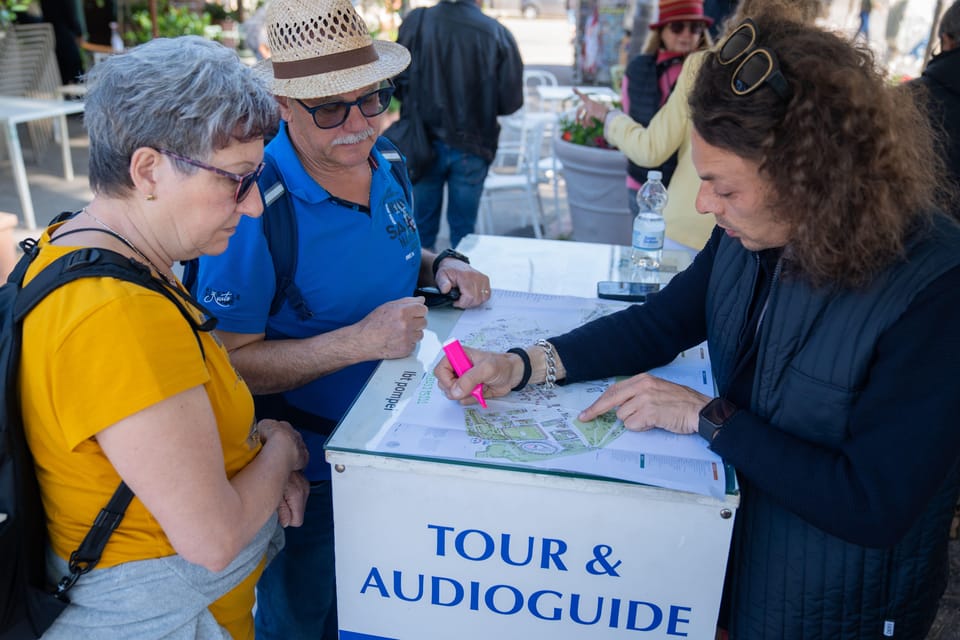
- Paper city map + assistance, useful if you plan to follow up at the archaeological area
- Clear rules (no photos inside, no large bags), so plan your day accordingly
Pompeii Virtual Museum: a front-row look at 79 AD
This is the kind of experience that helps your brain organize what you will see later on site. Pompeii can feel like a giant open-air puzzle—especially if you only know it from dramatic photos. The Virtual Museum gives you the missing parts: the look of streets, the feel of everyday life, and the shapes of major buildings before they were buried.
The core idea is simple: you experience Pompeii right before the eruption of Vesuvius in 79 AD, then you end with the catastrophic event that erased the city while making it unforgettable for future generations. The pacing is built to move from “ordinary days” to disaster, so the history lands in your gut rather than just your head.
Time-wise, you can expect anywhere from about 30 minutes up to 4 hours, depending on availability and the session you choose. That range matters. If you are on a tight schedule, you can treat it as a fast primer; if you have time, you can slow down and let the reconstructions sink in before you head to the real ruins.
You can also read our reviews of more tours and experiences in Pompei Campania.


Animated 3D scenes that help you read the ruins
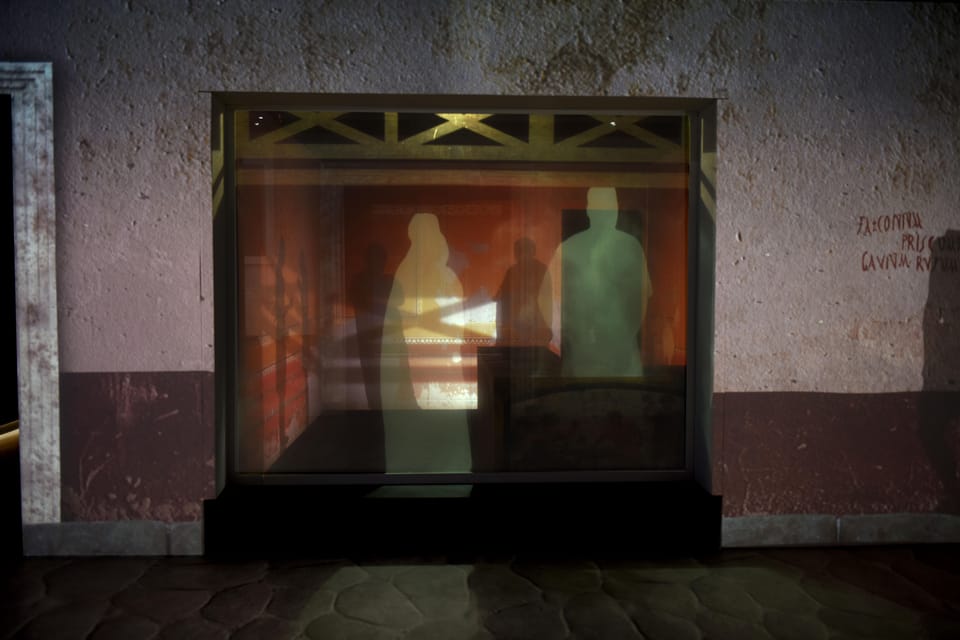
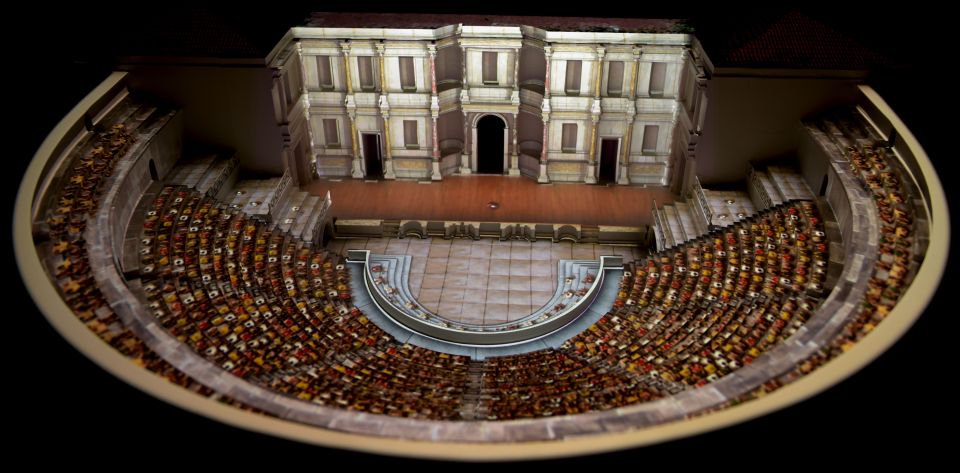
I like that this ticket is built around reconstruction, not just narration. The museum shows parts of Pompeii in 3D, with models and animated sequences designed to help you recognize places later when they are partly broken, empty, or damaged.
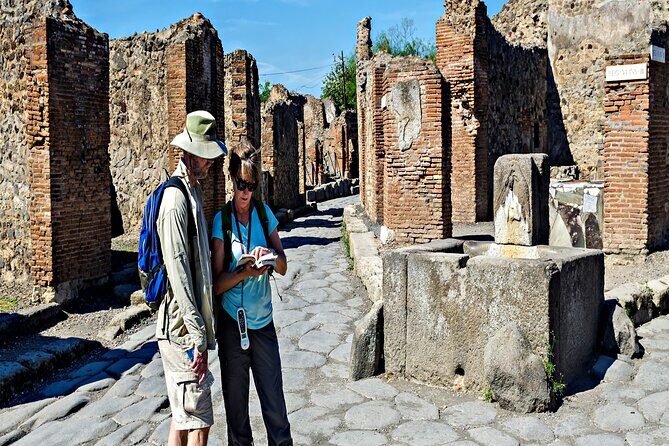
This is where the value shows up for independent travelers. When you walk around Pompeii’s archaeological area, you are surrounded by walls and fragments. The Virtual Museum helps you connect those fragments to the whole picture—so you spend less time trying to guess what you are looking at, and more time actually seeing.
Also, because the experience includes a paper city map and assistance at the touristation office, you are not left on your own to figure out what to do next. Even if you do not add the archaeological ticket, the museum still works as a structured way to understand Pompeii’s layout and priorities.
From above: the Forum, baths, and amphitheater reconstructions
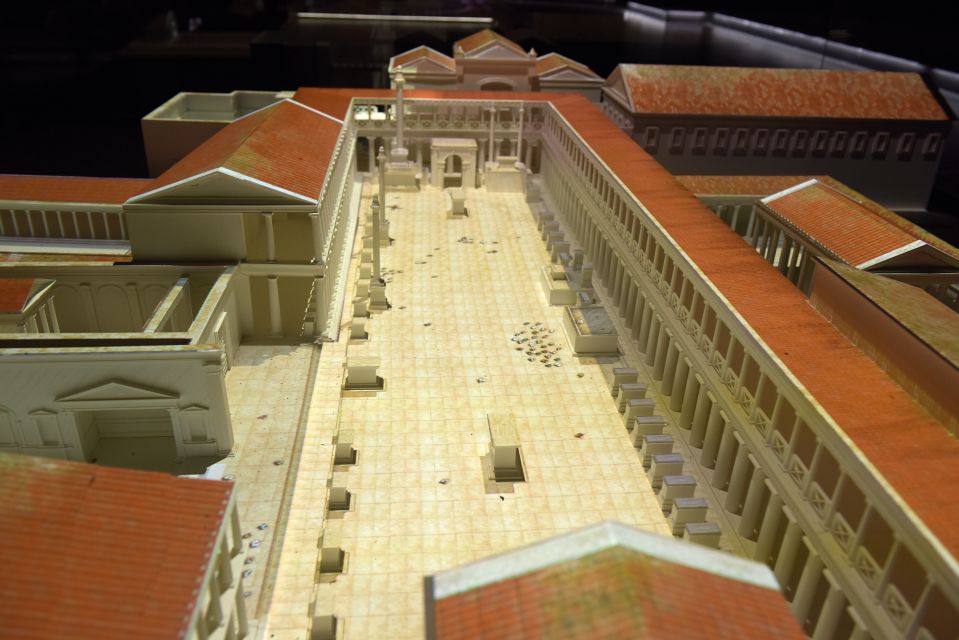
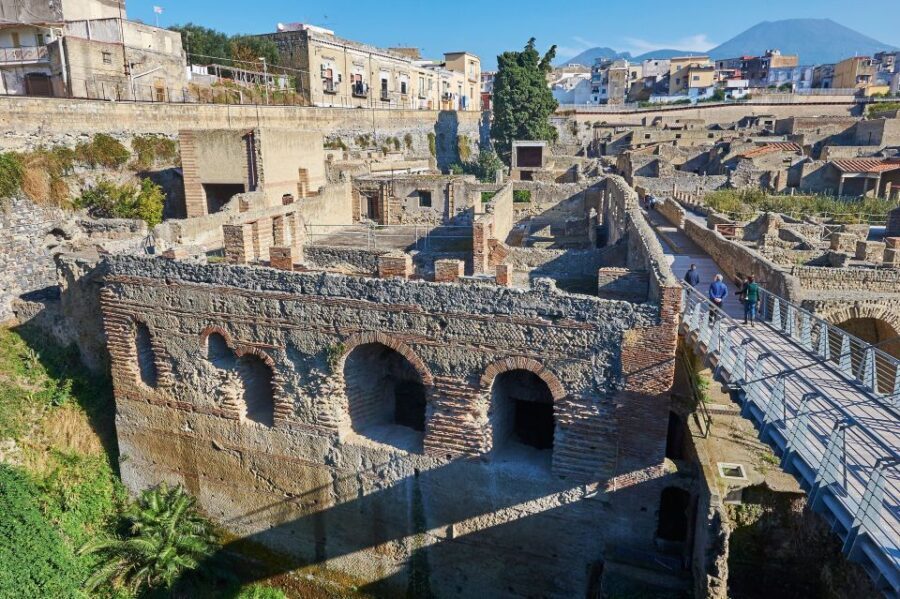
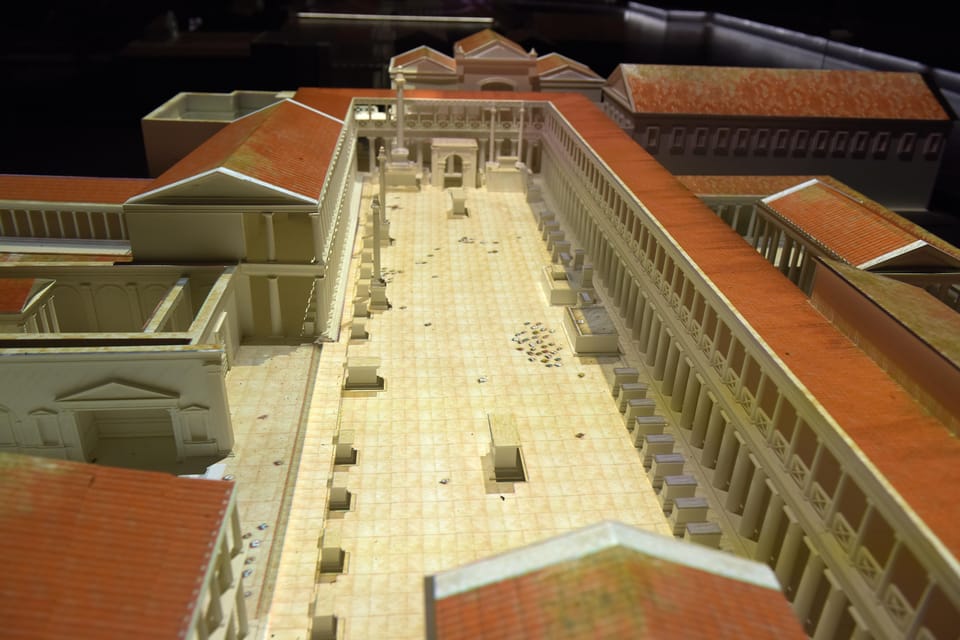
One of the standout promises is the ability to view famous buildings with animated reconstructions, including perspectives from above. That matters because Pompeii’s most famous areas aren’t always easy to “read” from street level. When you see the Forum and the other big civic and public spaces in a clearer, reconstructed way, you start to understand how movement and crowd flow would have worked.
Here is what makes these particular spots worth your attention:
- The Forum is where civic life happened—markets, announcements, and public activity.
- The baths show everyday routines and social rhythms beyond politics.
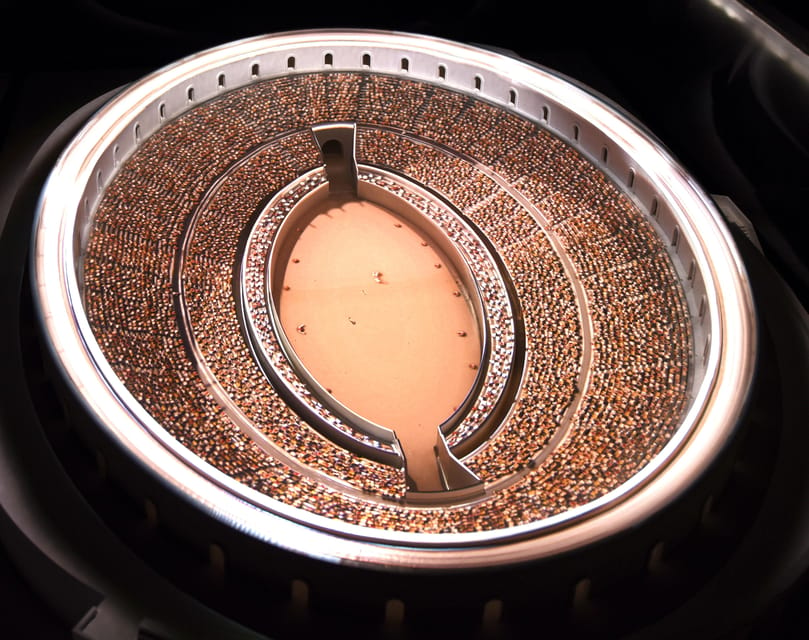
- The amphitheater gives you a sense of scale and entertainment culture.
When those locations are shown in motion, you get a mental map you can carry. Later, even if you only have a few hours at the site, you can focus your attention where your brain already has context.
Daily life vignettes: banquet nights and the Lupanar
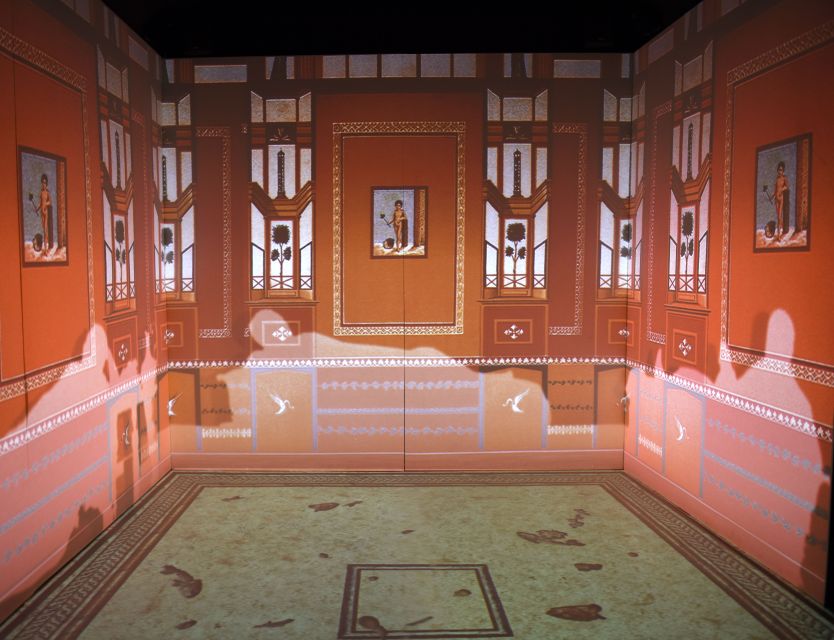
Pompeii is famous for its tragedy, but the best virtual reconstructions remind you it was a real city full of normal moments. The experience aims to put you in the middle of daily life—strolling streets, stepping into Roman-style scenes, and watching reconstructed locations that reflect how people socialized and spent their evenings.
You can expect scenes such as a Roman banquet, which helps you imagine the setting and the social behavior behind it. There is also a reference to the Lupanar, which is the famous brothel district. Even without getting graphic, this type of scene helps you understand Pompeii as a place with the full range of human behavior—not just temples and statues.
This part is especially useful if you are going with teens, friends who need story hooks, or anyone who finds archaeology too abstract. A “what did it feel like” moment can turn a list of ruins into a place with characters.
The Vesuvius finale: the moment history becomes personal
The ending is built around the eruption spectacle. In practical terms, the museum sets up the contradiction that makes Pompeii so powerful: you experience the city as functioning life, and then you get the abrupt ending caused by Vesuvius in 79 AD.
This structure helps the timeline stick. A date like 79 AD is easy to forget. But when you have just watched streets and public areas recreated, the eruption finale feels like a stop in the middle of a story, not a far-off textbook line.
If you care about understanding how the eruption changed the city’s fate—and how the disaster preserved it enough for modern discovery—this is the part you will likely talk about afterward. It turns the ruins from “old things” into “a lost world you can still study.”



Optional add-on: pairing the virtual museum with the real Pompeii area
You can add an entry ticket for the Pompeii archaeological area, and if you select that option, you get the benefit of a skip-the-line ticket for the site. That pairing is the smartest use of your time if you want both context and confirmation.
How to think about the combo:
- If you go to the real archaeological area first, the Virtual Museum can feel like a helpful refresher, but you might miss the surprise of seeing places before they are rubble.
- If you do the Virtual Museum first, it acts like a visual glossary. You see what the main sites were meant to look like, then you verify the details at ground level.
Also note one important limitation: Villa dei Misteri is not included. So if you are hoping the ticket magically covers every major highlight inside Pompeii, it won’t. The Virtual Museum is designed to give you broad clarity on major buildings and daily life, and the add-on site ticket helps you experience the physical ruins.
What’s included, what’s not, and the real value of $14
At $14 per person, the price is relatively low for a structured Pompeii intro—especially if you are using it as a primer before the archaeological area. The included perks also help make it easier to plan your visit:
- Reserved ticket for the Pompeii Virtual Museum
- Paper city map
- Assistance at the Touristation Office
- Free Wi‑Fi
- Skip-the-line entry to the Pompeii archaeological area only if you select that add-on option
What you should not expect:
- No guided tour is included
- No audio guide is included
- No entrance to Villa dei Misteri
- No food and drinks
- No transportation
So here is the honest value equation I’d use: if you want Pompeii’s big-picture layout and a story-driven intro for a reasonable price, this fits well. If you are expecting a full guided experience or a ticket that substitutes for spending hours inside the archaeological site, you might feel the cost.
And yes—there is at least one clear “not for me” style opinion in the world: some people go in with high expectations and come away feeling it does not match the price. That is usually the result of mismatched expectations: they wanted more time at the ruins or more depth than a virtual format provides.
Meeting point and on-the-ground logistics at IBT Center
Your meeting point is the Office IBT Center/Touristation, next to Chalet Donna Lucia. Plan to arrive with enough time to check in calmly. You do not want to rush through a museum that works best when you can pay attention to details.
Once you check in, you should receive the practical support that makes the experience easier to follow. That includes assistance at the office and the paper city map. The free Wi‑Fi can also help if you want to check opening times or map routes before you move on to the site.
Duration flexibility is part of the design: the museum experience can run from about 30 minutes to 4 hours. That means you should choose a starting time that matches your energy. If you are heading straight to the archaeological area afterward, a shorter slot may help you stay fresh instead of running on museum fatigue.
Rules inside the virtual museum (and small things that can trip you up)
These are the kinds of rules that sound minor until you are standing there ready to walk in:
- Pets are not allowed inside the virtual museum.
- Food and drinks are not allowed.
- Luggage or large bags are not allowed.
- Photography inside is not allowed.
If you are traveling with carry-ons, plan what you bring so you are not forced to leave your day bag behind. If you expect to take photos for later reference, you will need to rely on memory and any paper map notes instead.
For the archaeological area add-on, there is a specific note for small dogs: they are permitted inside the archaeological area, but they must be kept on a leash and carried when inside buildings. If you are traveling with a pet, that is a detail worth confirming in your planning.
Who should book this Pompeii Virtual Museum ticket
This works best for:
- First-timers to Pompeii who want context before walking the site
- Travelers who like reconstructions and visual explanations
- People who want a structured, story-based Pompeii experience without committing to a long guided day
- Families or friends who need a narrative entry point before ruins
It might feel less ideal if:
- You mainly want maximum time inside the archaeological area and already know Pompeii well
- You dislike virtual formats and prefer hands-on exploration only
- You expect a guided tour or an included audio guide (those are not included)
If you are planning a full Pompeii day, I’d treat the Virtual Museum as the warm-up act. It sets up what to look for, so you get more out of your physical time on the ground.
Should you book the Pompeii Virtual Museum ticket?
If you want a clear, visual Pompeii preview and you are planning to visit the archaeological area—book it. The $14 price is a solid value when you think of it as a primer that helps you recognize the Forum, baths, and amphitheater in the ruins. The paper map and assistance add real practical value, not just entertainment.
If you are unsure whether you will add the archaeological ticket, make the decision based on your travel style. Doing only the virtual museum can be fine as a quick Pompeii introduction, but if your priority is lots of time among the actual ruins, the add-on ticket is the key that makes the whole plan feel complete.
FAQ
How long is the Pompeii Virtual Museum experience?
It can run from about 30 minutes up to 4 hours, depending on availability and starting times.
Where do I meet for the Pompeii Virtual Museum ticket?
You should report to the Office IBT Center/Touristation next to Chalet Donna Lucia.
Is there a reserved ticket?
Yes. The ticket includes a reserved place for the Pompeii Virtual Museum.
Do I get a ticket to the Pompeii archaeological area?
Not automatically. The Pompeii archaeological area ticket is included only if you select the optional add-on entry ticket.
Do I get skip-the-line access to the archaeological area?
If you select the option for the archaeological area ticket, you get a skip-the-line ticket for the Pompeii archaeological area.
Is a guided tour or audio guide included?
No. A guided tour and an audio guide are not included.
Is there a map provided?
Yes. You receive a paper city map.
Can I take photos inside?
No. Photography inside is not allowed.
Are pets allowed?
Pets are not allowed.
Is food or drinks included or allowed?
Food and drinks are not included, and food and drinks are not allowed inside.