REVIEW · POMPEI CAMPANIA
Pompeii, Herculaneum and Vesuvius Tour
Book on GetYourGuide →Operated by VISITING CAMPANIA S.R.L. · Bookable on GetYourGuide
Three stops, one day that explains everything. This tour strings together Pompeii, Herculaneum, and Mount Vesuvius so you can see how the eruption in 79 AD reshaped daily life and left art and architecture behind. I especially like the organized, no-stress transfers that keep you moving without getting stuck planning buses, parking, or ticket logistics.
Two things I like a lot: first, the schedule builds in real free time at each major site, so you can wander at your own pace instead of watching a slideshow. Second, you get entrance tickets included, plus audio support for Pompeii, which helps you make sense of what you’re seeing.
One possible drawback to keep in mind: Pompeii access can feel limited depending on what areas are closed or roped off that day. If you’re chasing every single fresco or house interior, you may come away wanting more open space than what’s available.
In This Review
- What Makes This Tour Work for Most People
- Key Points Before You Go
- Price and Value: What You’re Really Paying For
- Meeting Point: Starting From Via Roma 32 (and Why It Matters)
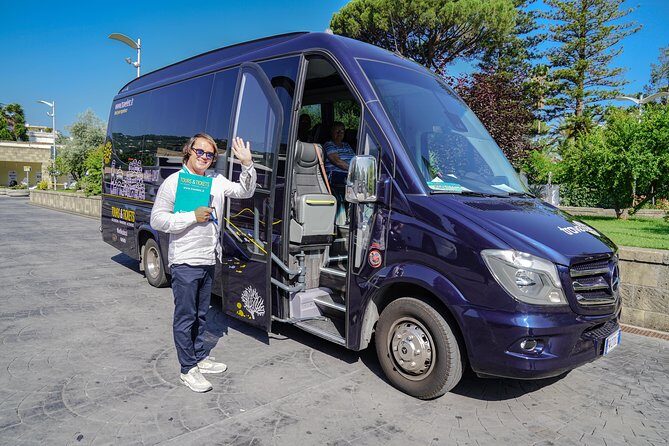
- The Coach Transfers: How You Avoid the Stress Spiral
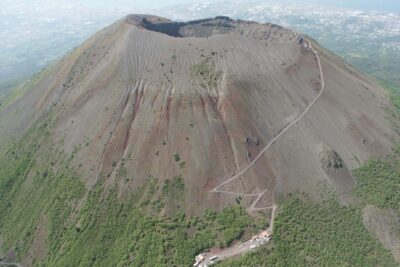
- Mount Vesuvius: 1.5 Hours for the Crater Area
- Herculaneum: The 2-Hour Stop That Often Feels More Manageable
- Pompeii Ruins: Audio Guide for the Big Sights (and ID Rules)
- How the Day Actually Feels: Timing, Walking, and Focus
- What’s Included vs Not Included (So You Can Plan Smart)
- Comfort and Practical Tips That Make the Difference
- Who This Tour Fits Best
- Should You Book This Pompeii, Herculaneum, and Vesuvius Tour?
- FAQ
- How long is the Pompeii, Herculaneum and Vesuvius tour?
- Where does the tour start?
- What stops are included in the day?
- Are entrance tickets included?
- Do I get an audio guide?
- Is food included?
- Is the tour suitable for people with mobility impairments?
What Makes This Tour Work for Most People
You’ll start from Via Roma 32 in Pompeii, then head out by coach. The overall rhythm is straightforward: travel, time to visit, then travel again. That structure matters on a day that includes both an archaeological sites circuit and time at the volcanic landscape, because it reduces decision fatigue. The staff also handle the hard parts like transfers and ticketing, so you can spend your energy on walking and looking.
This is also a good option if you want a self-guided feel. The tour includes audio guides for Pompeii ruins (with multiple language choices), and the rest is mainly on your own once you’re at each site. Just make sure you bring a valid ID document, since the Pompeii audio guide requires it to be issued.
Key Points Before You Go
- Tickets included: Pompeii, Herculaneum, and Vesuvius National Park entry are part of the price.
- Free time at each stop: about 1.5 hours at Vesuvius, 2 hours at Herculaneum, and 2 hours at Pompeii.
- Skip-the-line for Pompeii: you’re not standing around waiting to enter the ruins.
- Pompeii audio guide (ID required): audio is included for Pompeii ruins only, and you’ll need a valid ID to collect it.
- Comfort-focused logistics: coach transfers and a timed plan help you avoid the day spiraling into delays.
You can also read our reviews of more tours and experiences in Pompei Campania.

Price and Value: What You’re Really Paying For
At $141.61 per person for an 8-hour day, the smart way to judge value is to look at what’s included. You’re paying for: coach transfers between sites, organized stop times, and paid entry into Pompeii ruins, Herculaneum, and Vesuvius National Park. On a day like this, those entrance fees and the coordination can add up fast if you try to stitch it together yourself.
There’s also an efficiency factor. This isn’t only about tickets—it’s the time you save by not figuring out how to get from Pompeii to Ercolano (Herculaneum) and then on to the volcano. The tour’s pacing is built around your day still feeling like a visit, not a long bus tour with tiny photo breaks.
What’s not included is also important: food and beverages are not covered, and there’s no person guide included. That means you’ll want to budget for snacks or lunch on your own and plan to rely on signage and the included audio guide for Pompeii to fill in the details.
Meeting Point: Starting From Via Roma 32 (and Why It Matters)
You meet at Via Roma 32 in Pompeii. That’s helpful because it’s specific and easy to plan around when you’re arriving in the area. On your side, the practical move is to arrive a few minutes early with your ID and a small bag ready, since the tour has rules about luggage.
The tour setup also suggests a simple expectation: this is a structured day. If you like spontaneity, you still get room to wander, but you’re not arriving at each site on your own schedule.
One more useful note from the tour rules: oversize luggage isn’t allowed (only a small bag). So if you’re traveling light, great. If you’re not, consider rethinking what you’re carrying for the day.
The Coach Transfers: How You Avoid the Stress Spiral
After pickup, you spend about 40 minutes on the coach before reaching Mount Vesuvius. Then you’ll move again (roughly 30 minutes) between stops, with about 30 minutes of travel between Vesuvius and Herculaneum, and another 30 minutes between Herculaneum and Pompeii.
Why this matters: for most people, the hardest part of a Pompeii + volcano day is logistics. Getting timed transfers right is the difference between a fun day and a frustrating one where you’re late, hunting for tickets, or stuck in slow queues. Here, the transfers are handled and the day stays on rails.
Also, the driver is listed as English, which is reassuring if you have questions during the day. The tour itself is built around you spending time at the sites rather than listening to long explanations on the bus.
Mount Vesuvius: 1.5 Hours for the Crater Area
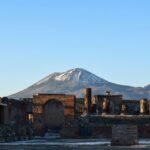
At Mount Vesuvius, you get about 1.5 hours total with time to visit and then reach the crater area. The tour also includes entry for Vesuvius National Park, so you’re not paying extra once you’re there.
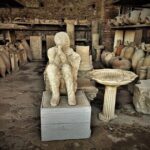
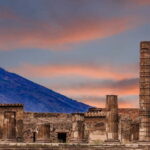
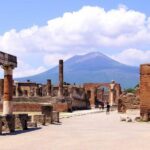
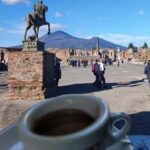
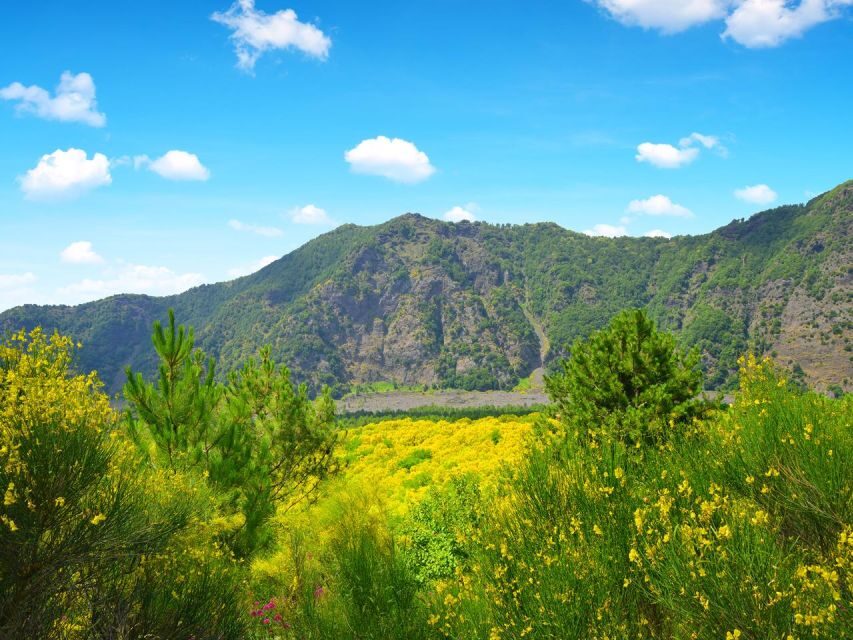
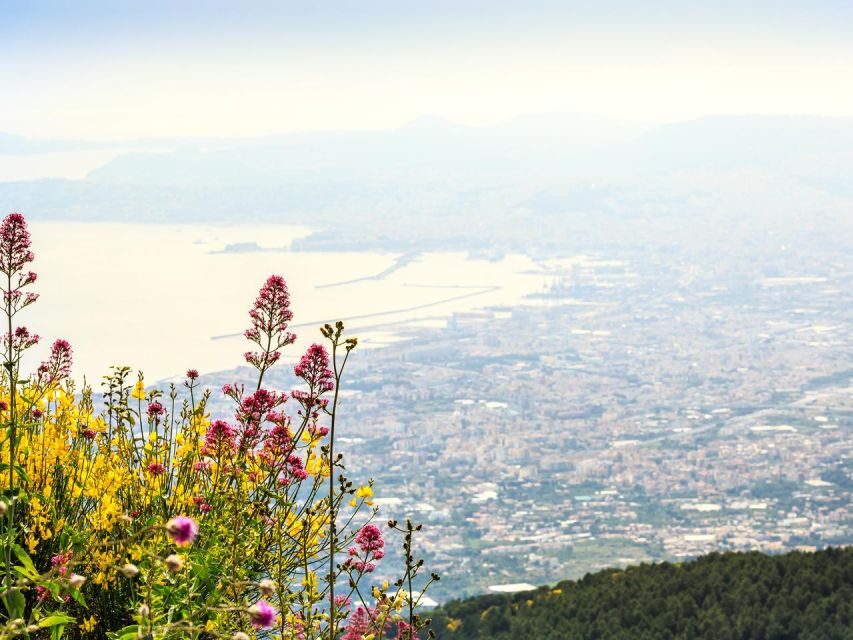
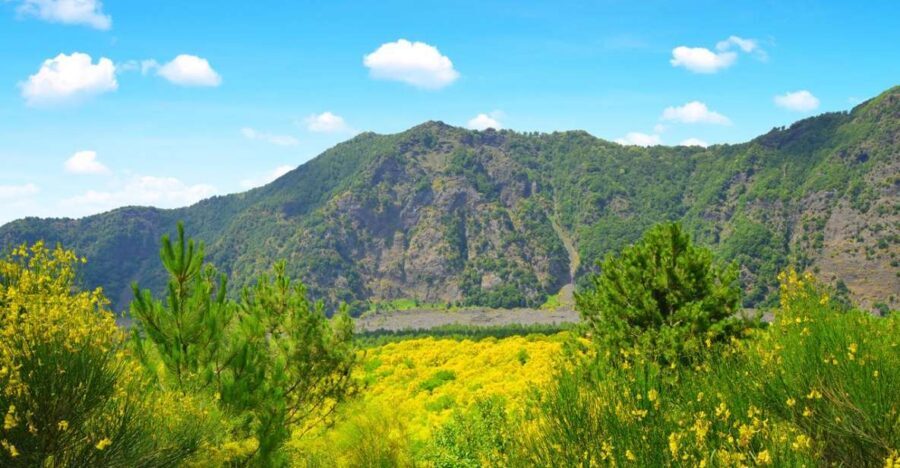
This stop is a different kind of experience than the ruins. Pompeii and Herculaneum show you what people looked like one moment, and then how life froze. Vesuvius gives you the physical scale of what did it. Even if you don’t spend every minute staring at the ground, the views from the volcano are a real way to connect the dots between the mountain and the archaeology.
Practical tip: bring water, and wear comfortable shoes. The tour explicitly calls for a hat too, so plan for sun exposure. This is also a good time to take a slow pace; you want your energy later in Pompeii and Herculaneum.

Herculaneum: The 2-Hour Stop That Often Feels More Manageable
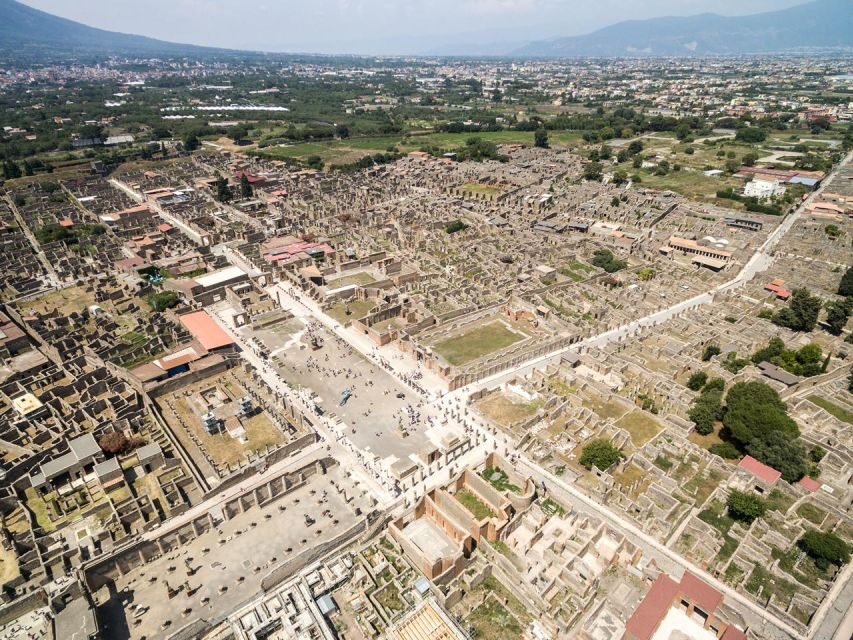
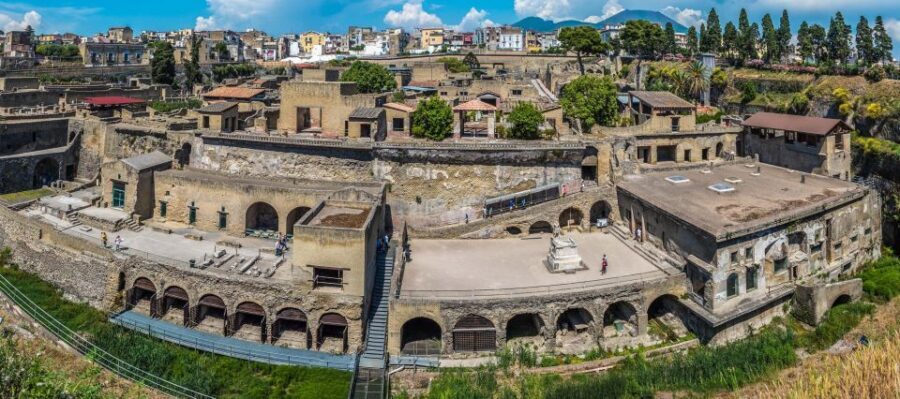
Next up is Herculaneum (Ercolano), and you get about 2 hours to visit the archaeological site. Herculaneum is known for how well parts of daily life were preserved, and you feel that fast once you start walking through the ruins.
I like this stop because the pace fits the emotional tone of the site. Pompeii can be overwhelming in sheer scale. Herculaneum can feel more focused: you can actually get time to look closely at what’s still there, instead of sprinting to reach the next major landmark.
That said, keep expectations realistic. The tour includes tickets and guided support in the form of an itinerary and timing, but it does not promise every building will be open or every fresco will be visible at your preferred spot. The site experience is still very much about what’s accessible on the day you’re there.
Pompeii Ruins: Audio Guide for the Big Sights (and ID Rules)
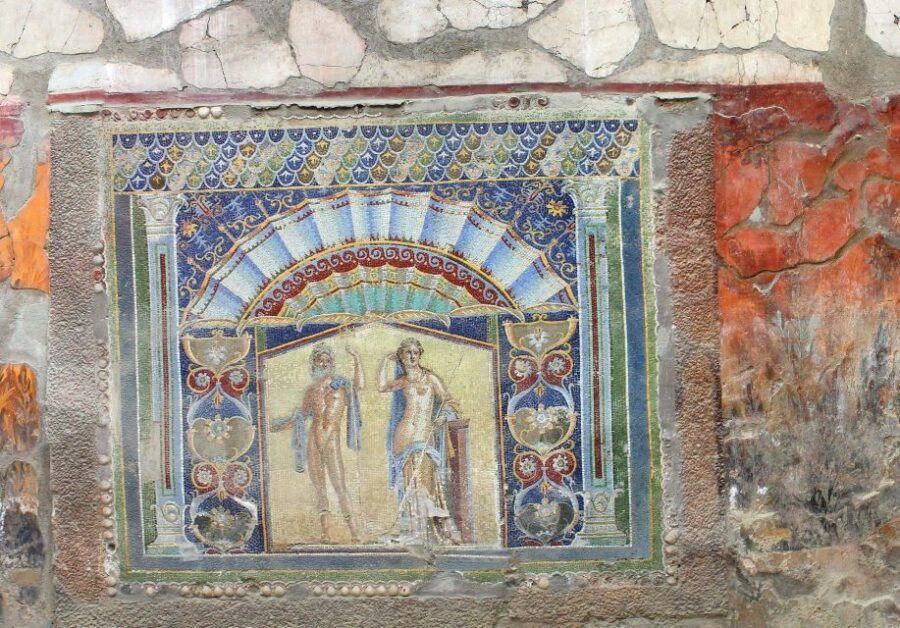
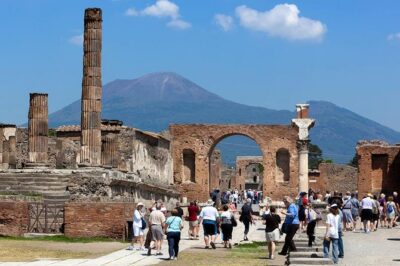
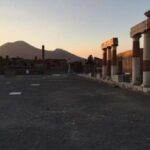
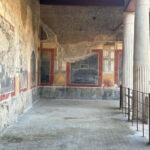
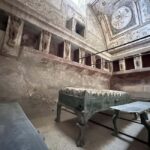
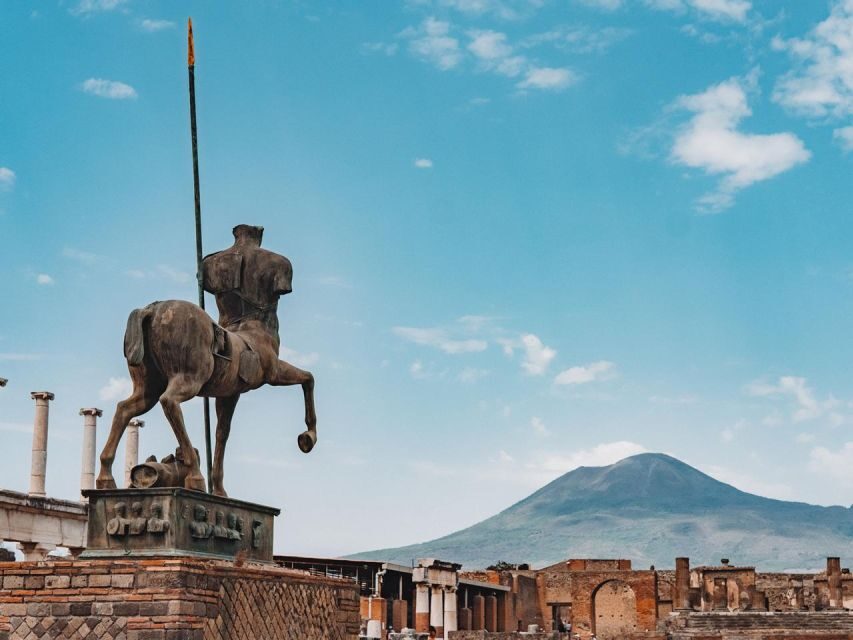
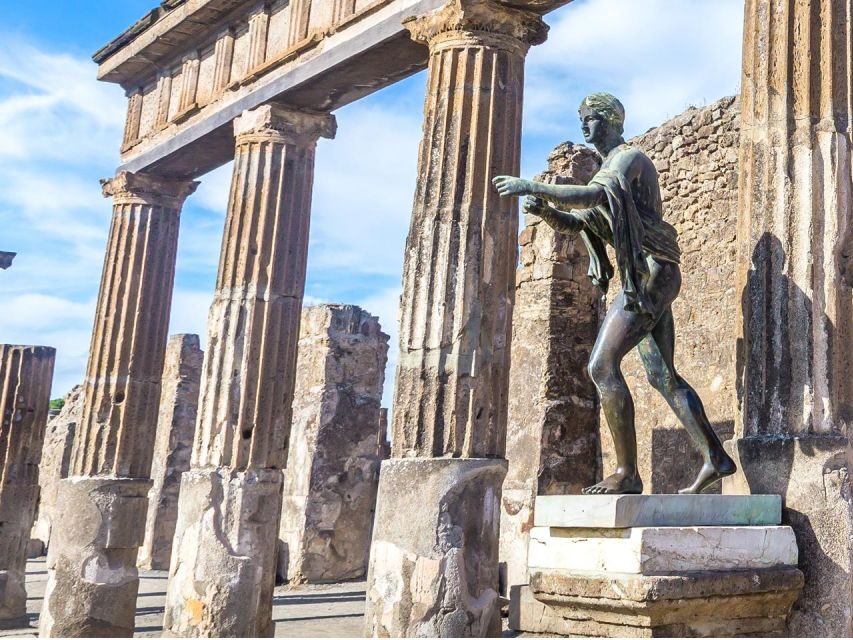
Finally, you’ll head to Pompeii Archaeological Site for about 2 hours of free time. The tour includes Pompeii entrance and also notes skip-the-ticket-line entry, which is a big deal here. Pompeii can be busy, and saving time at the entrance helps you keep momentum.
The Pompeii audio guide is included, with options in English, Chinese, Dutch, French, German, Hebrew, Italian, Portuguese, Russian, Spanish. One key rule: you must bring a valid ID document to obtain the audio guide for Pompeii ruins. If you forget your ID, you could be stuck without the audio support when you most want it.
Two important expectations to set before you go:
- This is audio support for Pompeii ruins only. Herculaneum and Vesuvius don’t list audio guides the same way.
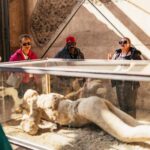
- Pompeii access can vary. One review highlighted that many areas were closed off with doors or ropes and that only some houses were available for time slots. You might run into similar limitations depending on closures and site operations.
If you’re someone who loves details, treat Pompeii like a curated walk rather than a checklist. Use the audio guide to pick a few areas you care about most, then slow down for those. Two hours can pass quickly, but it’s enough if you focus.
How the Day Actually Feels: Timing, Walking, and Focus
The whole tour runs about 8 hours, and that includes travel time between stops. The structure is simple:
- Coach to Vesuvius
- 1.5 hours at Vesuvius for visiting and time to reach the crater
- Coach to Herculaneum
- 2 hours for Herculaneum
- Coach to Pompeii
- 2 hours for Pompeii ruins
- Return to Via Roma 32
Here’s the balancing act: you’re compressing three major experiences into one day. That’s exciting if you want maximum value from your time in Campania. It also means you shouldn’t plan to “see everything.” Instead, plan to see the best you can and let the day choose the rest.
I like this timing for travelers who want autonomy. You get to decide how to spend your time inside each stop. You also get the relief of pre-arranged transfers and ticket handling, which keeps the day from turning into a stress marathon.
What’s Included vs Not Included (So You Can Plan Smart)

Included:
- Pickup in Pompeii (Via Roma 32)
- Transfer to Ercolano (Herculaneum)
- Free time to visit Herculaneum (about 2 hours)
- Transfer to Vesuvio (Mount Vesuvius)
- Free time to reach the crater
- Transfer to Pompei
- Free time to visit Pompeii
- Audio guide included for Pompeii ruins (with language options)
- Entrance tickets for Pompeii, Herculaneum, and Vesuvius National Park
- Booking fee
Not included:
- Food and beverages
- Person guide (you’re self-guided at the sites, with audio for Pompeii)
So if you tend to travel with a snack habit, bring something you can eat without stress. Water is required anyway, and the tour doesn’t build in a meal plan.
Comfort and Practical Tips That Make the Difference
Bring:
- Water
- Passport or ID card (needed for the Pompeii audio guide)
- Hat
- Comfortable shoes
Be ready for:
- Restrictions on oversize luggage. The tour notes that only a little bag is allowed, so plan your packing around that.
Also, the tour lists a clear suitability note: it is not suitable for people with mobility impairments. That’s worth respecting in your decision process, because these sites involve walking and uneven ground typical of archaeological areas and a national park environment.
Who This Tour Fits Best
This experience fits best if you want a high-value, structured day that still leaves room for personal wandering. You’ll probably enjoy it most if you:
- Want to cover Pompeii + Herculaneum + Vesuvius in one trip
- Like self-guided exploring with the added support of an audio guide at Pompeii
- Prefer coach transfers over figuring out intercity timing on your own
- Are happy to trade “seeing everything” for “seeing the core highlights with time to breathe”
If your main goal is to focus intensely on Pompeii alone, you might be better served by a longer Pompeii-focused day. But if you want the full eruption story arc—people, streets, and the mountain itself—this tour is built for exactly that.
Should You Book This Pompeii, Herculaneum, and Vesuvius Tour?
I’d book it if you want one organized day where tickets are handled and you get meaningful time at each stop: Herculaneum (2 hours), Pompeii (2 hours), and the Vesuvius crater time. It’s also a good choice if you hate waiting around for entry and want a plan that protects your day from chaos.
I’d hesitate if Pompeii is your single obsession and you’re the type who needs every room, fresco, and house interior. Because Pompeii access can be limited by closures and roped sections, you might not see everything you hoped for in the time you have. The upside is that the Vesuvius and Herculaneum parts can make up a lot of the payoff, and that balance is where this tour tends to shine.
FAQ
How long is the Pompeii, Herculaneum and Vesuvius tour?
The tour duration is 8 hours.
Where does the tour start?
The starting location is Via Roma, 32 (Pompei).
What stops are included in the day?
You visit Mount Vesuvius, the Archaeological Site of Herculaneum, and the Pompeii Archaeological Site.
Are entrance tickets included?
Yes. Entrance tickets are included for Pompeii, Herculaneum, and Vesuvius National Park.
Do I get an audio guide?
An audio guide is included for Pompeii ruins only. You’ll need a valid ID document to obtain it.
Is food included?
No. Food and beverages are not included.
Is the tour suitable for people with mobility impairments?
No. The activity lists that it is not suitable for people with mobility impairments.
—
If you tell me what month you’re going and whether you’re more into Pompeii streets or fresco-heavy rooms, I can help you decide where to focus your limited time inside each site.