REVIEW · POMPEI CAMPANIA
Pompeii and House of Vettii Guided Tour
Book on GetYourGuide →Operated by Enjoy Pompeii · Bookable on GetYourGuide
Pompeii is small on paper and huge in real life. This guided visit is a smart way to see the House of Vettii and the surrounding civic buildings without wasting half your morning in ticket lines. I like that it keeps the group tight (a maximum of 10), so you can actually hear the guide and follow along. I also like the focus on real day-to-day life, not just a quick sweep through ruins.
One thing to factor in: if you arrive late, the tour may already be moving. In one reported case, the team waited briefly for late ticket collection, but the traveler still had to make their own way around due to the tour already being underway.
The key payoff is the House of Vettii, restored and reopened after 20 years. Pair that with skip-the-line entry through a separate entrance and you get more time for walking Pompeii’s main remains. Expect a guided route across well-known public spaces, including the basilica, forum, thermal baths, and theatre—plus the commercial and residential neighborhoods around them—framed by what life looked like before the 79 AD eruption.
In This Review
- Skip-the-line into Pompeii: getting moving fast
- The House of Vettii restoration: what makes this visit special
- Walking Pompeii’s civic core: basilica, forum, baths, theatre
- Before the eruption: putting 79 AD into perspective
- Duration and pace: what the 2-hour promise really means
- Small-group format: hearing the guide without crowds swallowing you
- Value check: is $49 worth it?
- What to bring and how to plan for entry day
- Should you book the Pompeii and House of Vettii tour?
- FAQ
- How long is the Pompeii and House of Vettii guided tour?
- Does this tour include skip-the-line tickets?
- What group size should I expect?
- What will I see during the tour?
- Is food included?
- What languages is the guide available in?
- Do I need ID to enter?
- Is hotel pickup or drop-off included?
- Is it free on the first Sunday of the month?
- Is the tour suitable for wheelchair users or people with mobility issues?
Skip-the-line into Pompeii: getting moving fast
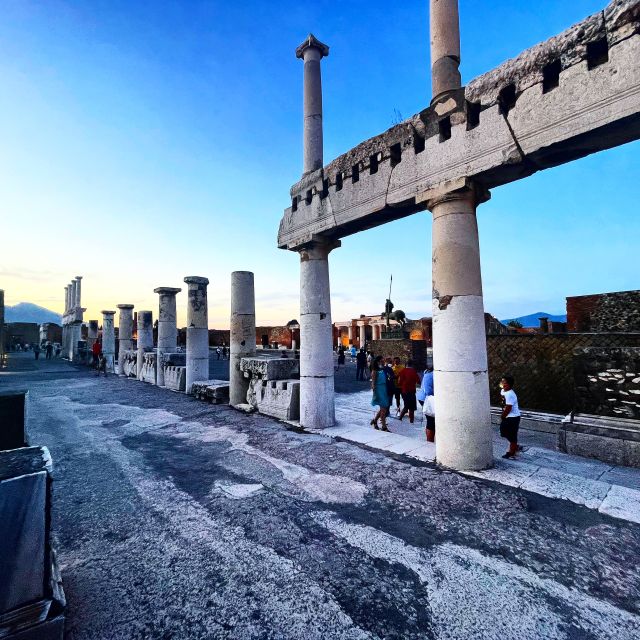
Pompeii works best when you’re moving. This tour gives you skip-the-line tickets plus separate entrance access, which is especially valuable in peak hours when lines can slow everything down.
The rest is simple: a live guide brings the site into focus while you’re walking. The small group size matters here. With a maximum of 10 people, you’re less likely to get swallowed by the crowd and more likely to catch the explanations as you go.
One practical thing I’d keep in mind is timing at the entrance. One review described a situation where the traveler arrived late due to car-hire issues. The team helped by having someone wait to collect tickets, but because the tour had already started, the traveler still had to find their own way around. So plan to be early—think of it as insurance for your day.
The House of Vettii restoration: what makes this visit special
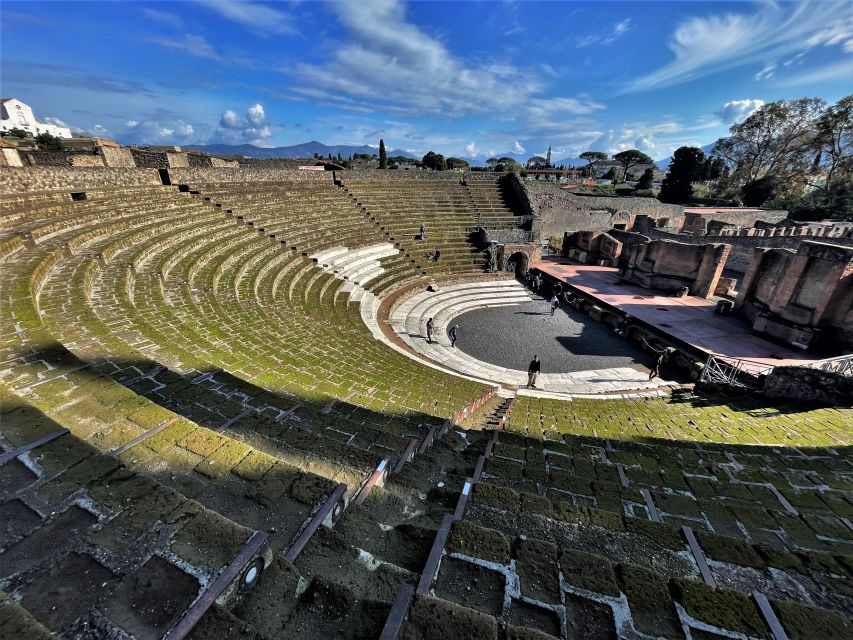
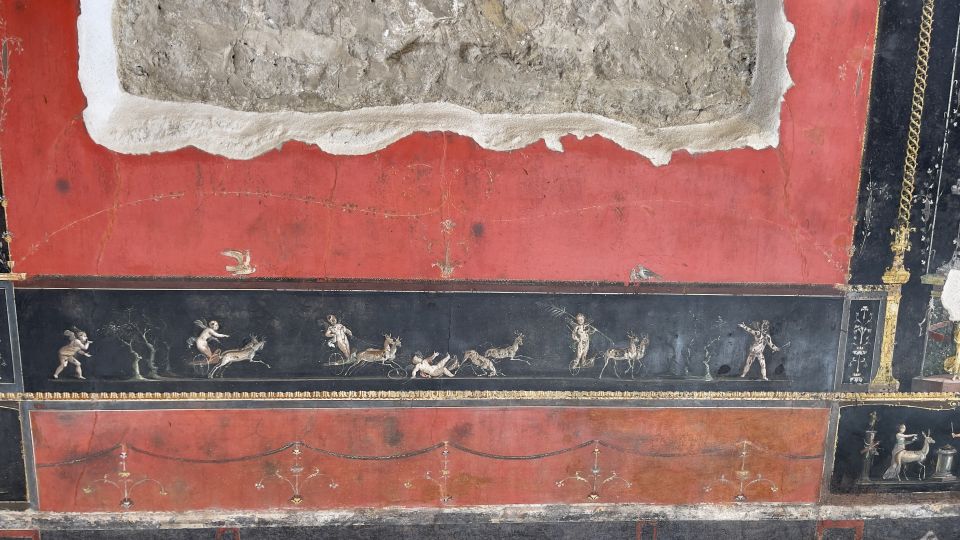
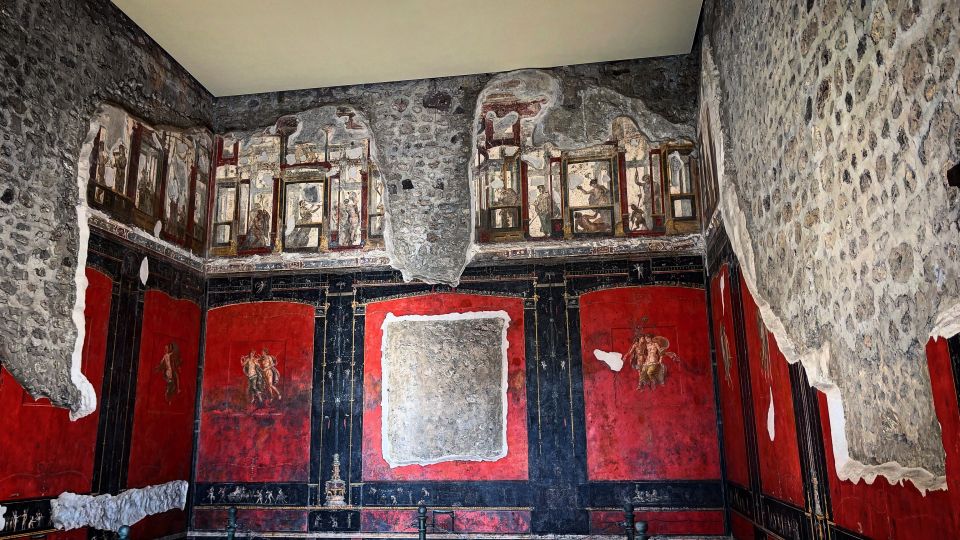
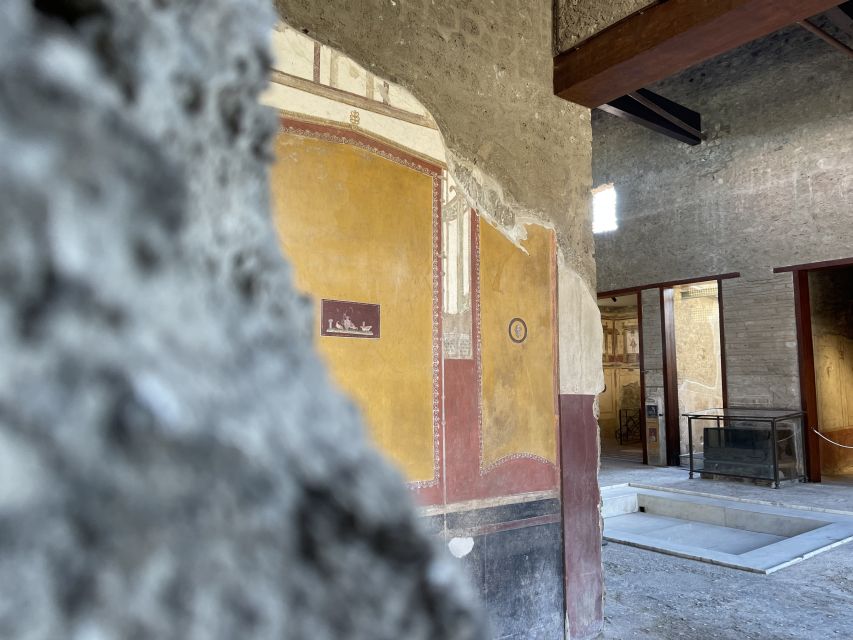
The star of the experience is the House of Vettii. This isn’t a rushed stop where you only snap photos and hurry away. The tour centers on the restored house and explains what you’re seeing—so the rooms and structure feel like a lived-in place, not just an exterior shell.
A big selling point is that the House of Vettii has been restored and reopened after 20 years. That detail is more than trivia. When a major portion of a site is newly available again, guides can often point out what’s newly visible or easier to interpret during the visit. In other words, you’re not only visiting Pompeii—you’re seeing one of its key residential spaces after a long reopening gap.
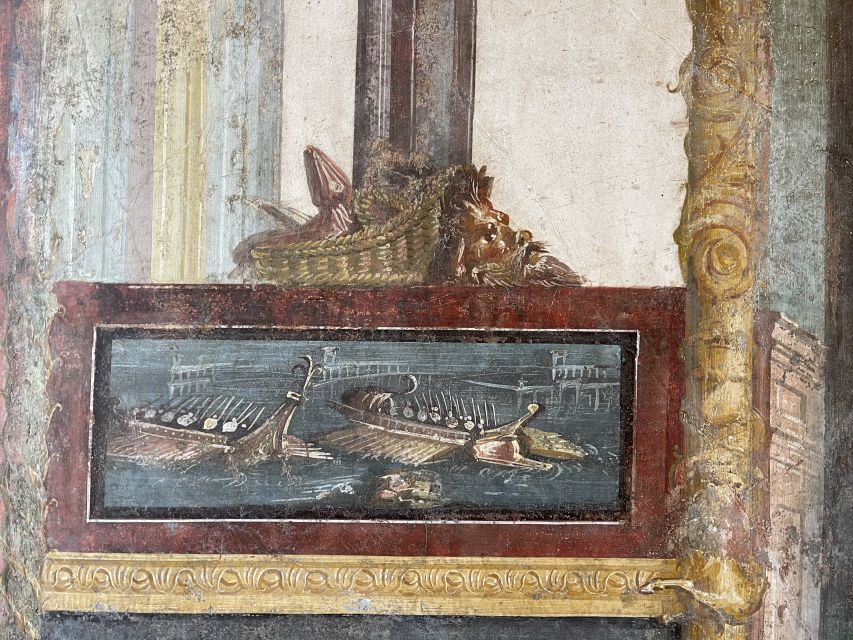
What you’ll get from the guide is a walkthrough of the house’s layout and what it says about its owners’ world. Even if you’ve read about Pompeii before, a guided explanation is the difference between scattered impressions and a clearer mental map of how Roman homes worked.
You can also read our reviews of more tours and experiences in Pompei Campania.


Walking Pompeii’s civic core: basilica, forum, baths, theatre
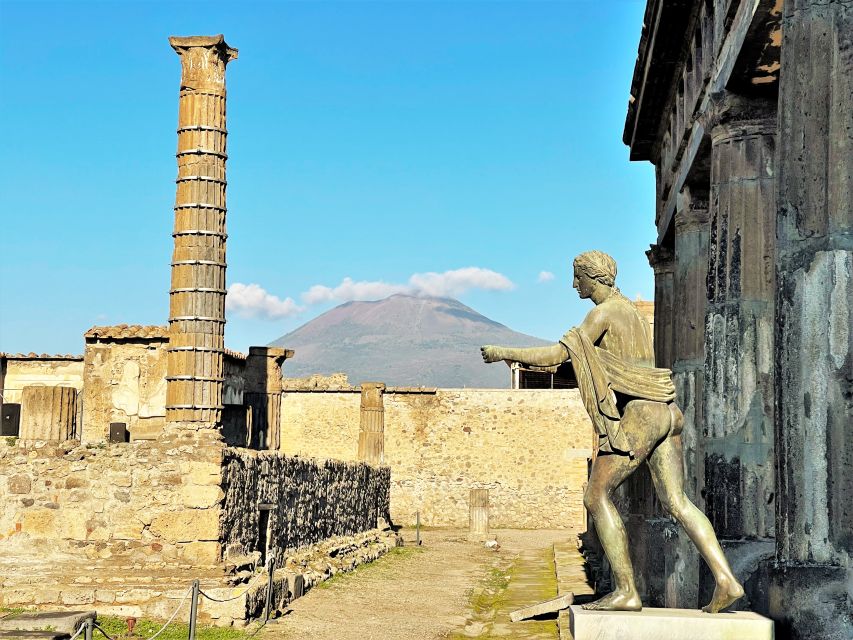
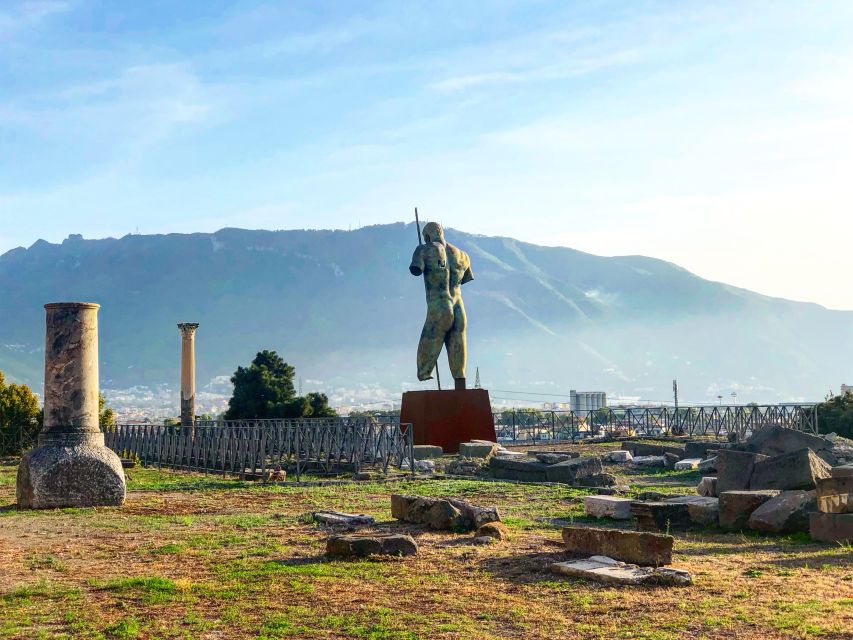
After you’re inside the Pompeii flow, the tour expands beyond the house. You’ll walk through the ancient streets and pass by buildings tied to civic life in Roman times. The listed highlights specifically include the Basilica, Forum, thermal baths, and theatre.
Here’s why those stops matter for you:
- The Basilica is one of the best cues for how public space worked—where people met, handled business, and moved through the city’s daily systems.
- The Forum is the name people remember for a reason. It’s the center of civic and social activity, so seeing it on foot helps you understand the city’s rhythm.
- Thermal baths show Pompeii wasn’t just politics and commerce. It was also routine social life, centered around bathing and gathering spaces.
- The theatre helps explain entertainment and public culture—another “daily life” layer beyond markets and homes.
The tour also points you toward what remains of commercial and residential neighborhoods. That combination is the real value: you’re not just staring at monuments. You’re learning how different parts of the city connected.
Before the eruption: putting 79 AD into perspective
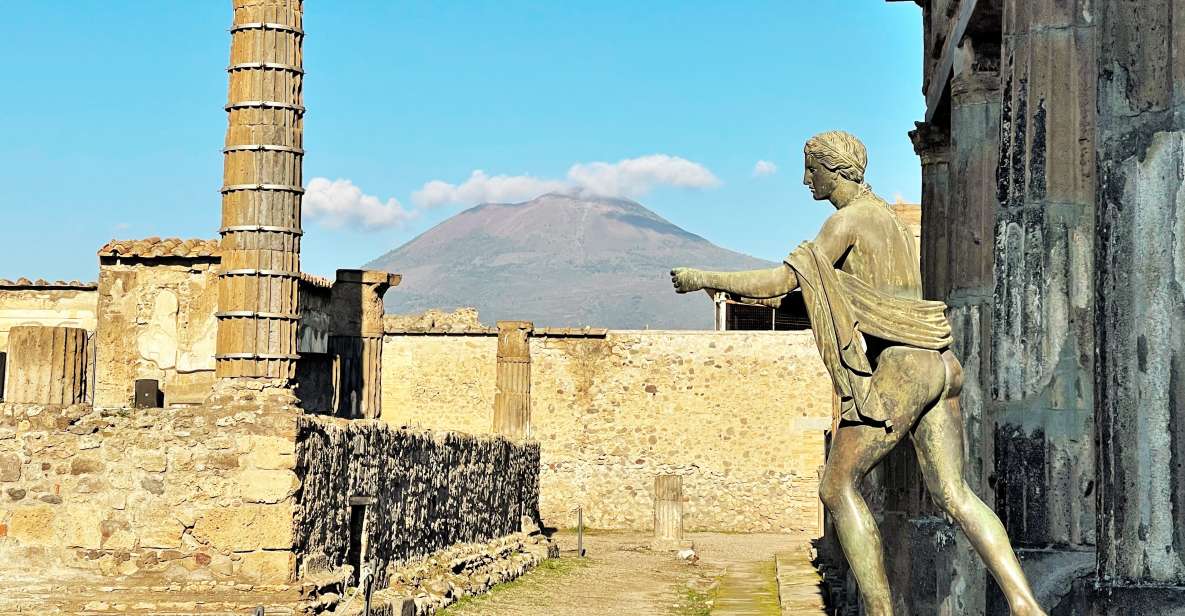
Pompeii hits hardest when you stop thinking of it as a museum-like ruin and start thinking of it as a functioning city. The tour’s framing is exactly that. You’ll learn what life was like before the catastrophic eruption of Vesuvius in 79 AD, then watch the physical city around you make that idea feel real.
This is where a guide earns their pay. Without context, ruins can look like “cool stone.” With context, those stones turn into clues. The tour is designed to help you connect:
- public spaces for civic routines,
- houses for private life,
- and the commercial areas where people would have spent time and money.
If you like understanding how ordinary people lived—what their days looked like, how they moved around the city, and how buildings served real functions—this tour format is a good fit. It’s not just architectural sightseeing. It’s a guided attempt to reconstruct how Pompeii worked.
Duration and pace: what the 2-hour promise really means
The activity listing describes a 2-hour duration. But the included details also mention a 3 hours tour. That’s not something to ignore.
So here’s how I’d handle it: treat the start time confirmation as the truth for your day, and keep an extra buffer in your schedule. Pompeii tours often run into real time pressure because walking paths, entrances, and crowd movement all affect pacing. If your day is tightly booked, give yourself slack.
The bigger point: the tour is short enough to feel efficient, but structured enough that you still cover the house plus key civic buildings. If you want a slower, deeper Pompeii experience, you might pair this with extra self-guided time before or after. If you want the highlights with clear guidance, this time window fits well.
Small-group format: hearing the guide without crowds swallowing you
This tour is set up as a small group with a maximum of 10 people. That’s genuinely useful in Pompeii. The site is busy, and ruination doesn’t create extra space—so a guide who can manage the group matters.
Languages listed are English and Italian, and the tour is described as a live guide. If you’re traveling with someone who likes to ask questions, small-group tours are usually where you feel the difference.
Now for the big reality check: this tour is not suitable for people with mobility impairments, wheelchair users, people with heart problems, or people with pre-existing medical conditions. Pompeii involves walking on uneven ground and long stretches without easy rest points, even if the itinerary is “just” two or three hours.
If you fall into any of those categories, skip this one. You’ll be happier choosing an option that explicitly supports your needs.



Value check: is $49 worth it?
At $49 per person, the value comes from what you’re buying, not just the price tag. You’re getting:
- guided interpretation,
- skip-the-line entry through a separate entrance,
- and a focused route centered on the House of Vettii and major civic areas.
Skip-the-line is the part you feel immediately. If you’ve ever dealt with Pompeii lines, you know time is the real currency. Add in a guide who explains what you’re seeing, and the tour becomes more than a shortcut—it becomes a learning shortcut.
What about the mixed feedback? The overall rating is 3.7 out of 5 based on three reviews. One review gave it 3 out of 5 after a late arrival situation. Another review gave it 5 out of 5 with a note indicating a private tour experience, but without many extra details. The takeaway: the experience can be excellent, especially when you’re on time and in the right group setup, but it’s not a “no-risk perfection machine.” Your punctuality matters.
What to bring and how to plan for entry day
You’ll want a passport or ID card, and a copy is accepted. Keep that handy for the start of your visit.
There’s also an important timing detail to know: on the first Sunday of each month, entrance is free of charge. The catch is that tickets can’t be reserved ahead of time, so entry isn’t guaranteed. If your dates land on that first Sunday, I’d treat this tour as a plan, not a certainty, and prepare for the possibility you may need backup arrangements.
For what to expect day-of: you’ll spend time walking ancient streets and moving between major site areas. Wear shoes you trust and assume you’ll be on your feet for the full duration of the tour (and possibly a little beyond, depending on the final pacing).
Should you book the Pompeii and House of Vettii tour?
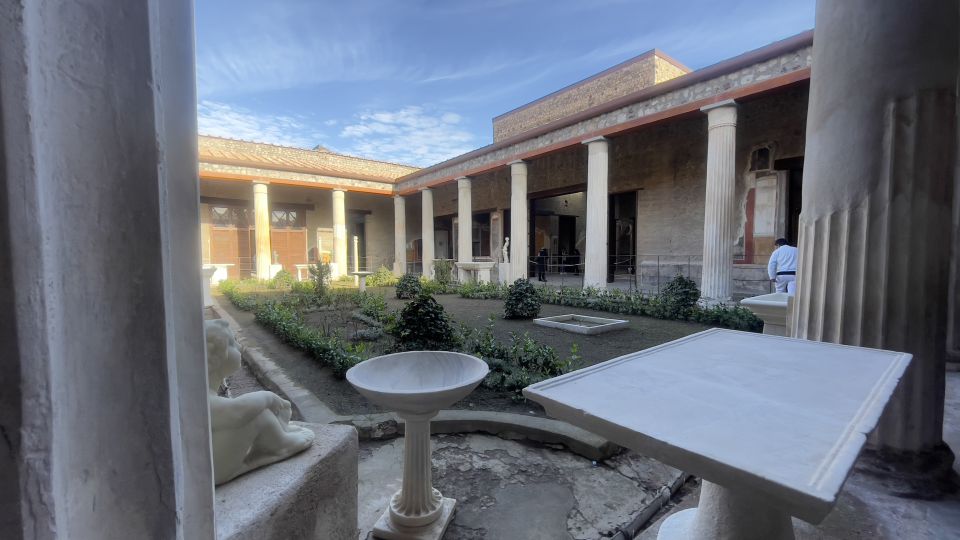
I’d book this if you want a guided Pompeii visit that’s built around a standout residential focus. The House of Vettii reopening after 20 years is a strong reason to go with a tour rather than wandering alone. The route through key civic structures—basilica, forum, baths, theatre—also gives you a fuller sense of how the city functioned.
I’d think twice if:
- you’re not confident about arriving on time (Pompeii tours don’t wait forever),
- you need accessibility support (this one is listed as not suitable for wheelchair users and people with certain medical conditions),
- or you want a longer, slower exploration. This is a tight time window, so you’ll likely want extra self-guided time if you’re a deep-dive type.
For most visitors who want the best use of a short stay, this tour is a practical way to see Pompeii with context instead of chaos.
FAQ
How long is the Pompeii and House of Vettii guided tour?
The duration is listed as 2 hours, but the included details also mention a 3 hours tour. Check your confirmation for the final duration for your time slot.
Does this tour include skip-the-line tickets?
Yes. You get skip-the-line access through a separate entrance.
What group size should I expect?
This is a small-group tour with a maximum of 10 people.
What will I see during the tour?
You’ll walk through Pompeii’s ancient streets, visit the House of Vettii, and also see major civic areas including the Basilica, the Forum, the thermal baths, and the theatre. The tour also covers remains of commercial and residential neighborhoods.
Is food included?
No. Food and drinks are not included.
What languages is the guide available in?
The tour guide is available in English and Italian.
Do I need ID to enter?
Yes. You should bring a passport or ID card. A copy is accepted.
Is hotel pickup or drop-off included?
No. Hotel pickup and drop-off are not included.
Is it free on the first Sunday of the month?
Entrance is free on the first Sunday of each month, but tickets can’t be reserved ahead of time, so entry is not guaranteed.
Is the tour suitable for wheelchair users or people with mobility issues?
No. It is not suitable for wheelchair users and people with mobility impairments, and it’s also listed as not suitable for people with heart problems or pre-existing medical conditions.