REVIEW · POMPEII
Pasta Cooking class in Pompeii
Book on Viator →Operated by Giardini Balestrieri · Bookable on Viator
A garden first. Then dough. Then dinner. This Pompeii-area pasta class is one of those rare food experiences that feels like you’re stepping into an Italian kitchen, not booking an attraction.
I like the small group size (max 10), because the host can actually slow down and teach you. I also like the way the day starts with what’s growing—your bruschetta comes from seasonal garden produce—so the cooking feels grounded in the place, not staged.
One thing to consider: the tour doesn’t include a transfer, and the meeting point is a specific address on Via Messigno, so you’ll want to plan how you’re getting there (or ask about transfer options).
In This Review
- Key Things That Make This Pasta Class Special
- A Small-Farm Welcome in Pompeii’s Shadow
- The Three Hours: From Garden Produce to Handmade Dough
- What You Actually Learn (Beyond Just Eating)
- The Starter: Bruschetta That Sets the Flavor Tone
- The Pasta Main: Handmade and Served Family-Style
- Dessert and the Sweet Finish
- Wine, Family, and the Vibe of a Real Household
- Location and Getting There: Via Messigno Is the Anchor
- Price and Value: Is $94.68 Worth It?
- Who This Pasta Class Works Best For
- A Few Things to Watch Before You Book
- Should You Book This Pompeii Pasta Cooking Class?
- FAQ
- How long is the pasta cooking class in Pompeii?
- What is the meeting point for the experience?
- Is the ticket mobile?
- What’s included in the sample menu?
- Is transfer included?
- How many people are in the group?
- What is the cancellation policy?
Key Things That Make This Pasta Class Special
- Family-style teaching in a real kitchen with handmade pasta techniques passed down through generations
- Garden-to-plate start, with seasonal vegetables for bruschetta before you roll dough
- Hands-on dough coaching, including how to mix and how the dough should feel
- Small group learning, capped at 10 people, plus a minimum of two travelers
- A full meal you eat together, including starter, fresh pasta, and a sweet of home
- Pompeii-area farm setting run by Giardini Balestrieri, near public transportation
A Small-Farm Welcome in Pompeii’s Shadow
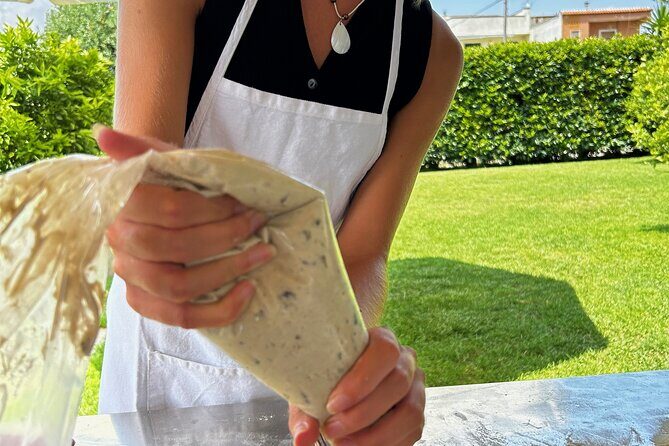
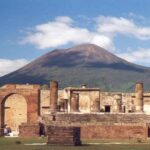
Pompeii isn’t only ruins. It’s also countryside life—quiet corners, gardens, and families that still cook the old way. This class takes you to that side of the region, with the meeting point on Via Messigno, 132, and the experience ending back there. It’s built around a home kitchen experience run by Giardini Balestrieri, not a big studio setup.
From the start, the vibe is personal. You’re invited into the host’s world: garden first, then into the house where you roll up your sleeves. The host describes the recipes as coming through generations, with a “watch my hands” style of instruction. That matters, because pasta isn’t complicated like a chemistry lab. It’s simple. But it is sensitive to feel, timing, and technique.
You also get a built-in advantage: you’re not trying to learn pasta basics while surrounded by crowds and noise. The group stays small, so you can ask questions and actually get corrections when you need them. That’s the difference between taking a cooking class that feels like a lecture and one that turns you into someone who can make pasta again later.
You can also read our reviews of more cooking classes in Pompeii
The Three Hours: From Garden Produce to Handmade Dough
The experience runs about 3 hours. In that time, you’ll move through a sequence that makes sense: ingredients, dough, then eating what you made.
First, you start in the small garden. This isn’t just a photo op. You’ll see what’s coming from the land and get a quick sense of what seasonal means here. The starter served is bruschetta with seasonal vegetables, specifically tied to the garden. When you taste it before cooking, it becomes a little flavor “preview” of what you’re working with.
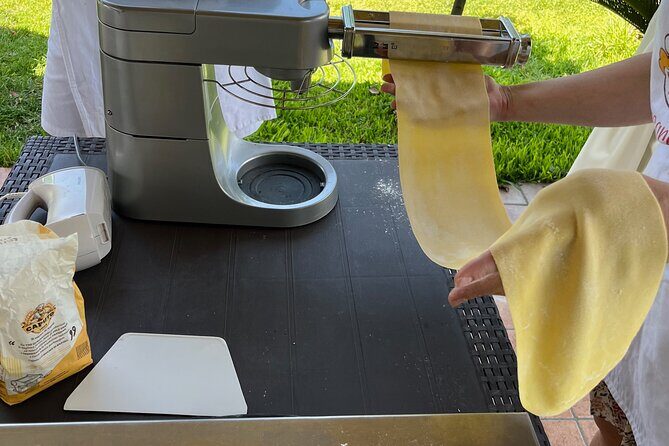
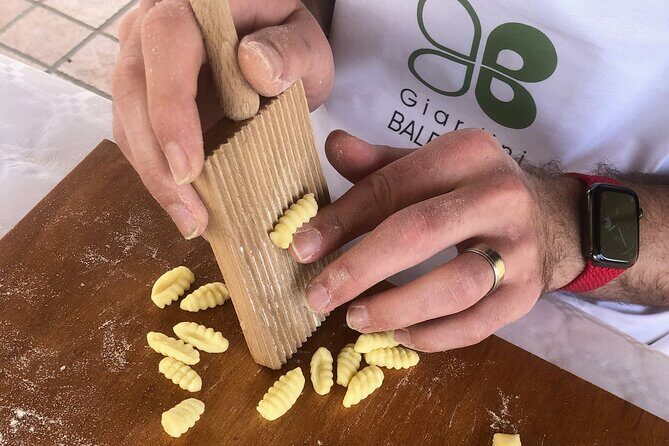
Next comes the kitchen portion—this is where the hands-on teaching kicks in. You’ll learn how to make handmade pasta using flour and eggs, following the approach the host learned from older family members. The key teaching points are practical and sensory:
- how to know when the dough is right (not just by measuring, but by touch)
- how to roll the dough out properly
- how to use a pasta machine effectively
Then you get to eat. The menu includes:
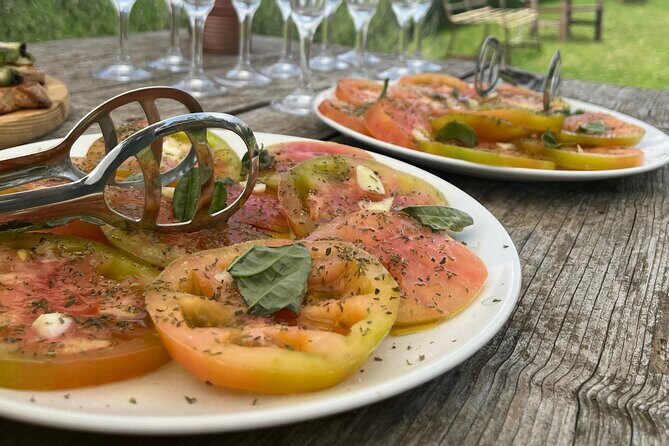
- Starter: bruschetta with seasonal vegetables from the garden
- Main: fresh pasta you prepare
- Dessert: sweet of home
It’s one of those “you don’t just watch” experiences. The meal is the endpoint, not an afterthought.
A note on what you may make: the class is described as handmade pasta, and at least one style mentioned is ravioli, plus fettuchini. What you end up forming can depend on how the session goes, but the focus stays consistent: learn core pasta technique, then sit down and eat.
What You Actually Learn (Beyond Just Eating)
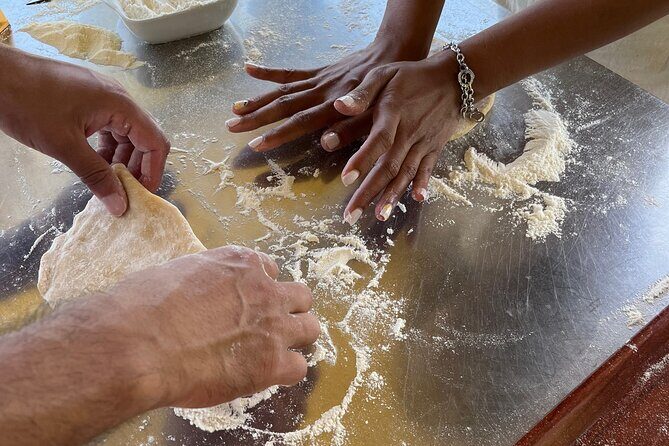
Lots of cooking classes teach you a recipe. This one teaches you technique. And technique is what makes the food you make later taste like you know what you’re doing.
Here are the skills that stand out in the way the host teaches:
- Dough feel: You learn how the dough should behave as it comes together. Pasta dough is forgiving, but it has “tells.” You’re shown what to look for and how to adjust instead of starting over blindly.
- Mixing and handling: You’ll be taught what to do with the flour and eggs and how to work the dough so it becomes smooth and rollable.
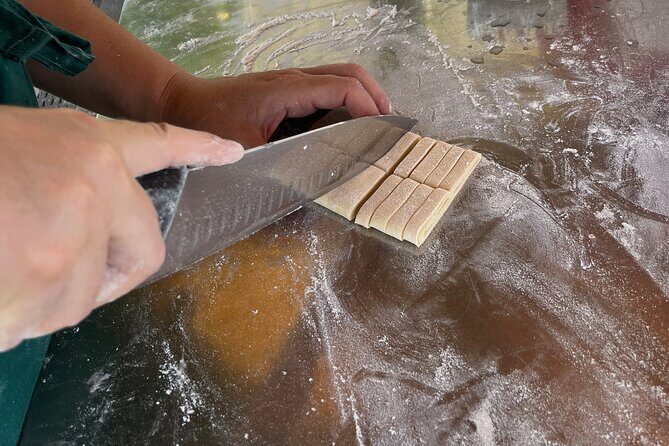
- Rolling the right thickness: Pasta quality is partly about evenness. You learn how to roll out in a way that works with the machine.
- Using the pasta machine: There’s a hands-on component with the pasta machine mentioned directly, so you’re not stuck doing everything by hand.
- Turning dough into shapes: At least one format discussed is ravioli—so you don’t only stop at sheets. You learn how to portion, fill, and seal.
And because it’s a family-style setting, you’re not just being taught by someone reciting steps. You’re guided as if the host expects you’ll learn quickly and then join the table with confidence.
One more practical benefit: you get to see how ingredients and tools affect texture. Flour choice affects dough behavior. Rolling and cutting affects bite. The host talks through flour use and mixing methods in a way that helps you build a mental model, not just copy a final shape.
The Starter: Bruschetta That Sets the Flavor Tone
The meal starts with bruschetta made with seasonal vegetables—and the vegetables are described as coming from the garden. That’s a nice trick, because it anchors the rest of the class.
Before you start cooking, you taste the garden. That makes the pasta class feel less like a stand-alone activity and more like a full meal with a clear logic. Bruschetta also helps you settle into the pace of the experience. You’re not thrown into dough immediately while everyone’s still figuring out where the kitchen tools are.
The bruschetta matters because it’s simple food, done well. You see how the host treats fresh produce, and you’re eating before you’re busy with the heavier prep steps.
If you love vegetable-forward Italian flavors, this starter gives you a quick hit of what “seasonal” means at ground level here.
The Pasta Main: Handmade and Served Family-Style
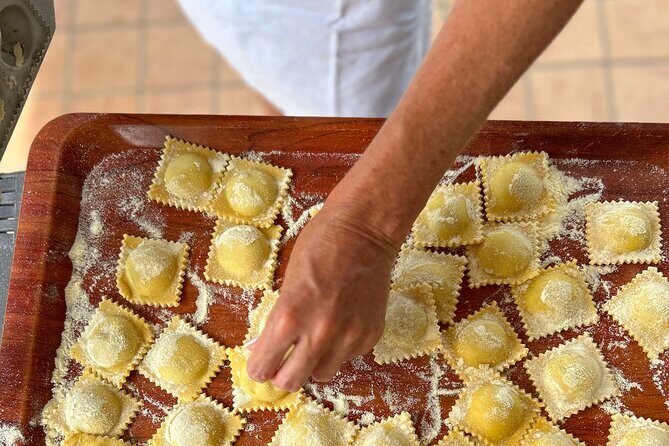
The main course is fresh pasta that you help prepare. It’s taught as handmade pasta, using flour and eggs, and you learn how to roll it and shape it.
In one session described, people made ravioli with a lemon sauce and also learned to make fettuchini. Even if your class focuses on a different pasta form, you can count on the core workflow:
- make or work dough
- roll it to the right thickness
- use the machine to help you get consistent results
- form your pasta
- cook it and eat it together
What makes this memorable is the teaching style. You’re shown what perfect dough feels like. You’re not stuck guessing. If you’ve ever tried making pasta from a video and ended up with dough that cracks or won’t roll, you’ll appreciate the focus on touch and adjustment.
And then comes the best part: the meal isn’t “here’s your tiny portion, thanks for coming.” You eat what you made, together at the table. That’s where the class becomes more than cooking. It becomes a social, shared experience.
Also, the setting feels open-air and calm compared with big group tours. You’re in the home/farm environment, not lined up in a kitchen with strangers. Small differences like that can change the whole experience.
You can also read our reviews of more tours and experiences in Pompeii
Dessert and the Sweet Finish
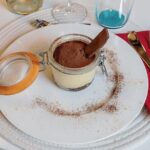
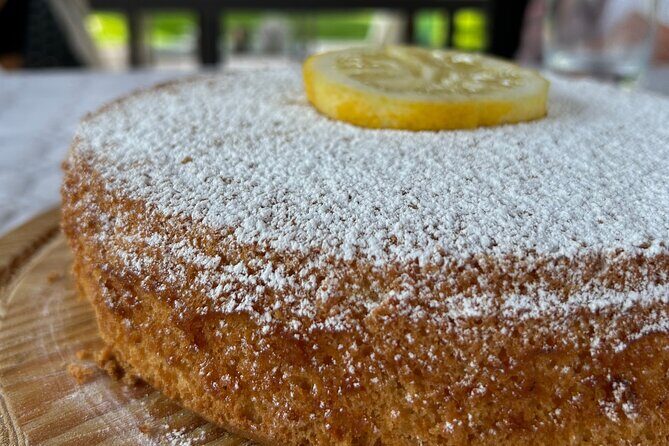
Dessert is listed as sweet of home. That’s not a marketing line; it’s exactly what you want to hear from a cooking class that’s about family recipes. Instead of an overproduced “tourist sweet,” you get something tied to the household.
This part is also important for pacing. Three hours can feel long if the energy stays intense the entire time. Dessert is the landing. It gives you a moment to talk, taste, and digest before you head back out.
If you’re the kind of traveler who likes to leave a class with your appetite satisfied and your hands still smelling faintly of flour, this timing works.
Wine, Family, and the Vibe of a Real Household
Food classes can drift into formality. This one leans the other way: family energy.
There are mentions of the host being warm and welcoming, with family members around during the experience. One session described meeting the host’s husband and kids, and even a cat named Gary. It sounds small, but it adds to the feeling that you’re not just paying for instruction—you’re being treated like part of the day.
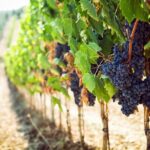
Wine also comes up. Gragnano wine is mentioned, tied to the host’s uncle’s vineyard. The experience is described as including wine with the meal, so if you’re someone who likes to pair your cooking with a regional drink, this is a plus.
Do keep this in mind: if wine is served, it can affect how you enjoy the rest of the class. It’s not a reason not to go. Just plan to take it slow and sip, not chug.
Location and Getting There: Via Messigno Is the Anchor
You meet at Via Messigno, 132, 80045 Pompei NA, Italy, and the tour ends back at that point. It’s near public transportation, which is helpful if you don’t want to rely on taxis all day.
Transfers are not included, but you can request a transfer if you ask for information. That’s the best move if you’re arriving without a car or you’re juggling Pompeii with other stops.
Because the meeting point is fixed, I recommend getting there a little early. In small classes, lateness can throw off the whole flow for everyone.
Price and Value: Is $94.68 Worth It?
The price is $94.68 per person for about 3 hours, with a mobile ticket.
Here’s how I think about value for this kind of class:
- You’re paying for hands-on instruction, not just eating.
- You get a full meal that includes starter, main, and dessert.
- You’re getting small-group attention (max 10), which reduces the “line up and wait” problem.
- You’re cooking with fresh ingredients tied to the garden, not generic supermarket items.
If you’re comparing it to a restaurant meal, sure, $94.68 is more than a plate of pasta. But it’s less than many “premium” cooking classes when you factor in the full meal, the instruction time, and the small-group setting.
It also comes with a payoff you can’t buy off a menu: the technique. If you actually enjoy cooking, you’ll leave with skills you can use at home, especially dough feel and rolling basics.
If you’re only looking for something to eat and you don’t care about learning, you might find it pricier than expected. But if you want a cooking lesson that turns into dinner, this price fits the experience.
Who This Pasta Class Works Best For
This is a great fit if you:
- like hands-on cooking and want a skill you can repeat later
- prefer small groups over big tours
- want a calmer, more local-feeling experience near Pompeii
- enjoy eating what you cook while it’s fresh
It’s also a strong option for families. One session described bringing children, and the kids said it was a highlight. The host’s warm teaching style likely helps with that, because pasta-making is visual and tactile, not just memorization.
If you want an activity that feels very “Italy at ground level” rather than “Italy in a tour group,” this does that well.
A Few Things to Watch Before You Book
There are a couple of practical considerations:
- There’s a minimum of two people needed for the experience. So if you’re traveling solo, plan accordingly.
- The class can cap at 10 travelers, which usually helps quality, but it also means dates may fill up.
- Transfer isn’t included. If you need one, ask about the transfer option and timing.
- The experience includes a meal and may include wine. If you have dietary restrictions, you’ll want to confirm what can be accommodated before booking. (Nothing specific is listed, so clarity matters.)
Good to know on logistics: confirmation is received at booking time, service animals are allowed, and it’s near public transportation.
Should You Book This Pompeii Pasta Cooking Class?
I’d book it if you’re hungry for an experience that’s part cooking lesson and part family meal, in a small group, with ingredients tied to the garden. The focus on dough feel, rolling technique, and using the pasta machine makes it more useful than classes where you only assemble a dish.
If you’re the type who just wants the easiest possible “thing to do” with no cooking involvement, you might feel a bit too involved. This is truly a learn-and-do experience.
My final advice: if pasta is on your wishlist and you want a calmer, more personal side of Pompeii, this one is worth your time—and your dinner appetite.
FAQ
How long is the pasta cooking class in Pompeii?
It runs about 3 hours.
What is the meeting point for the experience?
The start and end point is Via Messigno, 132, 80045 Pompei NA, Italy.
Is the ticket mobile?
Yes, the experience uses a mobile ticket.
What’s included in the sample menu?
You’ll have bruschetta with seasonal vegetables (starter), fresh pasta (main), and a sweet of home (dessert).
Is transfer included?
No. Transfers are not included, but you can request a transfer by asking for information.
How many people are in the group?
The maximum group size is 10 travelers.
What is the cancellation policy?
You can cancel for a full refund if you cancel at least 24 hours in advance of the experience start time, and cancellations are free.