Pompeii hits fast.
A guided visit to the Archaeological Park of Pompeii turns scattered ruins into a real picture of how people lived, shopped, prayed, bathed, and—on a grim note—perished during the 79 AD eruption of Vesuvius. This is a private, English-language tour that runs about 2 hours, so you get direction and context without wandering in circles.
What I like most is how the route gives you Roman home details you’d miss on your own, including painted frescoes, original mosaics, and plaster casts connected to the victims. I also like the presence of a strong guide—when your guide is Francesco, that personality and expertise can really sharpen what you see.
One key consideration: the Pompeii admission ticket is not included in the tour price. Plan for that up front, or you’ll lose time at the entrance.
In This Review
- Key highlights you’ll care about
- A focused Pompeii visit in just 2 hours
- Wealthy Roman homes: frescoes and mosaics you can actually place
- A small practical tip
- Roman shops and major temples: daily life meets public power
- Thermal baths: a look at leisure and routine
- The plaster casts of victims: the hard reality, explained
- Price and what you need to budget for
- Who this private Pompeii tour suits best
- Should you book this Pompeii tour?
- FAQ
- Is the Pompeii admission ticket included in this tour price?
- How long is the Exploring Pompeii tour?
- Is the tour offered in English?
- Is this tour private?
- What kind of fitness level do I need?
- What is the cancellation policy?
Key highlights you’ll care about
- Private group means you stay flexible and focused on your own questions
- Frescoes and original mosaics help you understand wealth and everyday tastes
- Roman shops and major temples connect domestic life with public space
- Thermal bath area shows how routine and leisure worked for wealthy residents
- Plaster casts of victims make the disaster section feel immediate, not abstract
A focused Pompeii visit in just 2 hours
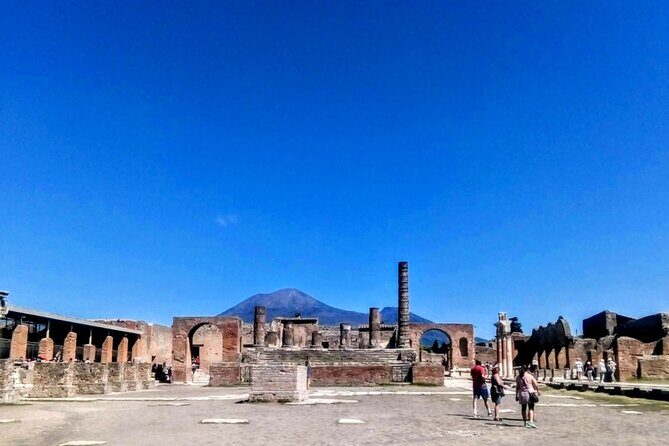
Pompeii is huge. If you try to see it all, you’ll end up seeing nothing clearly. This tour keeps things practical: about 2 hours inside the park, led in English, in a private format for your group. For many people, that shorter time window is actually a win. You leave with a coherent story, not a blur of street corners and doorway shapes.
You’ll want moderate physical fitness. The park involves walking on uneven ground and moving through dense ruin areas. Also, since it’s near public transportation, it’s easier to slot into a day that already includes other nearby stops.
If you’re coming for the big first-time hits, this structure fits. If you’re planning a slow day of your own exploration after the tour, you can use this guide time to get your bearings fast, then return later to linger.
You can also read our reviews of more tours and experiences in Pompeii.

Wealthy Roman homes: frescoes and mosaics you can actually place
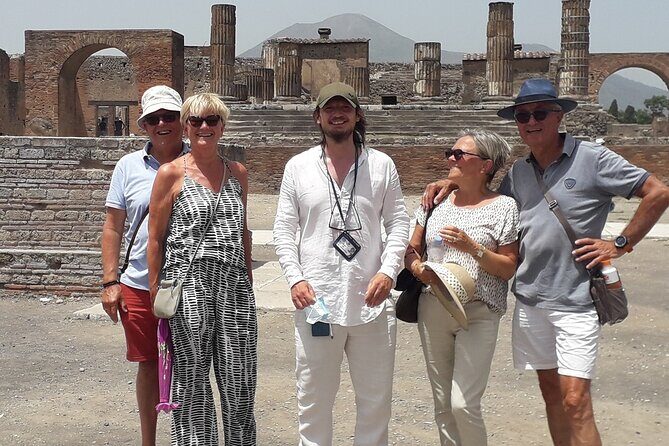
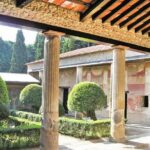
The core of the experience centers on Pompeii’s preserved private residences—homes that show how wealth looked in Roman daily life. You’ll have the chance to see painted frescoes and original mosaics, and the tour context matters because these aren’t just pretty pictures. They’re evidence of status, taste, and how people used space.
In a typical home, you’ll learn to recognize the difference between areas designed for public attention versus spaces that felt more personal. Frescoes often act like decoration, but the guide’s explanations help you see what they were trying to communicate. Mosaics, too, can be more than flooring; they can reflect identity and spending power.
And because this is a guided format, you get cues for where to look and what to notice. Pompeii can feel like a museum of fragments. Here, you’re being taught how to connect the fragments into something that resembles real rooms and real habits.
A small practical tip
Give your eyes a minute. Frescoes and mosaics can be easier to interpret once you slow down and look at the details the guide points out. Even in a 2-hour visit, that patience pays off.
Roman shops and major temples: daily life meets public power
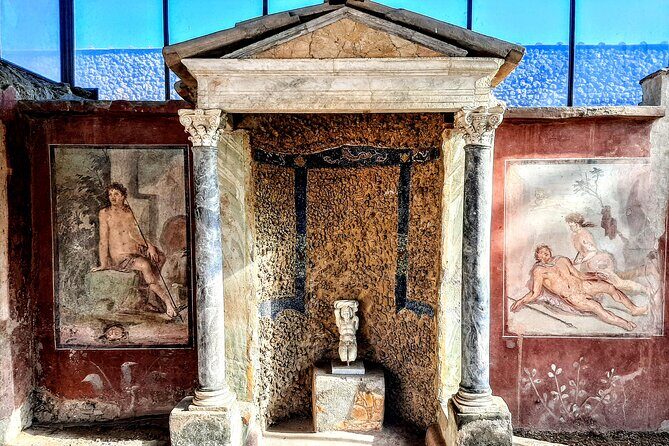
Pompeii wasn’t just a collection of homes. It was a working town with commerce and religion woven into everyday movement. During your time in the park, you’ll pass by Roman shops and see the most important temples, which is a smart pairing for a short tour.
Why this matters: houses explain how people lived, but shops and temples explain what drew people out of those houses in the first place. Shops also show the business side of town life—how goods moved, where customers likely gathered, and how the physical layout supported trade. Temples, on the other hand, help you understand the social order and shared beliefs that held the city together.
Without guidance, ruins can blur into “another set of walls.” With a guide, you start to pick up cause-and-effect: where people walked, where they gathered, and what they did when they weren’t at home.
Thermal baths: a look at leisure and routine
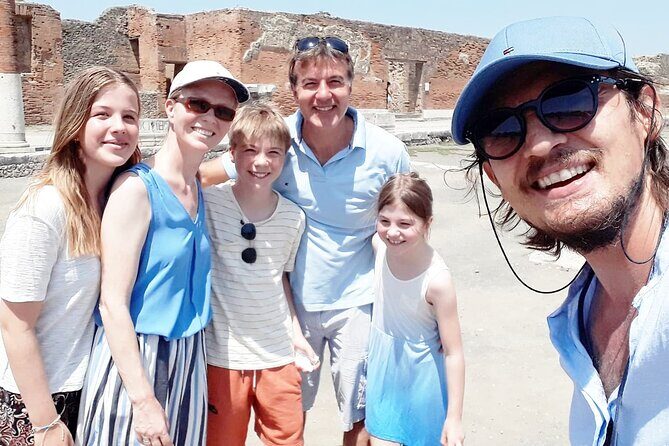
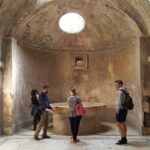
Pompeii’s thermal bath area is one of those spots that can change your understanding of the place. Baths were about more than cleaning. They were tied to routine, relaxation, and social life—especially for residents who had access and time.
On a shorter guided tour, you might not get the luxury of lingering like you could with a full-day plan. Still, the benefit here is interpretation. A bath area can look like a collection of rooms and corners until you learn what the spaces were for and why that mattered to daily rhythm.
It’s also a good contrast to the homes. You see how wealthy residents could structure their leisure and how the built environment supported that routine. If you’re the type of traveler who likes understanding how people lived beyond the disaster headlines, this is a strong stop.


The plaster casts of victims: the hard reality, explained
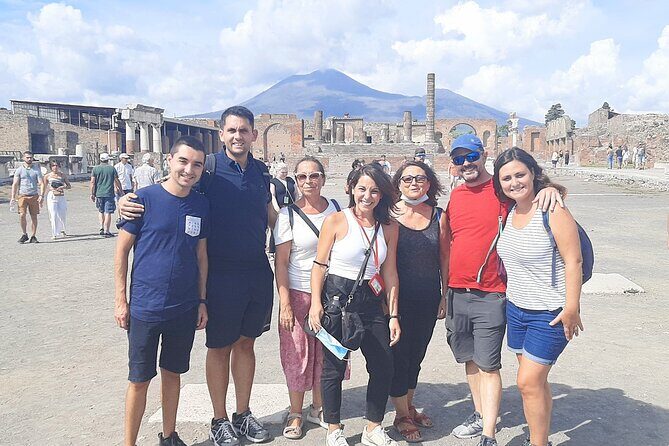
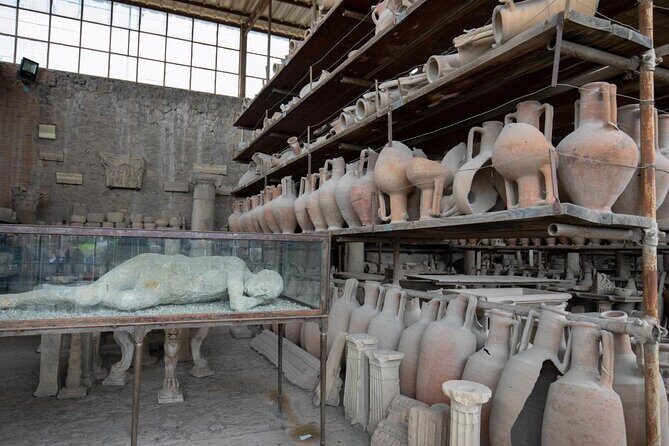
Then comes the emotional part: the plaster casts of the victims’ bodies. This isn’t a cheerful highlight, but it’s a crucial one for understanding Pompeii as more than scenery. The casts act like a bridge between history and human experience.
You’ll also get the key framing: the disaster happened during the eruption of Volcano Vesuvius in 79 AD. The tour treats it as a brutal reminder of the last moments of those who lived in the city.
A good guided visit helps you process what you’re seeing without turning it into a spectacle. In this case, the guide’s explanations are part of why people give the experience such strong marks, and it’s worth listening closely here. This section is often where people feel the weight of the whole day.
Price and what you need to budget for
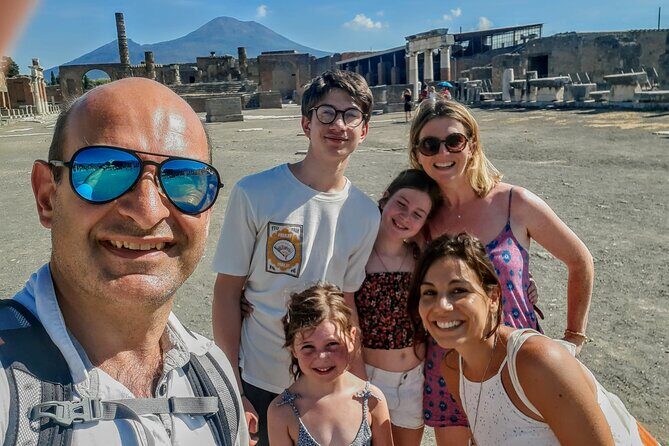
The tour price is $36.04 per person for about 2 hours, and it’s offered in English. That price can look like a bargain, but here’s the key point: admission tickets to Pompeii are not included.
So what’s the real value? You’re paying for guided interpretation—helping you identify what you’re looking at, connecting rooms to routines, and giving context around major sections like homes, shops, temples, baths, and the victim casts. If you’re arriving without a plan, a guide can save you time and reduce that frustrating feeling of seeing a famous place without understanding it.
If you already know Pompeii well and want total independence, you might prefer to self-guide and spend your time exactly where you want. But for first-timers, or for anyone who hates guessing, this format is often the smarter spend.
One more practical detail: the experience is described as requiring a minimum number of travelers, so if it cancels for that reason, you should be ready to switch dates or get a refund.
Who this private Pompeii tour suits best
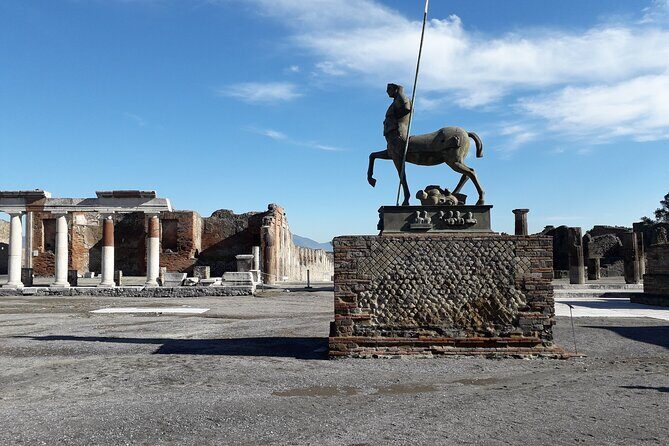
This setup is a good match if you want a clear structure in a short amount of time. Since it’s private, it also fits groups that want a bit more back-and-forth—your guide can adjust to your interests more easily than on a bigger group ride.
It’s also a good fit for travelers who:
- want high signal time in Pompeii rather than trying to cover everything
- like seeing art and architecture with context (frescoes, mosaics, home spaces)
- prefer a guide when the emotional content of the site matters
Because it requires moderate physical fitness, it’s not ideal if you expect very limited walking. The good news is it’s near public transportation, so you can plan a day with less hassle moving in and out of the area.
Service animals are allowed, which helps some travelers feel more comfortable planning ahead.
Should you book this Pompeii tour?
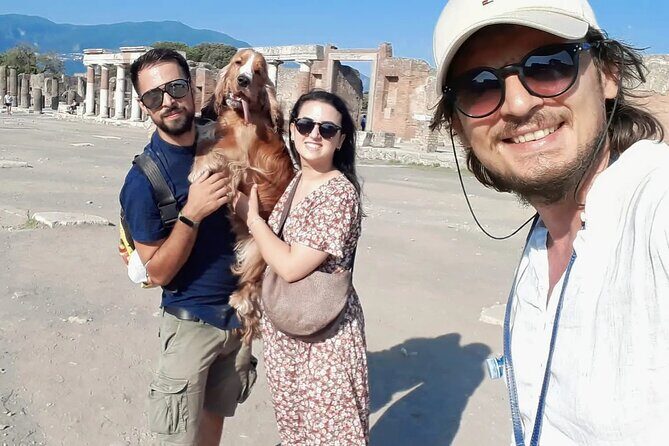
I’d book it if you want Pompeii to feel understandable in a short time and you like the idea of expert explanations guiding where you look. The standout strength is the way the tour time connects wealthy residences, public spaces, and the human cost of the disaster—so you don’t leave with just a list of sights.
I’d think twice if you dislike pre-planning. The big “gotcha” is that the Pompeii entry ticket is not included, so you’ll need to arrange that separately. If you’re the type who hates ticket logistics, you may want to build extra time into your schedule so you’re not stressed at the entrance.
If you can manage that ticket piece, this tour is a strong way to get real value out of limited time. At 2 hours, it’s long enough to matter and short enough to keep the day manageable.
FAQ
Is the Pompeii admission ticket included in this tour price?
No. The tour price does not include Pompeii admission tickets, so you’ll need to purchase those separately.
How long is the Exploring Pompeii tour?
The tour is about 2 hours (approximately).
Is the tour offered in English?
Yes, the tour is offered in English.
Is this tour private?
Yes. It’s listed as a private tour/activity, meaning only your group participates.
What kind of fitness level do I need?
You should have a moderate physical fitness level, since the experience involves walking around the park.
What is the cancellation policy?
You can cancel for a full refund if you cancel at least 24 hours before the experience starts. Free cancellation is available, and changes within 24 hours aren’t accepted.