REVIEW · POMPEII
Pompeii: living with the volcano
Book on Viator →Operated by Michele Arpa · Bookable on Viator
Pompeii feels close in this telling.
This private tour inside the Archaeological Park of Pompeii follows a day-in-the-life story set one day before the eruption of 79 AD, so the ruins feel less like stone piles and more like places with people who had routines. You walk streets, shop fronts, and public spots with an interpreter-like guide voice.
I especially love the way the route is paced like a story, not a checklist. And I really value Michele Arpa’s intimate English explanations, the kind that make symbols and everyday details click fast.
One thing to plan for: entrance tickets to the site aren’t included, so your final price will be a bit higher than the tour rate alone.
In This Review
- Key highlights
- Pompeii One Day Before 79 AD: What This Tour Really Shows
- Two Hours in the Archaeological Park: The Smart Pace
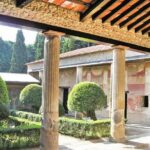
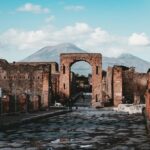
- Pompeii Streets and Shops: Seeing Ruins as Neighborhoods
- The Amphitheater Stop: Gladiator-Game Energy in Real Space
- Domus Luxury and First-Century Takeaway Life: Class, Food, and Lifestyle
- Reading the Politics in Stone: Civic Walls and Magistrate Candidates
- Spa Time and the Forum Square: Where People Relaxed and Met
- The Emotional Edge: Lives Frozen in Ash, Rebuilt by Archaeologists
- Michele Arpa’s English Guide Style: Why Private Helps
- Price and Value: What $33.36 Actually Buys
- Timing, Meeting Point, and Getting Ready
- Who This Tour Suits Best (and Who Might Skip)
- Should You Book This Pompeii Living With the Volcano Tour?
- FAQ
- How long is the Pompeii tour?
- Is this tour private?
- What language is the guide?
- Are the entrance tickets included?
- Where does the tour meet?
- Is the tour suitable for people with mobility difficulties?
- Is there free cancellation?
Key highlights
- A day-before-the-eruption storyline that frames everything you see
- English guide service tailored to your group, not a loud bus crowd
- Amphitheater + gladiator-era stops that help you picture what events meant
- Domus vs. take-away life that shows Pompeii’s class gap in real locations
- Public messaging and civic spaces, including the civil Forum square
Pompeii One Day Before 79 AD: What This Tour Really Shows
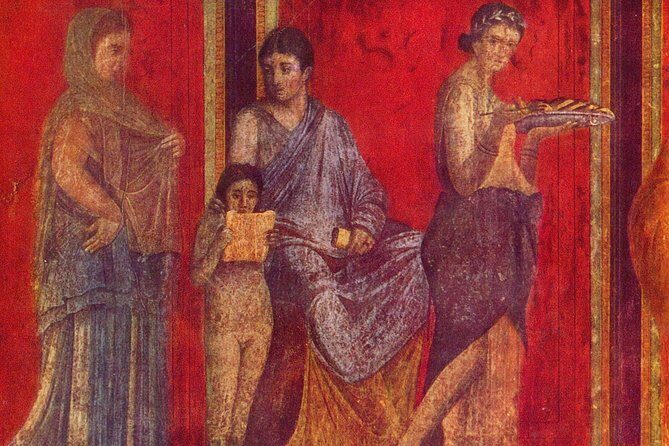
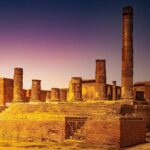
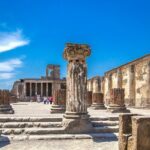
Pompeii hits hardest when you stop seeing it as disaster photos and start seeing it as a living town. This tour leans into that. You’re guided through the park as if you’re moving through the city with its rhythms still intact—shops, entertainment, politics, and a bit of leisure—right up to the edge of catastrophe.
What makes it work is the structure. Instead of saying, Here’s a building, there’s a caption, the tour turns key sites into moments. The amphitheater becomes an evening. Certain houses become a lesson in wealth. Even wall text turns into something like a political bulletin.
You get a sense of Pompeii as an advanced, organized society—then you also get the sobering reminder that archaeologists reconstruct last moments after volcanic ash froze life in place. That tension is the emotional backbone of the experience.
You can also read our reviews of more tours and experiences in Pompeii.

Two Hours in the Archaeological Park: The Smart Pace
This is an about 2-hour private outing, offered in English, with guide service included. That time limit is both a strength and a reality check.
The strength: it keeps the visit focused. Pompeii is big, and the temptation is to wander too much and see too little. Here, you follow a curated path that prioritizes the most “everyday life” feeling stops—public entertainment, home types, civic areas.
The reality check: if you want to linger for long stretches of reading, sketching, or slow photo stops, 2 hours can feel tight. The tour is designed to keep moving and explaining, so you’ll get meaning quickly, but you won’t have hours to roam on your own.
Pompeii Streets and Shops: Seeing Ruins as Neighborhoods
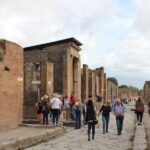
The first payoff is simply how the walking is framed. You’re not treated to isolated highlights. You’re guided through streets and shop areas as if you’re there the day before the eruption.
That matters because Pompeii is often photographed as monuments. But your brain learns more when you see how spaces relate: a street that leads you toward a civic area, a shop front that puts you in the mindset of commerce, and transitions from public to private.
Expect the guide to connect visible features to daily behaviors—where people gathered, how city life functioned, and how the built environment shaped routine. It’s the kind of perspective that makes you look again after you’ve moved on.
The Amphitheater Stop: Gladiator-Game Energy in Real Space
One of the most memorable parts is the visit to the theater area in Pompeii’s entertainment zone—described as an immense amphitheater where gladiator fights played a brutal role in public life.
Why it matters: the amphitheater isn’t just a cool structure to look at. It’s a way to understand what people did for entertainment, and how social life could be tied to spectacle.
When a guide helps you picture what a packed crowd meant—before you get lost in the geometry of seats and stones—you end up with a stronger sense of atmosphere. It’s also a good anchor point in the tour: people tend to remember the amphitheater as the moment Pompeii turns from background ruins into a place with real emotions.
Domus Luxury and First-Century Takeaway Life: Class, Food, and Lifestyle
This tour uses a smart contrast: it puts you in Pompeii’s different “life settings,” including how ordinary people might eat and how the wealthiest citizens experienced domestic comfort.
You’ll stop by areas described as:
- eating in a take-away setting tied to the 1st century BC
- visiting a luxurious domus linked to the richest households
I like this approach because it turns social class into something you can see and walk between. You’re not being asked to memorize labels. You’re being shown how wealth and everyday needs likely shaped choices—where people spent time, how homes functioned, and what daily life meant depending on who you were.
It’s a subtle education. You start to understand Pompeii as a society with differences built into the architecture and space planning.

Reading the Politics in Stone: Civic Walls and Magistrate Candidates

Another standout element is the idea of politics being visible right inside the city. The tour includes a stop where you read on walls the names of candidates for magistrates’ elections.
This is one of those Pompeii moments that turns history into something human. Elections aren’t just modern things. In Pompeii, civic life had public visibility. Seeing those candidates in context—where people would walk, talk, and pass by—helps you imagine the pulse of the city: people checking updates, discussing leadership, and treating governance as part of normal life.
Even if you’re not a history nerd, this kind of stop can change how you interpret the ruins. It gives you a reason to care about the small markings and text fragments you might otherwise breeze past.
Spa Time and the Forum Square: Where People Relaxed and Met
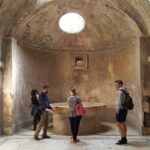
After the entertainment and the civic markers, the tour shifts into a more everyday rhythm with a moment at the spa, described as a relaxation stop.
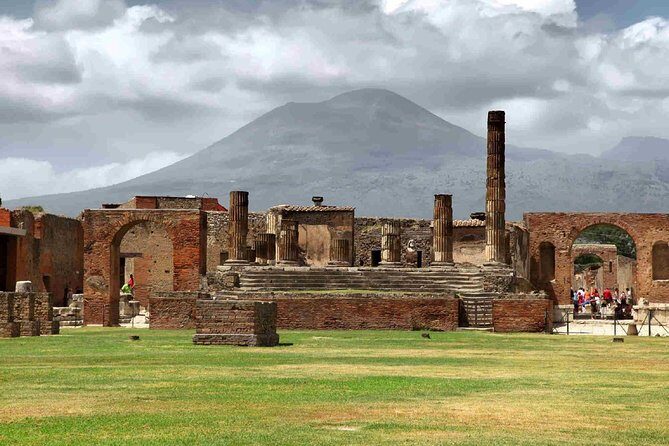
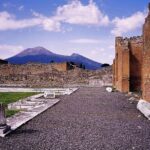
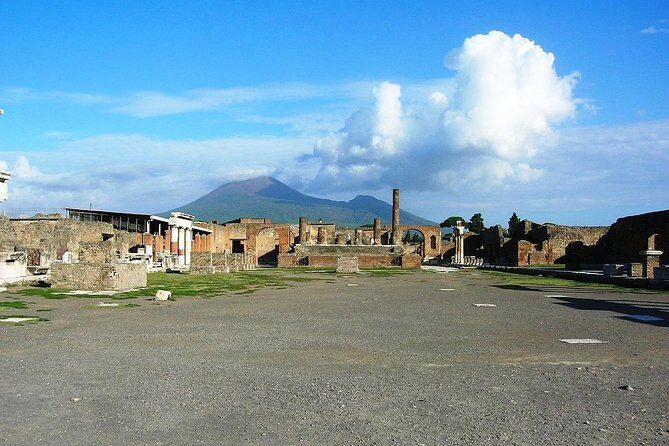
Then you move to the splendid square of the civil Forum. This is a key Pompeii experience because the Forum areas tend to represent civic identity: where people gathered, where the city organized itself, and where “public life” became real.
I like the sequence. It mirrors how a day might flow: entertainment, daily routines, civic engagement, and then a reset—followed by another communal space. By the time you reach the civil Forum square, you’ve already learned how the city worked, not just what existed.
The Emotional Edge: Lives Frozen in Ash, Rebuilt by Archaeologists
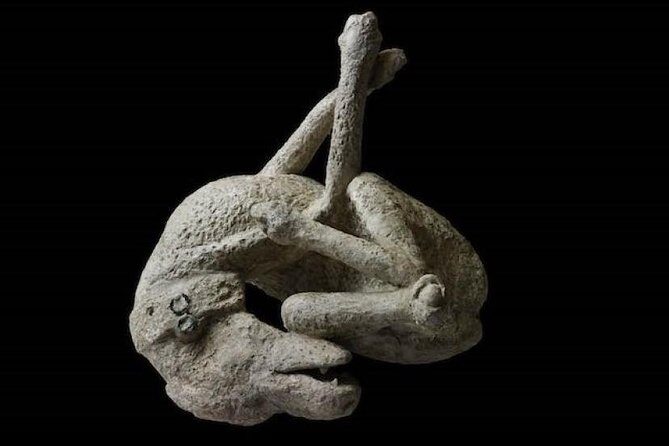
The tour doesn’t shy away from the ending of the day-before-life story. You also get the moment of remembrance for Pompeians who lost their lives during the frantic hours covered by volcanic ash, and how archaeologists’ work helps fix those last moments of life into something we can understand today.
This is where Pompeii can feel heavy, but not hopeless. A good guide keeps it grounded: you’re not only looking at tragedy. You’re seeing the scale of a community and the fact that thousands of lives were part of the ordinary routine that the eruption interrupted.
If you’re the kind of traveler who wants meaning, this is one of the best ways to get it without turning the ruins into pure spectacle.
Michele Arpa’s English Guide Style: Why Private Helps
The experience is private, meaning only your group participates. That’s a big deal in Pompeii, because the park is made for walking and noticing, but most tours can feel rushed or too group-driven.
This is where Michele Arpa’s style matters. The tour is described as making Pompeii come alive, and that’s exactly what you hope for in a one-time visit. A passionate guide can connect small clues to human behavior, and can also read the room—adjusting how fast you move depending on your questions.
There’s also a practical bonus. One of the most helpful things in the reviews is how Michele is described as proactive and supportive beyond just pointing at stones. In real travel, that kind of care changes the day: it’s easier to navigate the short jump between Naples and Pompeii, and you’re not left alone if something small goes wrong.
Price and Value: What $33.36 Actually Buys
The tour price is $33.36 per person, and the guide service is included.
Entrance tickets are not included. So your total cost will depend on what you pay for site admission when you arrive (or when you buy ahead, if available). Even so, this can still be good value because:
- you’re paying for a guide to organize the park into a meaningful route
- you get an English explanation built around daily life, not just a list of monuments
- it’s private, so you’re not splitting attention with strangers
Think of the ticket as covering entry to see Pompeii. The tour rate is covering the mental translation—how the city’s spaces fit together and what they likely meant.
If you’re someone who tends to get lost in ruins without context, you’ll feel the value quickly.
Timing, Meeting Point, and Getting Ready
You start at the Archaeological Park of Pompeii (80045 Pompei), and the tour ends back at the meeting point.
Operating hours shown are 9:30 AM to 11:30 AM in the date range listed. So you’re looking at a morning slot that works well if you want the rest of your day for Naples, lunch, or a follow-up visit.
Because the roads and park approach can be tricky, the tour notes moderate physical fitness and says it’s not recommended for visitors with mobility difficulties due to the state of roads. If that applies to you, it’s worth considering a different format or a different meeting strategy.
What to bring is the usual Pompeii kit: comfortable walking shoes, water, and sun protection. The tour is short, but you’re still on your feet for long stretches.
Who This Tour Suits Best (and Who Might Skip)
This experience is a strong match if you want:
- an English private guide who can explain as you walk
- a story-led route that focuses on day-to-day life
- a way to understand social class and civic space in a single session
- a visit that feels focused rather than chaotic
It’s less ideal if you:
- need step-by-step mobility support (the note about roads is a real constraint)
- want to spend many hours exploring without structure
- prefer audio-only or self-guided pacing
If you’re traveling as a couple, a family group, or a small group of friends, private tours often make the difference between seeing Pompeii and actually understanding it.
Should You Book This Pompeii Living With the Volcano Tour?
If your goal is meaning over wandering, I’d book it. You’re getting a story framework that helps you translate Pompeii’s spaces into daily life—entertainment, homes, politics, leisure—and you do it in a time window that’s realistic.
Before you go, do the math on the missing piece: site admission tickets. Once you factor that in, the guide service feels like the core value.
If Pompeii feels overwhelming, this tour gives you a route you can follow and a narrative that keeps you oriented. And if you care about how ordinary people lived in 79 AD, this is one of the best ways to see it without getting lost in the sheer size of the park.
FAQ
How long is the Pompeii tour?
The tour lasts about 2 hours.
Is this tour private?
Yes. It is a private tour/activity, and only your group participates.
What language is the guide?
The tour is offered in English.
Are the entrance tickets included?
No. Admission tickets to the site are not included.
Where does the tour meet?
You start at the Archaeological Park of Pompeii, 80045 Pompei, Metropolitan City of Naples, Italy.
Is the tour suitable for people with mobility difficulties?
The experience notes moderate physical fitness and says it is not recommended for visitors with mobility difficulties due to the state of the roads.
Is there free cancellation?
Yes. You can cancel for a full refund up to 24 hours in advance of the experience’s start time.