REVIEW · NAPLES
Skip the Line Herculaneum Ruins Ticket
Book on Viator →Operated by Askos Tours · Bookable on Viator
Buried cities still feel unreal. Here, Herculaneum was covered by Mt. Vesuvius in AD 79, and the volcanic mud and dust helped preserve homes and details you usually never see in ruins. I love the feeling of walking through a buried Roman neighborhood where everyday life comes back through mosaics, frescoes, and house layouts.
The ticket also does one thing right: it’s self-paced, so you can set your own rhythm instead of being herded. I like that the route focuses on standout spots like the House of the Skeleton, Roman bathing areas, and famous houses—then gives you time blocks to actually look. One drawback to keep in mind: the skip-the-line promise can be inconsistent at the gate, so plan to stay flexible if you still have to queue for ticket checks.
In This Review
- Key highlights you’ll care about
- A Buried Roman Neighborhood You Can Walk Through
- Skip-the-Line Reality at the Entrance in Ercolano
- Your 4.5-Hour Route Through Herculaneum’s Houses and Baths
- Mosaics, Terraces, and Wooden Details (Stops 1–7)
- The Big Rooms: Skeleton, Courtyards, Thermal Baths, and the Boat Salone (Stops 8–14)
- Photo Tips, Heat Management, and Sticking to Your Route
- Price and Value of a $25 Herculaneum Entry Ticket
- When This Ticket Is the Right Fit (and When to Choose a Guide)
- FAQ
- How long is the Herculaneum visit with this ticket?
- What time does the activity start?
- Is a guide included?
- Can I choose my entrance time?
- Where is the meeting point?
- Is food or drinks included?
- What is the cancellation policy?
- Are service animals allowed?
- Should You Book This Herculaneum Skip-the-Line Ticket?
Key highlights you’ll care about
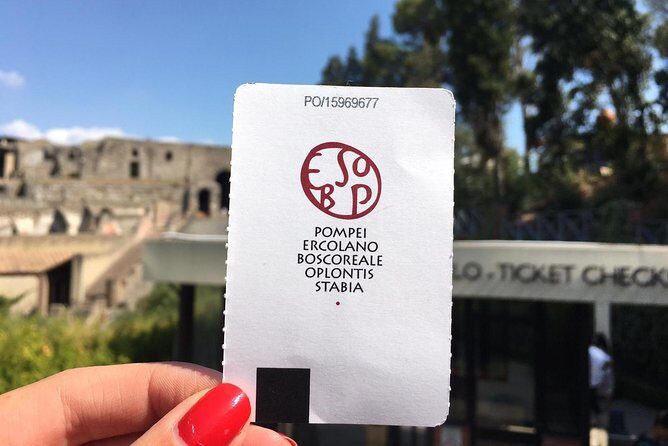
- Skip-the-line entry to Ercolano’s archaeological site without booking a full guided tour
- A focused walk of major houses and rooms, from mosaics to baths
- House of the Skeleton and other names you’ll want to see in person
- Multiple entry times when you book, which helps you beat crowds or heat
- Small max group size (15 travelers) for a calmer site experience
- A visit that’s easy to shape to your pace, from quick passes to slower reading
A Buried Roman Neighborhood You Can Walk Through
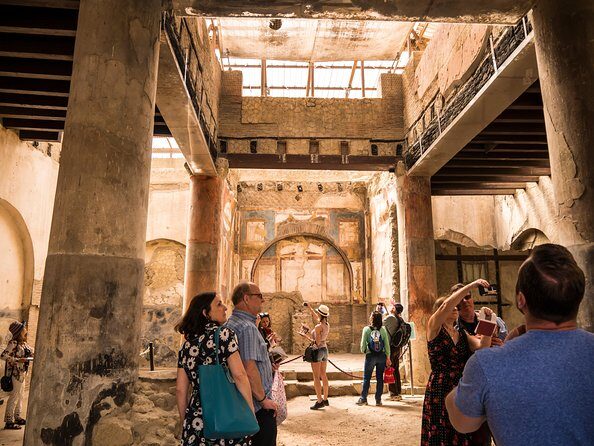
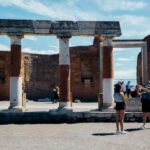
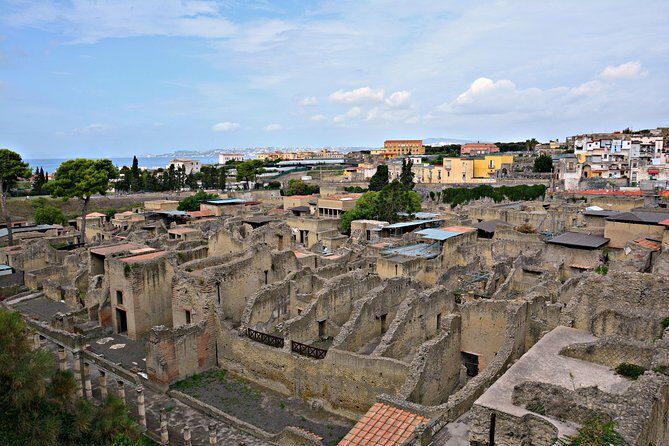
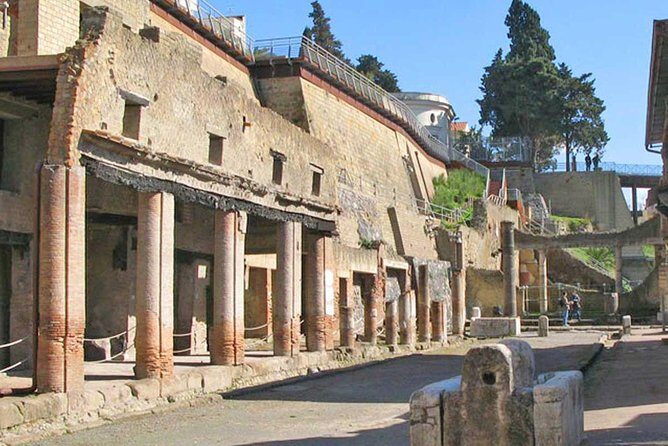
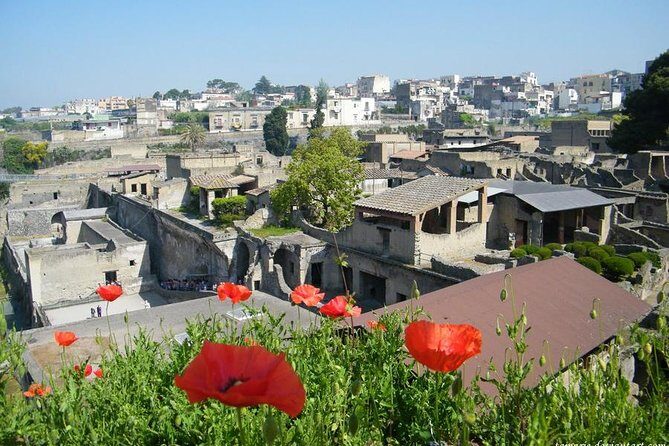
Herculaneum (also called Ercolano) is one of those places that instantly changes your idea of what “ruins” means. Pompeii often gets the spotlight, but Herculaneum’s preservation is different—you get a stronger sense of interiors and daily life, not just streets and columns. The big reason is the AD 79 eruption: the city was buried and then preserved under volcanic mud and dust for centuries.
You’ll be wandering through a Roman world that still feels arranged. That matters because the site isn’t just piles of stone; it’s houses, terraces, courtyards, and bath areas with recognizable spaces. And when you find the famous rooms—like the House of the Skeleton—you can see why people remember this place long after they’ve moved on from Naples.
If you’re the type who likes to understand what people did day to day—eating, bathing, working, hosting—Herculaneum fits you well. It’s built for slow looking, even though your ticket keeps the timing structured.
You can also read our reviews of more tours and experiences in Naples


Skip-the-Line Reality at the Entrance in Ercolano
This ticket is sold as skip-the-line entry, and in many cases it helps. The value is simple: you pay to reduce waiting at the main entrance so you can start the ruins walk sooner.
But here’s the part to take seriously: one experience described the skip-the-line setup as not fully separate. The scanner didn’t read their e-ticket barcodes, and they had to queue like everyone else to get paper tickets issued. That doesn’t mean your experience will be the same, but it’s a real heads-up.
My practical takeaway: show up with everything ready. Keep your confirmation and voucher details easy to access (printed if you can), and assume the site staff might still need to convert your ticket at the gate. The good news is that once you’re past the entrance barrier, the site itself is manageable, and you can move at your pace.
Also note the timing advantage: you can choose from entrance times when you book. If you’re heat-sensitive or want fewer people around the big rooms, picking a smarter entry slot is often more useful than betting everything on the skip-the-line.
Your 4.5-Hour Route Through Herculaneum’s Houses and Baths
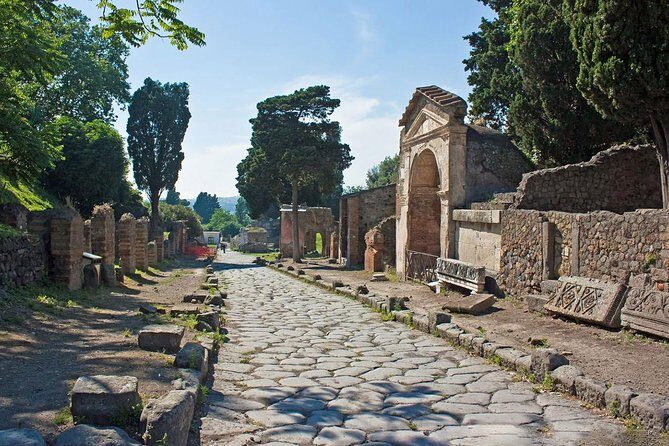
Plan on about 4 hours 30 minutes (approx.) for the visit. The itinerary is built around a sequence of stops, each one roughly 10–15 minutes, which means you can cover a lot without getting lost.
This structure is useful in a place like Herculaneum, where the names sound like a quiz but the spaces are visual. You’ll move from mosaics and terraces through houses with distinctive features, then into rooms tied to daily life—especially bathing and social routines.
The included stops also cover the kinds of highlights that people talk about: the House of the Skeleton, the Central Thermae (thermal baths), the wooden partition house, and the Salon of the Boat. You’re basically walking a curated route through different “types” of Roman spaces: home interiors, household innovation, leisure areas, and public-facing rooms.
Just remember: if you pause a lot for photos, add time to your plan. A handful of the stop windows can feel short if you want to read every interpretive sign.
Mosaics, Terraces, and Wooden Details (Stops 1–7)
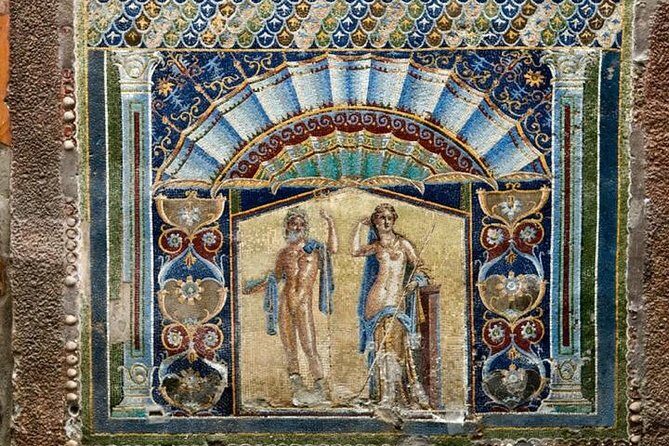
Start at House of Neptune and Amphitrite. This is where the mosaic world shows up early, and you’ll get a quick sense of how important decoration was in Roman homes. Even if you only catch it for a short look, it helps set the tone for what you’ll be seeing across the site.
Next is La Terrazza di M. Nonio Balbo (the Terrace of M. Nonio Balbo). Terraces are where you can imagine daily rhythms—light, views, and a place to gather. Short stop time works here because the space is visual, but take a moment to look at the layout from more than one angle.
Then go to Casa del Rilievo di Telefo. Reliefs like the one tied to Telephus are a reminder that Roman decoration wasn’t only flat art. A quick 15 minutes is enough to appreciate the idea, even if you come back later mentally and realize you should have lingered.
After that, you’ll see Partem Domus lignea – Casa del Tramezzo di Legno, the wooden partition house. This is one of the reason Herculaneum feels different: you can sense construction details that are harder to visualize elsewhere. If you like architecture or material history, this is a satisfying stop.
House of the Deer is next. Animal imagery in Roman art is common, but here the name tells you it’s prominent enough to be remembered. Treat this as a “look closely” moment—mosaics and decorative scenes often reward slower viewing.
Then you reach College of the Augustales. This is a social and religious angle on the city—more communal than a private home. Since your time is brief, focus on what makes the room feel like a gathering place rather than a residence.
Finally for this half of the route, visit House of the Black Salon (Salon of Nero). The name alone is attention-grabbing, and the space gives you a sense of how strongly Roman households could signal status. Even if you don’t spend long here, it’s a good pivot into the more dramatic standout areas later.
The Big Rooms: Skeleton, Courtyards, Thermal Baths, and the Boat Salone (Stops 8–14)
Now you hit the stops that many people consider the emotional core of the visit. First up: House of the Skeleton. This is the kind of room you immediately understand visually, even if you don’t know every detail of the story. It’s a powerful reminder that art and everyday life can mix in unexpected ways.
Next is Casa Sannitica (the Samnite House). This is where you get a sense of cultural layers and changing influences in the region. The stop is timed to keep you moving, so use it to look for distinctive layout choices rather than trying to master everything in one pass.
Then visit Central Thermae, the main thermal baths. Bathing spaces are where Roman culture becomes practical—you can imagine routines around warmth, water, and relaxation. A 15-minute visit won’t turn you into a bath expert, but it’s enough time to understand why these rooms were central to daily life.
Keep going with Casa del Bel Cortile (the House of the Fine Courtyard). Courtyards are key because they show how light and open space shaped home life. This is also a great stop for photos, since courtyards give you “frames” for the ruins.
After that, go to House of Galba / House with the Large Doorway. The doorway is the point here. Big entrances in Roman homes weren’t just about looks—they signaled importance and set expectations the moment you arrived.
Then you’ll reach House of the Grand Portal as another stop that reinforces that idea of scale and ceremony. If you’ve been focusing on mosaics and reliefs up to now, these doorway-focused rooms give your eyes a new job: sense the home’s presence in the street-facing world.
End with Salone della Barca di Ercolano (the Salon of the Boat). This one is a memorable final stop because it feels like a “moment” rather than just another room. It helps explain how preserved objects and unusual spaces can make Herculaneum more than stone—more like a recovered snapshot of a living city.
If you manage your pace well, this order makes sense: you build curiosity through smaller art details, then land on the dramatic rooms near the end.
You can also read our reviews of more tours and experiences in Naples

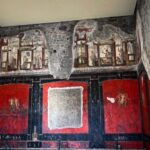
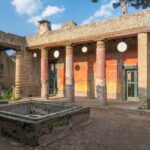
Photo Tips, Heat Management, and Sticking to Your Route
Herculaneum can be hot, especially when the day is bright. One of the best practical moves is to use your entry time selection to avoid the worst conditions. If you’re going in summer, leaving the later afternoon for Naples or another cooler break can help you enjoy the ruins instead of surviving them.
Because the itinerary is structured into short windows, you’ll get better results if you choose your “must-see” list ahead of time. I’d pick 3–5 names and commit to them—like the House of the Skeleton, the Central Thermae, and the boat room—then treat the rest as bonuses you’re lucky to catch.
For photos, don’t just shoot from the first spot you find. In many ruins, the best angle comes from stepping slightly to the side for a fuller view of mosaic patterns or doorway framing. When the site isn’t packed, you’ll have more room to do that calmly.
One more tip from the field: the skip-the-line system can be a little messy at the gate. If you want your photos and calm pace, show up early enough to handle any ticket conversion without panicking.
Price and Value of a $25 Herculaneum Entry Ticket
At about $25, this is priced like an entry ticket, not like a full tour package. That can be a good thing for you if you want flexibility and you’re comfortable exploring at your own pace.
The value hinges on two parts:
1) you avoid main entrance waiting, and
2) you get access to a compact route packed with recognizable highlights.
This isn’t a “sit and listen” experience. Since guidance isn’t included, you’ll get the most from preparation on your side: a map, a short list of what you want to see, and a willingness to look carefully at what’s preserved.
There’s also a reality check worth making. One review noted that in low season, the queue was negligible—meaning skip-the-line might not be worth it if crowds are light. Still, you can treat this ticket as insurance against unpredictable lines at peak times.
Given a strong overall rating (4.6) and a high recommendation rate (93%), it looks like most people come away feeling they got what they paid for—especially because Herculaneum is quieter and more personal than Pompeii for many visitors.
When This Ticket Is the Right Fit (and When to Choose a Guide)
This ticket fits best if you like independent travel with a plan. You’ll appreciate the named stops, the built-in pacing, and the chance to linger when something clicks.
It’s also a good match if you’re short on time in the Naples area. Herculaneum is easy to reach by train from Naples, and the site is about a short walk from the station if you’re traveling light. If you’re the kind of traveler who can handle a day trip with good shoes and a little water, you’ll likely enjoy this.
Choose a guided option instead if you want someone to explain what you’re looking at in real time. Since guidance isn’t included here, you’ll either rely on your own reading and a map, or you’ll need an audio-style approach to connect details to meaning. If you love history lectures, you might feel under-served without a person walking you through it.
Still, if you’re happy to explore like a detective—following clues from mosaics, courtyards, and room function—this ticket gives you a solid, highlight-heavy route.
FAQ
How long is the Herculaneum visit with this ticket?
The duration is listed as approximately 4 hours 30 minutes.
What time does the activity start?
The start time is 10:00 am.
Is a guide included?
No. Guidance is not included with this experience.
Can I choose my entrance time?
Yes. You choose from a selection of entrance times when you book.
Where is the meeting point?
You meet at Excavations Corso Resina, 187, 80056 Ercolano NA, Italy. The activity ends back at the meeting point.
Is food or drinks included?
No. Food and drinks are not included.
What is the cancellation policy?
You can cancel for free up to 24 hours in advance of the experience start time for a full refund.
Are service animals allowed?
Yes. Service animals are allowed.
Should You Book This Herculaneum Skip-the-Line Ticket?
Yes—if you want a highlight-focused, self-paced visit without paying for a full guided tour. The route hits major houses and rooms, including the House of the Skeleton and the thermal baths, in a format that’s easy to follow for a first-time visitor.
Book it especially if you’re going during a busier time window and you want to reduce the hassle at the entrance. Just go in with eyes open: skip-the-line can be less dramatic than promised if the site needs to process tickets at the gate.
If you’re the type who enjoys wandering with a map, keeping stops short, and choosing a few “big ones” to linger on, this is a smart value way to experience Herculaneum near Naples.