REVIEW · NAPLES
Cooking Lesson: Neapolitan pasta homemade
Book on GetYourGuide →Operated by GRAND TOURS ITALY · Bookable on GetYourGuide
Fresh pasta starts with a mess.
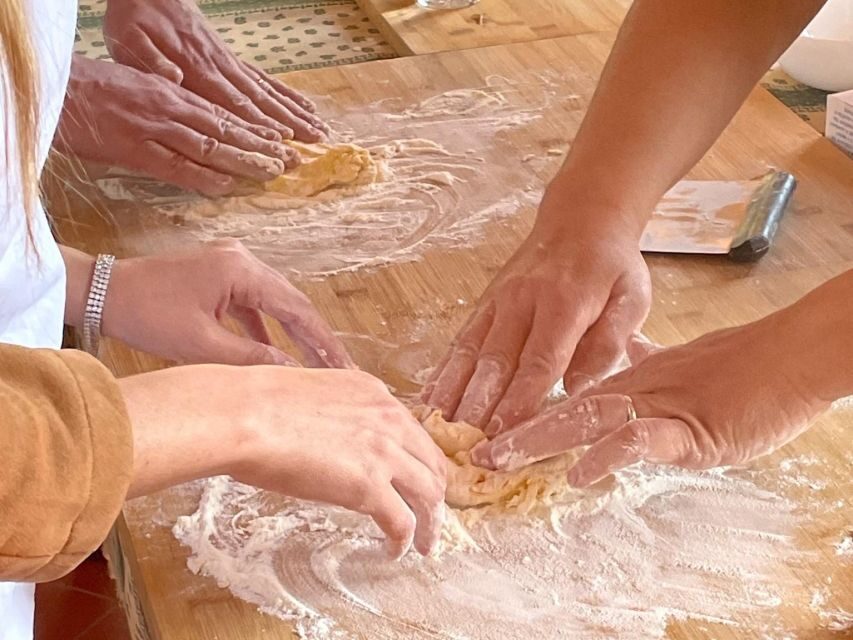
This Neapolitan cooking lesson in Campania is one of the most practical ways to understand Naples cooking, because you don’t just watch—you knead, roll, cut, and cook egg pasta using traditional methods. You’re in the historical center area, at the NAPLES COOKING LAB on Spaccanapoli, and it feels like stepping into a real kitchen routine.
I especially like two things: the hands-on training with no pasta machine (just rolling pin work) and the way the chef builds quality into the lesson before you even start cooking. Still, one potential drawback is that it’s not suitable for people with gluten intolerance, so you’ll want to skip it if that’s your situation.
In This Review
- Quick Hits: What You’ll Remember After Class
- Where You Cook: Spaccanapoli’s Naples Cooking Lab (or Galleria Umberto I)
- Welcome Bites and the “Why” Behind Naples Ingredients
- Pasta Types to Egg Dough: What You Learn Before You Touch Flour
- Rolling Pin, Not Pasta Machine: Traditional Technique That Actually Works
- Cutting, Filling, and Finishing: Ravioli and Fettuccine, Plus More Shapes
- Sauces and Meal Time: Neapolitan Sauce + Ragù on Your Plate
- Tools, Aprons, and the Chef Diploma: What’s Included and Why It Matters
- Price and Value: Is $92 for Two Hours Worth It?
- Who Should Book This Naples Pasta Class (and Who Shouldn’t)
- Chef Amos and the Hands-On Style You Can Feel
- Should You Book This Neapolitan Pasta Lesson?
- FAQ
- How long is the Neapolitan pasta cooking lesson?
- What will I make during the class?
- What is included with the price?
- Where is the meeting point?
- What languages does the instructor speak?
- Is the course wheelchair accessible and is it gluten-free?
Quick Hits: What You’ll Remember After Class
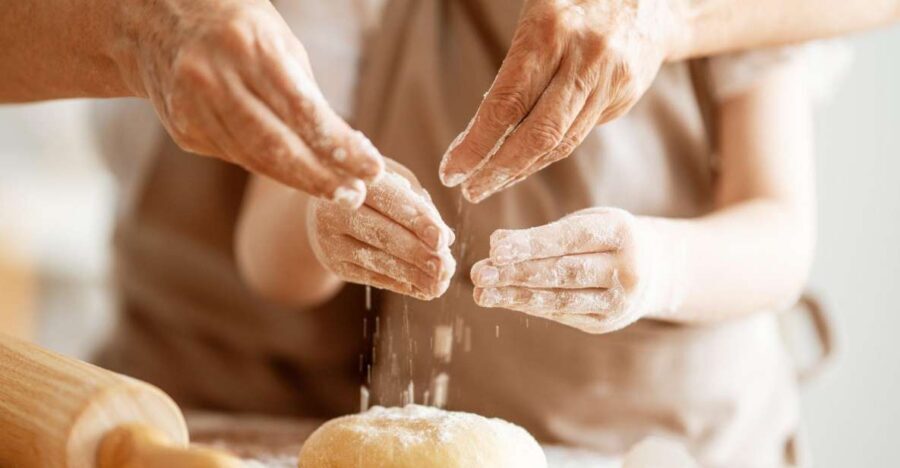
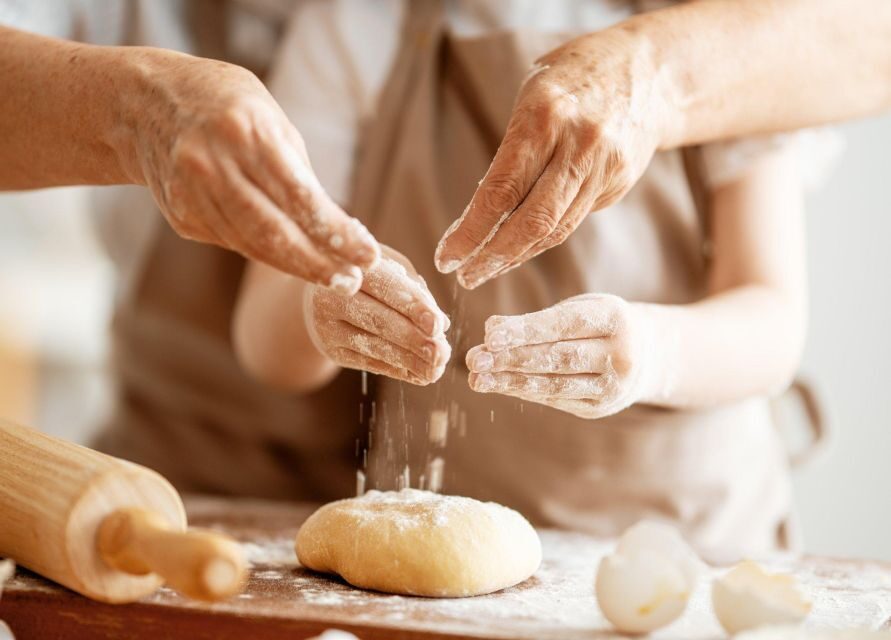
- Hand-rolled pasta, no machine, taught step-by-step with traditional technique
- Quality tastings early on, including tomato from Vesuvio plus homemade bread
- You learn more than one shape: fettuccine, ravioli, plus tagliolini and pappardelle (shown during the lesson)
- Two sauces at the table: Neapolitan sauce with tagliatelle and ravioli al ragù
- A relaxed group dinner/lunch format where you eat what you made, not just a snack
Where You Cook: Spaccanapoli’s Naples Cooking Lab (or Galleria Umberto I)
I like that this class has a clear home base in Naples. Your meeting point is the NAPLES COOKING LAB on Spaccanapoli street, right in the historical center. It’s also the kind of location where you can arrive, find your bearings fast, and still feel like you’re doing something local rather than heading out to the outskirts.
One detail to know: sometimes the course is held at PIZZERIA MAMMINA in Galleria Umberto I. If that’s the case for your date, you’ll be told in advance. Either way, the experience is designed so you have a direct entry route—there’s a separate entrance setup—so you’re not stuck waiting around.
The format matters here: it’s only 2 hours, so the plan is tightly focused. You’ll get enough time to make real progress, but it’s not a slow, all-day cooking festival.
You can also read our reviews of more cooking classes in Naples

Welcome Bites and the “Why” Behind Naples Ingredients
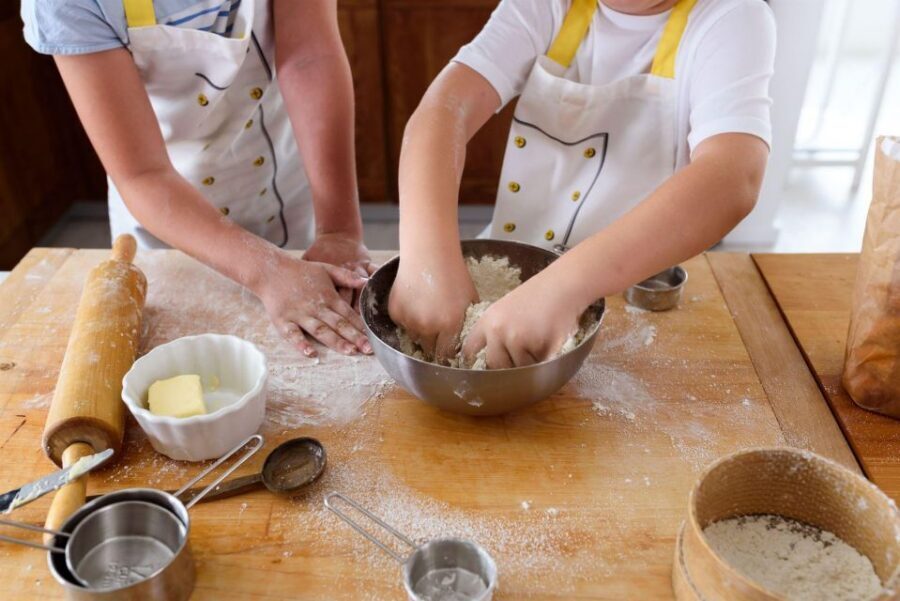
Before flour hits the table, the chef sets the stage with food you can taste right away. The lesson starts with an explanation of different types of pasta—useful if you’ve ever looked at Italian menus and thought, wait, is this all the same?
Then you move into the dough. While the dough rests, you’re offered a local tasting set: a local starter, plus organic products like tomato from Vesuvio and homemade bread. This part is more than a snack. It’s the chef’s point: great pasta isn’t just technique—it’s ingredient quality, especially with tomatoes in Naples cooking.
That appetizer break also gives your hands a breather before the rolling and cutting begins. If you’re the type who likes to understand what you’re about to eat, this is a smart way to do it.
Pasta Types to Egg Dough: What You Learn Before You Touch Flour
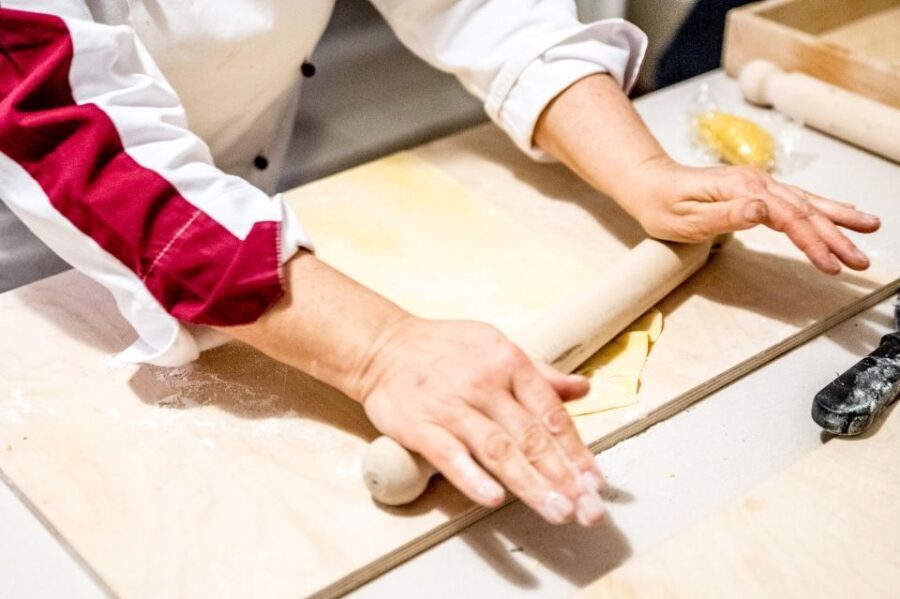
The first real “lesson” is the overview: the chef explains differences between pasta shapes and styles. You don’t need a food-nerd background. You just need curiosity, and you’ll leave with a clearer sense of why Naples makes the choices it makes.
After that, you jump into egg pasta using a family recipe approach. The dough is described in a way that points to older tradition—something along the lines of a recipe associated with older methods—and the chef explains the ingredients of the dough and the need for resting time. Resting isn’t busywork. Dough rests so the gluten and structure relax, and that makes rolling easier and cutting cleaner.
If you’ve ever tried homemade pasta at home and your sheets tore, this dough-reason talk is the part that helps you avoid the usual frustration later.
Rolling Pin, Not Pasta Machine: Traditional Technique That Actually Works
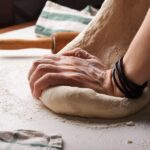
Here’s one reason people love this class: you roll out the dough by hand. There’s no pasta machine used for the main process. You’ll use a rolling pin and ancient, traditional methods taught by grandmothers. It’s not just a gimmick—it changes how you pay attention.
When you roll by hand, you feel thickness changes immediately. You also learn how dough behaves as it stretches: it moves differently depending on how rested it is, and how gently you handle it. For me, that’s the real payoff. Even if you never buy fancy equipment back home, you walk away with muscle memory and a process you can repeat.
And yes, it’s a little chaotic at first. The first passes are often uneven. Then suddenly it clicks, and the dough becomes something you can confidently cut into shapes.
Cutting, Filling, and Finishing: Ravioli and Fettuccine, Plus More Shapes
Once the dough is rolled, you move into shaping. The class focuses on cutting and forming fettuccine and ravioli, and the chef also shows how to prepare tagliolini and pappardelle. Even if you don’t do every single shape at full speed, you’re getting a sense of what each one is meant for.
Fettuccine is the “straightforward” win: long strips, easy to recognize, and great for learning consistency in thickness. Ravioli is where it gets hands-on in a more meaningful way: you work on dough pieces, handle filling, and assemble them into parcels.
The highlight notes mention kneading, cutting, and baking your homemade ravioli and fettuccine. You don’t need to overthink the wording. What matters is that your pasta doesn’t stay raw on the table—you’ll finish it as part of the cooking flow, then it gets integrated into the meal.
One practical benefit: ravioli training teaches you how to manage fillings and closures. If you’ve ever bought ravioli and wondered why some are tight and others open up, you’ll start to understand where that difference comes from.
You can also read our reviews of more tours and experiences in Naples


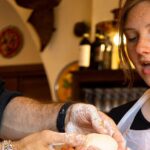
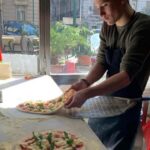
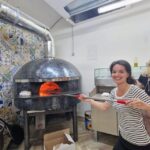
Sauces and Meal Time: Neapolitan Sauce + Ragù on Your Plate
After shaping, your pasta is cooked in water and then seasoned with two different sauces. This is a great setup for learning because you taste different flavors with different pasta forms, without needing to read a cookbook.
For one part of the meal, you eat tagliatelle with Neapolitan sauce. For the other, you eat ravioli al ragù. The combination works well because it shows how Naples handles classic comfort flavors: tomato-forward flavor for the Neapolitan sauce, and richer depth for ragù.
You also get a drink included—either alcoholic or non-alcoholic, based on your choice. If you’re not drinking alcohol, that’s fine; you still get the full meal experience.
This is also where the “work group” element matters. You’re not alone at the counter. You’re making and then eating together, so the whole class feels like a shared afternoon rather than a solo workshop.
Tools, Aprons, and the Chef Diploma: What’s Included and Why It Matters
This lesson is pretty well stocked for a 2-hour experience. You’re provided with kitchen tools and aprons, and you get the chef-led instruction as part of the package. You’ll also receive a chef diploma, which sounds silly until you realize it signals the course is designed like a real class, not just a demo.
The meal side is included too: dinner or lunch with fettuccine and ravioli, plus a local appetizer. Add in the included first drink, and you’re basically covering everything you need for a complete experience—food, instruction, and what you’ll eat at the end.
The chef also teaches in multiple languages—English, Italian, French, and Spanish—so you shouldn’t feel left out if your Italian is rusty.
If you’re going to spend 2 hours learning pasta, you want the course to handle basics cleanly. This one does.
Price and Value: Is $92 for Two Hours Worth It?
$92 per person can sound steep until you break down what you’re actually paying for. You’re paying for:
- Instruction from a chef (not a script, but active teaching)
- All the kitchen gear and aprons
- The full food experience: local appetizer, then your pasta meal
- Two sauce tastings tied to what you made
- One included drink
- A chef diploma that marks the course as a real taught lesson
And the big value driver is technique. The class emphasizes traditional hand-rolling—no pasta machine—so the skills are portable. If you try making pasta again at home, you can use the method even with basic tools.
At the same time, consider your goal. If you’re only looking for a quick photo and a buffet plate, this probably won’t match that mindset. This is for people who like doing, learning, and then eating the result.
Also note: the class lasts 2 hours, so it’s a focused session. You’ll leave with clear progress, not a half-finished project.
Who Should Book This Naples Pasta Class (and Who Shouldn’t)
You’ll probably love this if:
- You want a hands-on lesson, not a passive tour
- You’re curious about Naples pasta culture and ingredient quality
- You enjoy structured cooking steps you can repeat at home
- You want a fun group meal with a clear payoff
You might want to skip it if:
- You have gluten intolerance (it’s not suitable)
- You’re looking for a very long, slow cooking day (this is tightly timed at 2 hours)
Wheelchair accessibility is listed as available, which is good to know. If you use mobility devices, it’s still worth considering how a kitchen studio is set up, but the activity is marked wheelchair accessible.
Language support is strong too. The instructor can teach in English, Italian, French, or Spanish, so you can pick the option that fits you best.
Chef Amos and the Hands-On Style You Can Feel
One name to remember is Chef Amos. The lesson style is friendly and explanatory, and the pace supports learning. You’re not thrown into the deep end with just a vague instruction and a floured countertop.
That matters because pasta-making is half technique and half timing—especially when dough rests and shapes need careful handling. When the chef can explain everything clearly while you’re working, you get to the end with pasta that actually tastes like something you made with confidence.
Should You Book This Neapolitan Pasta Lesson?
I’d book it if you want a real Naples cooking skill—not just dinner. The combination of traditional hand-rolling, ingredient tastings like tomato from Vesuvio, and a sit-down meal that includes two sauces makes the 2 hours feel full and worth it.
Two quick decision tips:
- If you’re gluten-sensitive, don’t force it—this class isn’t designed for gluten intolerance.
- If you like doing your own food prep and tasting what you make, this is exactly that.
If plans are tight, you can usually cancel up to 24 hours in advance for a full refund, and there’s also a reserve-and-pay-later option to keep things flexible. That lowers the risk of booking.
If your goal is to leave Naples with a skill you can repeat and a plate you can’t stop thinking about, this Neapolitan pasta lesson is a strong choice.
FAQ
How long is the Neapolitan pasta cooking lesson?
The lesson lasts 2 hours.
What will I make during the class?
You’ll learn to make fresh egg pasta, including ravioli and fettuccine. The chef also explains how to prepare tagliolini and pappardelle.
What is included with the price?
The package includes kitchen tools and aprons, a lesson with the chef, a lunch or dinner with fettuccine and ravioli, a local appetizer, and an alcoholic or non-alcoholic drink. You also receive a chef diploma.
Where is the meeting point?
You meet at the NAPLES COOKING LAB on Spaccanapoli street in Naples’ historical centre. Sometimes the course moves to PIZZERIA MAMMINA in Galleria Umberto I, and you’ll be informed in advance.
What languages does the instructor speak?
The instructor can teach in English, Italian, French, and Spanish.
Is the course wheelchair accessible and is it gluten-free?
The activity is listed as wheelchair accessible. It is not suitable for people with gluten intolerance.