REVIEW · NAPLES
Private Tour: Pompeii & Wine Tasting at the Slopes of Mt Vesuvius
Book on Viator →Operated by Askos Tours · Bookable on Viator
Pompeii and wine in one long day. That combo is a great way to see the big, haunting sights of Pompeii and then switch gears to the Vesuvius wine country right after. I like that this trip is built around a guided visit (not a rushed free-for-all), then finishes with a traditional vineyard meal and tasting.
Two things I really like: you get 2 hours of private guidance through the ruins, and you’ll have a structured wine tasting with specific local labels while you eat a buffet lunch at a vineyard on Vesuvius’s slopes. One consideration: it’s a long day (about 7 hours) with a moderate amount of walking, so you’ll want comfortable shoes and a bit of stamina.
Also, the private guide matters here. In the reviews, the name that stands out is Giorgio—people highlighted how knowledgeable and accommodating he was for a family group.
In This Review
- Key things to know before you go
- Naples to Pompeii, then wine country: the value in the routing
- Pompeii ruins with 2 hours of private guidance: what you’ll actually get
- The Pompeii walk map: forum, baths, temples, and the everyday city
- Forum and basilica: where civic life happens
- Thermal baths: the social side of daily routine
- Municipal buildings and the city’s services
- Bakery and fountain: practical life
- Brothel and the temples: people and belief in the same frame
- A traditional vineyard on Vesuvius slopes: lunch plus a real tasting
- Pacing, pickup, and comfort: how to make a 7-hour day feel easy
- Price and what’s included: is $564.33 per person worth it?
- Who this Pompeii and wine tour suits best
- Should you book this Pompeii & Wine Tasting day trip?
- FAQ
- FAQ
- How long is the Pompeii & wine tasting tour?
- Where does pickup happen?
- Is this tour private?
- How long is the Pompeii guided portion?
- Are Pompeii entrance tickets included?
- Is lunch included?
- What wines are included in the tasting?
- How much walking is involved?
- Is there an age limit for the wine tasting?
- What is the cancellation policy?
Key things to know before you go
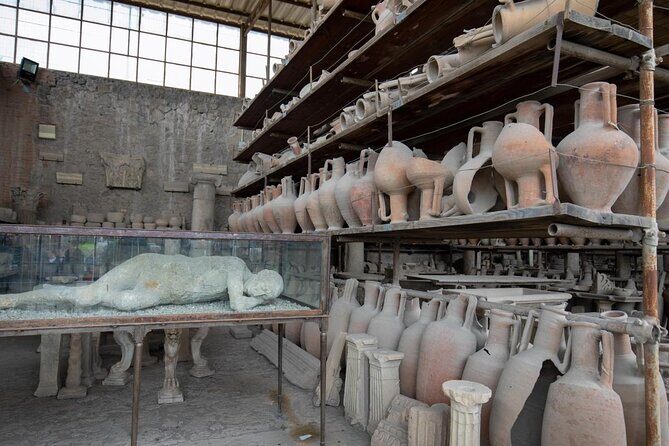
- Private Pompeii guidance (2 hours): you’re not just hopping between ruins; you get help making sense of what you’re seeing.
- UNESCO Pompeii ruins with named highlights: forum, basilica, thermal baths, temples, and more are specifically part of the visit.
- Vineyard lunch on the Vesuvius slopes: you eat and taste right where the wines are made.
- Wine tasting includes multiple labels and styles: including Lacryma Christi (white and red) plus Falanghina options and sparkling wine.
- Pickup from Naples, Sorrento, Salerno, and select Amalfi Coast stops: less hassle, more time on the good parts of the day.
Naples to Pompeii, then wine country: the value in the routing
This is a straightforward day trip with one big benefit: you don’t have to solve transport. You get private transportation by a professional driver in a modern minivan, and pickup is offered from Naples, Sorrento, Salerno, and other select locations along the Amalfi Coast. That matters because Pompeii can be busy, and getting there smoothly helps you use your time in the right place: inside Pompeii and at the vineyard.
The total day is listed at about 7 hours, so plan it like a proper day excursion, not a quick hop. The tour includes Pompeii entrance tickets and a vineyard stop with lunch and tasting, so you’re not constantly digging for extra payments at each step.
One more practical note: you’ll likely spend some time on your feet at Pompeii. The tour says it involves a moderate amount of walking, so comfortable shoes are not optional. Think supportive soles and clothes you can move in.
You can also read our reviews of more food & drink experiences in Naples



Pompeii ruins with 2 hours of private guidance: what you’ll actually get
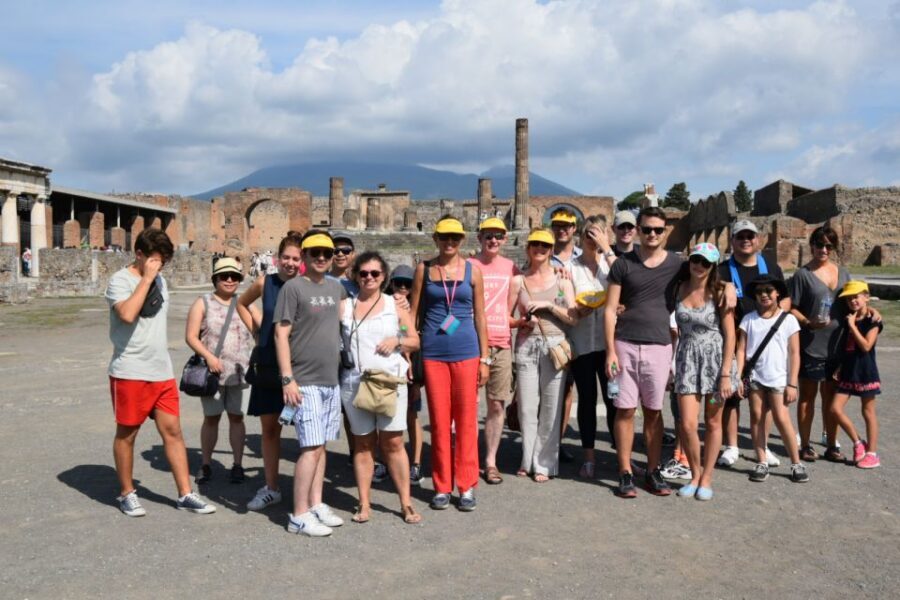
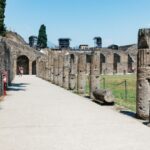
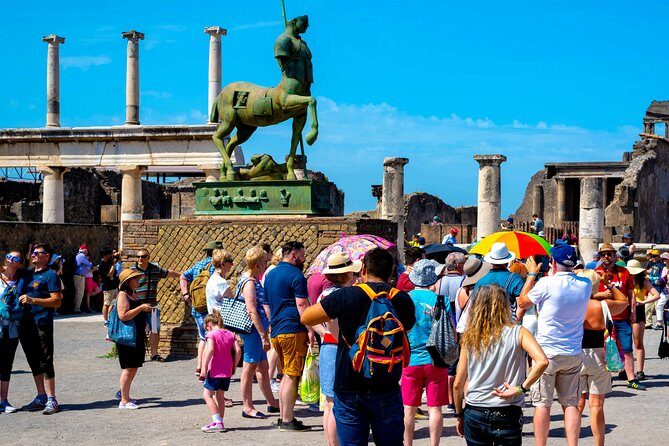
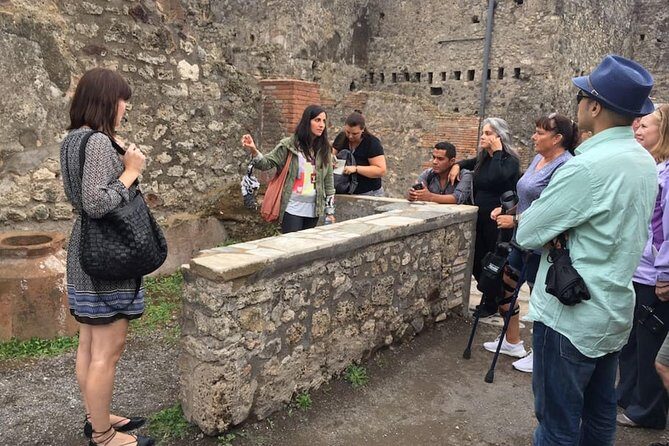
Pompeii is the kind of place where it’s easy to feel either awed or lost. This tour tries to solve both problems by giving you 2 hours of private guidance with an archaeological guide. You’ll explore the World Heritage–listed ruins—the ancient city that was buried under volcanic ash during the eruption of Mt Vesuvius—and you’ll do it with context, not just sight-seeing.
The tour’s Pompeii focus is very specific. You’re guided through major “anchor” spaces, so you can start building a mental map fast:
- Forum
- Basilica
- Thermal baths
- Municipal buildings
- Bakery
- Brothel
- Fountain and religious sites like the Temples of Jupiter, Apollo, and Venere
When you have a guide for a set chunk of time, you can ask questions and get answers that make the next rooms make sense. That’s where the value is for a private format—your guide can pace things for your group instead of watching the clock for a large schedule.
Also, Pompeii can feel chaotic if you’re trying to read everything like a textbook. A good guide helps you spot what matters: how the city functioned, how public and private spaces worked, and why the layout still feels strangely modern.
The Pompeii walk map: forum, baths, temples, and the everyday city
The ruins are famous for a reason, but the best part of a Pompeii visit is realizing you’re looking at real daily life—streets, services, workplaces, and homes—frozen by catastrophe.
Here’s how this tour’s Pompeii route helps you understand the city:
Forum and basilica: where civic life happens
You’ll see the forum, the civic heart of the town, and the basilica, tied to administration and public activity. Even without being a Roman-studies expert, these areas help you grasp the city’s rhythm: decisions, gatherings, and the business of governing.
Thermal baths: the social side of daily routine
The thermal baths are one of the most memorable categories of ruins because they’re tied to how people relaxed and socialized. Baths in Pompeii aren’t just “old buildings.” They’re a clue to leisure culture—who used what spaces, and how the city supported regular routines.
You can also read our reviews of more private tours in Naples





Municipal buildings and the city’s services
The tour also includes municipal buildings, which helps you move beyond the big-name landmarks. You start seeing Pompeii as an organized place with systems—less movie-set, more functioning community.
Bakery and fountain: practical life
A bakery stop is a strong choice for travelers who like tangible everyday details. Add in the fountain, and the city becomes more believable. These are the kinds of spots that remind you how much food and water mattered to daily survival.
Brothel and the temples: people and belief in the same frame
The included brothel can be uncomfortable to some people, but it’s also part of the truth of Pompeii—sex work and social attitudes were part of the economy and culture. Then you shift to sacred spaces with the Temples of Jupiter, Apollo, and Venere, and you get both social life and religious life in the same broader view of the city.
That mix—public, practical, and spiritual—is one of the best reasons to do Pompeii with structure. You come away with more than a highlight reel.
A traditional vineyard on Vesuvius slopes: lunch plus a real tasting

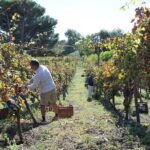
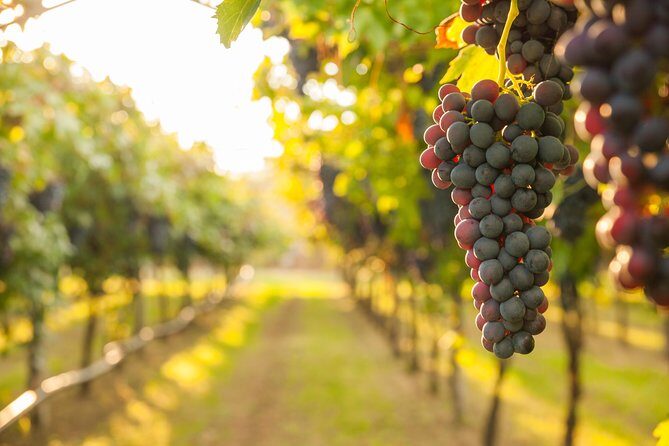
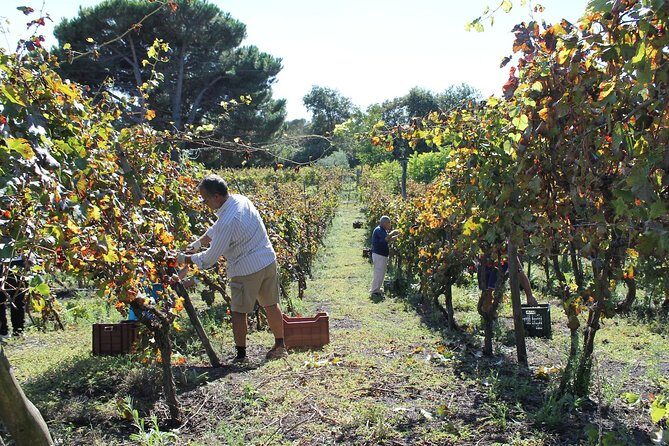
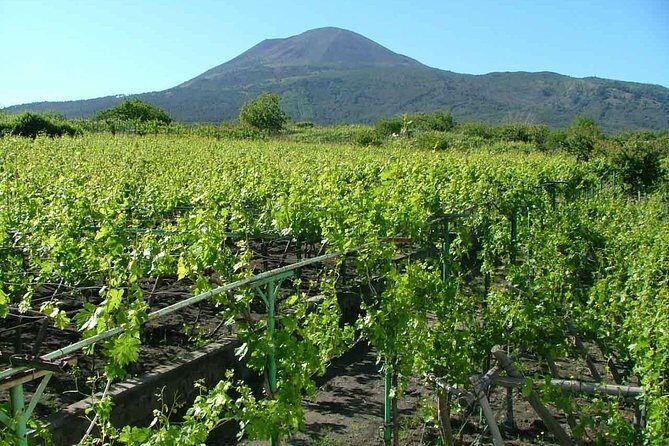
After Pompeii, the tour pivots to something you can smell and taste. The vineyard stop is described as a traditional vineyard located on the slopes of Vesuvius (Vesuvio). That location matters because it gives you a direct connection between the volcano and the wine—same region, same ground story, different outcome.
You’ll have:
- Buffet lunch with regional products
- A wine tasting with multiple included wines
This is not a “one pour, take a photo, move on” experience. The tasting list is detailed and specific, which usually means you’ll get more variety and more chances to compare styles.
Included wines (as listed):
- Falanghina sparkling wine (Charmat method)
- Albus – Falanghina
- Lavaflava
- Vesuvio DOC Lacryma Christi white (2017)
- Lavarubra
- Vesuvio DOC Lacryma Christi red (2017)
If you’re a wine lover, you’ll probably enjoy the chance to taste both Lacryma Christi versions (white and red) and compare them with Falanghina in both still and sparkling form. If you’re not a big wine drinker, the buffet lunch still makes this stop worth it—you’re getting a meal tied to the region, not just another souvenir shop.
Pacing, pickup, and comfort: how to make a 7-hour day feel easy
This kind of day trip works when the logistics are smooth. Here, the main win is pickup and private van transport, which cuts down on the stress of figuring out connections—especially if you’re starting from the Amalfi Coast.
That said, a 7-hour tour is still a 7-hour tour. Your personal comfort comes down to three practical choices:
- Shoes: the tour notes a moderate amount of walking, so bring shoes you can stand in.
- Energy: Pompeii takes attention. Plan for sensory overload—bright sunlight, stone steps, and lots to look at.
- Food timing: you’ll be fed at the vineyard with buffet lunch, but your best move is keeping your energy steady in between.
If you’re traveling with family, this is where the private guide reputation shines. In the reviews, Giorgio was praised as very knowledgeable and accommodating for a family group. That kind of flexibility can make the whole day feel less rigid.
Price and what’s included: is $564.33 per person worth it?
At $564.33 per person, this is not a budget day trip. But it may still be a good value depending on what you care about—because several key items are built into the price:
Included:
- Private transportation in a modern minivan with a professional driver
- 2 hours of private guidance at Pompeii
- Pompeii entrance tickets
- Visit to a traditional vineyard
- Buffet lunch
- A multi-wine tasting (with alcoholic beverages)
When you price those components separately, the private format starts to make sense. You’re paying for less waiting, more direct time at Pompeii, and a structured wine stop with named bottles.
Also, the tour includes features like group discounts and mobile ticket, which can reduce friction in planning. And because it’s private, you’re only sharing the experience with your group—no need to blend into a larger crowd.
So the real question isn’t just cost. It’s whether you want a guide-driven Pompeii and a meal-and-taste vineyard stop in the same day. If yes, this pricing is easier to justify.
Who this Pompeii and wine tour suits best
This trip fits best if you want a “two worlds” day: archaeology plus a regional tasting, without splitting your time between multiple companies.
You’ll likely enjoy it if:
- You want Pompeii with guided structure, not just wandering around.
- You care about wine from the Vesuvius area, including Lacryma Christi.
- You’re traveling in a group that benefits from private pacing.
- You like the idea of a vineyard lunch that’s more than a quick tasting room stop.
It may be less ideal if you want a slow, minimalist day with no walking. The tour is clearly designed for active sightseeing plus a winery stop. Moderate walking is part of the deal.
Should you book this Pompeii & Wine Tasting day trip?
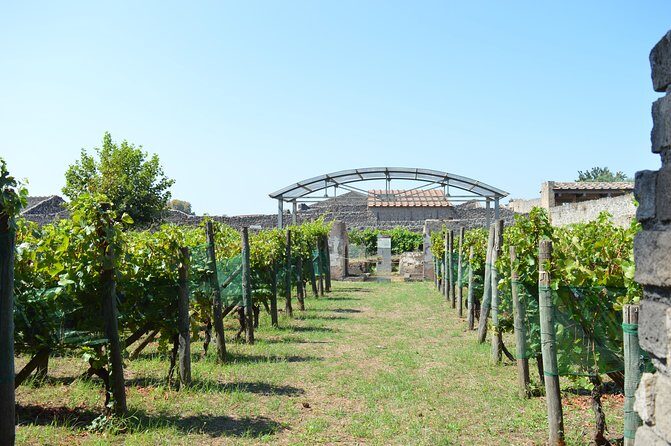
If your goal is to see Pompeii with real interpretation and then end with a proper vineyard tasting on Vesuvius’s slopes, I’d say this tour is a strong choice. The combination of 2 hours of private guidance, entrance tickets, and a vineyard lunch plus tasting makes it feel cohesive. And the guide praise for Giorgio is a good sign that the learning part won’t be dull or generic.
Book it if you value time efficiency (pickup + private transport) and you want the day to feel guided from start to finish. Skip it if you’re hoping for an ultra-light walking day or you’re mainly looking for views and photos with minimal structure.
FAQ
FAQ
How long is the Pompeii & wine tasting tour?
It’s listed at about 7 hours (approx.).
Where does pickup happen?
Pickup is offered in Naples, Sorrento, Salerno, and other select Amalfi Coast locations.
Is this tour private?
Yes. It’s a private tour/activity, and only your group participates.
How long is the Pompeii guided portion?
You get 2-hour private guidance at the Pompeii ruins.
Are Pompeii entrance tickets included?
Yes, Pompeii entrance tickets are included.
Is lunch included?
Yes. You’ll have a buffet lunch at a traditional vineyard.
What wines are included in the tasting?
The tasting includes wines listed as Falanghina sparkling wine (Charmat method), Albus – Falanghina, Lavaflava, Vesuvio DOC Lacryma Christi white (2017), Lavarubra, and Vesuvio DOC Lacryma Christi red (2017).
How much walking is involved?
The tour involves a moderate amount of walking, so comfortable shoes are recommended.
Is there an age limit for the wine tasting?
Yes. The minimum drinking age is 18.
What is the cancellation policy?
Free cancellation is offered. You can cancel up to 24 hours in advance for a full refund.