REVIEW · NAPLES
Vesuvius, V.I.P. the only Tour with Volcanological Guide
Book on Viator →Operated by Gennaro Balzano · Bookable on Viator
Mount Vesuvius feels close up.
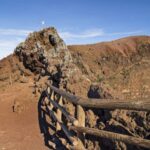
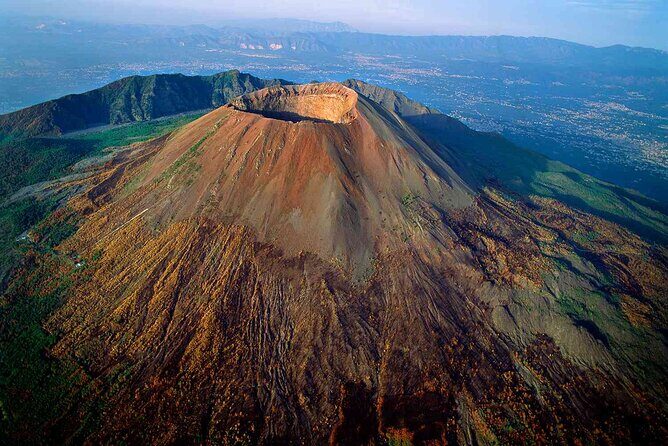
This 2-hour crater hike from about 1000m on the north side gets you walking toward the cone instead of just standing around. The real payoff is the volcanological guide, who keeps the story grounded in what’s in front of you: fumaroles, the crater, and how eruptions reshaped the mountain.
Two things I really like about this experience are the heavy focus on the eruption of 79 AD and the fact that the route includes multiple explanation stops, not just one lecture at the start. You also get big-picture views over the southern Gulf of Naples plus the Sorrento Coast, Capri, and even Pompeii from the panoramic terrace at La Capannuccia. One consideration: the tour is weather-dependent, and it’s non-refundable if you cancel for personal reasons.
In This Review
- Key highlights you’ll notice right away
- Starting at 1000m: the uphill plan that makes sense
- The volcanological guide: why Vesuvius turns from legend to evidence
- What you learn on the way up the Parco Nazionale del Vesuvio path
- La Capannuccia terrace: the viewpoints you’re really paying for
- The 79 AD focus: Pompeii and Herculaneum through a modern lens
- Group size and language: a calmer way to climb
- Weather matters more than you think
- Price and what you actually get for $215.54
- Who should book Vesuvius V.I.P. (and who might skip)
- Should you book this crater tour?
- FAQ
- How long is the Vesuvius crater tour?
- What does the tour cost, and what’s included?
- Where do we meet for the tour?
- What language is the tour offered in?
- Is there time to linger at the top?
- How large is the group?
- What if the weather is bad or I need to cancel?
Key highlights you’ll notice right away
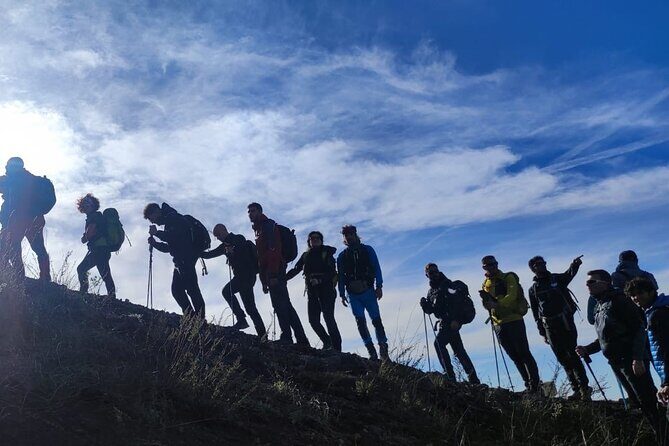
- Volcanological guide included so the explanation is science-led, not just sightseeing talk
- Crater access with an entrance ticket included
- Views that connect the dots across Naples, Capri, and Pompeii
- Frequent stops on the way up covering fumaroles, crater features, and eruption changes
- Time at the top so you’re not rushed through the best viewpoints
- Small group size (max 16) for easier questions as you walk
Starting at 1000m: the uphill plan that makes sense
This tour is designed around a practical start point: you begin at Piazzale di Quota 1000 in Ercolano (80056). Starting around 1000m on the north side matters because it changes the feel of the outing. You’re not doing a long, exhausting day hike from sea level. Instead, you’re already partway into the Vesuvius experience, walking upward on a path that leads to the crater.
The total time is about 2 hours (approx.), and the pace is guided. You’ll move along the route while stopping along the way for explanations. If you’re the type who gets impatient during tours that feel like a parade of photos, this one is different: you’re walking toward the crater while learning how to read the volcano itself.
Meeting logistics are straightforward. You start at the Piazzale di Quota 1000 meeting point, and the activity ends back at the same place—so you’re not planning an extra commute or guessing how to get back.
One small practical note: you’re walking on a path with an uphill component. Even if the group is “most travelers can participate,” treat this like a real walking tour. Wear shoes you’re comfortable on and plan to move steadily.
You can also read our reviews of more guided tours in Naples


The volcanological guide: why Vesuvius turns from legend to evidence
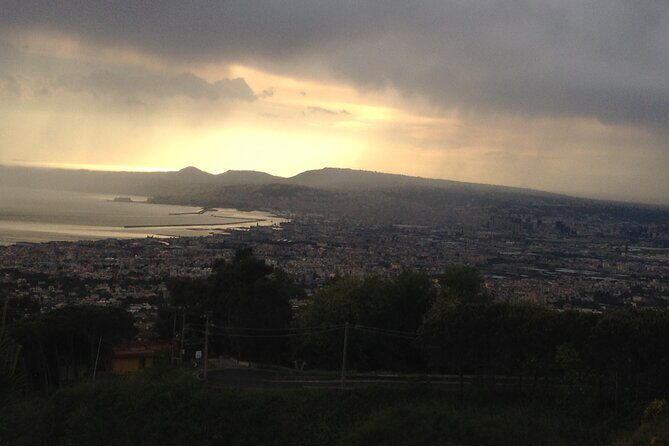
Vesuvius is famous in a big, dramatic way. But the tour’s biggest strength is that it’s led by a volcanological guide—the program is marketed as the only Vesuvius tour with this kind of expert guide included. That changes how you experience the mountain.
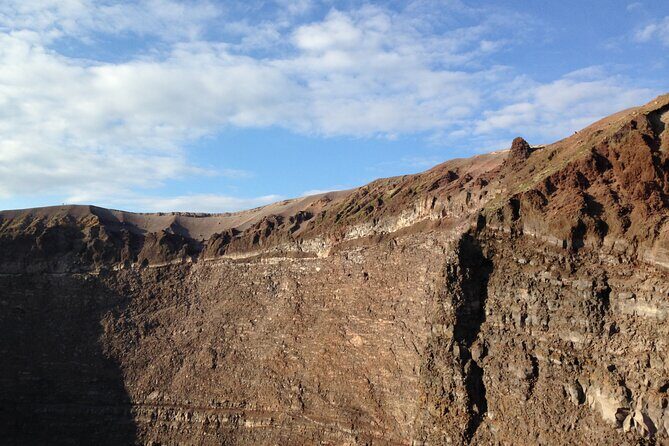
Instead of just hearing that the volcano is dangerous or powerful, you learn how it behaves. During the walk, your specialized guide describes and illustrates:
- the crater and what you’re looking at
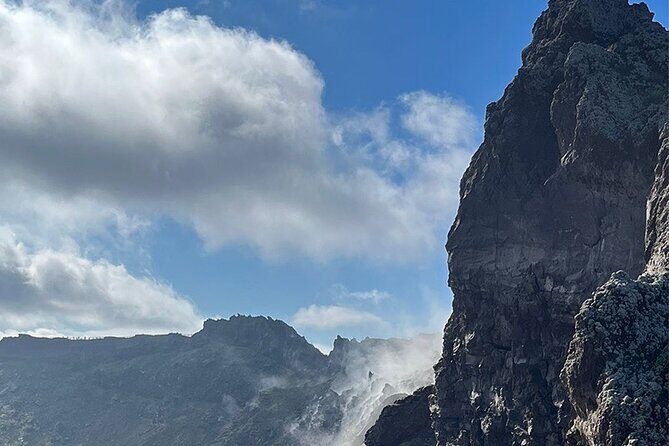
- fumaroles (where volcanic gases come through)
- the transformations tied to the last eruptions
- the eruption story that made Vesuvius immortal in Roman history
The tour is especially focused on the eruption of 79 AD, with a clear link to Pompeii and Herculaneum. You’re not just getting a timeline. You’re learning how an eruption produces the kind of damage and features that later become the evidence you can still point to on the ground.
And yes, the style seems to matter. Names that have come up in the guide lineup include Umberto and Alexandra, and the common thread is that they bring a lot of information without making it feel like school. You get real explanations that match the stops on the path.
What you learn on the way up the Parco Nazionale del Vesuvio path
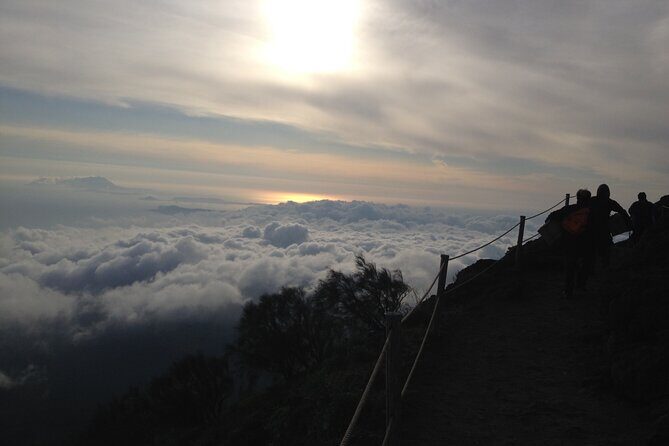
Your first stop is at Parco Nazionale del Vesuvio, and that’s where the tour starts turning into something more than a view hike. The path to the crater isn’t treated like empty scenery. It’s treated like a route you can interpret.
You’ll have several moments to pause while the guide points out what to pay attention to: how the volcano’s features connect to different eruption phases, and why certain parts of the crater and surrounding area look the way they do.
A tour like this is valuable because it teaches you a skill: noticing. After a few stops, you’re less likely to see only a cone and a smoking-in-the-movies silhouette. You start recognizing the logic of the mountain—how volcanic activity leaves marks, and how gases and crater features relate to that activity.
If you’re visiting Naples and want the “big Vesuvius moment,” this is the version that helps you understand it, not just admire it.
La Capannuccia terrace: the viewpoints you’re really paying for
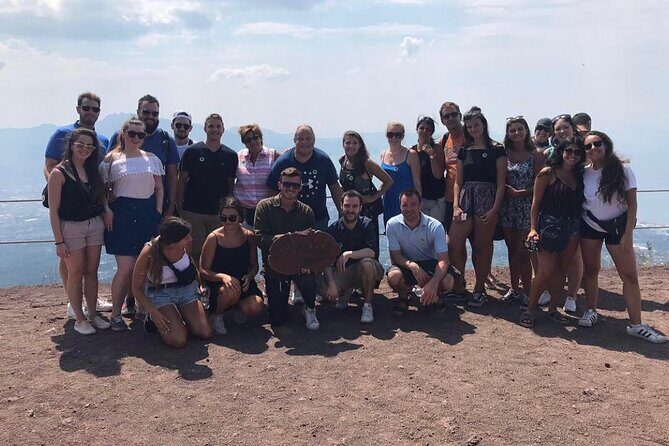
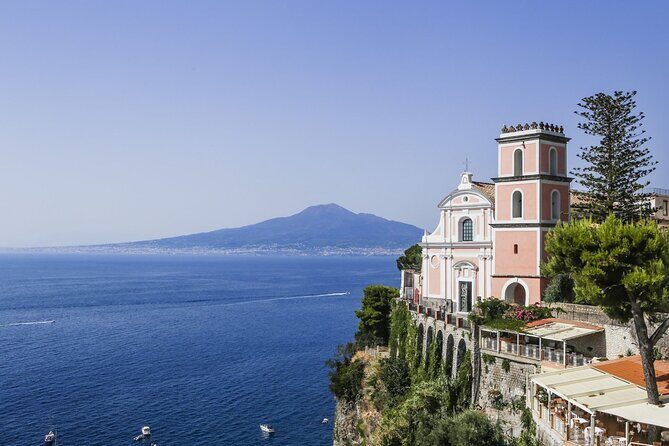
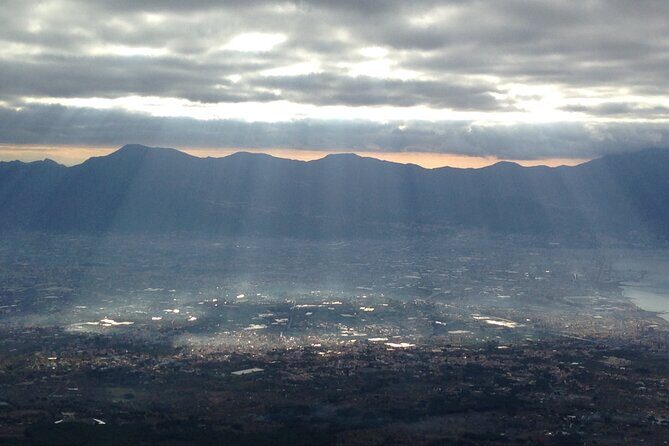
At the top, you reach the panoramic terrace of La Capannuccia. This part is the payoff for the climb: you can admire the southern part of the Gulf of Naples, the Sorrento Coast, Capri, and Pompeii from the viewpoint.
What makes these views worth your time is the geography. When you can look across the sea and see Capri and the Sorrento Coast, you’re watching the modern coastline that sits beside the volcanic story. And seeing Pompeii from Vesuvius helps the eruption of 79 AD stop being a distant textbook event.
The tour also gives you a small gift: once you reach the top, it’s possible to stay longer than the visit. That’s important. Great views need time. You want enough minutes to settle, take photos without rushing, and actually look.
It’s not just pretty. It’s the moment where the guide’s explanations start clicking, because you’re seeing the volcano and the surrounding region in the same frame.
The 79 AD focus: Pompeii and Herculaneum through a modern lens
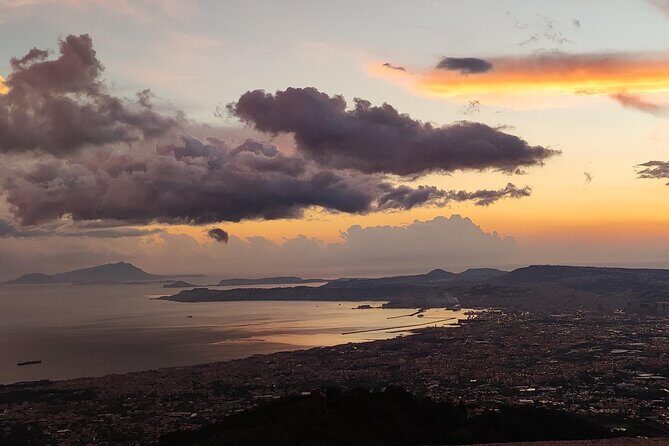
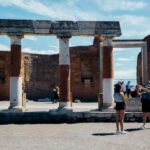
The most famous Vesuvius story is the eruption of 79 AD, which brought Roman cities like Pompeii and Herculaneum into history through destruction—and through survival in ash and lapilli that still lets us understand what happened.
This tour handles that story with a strong “look and explain” approach. During the walk, your guide ties the science to the historical impact:
- what the eruption did
- how the volcano’s features relate to eruption behavior
- why the crater and surrounding changes matter for understanding later activity
You’ll also hear about fumaroles and the transformations during the last eruptions, so it’s not just ancient history. The tour helps you connect past and present activity, showing that Vesuvius isn’t only a ruin-builder in museums and archaeology sites. It’s a living volcano with continuing effects.
This is exactly the kind of interpretation that turns a famous site into something you remember. When the guide can connect eruption mechanics to what you’re standing near, the story feels solid, not vague.




Group size and language: a calmer way to climb
The tour caps at 16 travelers, which makes a difference on a crater path. With a smaller group, your guide can pause more easily for questions, and the pace feels controlled rather than rushed.
It’s offered in English, and that matters if you want the science explained clearly. A volcanological guide is only as helpful as their ability to explain what’s happening—this format is set up to do that directly in English.
The duration stays around 2 hours, so it works well as a half-day anchor when you’re staying in Naples or the wider area. It’s long enough to feel like an experience, short enough that it doesn’t hijack your whole day.
Weather matters more than you think
This experience requires good weather. That’s not a minor detail. Vesuvius visibility and the safety of a crater walk depend on conditions. If the tour is canceled because of poor weather, you’ll be offered a different date or a full refund.
Also, you need to know the cancellation rule is strict if you cancel yourself: the experience is non-refundable and cannot be changed for any reason. So the smart move is to book it on a day you can realistically keep open, especially if you’re traveling on a tight schedule.
One more planning insight: the average booking window is about 51 days in advance. That usually signals a popular slot. If you want a specific day, book early rather than hoping for last-minute availability.
Price and what you actually get for $215.54
The price is $215.54 per person, and here’s where value comes in. You’re not just buying a view from a bus stop.
Included in the price:
- Entrance ticket to the crater
- Volcanological guide
Not included:
- tip
So you’re paying for expertise plus access. That’s a stronger value story than a generic walking tour because the guide isn’t optional, and the crater entrance is part of the package.
Also, the smaller group size (max 16) gives you a better chance to ask questions. When the guide can explain fumaroles, crater features, and eruption transformations while you’re actually seeing them, you get more than photos—you get understanding.
If you’re a first-time Vesuvius visitor, this is the kind of tour where paying a bit more can actually save you time later. You won’t need to translate the volcano through guesswork. The guide gives you a framework you can use even after the tour ends.
Who should book Vesuvius V.I.P. (and who might skip)
This tour fits you best if:
- you like volcano science, not just dramatic scenery
- you want the 79 AD story explained with a clear connection to what you can see
- you care about views across the Naples region, including Capri and Pompeii
- you prefer small groups and an active walking format
It’s also a good fit if you’re visiting Naples for the signature experience but want more than a quick stop. The crater hike plus the La Capannuccia terrace gives you both the climb and the reward.
You might consider a different plan if:
- weather uncertainty could wreck your schedule and you can’t adjust dates
- you don’t like walking on a path with an uphill component
- you want a totally hands-off, sit-down-only experience (this is an in-motion guided walk)
On accommodations and practicalities, service animals are allowed, and the meeting point is near public transportation. Confirmation is received at booking, and you’ll have a mobile ticket.
Should you book this crater tour?
If you’re going to Vesuvius, I’d book this version when you can choose a good weather day. The combination of crater entry and a volcanological guide is the main reason. You’ll walk the route toward the crater, pause for real explanations, and end with views over the Gulf of Naples plus Capri and Pompeii from La Capannuccia.
If your schedule is flexible enough to handle weather changes, this is an easy yes. If you’re trying to lock in a fixed day no matter what, be cautious, because personal cancellations are non-refundable.
FAQ
How long is the Vesuvius crater tour?
It lasts about 2 hours (approx.).
What does the tour cost, and what’s included?
The price is $215.54 per person. It includes the entrance ticket to the crater and a volcanological guide. Tips are not included.
Where do we meet for the tour?
You meet at Piazzale di Quota 1000, 80056 Ercolano NA, Italy.
What language is the tour offered in?
The tour is offered in English.
Is there time to linger at the top?
Yes. Once you reach the top, you can stay longer than the main visit.
How large is the group?
The tour has a maximum of 16 travelers.
What if the weather is bad or I need to cancel?
The experience requires good weather. If it’s canceled due to poor weather, you’ll be offered a different date or a full refund. If you cancel, it’s non-refundable and can’t be changed for any reason.