REVIEW · NAPLES
Vesuvius National Park Skip-The-Line Ticket and Audio Guide
Book on GetYourGuide →Operated by Around Vesuvio · Bookable on GetYourGuide
Fog can play tricks, even on Vesuvius. This is a practical skip-the-line ticket paired with a self-guided plan and a digital audio guide, so you can spend your time on the hike and the views instead of waiting around. I like that the ticket is built for speed at the entrance, and I also like that the audio guide tells you what you’re looking at while you climb.
The main thing to weigh is the ticket setup. You need to contact the provider on WhatsApp after 8:00 AM the day of your visit to get your entry tickets and the link for the audio guide, and the whole process can feel stressful if your phone or timing isn’t on point.
Plan for a real hike, not a stroll. The climb can be around 25 minutes up and about 17 minutes down at a steady pace, but weather and crowds affect everything. Also, this experience is not suitable for people with mobility impairments, and large bags or luggage aren’t allowed.
In This Review
- Key things to know before you go
- Skip-the-Line at Vesuvius: When It’s Worth It
- What Your $29 Ticket Covers (and What You Still Need)
- Getting Your Tickets on WhatsApp After 8:00 AM
- From Meeting Point to the Hike Start: How the Flow Works
- The Crater Hike: Pace, Views, and Weather Reality
- Using the Digital Audio Guide Without Frustration
- What You’ll See in Vesuvius National Park: Plants, Rocks, and Habitats
- Photography of Naples and Pompeii From Above
- Comfort Checklist: Shoes, Hat, and Bag Rules
- Who This Suits Best (and Who Should Skip It)
- Should You Book This Vesuvius Skip-the-Line Ticket + Audio Guide?
- FAQ
- How long does the Vesuvius National Park skip-the-line ticket last?
- Do I get a human guide with this experience?
- How do I receive my tickets and the audio guide?
- What languages is the audio guide available in?
- Is transfer included to the park or entrance?
- What should I bring, and what can’t I bring?
Key things to know before you go
- Skip-the-line entry to Vesuvius National Park means less waiting at the gate
- WhatsApp setup after 8:00 AM is required to receive your tickets and audio link
- Crater hike on your own, with a bus ride segment before and after
- Multilingual digital audio guide in English, Italian, French, Spanish, German, and Portuguese
- Volcanic scenery you can actually read: lava flows, ash deposits, volcanic rocks, and plant life adapted to the soil
Skip-the-Line at Vesuvius: When It’s Worth It
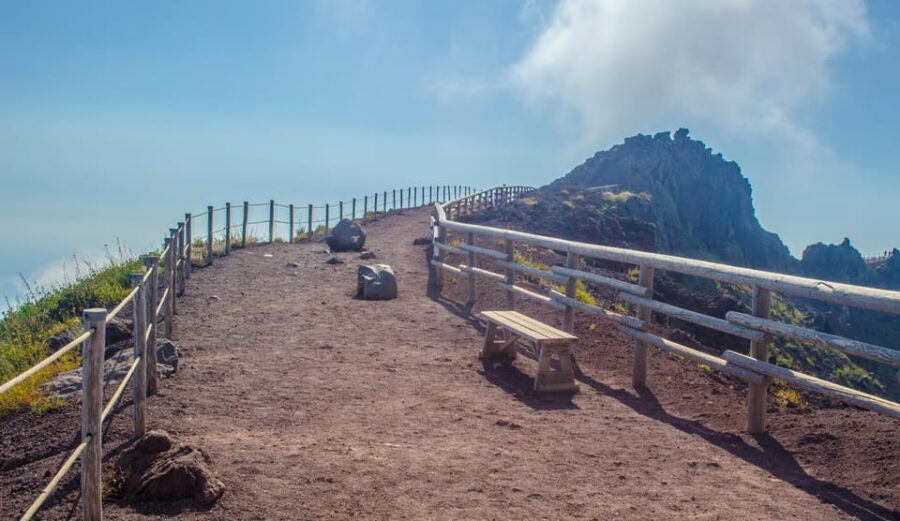
Mount Vesuvius is famous for the AD 79 eruption that destroyed Pompeii and Herculaneum, and the park is designed for you to experience the volcano up close. This ticket’s biggest value is simple: it’s made to cut friction at the entrance so you get moving faster and spend more time where it matters—on the path to the crater and in the viewpoints above.
The “audio + self-guided” format also helps if you don’t want to worry about keeping pace with a group. You’ll hike your own way up and down, pause for photos, and tune out when you need a breather. In a place like Vesuvius, that flexibility is real money well spent.
That said, the park’s experience is also weather-dependent. When fog rolls in, you can still hike, but visibility can take a hit, and the views you came for might be muted. For the best payoff, aim for a day when the sky cooperates.
You can also read our reviews of more tours and experiences in Naples



What Your $29 Ticket Covers (and What You Still Need)

This is an entry-ticket style experience, not a guided tour. Included is the skip-the-line ticket plus a digital audio guide in multiple languages. There is no person guide included, and transfers aren’t listed as part of the base package.
So what do you actually do with the included stuff? You start at the National Park gate, you follow the route up at your own pace, and you use the audio guide to understand the volcano as you go—geology, ecosystems, and the famous eruption story. The park walk is the core activity, and the ticket is there to help you get inside quickly.
A practical nuance: at least one participant described an organized taxi transfer segment from a parking area to the entrance for a small fee. That kind of shuttle may be offered in some situations, but it’s not guaranteed as part of the official inclusions. Your safest plan is to assume you’ll handle the “how do I get to the gate” part yourself.
Getting Your Tickets on WhatsApp After 8:00 AM
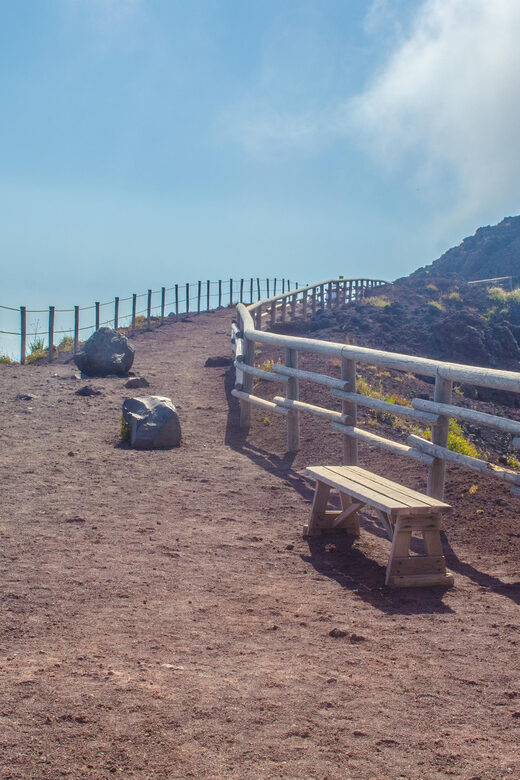
Here’s the one step that can make or break your morning: you must message the provider on WhatsApp after 8:00 AM on the day of your experience to receive your entry tickets and the audio guide link.
This matters because the ticket process isn’t instant at signup time. If your phone is dead, you’re in low signal, or you forget to message, you’re the one who pays the price in stress. I’d treat the WhatsApp step like the start time of your day, not an optional chore.
Tip for smoother timing:
- Make sure you have WhatsApp working and accessible offline/online as needed.
- Screenshot or save anything they send you so you don’t rely on one shaky connection.
- Keep your phone charged, and bring a small external charger if you’re the kind of person who uses maps for everything.
Even with all that, some people find the ticket exchange complicated. The good news is that once you’re in the flow, it can go smoothly—but it’s smart to build buffer time.
From Meeting Point to the Hike Start: How the Flow Works

Your exact meeting point may vary depending on the option you book. Once you’re there, the basic rhythm is straightforward: you connect to a ride up toward the Vesuvius area, then you hike on your own up to the crater boundary and back down.
One of the reasons this format works well is that you’re not scrambling for logistics mid-hike. You’re given a schedule for when and where the bus is supposed to be ready for the return. That reduces the classic Vesuvius problem: people get focused on the views, then lose track of when transport is departing.
At the start, you’ll be oriented through the pickup process, and you’ll head to the bus turning place. From there, the climbing is on you. If you like pacing yourself, this is where you’ll appreciate the self-guided setup.
If you’re travel planning with other people, build in a simple rule: agree on a meeting spot for the return ride and be early rather than “right on time.” The crater area is inspiring, and timing can slip if you’re stopping for every photo.
The Crater Hike: Pace, Views, and Weather Reality
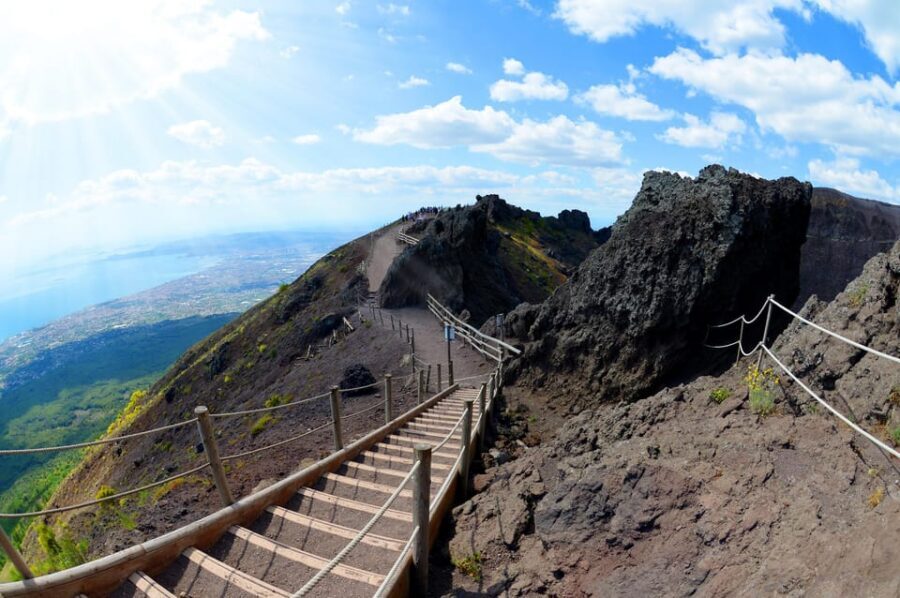
This is the part you actually came for: the climb up Vesuvius toward the crater edge, where the surrounding views open up. The experience is typically done as an out-and-back hike, with your time largely spent between the gate, the climb, the crater viewpoint, and the descent.
A steady pace can mean about 25 minutes up and 17 minutes down, but expect variation. Shoes matter. Wind matters. Fog matters.
What makes the crater approach special is that you’re walking through a volcanic environment while the story of AD 79 is playing in your mind. The audio guide helps you connect features you might otherwise pass without noticing: volcanic rocks and ash deposits, plus what those features mean.
If you’re sensitive to weather, don’t ignore it. One person noted the need for ear and head protection in foggy conditions, which is a good reminder that the crater area can feel colder and more exposed than you expect. Bring a hat that covers well, and dress in layers so you can adjust without turning the hike into a wardrobe change.
You can also read our reviews of more guided tours in Naples




Using the Digital Audio Guide Without Frustration

The audio guide is included and available in multiple languages: English, Italian, French, Spanish, German, and Portuguese. The idea is you listen as you move, so you’re not just climbing—you’re learning what you’re seeing.
Now for the practical part: digital audio means your phone is the tool. That’s convenient when it works and annoying when it doesn’t. Some people had technical trouble or found the audio guide harder to use than expected, so I’d treat the guide as helpful context, not a guarantee.
How to make it work better in the real world:
- Bring headphones you can use comfortably on a windy walk.
- Before you start climbing, confirm you have the audio link accessible.
- If the audio fails, don’t panic. You can still enjoy the views and the park’s visible volcanic features.
There’s also a connectivity angle. QR-code entry and login processes can happen at the gate, and reception may be limited. That’s another reason to download or save what you can before you begin walking.
If you want a lesson that’s perfectly tailored to your pace and questions, you’ll miss that with a phone-only setup. But if you’re okay with a self-guided story, it’s a strong way to make the hike feel meaningful.
What You’ll See in Vesuvius National Park: Plants, Rocks, and Habitats

Vesuvius National Park isn’t just one dramatic cone. It’s a mix of volcanic materials and living adaptations that tell you the volcano is still shaping the environment today.
In the park you can expect to notice:
- Volcanic geology like lava flows, volcanic rocks, and ash deposits
- Ecosystems ranging from Mediterranean scrub to pine forests
- Plant species adapted to volcanic soil, such as broom, chestnut, and oak
- The chance to spot birds, small mammals, reptiles, and insects that thrive in this kind of habitat
This is a good match for an audio guide because so much of the value is in interpretation. If you see a certain rock pattern and know what it means, the hike turns from exercise into discovery.
One smart move: slow down at viewpoints and let the audio run for a minute or two. It’ll help you connect what you’re looking at with the wider eruption story—how catastrophic events changed Roman life, and how the landscape keeps changing afterward.
Photography of Naples and Pompeii From Above

The crater viewpoint is where the photo payoff shows up. On a clear day, you can look over the Bay of Naples with islands like Capri, Ischia, and Procida. You can also capture views of Naples itself and the UNESCO-listed Pompeii area from above.
Even if you’re not a professional photographer, this is the place where your camera will earn its keep. The views are broad, and the vertical perspective makes distant features feel closer than you’d guess from ground level.
For the best results, time matters. You can’t control weather, but you can control how long you stay up there. If visibility is good, don’t rush back down just because your transport schedule is set. Give yourself a few minutes to shoot wide angles, then step aside for close-ups of volcanic textures.
Also, keep in mind that wind can be real near the crater edge. If you’re juggling tripod gear, you might regret it. Stick with simple handheld shooting and put your energy into the hike and viewpoints rather than your setup.
Comfort Checklist: Shoes, Hat, and Bag Rules

This experience comes with simple guidance, and you should take it seriously because the hike is the whole point.
Bring:
- Comfortable shoes with good grip
- A sun hat
- Comfortable clothes you can move in
Not allowed:
- Luggage or large bags
You’ll enjoy Vesuvius more if you travel light. Less weight means less fuss when the path tilts and when you stop for photos. It also means you won’t waste energy trying to manage storage or carrying your stuff while you walk.
If you’re going in cooler seasons or on a foggy day, consider layers. Visibility conditions change how the air feels, and the crater area can feel more exposed than the path leading up to it.
Who This Suits Best (and Who Should Skip It)
This works best for you if:
- You want skip-the-line entry without paying for a full human-guided tour
- You’re comfortable hiking on your own while listening to a digital story
- You like having control over your pace and how long you linger at viewpoints
- You’re fine using your phone for audio and ticket access
It may not be the best fit if:
- You rely on a human guide to keep tech problems from turning into downtime
- You need accessible support—this isn’t suitable for people with mobility impairments
- You hate WhatsApp-based logistics and you know you’ll be stressed by last-minute messaging
If you’re the type who wants detailed explanation of every turn, a live guide might suit you better. But if your goal is to get up to the crater quickly, learn the basics via audio, and enjoy the view on your terms, this format is a solid value.
Should You Book This Vesuvius Skip-the-Line Ticket + Audio Guide?
I’d book this if you’re comfortable handling your own hike and you want to save time at the gate. For $29, the best value is the combination of quick entry plus audio that helps you interpret what you’re walking through. When everything clicks—phone setup, audio access, and good weather—it’s an efficient way to experience one of Italy’s most iconic volcanoes.
I wouldn’t book it if you’re worried about WhatsApp communication timing or you depend on digital audio working flawlessly. In that case, you might prefer a tour format that includes a person guide so you’re not troubleshooting tech in windy fog at the top.
If you do book, plan like a pro: message after 8:00 AM, charge your phone, travel light, and give yourself extra time so the logistics don’t steal your energy from the climb.
FAQ
How long does the Vesuvius National Park skip-the-line ticket last?
The duration is listed as 3 to 6 hours, depending on the starting time and your pace.
Do I get a human guide with this experience?
No. A guide person is not included. You’ll have a digital audio guide instead.
How do I receive my tickets and the audio guide?
Contact the activity provider on WhatsApp after 8:00 AM on the day of your experience to receive the entry tickets and the link to use the digital audio guide.
What languages is the audio guide available in?
The audio guide is available in English, Italian, French, Spanish, German, and Portuguese.
Is transfer included to the park or entrance?
Transfers are listed as not included. The meeting point may vary depending on the option booked.
What should I bring, and what can’t I bring?
Bring comfortable shoes, a sun hat, and comfortable clothes. Luggage or large bags are not allowed.