REVIEW · POSITANO
Ravioli & Tagliatelle Cooking Class at a Local’s Home in Positano
Book on Viator →Operated by Barba Angela · Bookable on Viator
Positano from a kitchen view. This cooking class is less about a showroom and more about joining a family meal at a home base in Montepertuso, where you learn by doing. You’ll start with aperitivo, then roll dough, shape ravioli filling choices, and finish with tiramisu you can actually copy later.
I love the hands-on pace: you’re not just watching. And I love the warmth and storytelling from Emily, Gennaro (and their mum), plus the sense that recipes come from real practice, not a script.
One thing to consider: you’re trading “beach stroll convenience” for time on foot and by weather. It’s also a small, intimate setup, so if you want a big-group, highly scheduled feel, this may not match your style.
In This Review
- Key highlights
- A Private Pasta Party in Positano That Starts Like Friendship
- Montepertuso and Li Galli: Why the Location Isn’t Just Scenic
- The Aperitivo Start: Prosecco, Limoncello, and Local Bites
- Garden Ingredients Then Dough: How Ravioli Really Comes Together
- Tagliatelle: The Straightforward Noodles That Teach Real Technique
- Tiramisu from a Grandmother Recipe (No Panic, Just Steps)
- Wine, Photos, and the Way the Table Keeps Moving
- Price and Value: $181.41 for Pasta, Dessert, and a Real Home Meal
- Logistics That Matter: Where to Meet and How the Day Fits
- Who Should Book This Cooking Class in Positano?
- Should You Book? My Take
- FAQ
- How long is the ravioli and tagliatelle cooking class in Positano?
- What recipes will I make during the class?
- Is the class taught in English?
- Where do I meet, and does it end nearby?
- How big is the group?
- Does the experience depend on weather?
- Can I get a full refund if I cancel?
Key highlights
- Real family kitchen energy, with Emily and Gennaro teaching as they cook, laugh, and explain.
- Garden-to-plate ingredients, including tomato and mozzarella in the aperitivo course and produce grown on-site.
- Three homemade recipes: ravioli, tagliatelle, and tiramisu (with a dessert lesson, not a shortcut).
- Unlimited-style wine setup in the meal flow, plus local prosecco and family limoncello.
- Big balcony views that make the setting feel like part of the class.
A Private Pasta Party in Positano That Starts Like Friendship

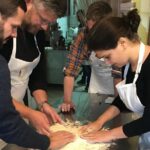
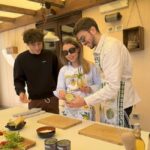
This isn’t the kind of cooking class where you sit down, take a few notes, then leave with a printed worksheet. You’ll be pulled into the work: mixing, rolling, shaping, and tasting while the table keeps moving.
The setting matters. The home base gives you that terrace-and-distant-coast perspective that makes Positano feel dramatic in a quiet way. And because the group is kept small (up to 14), it feels like you’re part of the cooking team, not a spectator crowd.
The hosts lean into the personal side too. Emily is the face you’ll meet most often in English, and she and Gennaro (with their mum involved) share family stories that explain why certain steps matter. It’s not just history-talk. It connects to technique, timing, and how the meal comes together.
You can also read our reviews of more cooking classes in Positano


Montepertuso and Li Galli: Why the Location Isn’t Just Scenic
The day starts with two simple “where we are” stops: Montepertuso and the Li Galli area. Even with a short class window (around 3 hours), those stops add a sense of place that a city-center class can’t match.
Montepertuso is where you feel the shift from Positano’s main lanes to the quieter hillside rhythm. That matters because cooking at a home in the area becomes more believable. You’re not transported to a restaurant kitchen; you’re in the family’s world.
Li Galli is all about the view. If you’re the kind of person who likes photos but also likes context, the stop gives you something to “connect” the meal to. You’ll be eating food shaped by coastal ingredients and the hillside growing space around you.
Practical note: bring comfortable shoes and plan for some walking. Positano terrain is not flat, and the class setting is not designed to be stroller-wheel friendly. That said, the experience is described as suitable for children, so it can work for families who move at an easy pace.
The Aperitivo Start: Prosecco, Limoncello, and Local Bites
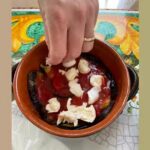
Before the dough ever touches your hands, you get the aperitivo flow. The welcome includes local products such as salami, tarallucci, local cheese, olives, and prosecco. Then you shift into a lighter course with caprese-style elements: local mozzarella, fresh tomatoes, rocket, and grilled vegetables that you can connect back to the garden ingredients later.
This matters because it sets the seasoning mindset. You’re tasting the region before you start making pasta. It helps you understand how the simple ingredients get treated with respect—rather than how to chase complicated flavors.
And yes, the drink side is part of the experience. Many participants note a lot of wine during the meal, plus family limoncello. I like this approach: it keeps the class from feeling like homework. You’re learning, but you’re also eating.
Garden Ingredients Then Dough: How Ravioli Really Comes Together
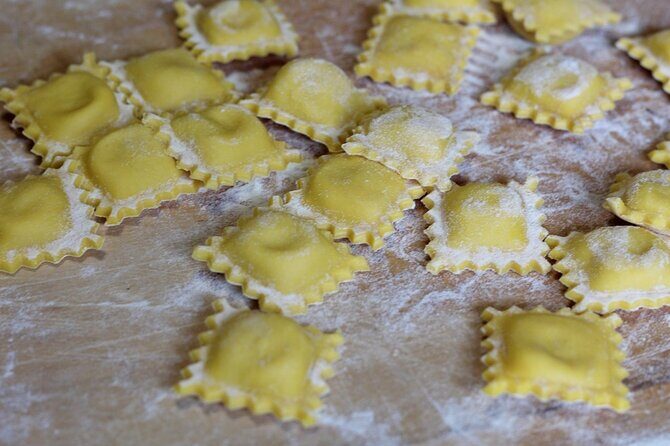
Ravioli is the star of the first pasta segment. You’ll make fresh ravioli pasta with ricotta or other filling options you choose together—vegetable or meat-based selections depending on what you prefer.
This part is where you’ll feel the difference between fresh pasta and packaged pasta right away. Working the dough takes coordination. Reviews describe the dough as something you build together—long stretches and group effort—because that’s how homemade pasta becomes consistent.
Here’s what you should pay attention to as you work:
- Filling balance: too much makes sealing messy; too little changes the bite.
- Sealing quality: the class vibe stays fun, but the technique is real.
- Texture: fresh dough cooks fast, so you need to trust the process, not overthink it.
The class also emphasizes an organic-style approach and a family recipe method passed down from the hosts’ grandmother. That’s the value. You’re not just learning a recipe. You’re learning why the recipe behaves the way it does.
Tagliatelle: The Straightforward Noodles That Teach Real Technique
After ravioli, you move to tagliatelle—handmade fresh pasta with ingredients that come from the garden. This is often the “aha” pasta for people who think pasta-making is only for special occasions.
Tagliatelle is forgiving in the sense that the shape is simple, but it demands attention in the details: thickness, cutting consistency, and how you handle the strands. You’ll feel that in your hands even if you’re a beginner.
The good part is that tagliatelle doesn’t try to overwhelm you with 10 steps. It reinforces the pasta-making basics you practiced in the ravioli portion, then turns them into a different form.
If you’re cooking with friends at home, this is the pasta you’ll find easiest to repeat. Reviews mention excitement about recreating it later, and that tracks with the “learn the skill, then use it” feel.
You can also read our reviews of more tours and experiences in Positano


Tiramisu from a Grandmother Recipe (No Panic, Just Steps)
You don’t leave without dessert. Tiramisu is included, and the class frames it as an old family recipe connected to their grandmother. That’s important, because tiramisu can go wrong in two ways: too watery or too stiff.
In this class setup, you’ll learn how to make it as part of the overall meal flow, not as a rushed add-on. You’ll use the time well, taste along the way, and end with a dessert that feels like it belongs in an Italian home.
One small but meaningful note: even if tiramisu isn’t your favorite dessert, you might leave changing your mind. Multiple reviews call out that the tiramisu was a highlight and tasted excellent, even for people who didn’t expect to like it.
Wine, Photos, and the Way the Table Keeps Moving
Food classes often stop once the cooking is done. Here, the meal and the teaching stay connected.
You’ll be guided through cooking, then sit down with what you made, paired with a local wine setup that often includes prosecco and plenty of drinks during the experience. Several reviews also mention homemade limoncello as a treat.
The hosts also bring a social rhythm. Singing, dancing, and lots of laughter show up in multiple write-ups. That may sound like fluff, but it changes the learning feel. When people are relaxed, they ask questions and keep moving through dough trouble without stress.
And yes, there’s a modern touch too: Emily is noted for taking photos and videos during the event and sharing them via WhatsApp before people even leave. It’s a nice way to keep memories without filling your camera roll with blurry “I was there” shots.
Price and Value: $181.41 for Pasta, Dessert, and a Real Home Meal
At $181.41 per person for about 3 hours, this isn’t a budget activity. But it’s also not just “ingredients plus a lesson.”
You’re paying for:
- a small group (max 14, often around a dozen),
- three full recipes (ravioli, tagliatelle, tiramisu),
- garden-grown ingredients and local produce,
- a wine-and-aperitivo style meal flow,
- recipes provided afterward (many participants mention a PDF).
That mix is what makes the value make sense. You’re not leaving with a single pasta technique. You’re leaving with a full dinner framework, plus the confidence to repeat it.
If you’re the type of traveler who hates paying for “industrial cooking classes” that feel like a demo kitchen, this is the safer bet. The family-home feel shows up in the way the day is paced and how much you’re involved in the work.
Logistics That Matter: Where to Meet and How the Day Fits
Meet at Piazza Cappella, 84017 Positano SA, Italy. The activity ends back at the same meeting point, so you’re not stuck figuring out how to get home afterward.
Because the home base is in the hills, plan your timing with care. You’re going from the main area to a less central setting, then back. In a place like Positano, that’s the one place where the “short class duration” can still feel like a half-day if you’re running late.
Also keep weather in mind. The experience requires good weather. If conditions are off, your date could change or you’ll get a full refund.
Who Should Book This Cooking Class in Positano?
This is a great match if you want:
- hands-on cooking (not just watching),
- a family-style atmosphere with real stories,
- food that uses local ingredients and shows up in the final meal.
It can also be a solid choice for families who enjoy interactive activities and aren’t bothered by a bit of walking and a hillside setting.
You might skip it if you want a very formal, lecture-heavy class, or if you prefer big-group activities with minimal participation. This experience is built for interaction, teamwork, and a relaxed kitchen pace.
Should You Book? My Take
If your goal is to eat well in Positano and learn something you can actually cook again, I think this is one of the smarter picks. The small group size, the use of garden ingredients, and the fact that you make both ravioli and tagliatelle plus tiramisu give you more than a simple meal ticket.
Book it if you like warmth and process. That’s the core product here: the family’s home energy paired with real technique.
If you’re unsure, check your comfort with walking on uneven ground and keep your weather flexibility in mind. When conditions are right, this class feels like a highlight because you don’t just taste the region—you help make it.
FAQ
How long is the ravioli and tagliatelle cooking class in Positano?
It runs for about 3 hours.
What recipes will I make during the class?
You’ll make ravioli, tagliatelle, and tiramisu.
Is the class taught in English?
Yes. The experience is offered in English.
Where do I meet, and does it end nearby?
You meet at Piazza Cappella, 84017 Positano SA, Italy, and the activity ends back at the meeting point.
How big is the group?
The class has a maximum of 14 travelers.
Does the experience depend on weather?
Yes, it requires good weather. If it’s canceled due to poor weather, you’ll be offered a different date or a full refund.
Can I get a full refund if I cancel?
Yes, you can cancel for a full refund if you do it at least 24 hours before the experience’s start time. Canceling later than that isn’t refunded.