REVIEW · POSITANO
Hands-On Pasta and Tiramisu Class in Positano with Local Family
Book on Viator →Operated by Cesarine: Cooking Class · Bookable on Viator
Cooking in a real Amalfi home is different.
This Positano class goes past basic instructions and teaches you how local cooking works in this corner of Italy, with a Cesarine welcoming you in her home like part of the family. I love the small group size (up to 12), because you get real attention while learning techniques that actually stick. One drawback to consider: since it’s in a private home, the space can feel tight, and the focus is mainly on pasta making plus tiramisù, not an all-day, sauce-by-sauce masterclass.
I also love the payoff. You don’t just cook and leave—you sit down together family-style and eat what you made, often with homemade bread and local drinks. If you want a full, hands-on night with lots of tasting, that part is the magic.
In This Review
- Key things I’d plan around
- A home-kitchen class beats the restaurant version in Positano
- The “small group” reality check
- What you’ll cook: pasta shapes plus classic tiramisù
- Fresh pasta: choose from iconic shapes
- Tiramisu: the dessert that always delivers
- How the 3-hour evening usually flows (and where you’ll feel it)
- A note on sauce expectations
- The Cesarine hosts: why their teaching style matters
- Photos and small moments
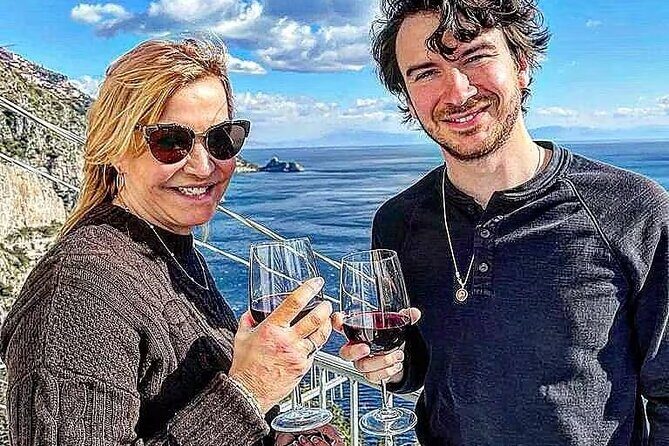
- Views, wine, and eating family-style: the real Amalfi Coast moment
- Price and value: is $203.95 per person fair?
- Logistics: meeting point, time, and why details matter
- Show up on time
- If the class is farther than you expect
- Who should book this class in Positano
- Who might want to think twice
- Should you book the Pasta and Tiramisu class?
- FAQ
- How long is the pasta and tiramisù class in Positano?
- Where does the experience start and end?
- How big is the group?
- What dishes will I learn to make?
- Is the class offered in English?
- Will I get a mobile ticket?
- What’s the price per person?
- Can I cancel for a full refund?
Key things I’d plan around
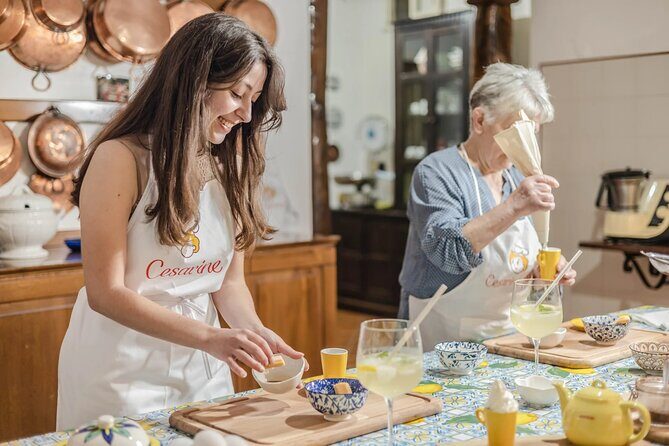
- Up to 12 people means more hands-on help and less waiting your turn
- Fresh pasta + tiramisù from scratch is the core menu
- A Cesarine in her home gives you an authentic feel that restaurant classes can’t match
- Family-style eating turns the class into a real shared meal, not a demo
- Positano-specific technique and taste helps you understand how this coast’s cuisine differs
A home-kitchen class beats the restaurant version in Positano
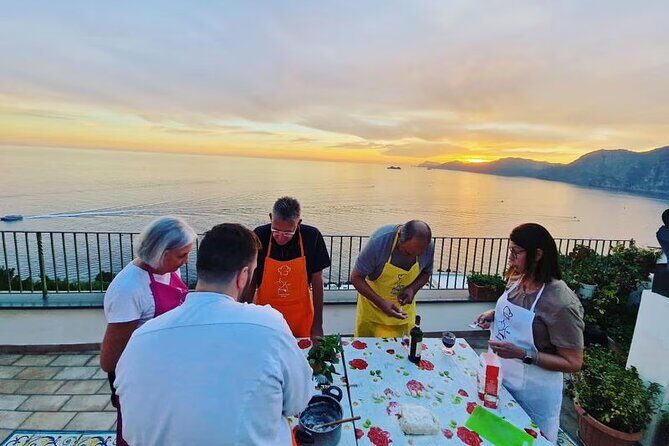
Positano has a way of pulling you into the “views first” mindset. This experience flips that. You trade the postcard look for flour on your hands, a real kitchen rhythm, and local habits you wouldn’t notice from the outside.
The biggest reason this works is the setup: you’re in a local family home with a Cesarine host. That changes the tone right away. Restaurants run on service schedules. Homes run on food routines—who’s kneading, who’s tasting, who’s adjusting salt, and how the dinner table starts doing its job even while you’re still learning.
I also like that the class is aimed at the cooking that fits Positano. The menu may rotate, but the idea is consistent: you learn the techniques and choices that make this coast’s food feel like it belongs here, not like it was copied from somewhere else in Italy.
You can also read our reviews of more tours and experiences in Positano

The “small group” reality check
“Small group” is usually great, and it is here. But private homes on the Amalfi Coast can be compact. Even with a max of 12, you might end up close to your tablemates. If you’re the type who needs lots of personal space, plan on leaning in and being flexible.
What you’ll cook: pasta shapes plus classic tiramisù
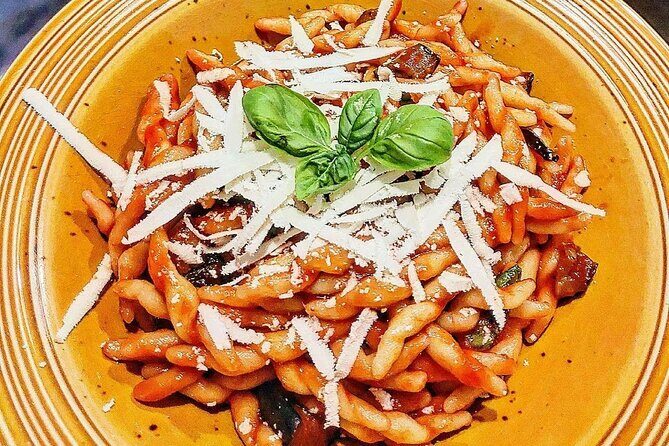
The class centers on two stars: fresh pasta and tiramisu.
Fresh pasta: choose from iconic shapes
You’ll get hands-on with fresh pasta, and the specific pasta types can vary. Options include paccheri, gnocchi, scialatielli, ravioli, and maccaroncelli. The common thread is technique: mixing, forming, and getting the dough to behave like real pasta dough, not play-dough.
You might also notice how hosts explain the “why” behind the shape. For example, some pasta shapes are better suited for certain ways of serving and eating, and that’s where you start understanding why regional food feels different even when it’s still Italian comfort food.
Tiramisu: the dessert that always delivers
Then comes tiramisù. You’ll build it from scratch as part of the class experience, not as a pre-made option you reheat. The best part is watching how each step changes the texture—something you can’t fully learn from just reading a recipe.
In many sessions, hosts keep it fun and practical. Some even add a personal touch with extra local sweets or small dessert variations, depending on the host and what’s in season.




How the 3-hour evening usually flows (and where you’ll feel it)
The class runs about 3 hours and ends back at the meeting point. In real life, that means your time gets packed with cooking stations, instruction, and then a shared meal.
Here’s the rhythm you should expect:
1) You arrive and get welcomed
You’ll meet your host (a Cesarine) and get into the flow. Some hosts start with something to drink and small bites before real cooking begins. One of the consistent themes from past experiences is that you’re not dropped into a classroom. You’re brought into a home kitchen.
2) You make fresh pasta in a hands-on way
You’ll work with the dough and learn how to shape and handle it. The point isn’t just to end up with something edible. It’s to learn the steps so you’d recognize good pasta dough the next time you try it.
3) You move from pasta to dessert
Tiramisu usually becomes the “reset” moment—switching from dough work to assembling layers. This is often where hosts keep things easy for beginners, because you can feel progress quickly.
4) Then you eat together
This is the payoff. You sit down family-style and enjoy the meal you cooked. Many hosts also serve homemade bread, and you may be offered wine or other local drinks. Some hosts add extras like herb-based homemade liquor or limoncello-style touches, depending on the family.
A note on sauce expectations
A cooking class can mean different things. This one is clearly built around pasta and tiramisù. If you’re expecting a long, super-detailed focus on sauce-making, you might find the balance leans toward the pasta technique and dessert. In practice, your meal should still be satisfying, but set your expectations so you don’t feel like you missed the “sauce masterclass” portion.
The Cesarine hosts: why their teaching style matters
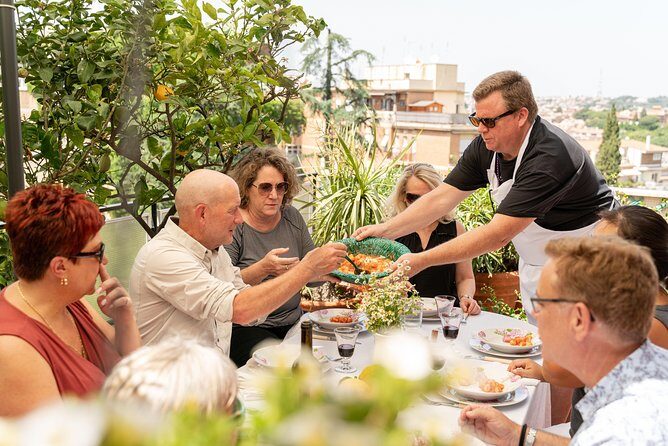
This experience isn’t run like a scripted kitchen show. It’s run like family teaching you how they cook.
Hosts you may meet include Rocco and Carla, Rubina and Valeria, Sergio, Antonio, Andrea, or Emily and Luisa. Even with different personalities, one thing stays consistent: they’re welcoming and they want you to succeed.
What you’ll likely notice in the way they teach:
- They adjust as you work, rather than lecturing from the sidelines
- They explain steps in plain terms you can repeat later
- They keep the vibe relaxed, so you’re more likely to enjoy the process than just rush through it
Some hosts also handle substitutions or preferences with flexibility. That’s not something you should assume everywhere, but it’s a pattern that shows up in how families host. If you’re a picky eater, tell yourself you’ll probably be okay—just don’t expect a restaurant-level menu overhaul.
Photos and small moments
A lot of hosts treat the evening like a shared memory. If you like snapping photos while someone else is holding the camera, you’ll likely get that chance.
Views, wine, and eating family-style: the real Amalfi Coast moment
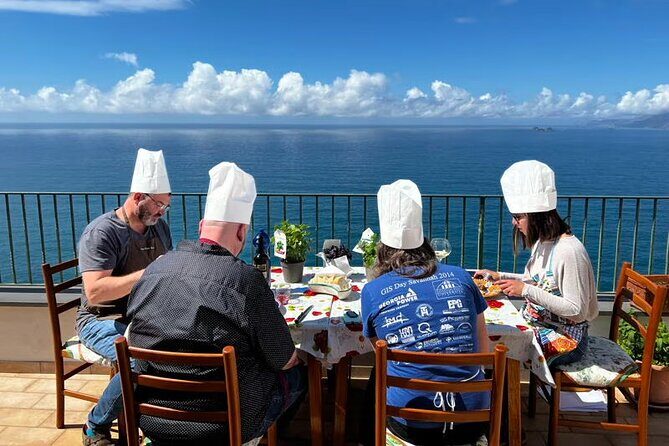
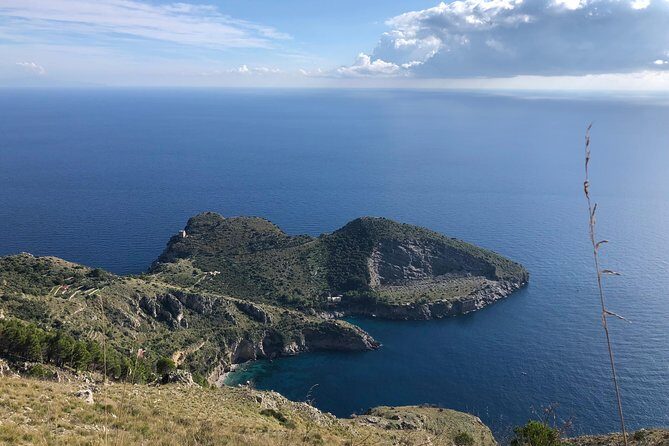
Positano’s beauty is obvious from the street. The special part here is how you experience it while you’re actually living through the day’s rhythm in a home kitchen.
In many setups, the views show up during welcome moments on a patio or from the eating area. Past guests describe seats with sea views and a relaxed atmosphere that feels more like dinner with friends than a tour.
Then there’s the food side, and it’s not just the main dishes. You may find:
- Homemade bread with the meal
- Wine included during the experience
- Small extras that feel like family flavors rather than standardized catering
The meal is also served family-style, which changes the energy. You’re more likely to talk with the group, ask questions, and actually taste what you made while it’s still fresh and hot.
Price and value: is $203.95 per person fair?
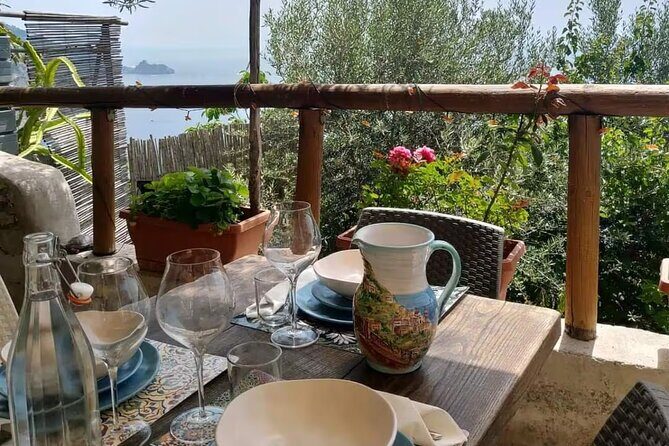
At $203.95 per person for about 3 hours, this isn’t a budget activity. You’re paying for three things that matter on the Amalfi Coast:
1) A private home setting
That’s overhead. It’s not a rented classroom. It’s a family kitchen made available to a small group.
2) Hands-on instruction for a small group
Max 12 travelers keeps the teaching personal, but it also means you don’t get huge cost-sharing the way you would with massive groups.
3) Food you actually cook
You’re not buying a snack. You’re investing in the meal—fresh pasta work plus tiramisù—and then eating together. Many hosts also include drinks, which adds to the overall value.
So the fair way to judge it is this: if you want a real cooking experience with food that’s part of the evening, it can feel worth it. If you want a cheaper option or you mainly care about a quick meal and a short demo, you might feel the price more than you’d like.
Also keep in mind one common complaint: if a home kitchen becomes crowded because of how everyone is booked, the “small group” promise can still feel tight. That doesn’t mean it’s bad—it just means your comfort level with close quarters matters.
Logistics: meeting point, time, and why details matter
The experience starts at 84017 Positano, SA, Italy and ends back at the meeting point. It’s near public transportation, and you’ll receive a mobile ticket.
Here’s the practical part: the meeting point can be general, because the class happens in a private home. You’ll need the specific address for your host after booking, not just the public starting label. That matters for two reasons:
- Amalfi Coast streets can be tricky even for confident drivers
- Private-home experiences depend on accuracy more than big landmark tours
Show up on time
One issue that comes up is timing. If you arrive late, the host may adjust the plan or limit options. In other words: treat this like a dinner reservation, not a museum ticket. If you’re running late, message right away.
If the class is farther than you expect
This is Positano area lodging, so sometimes the class may be in the wider region rather than directly inside the busiest core streets. Some experiences have involved a bus ride to a nearby town, then back afterward. If you’re planning around time, build in cushion.
Practical tip: plan your transport first, then choose your class time. Don’t assume you can easily “figure it out” on foot at night with bags and narrow streets.
Who should book this class in Positano

This is a strong fit if you want:
- A hands-on evening where you actually work with dough and assemble tiramisù
- A more personal group setting (max 12)
- A meal that feels like you’re part of a family dinner, not just a tasting stop
- A deeper feel for how food in this area can differ from other parts of Italy
It’s also a good choice for couples and small groups who don’t mind sharing a table and learning together.
Who might want to think twice
Consider alternatives if:
- You want a heavy focus on sauce-making and long technique coaching for sauces
- You’re very sensitive to tight working spaces
- You’re trying to “watch” more than you want to cook (this one is designed for hands-on work)
Should you book the Pasta and Tiramisu class?
I’d book it if you’re aiming for one memorable food evening on the Amalfi Coast that feels personal, not rehearsed. The strongest case is the combination of small group, fresh pasta technique, and scratch tiramisù, then eating what you made in a family-style setting.
One last check before you commit: confirm the exact address and plan to arrive early enough that you’re not rushing around. Do that, and you’ll likely walk away with more than dinner—you’ll leave with skills you can repeat at home and a stronger sense of what makes Positano cooking its own thing.
FAQ
How long is the pasta and tiramisù class in Positano?
It runs for about 3 hours (approx.) and ends back at the meeting point.
Where does the experience start and end?
It starts at 84017 Positano, SA, Italy and ends back at the meeting point.
How big is the group?
The class has a maximum of 12 travelers.
What dishes will I learn to make?
You’ll learn to make fresh pasta (with options like paccheri, gnocchi, scialatielli, ravioli, or maccaroncelli) and tiramisù.
Is the class offered in English?
Yes, it’s offered in English.
Will I get a mobile ticket?
Yes, the tour includes a mobile ticket.
What’s the price per person?
The price is $203.95 per person.
Can I cancel for a full refund?
You can cancel for a full refund if you cancel at least 24 hours before the experience’s start time. Free cancellation is available up to 24 hours in advance.