REVIEW · NAPLES
Private Tour to Pompei and Herculaneum: Skip-the-line Tickets
Book on Viator →Operated by Thebayofnaples · Bookable on Viator
Pompeii and Herculaneum are the rare sites where you can walk among real streets and buildings from daily Roman life. What makes this experience special is the private, guided format plus skip-the-line tickets for both places, so your day stays focused instead of getting swallowed by queues.
I like the fact that you get expert context while you’re moving through the ruins, not after. In Pompeii, your guide calls out the story behind major stops like the Forum, the Baths, and even places tied to the city’s darker side, including the Lupanar (brothel).
One thing to consider: the sites require real walking over uneven ground and stone steps, so plan for moderate fitness and comfortable shoes for a full 7 to 8 hour day.
In This Review
- Key highlights at a glance
- Pompeii and Herculaneum in one day: why the comparison matters
- Getting there from Naples: pickup, WiFi, and a smoother start
- Skip-the-line tickets: what they change, realistically
- Pompeii Archaeological Park: where the city’s big public life shows up
- The lunch break: how to use the downtime well
- Herculaneum Archaeological Park: wood, fabrics, and a different kind of preservation
- The guide is the real multiplier: Pompeii and Herculaneum make sense faster
- Price and value: how $148 stacks up for a private day
- Who should book this tour, and who might want a different pace
- Final verdict: book this tour or skip it?
- FAQ
- How long is the private tour to Pompeii and Herculaneum?
- Does the tour include pickup in Naples and transportation?
- Are skip-the-line tickets included for both Pompeii and Herculaneum?
- Will I have a guided tour inside both archaeological parks?
- Is lunch included?
- What fitness level do I need for this tour?
- What’s the cancellation policy for a full refund?
Key highlights at a glance
- Skip-the-line access for both Pompeii and Herculaneum helps you start sightseeing sooner
- Private guide with flexibility so your route matches your interests
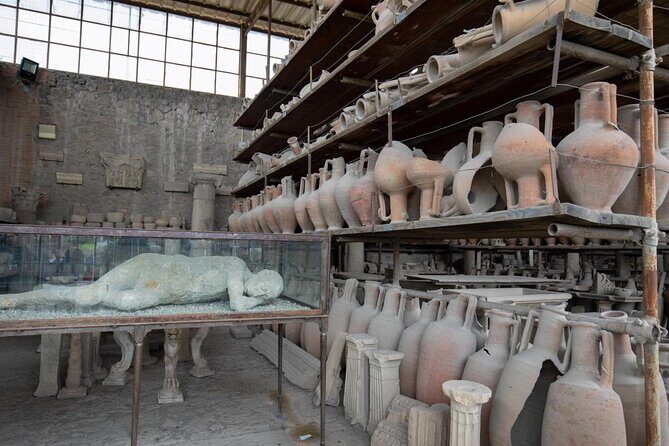
- Pompeii classics like the Forum, Baths, Lupanar, and amphitheatre in one steady flow
- Herculaneum’s unusual preservation including wood, fabrics, and a standout thermal-bath area
- A coach-friendly day plan with air-conditioning, WiFi, and parking covered
Pompeii and Herculaneum in one day: why the comparison matters
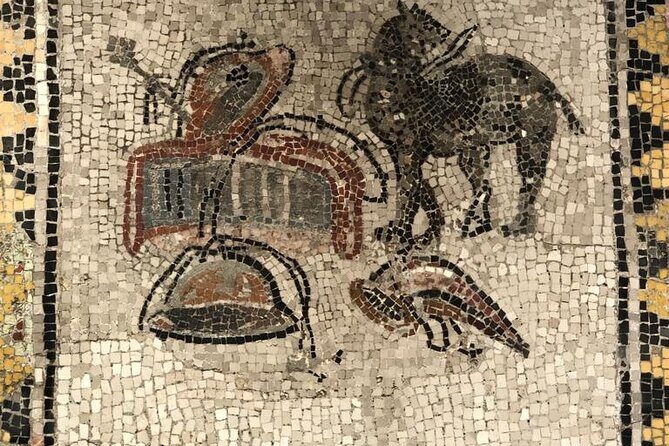
These two sites are often sold together, and for good reason. Pompeii and Herculaneum weren’t just neighboring towns. They were different kinds of communities, with different wealth, rhythms, and built environments. On this kind of day, the biggest win is that you see two versions of Roman life side by side, then watch the story change as the eruption’s effects differ.
Pompeii is the louder, more commercial place in the mix: a trading town with lots of bars, shops, restaurants, and yes, brothels. The ruins feel like a city you can almost hear. When you’re shown the Forum, the Baths, and the amphitheatre, you understand how public life worked. Even the private houses (like the House of the Vettii and the House of the Faun) help you connect everyday living to status and money.
Herculaneum tells a different story. It was more affluent and more elegantly built, and it preserves unusually well because of the way the volcanic material covered it. That’s why, once you’re there, you might notice preservation that’s harder to imagine elsewhere, including wood structures, fabrics, and even food remnants. The result is a town that can feel closer to a lived-in snapshot rather than just stone ruins.
If you want a trip that gives you more than checkboxes, this is a strong way to do it. You’re not just seeing two ancient places. You’re learning how two communities looked, how they functioned, and what the eruption froze for you.
You can also read our reviews of more tours and experiences in Naples


Getting there from Naples: pickup, WiFi, and a smoother start
Your day begins in Naples with pickup from your accommodation in a comfortable, air-conditioned vehicle. This sounds simple, but it matters. Pompeii and Herculaneum are popular, and getting to them on your own usually turns into time math plus stress. With pickup and private transport, you’re ready to go the moment your tour starts.
The drive also gives you a mental runway. As you travel, you’ll get your bearings and start thinking like a visitor with a plan: you’re heading to the towns shaped by Mount Vesuvius, then comparing what you see in Pompeii versus Herculaneum.
Practical perks add up on a long day. You’ll have WiFi on board, and parking fees are handled, which helps avoid the little logistical headaches that can steal energy. You do want to plan for lunch being on your own, but transportation is covered, so you can focus on the sites.
Skip-the-line tickets: what they change, realistically

Getting skip-the-line admission for both Pompeii and Herculaneum is one of the clearest value points here. These places attract crowds, and lines can be the difference between a relaxed start and a rushed, frustrated one.
That said, skip-the-line does not erase the fact that the ruins are extensive and the walking is real. You’ll still spend most of your time on foot across archaeological surfaces that aren’t designed for easy strolling. The best way to treat this day is as a guided sprint with breaks: your guide will keep you moving through the sites in an efficient way so you can see major areas without getting lost.
One more practical tip: since the tour uses a mobile ticket, make sure your phone has enough battery and service. If you rely on charging, bring a small power bank.
Pompeii Archaeological Park: where the city’s big public life shows up
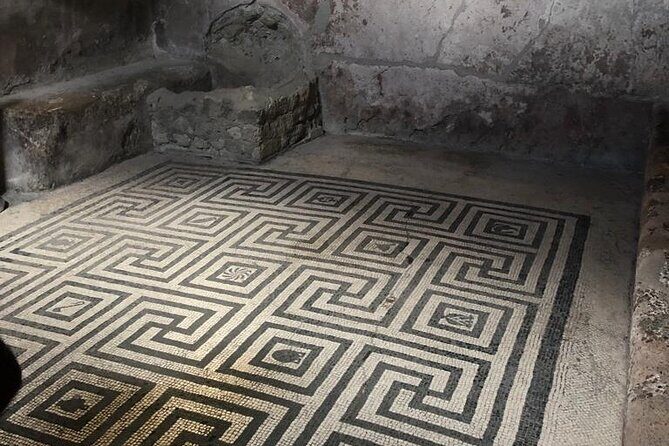
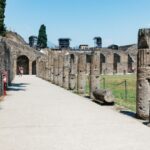
Pompeii gets the first guided stretch, and it works because you start with the heart of what made the town function. After arriving, you meet your private guide, who is there to tailor the day to what you care about most.
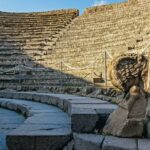
Your Pompeii highlights are the kind that teach you the place fast, without making you guess. You’ll see the Forum, which is where civic life played out. You’ll also encounter the Baths, a major piece of daily routine in Roman cities. It’s not just architecture. It’s how people socialized, refreshed, and talked.
Then come stops that make Pompeii feel more human and less like a museum. The Lupanar (brothel) is part of the story of nightlife and commerce, and the guide’s job is to help you connect it to the town’s economy and social structure. It can be a heavy topic, but it’s also part of why Pompeii matters: it doesn’t sugarcoat Roman life.
House visits add another layer. Places like the House of the Vettii and the House of the Faun help you understand domestic wealth and the visual language of status. You’re looking at more than walls. You’re seeing what people wanted to show visitors and how spaces were used.
Finally, you’ll take in the amphitheatre, which helps you connect entertainment to politics and community identity. Watching these major nodes in a guided sequence is the difference between scattered photos and real understanding.
One drawback to keep in mind: Pompeii can feel emotionally intense, mostly because it’s so complete in the way it preserves daily structures. A good guide helps, and the stronger guides do exactly what you need: they explain what you’re looking at and why it mattered, so you don’t just see pretty ruins. You see a functioning city.
The lunch break: how to use the downtime well
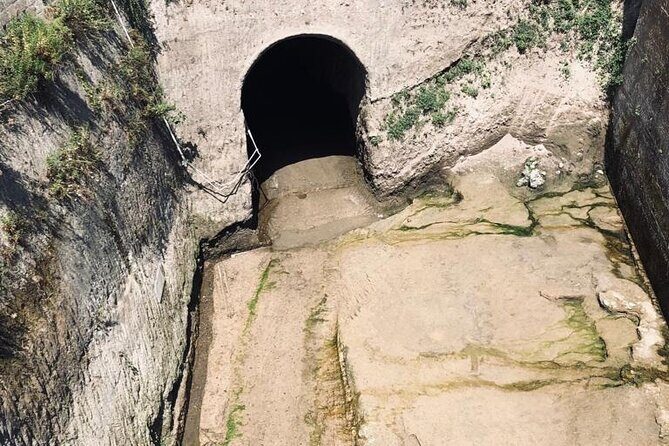
Between Pompeii and Herculaneum, there’s a break for lunch. Lunch isn’t included, so you’ll want to use this time strategically.
I like this structure because it gives you a brain reset. Pompeii hits you with density: forums, houses, public entertainment, and the city’s many layers. After you’ve absorbed that, Herculaneum feels different. When you arrive there, you’ll appreciate the change more if you’re not running on fumes.
Practical advice for lunch day logistics: plan for something quick and easy to eat outside, and keep water handy. Even without inventing details, you can assume the weather and walking can add up. A short recovery period makes your second half more enjoyable.
You can also read our reviews of more private tours in Naples





Herculaneum Archaeological Park: wood, fabrics, and a different kind of preservation
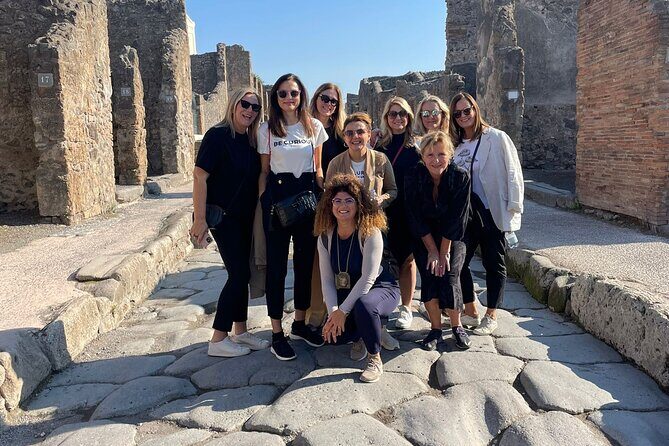
Herculaneum is often described as better preserved, and that’s exactly what makes it worth your time. It was covered in a different way, and you can feel the difference as you move through it.
Because the town preserves more unusual materials, it can look and feel closer to a snapshot of real life. You might notice preservation of wooden structures and fabrics, and the area can include evidence like food traces. The guide helps connect what you’re seeing to daily routines, not just preservation trivia.
In Herculaneum, your guided highlights include several key properties and civic areas. You’ll visit spots like the House of the Mosaic Atrium and the House of Neptune and Amphitrite. These help you see how art, layout, and status worked in a wealthier setting.
Then there’s the standout: the thermal baths. Roman baths weren’t just about cleanliness. They were social infrastructure, and Herculaneum’s thermal area is one of the best places to understand how sophisticated daily life could be. When your guide connects the baths to water systems, frescoes, and mosaics, the town becomes readable.
You’ll also hear about the advanced water system and how the social and economic structure shaped what people could afford. This is where the tour’s comparison angle really pays off. After Pompeii, you begin to see how wealth influenced building materials, artwork, and the feel of everyday spaces.
If you’re the type of person who likes details, this portion is where the guide’s storytelling matters most. Strong guides make you feel like you’re walking through a neighborhood, not just a set of artifacts.
The guide is the real multiplier: Pompeii and Herculaneum make sense faster
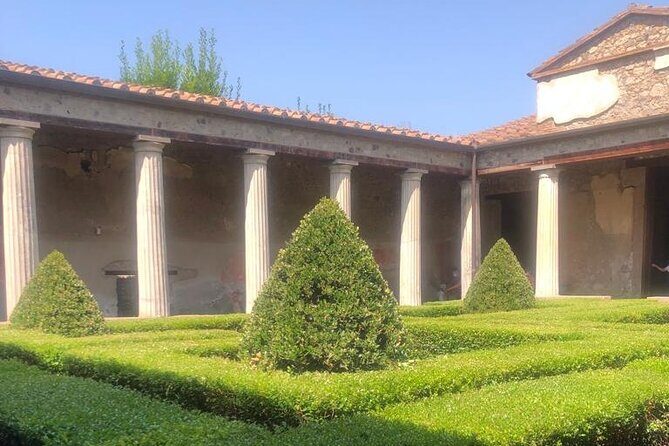
A private guide changes the day from sightseeing to learning. You’re not just moving through ticketed areas. You’re getting explanations as you go, tied to what you’re seeing.
In one of the standout experiences, a guide named Glauko was praised for giving background knowledge to help people understand what they were looking at, and for answering every question thrown at him. That’s the kind of guide you want for these sites. Pompeii and Herculaneum can overwhelm you with names and rooms. A guide who can translate it into human stories makes the whole day click.
Even the tour’s design supports this. It’s private, so the pacing can adjust. That matters because some parts of the ruins may grab your attention more than others. Your guide is there to tailor the tour to your interests, which helps you leave feeling like you got what you came for.
Price and value: how $148 stacks up for a private day
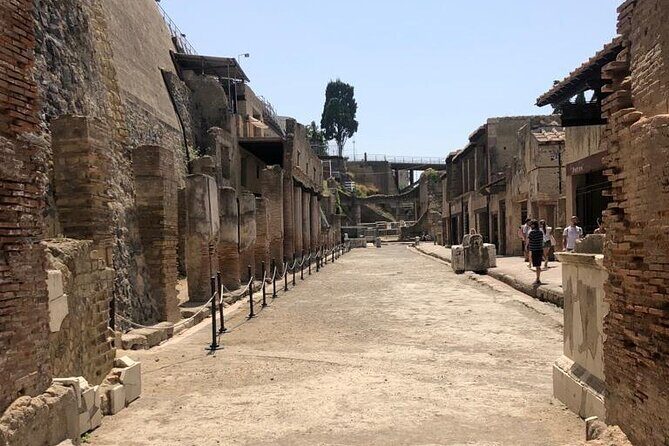
For about $148 and roughly 7 to 8 hours, you’re paying for more than a ticket. You’re paying for a bundle of time-saving and expertise:
- Skip-the-line tickets for both Pompeii and Herculaneum
- Guided tours in Pompeii and Herculaneum
- Private air-conditioned transportation from Naples with pickup
- Parking fees covered
- WiFi on board
- Mobile ticket delivery for a smoother entry flow
Lunch is the main exclusion, and you should plan on that cost separately.
So is it good value? For a day that covers two major sites, includes private transportation, and keeps you out of the worst waiting lines, this price can be fair to strong. Where value really shows is for groups who want less stress and more meaning per hour. If you’re traveling with friends or family, a private setup often feels like paying for convenience plus real guidance.
If you’re a solo traveler who only wants to wander on your own and doesn’t care about context, you could find cheaper options. But if your goal is to understand what you see, this price makes sense as a practical shortcut to quality.
Who should book this tour, and who might want a different pace
I’d recommend this tour if you want a guided day that gives you both the famous highlights and the interpretive layer that makes ruins understandable.
It’s especially good for:
- Couples or small groups who want private pacing and Q&A
- Visitors who like learning as they walk, not after the fact
- People who want the Pompeii vs Herculaneum comparison in one day
- Anyone who prefers avoiding long entry lines and dealing with transport alone
You might think twice if:
- You want a slow, unstructured day with lots of lingering, because guided time is still time
- You have difficulty with uneven stone ground and sustained walking, since the tour expects moderate fitness
- You’re trying to keep the entire day budget tight, since lunch isn’t included
Final verdict: book this tour or skip it?
If your priority is a structured, high-value day with a private guide, skip-the-line access, and transportation handled, this is an easy yes. You’ll get a clear run through Pompeii’s major public and domestic highlights, then shift gears in Herculaneum to see how preservation and wealth change the story.
My only caution is the physical part. Wear shoes you can trust, carry water, and don’t underestimate how long the day feels once you’re moving between sites.
If that matches your style of travel, booking is a smart move.
FAQ
How long is the private tour to Pompeii and Herculaneum?
The tour runs about 7 to 8 hours.
Does the tour include pickup in Naples and transportation?
Yes. The experience offers pickup from your accommodation in Naples and travel in an air-conditioned private vehicle, with WiFi on board.
Are skip-the-line tickets included for both Pompeii and Herculaneum?
Yes. Skip-the-line admission fees and tickets for both sites are included, with mobile ticket delivery.
Will I have a guided tour inside both archaeological parks?
Yes. You’ll have guided tours in Pompeii and in Herculaneum.
Is lunch included?
No. Lunch is not included.
What fitness level do I need for this tour?
The tour is listed for travelers with a moderate physical fitness level.
What’s the cancellation policy for a full refund?
Free cancellation is allowed up to 24 hours in advance for a full refund. If you cancel less than 24 hours before the start time, the amount paid is not refunded.