REVIEW · SALERNO
Private Ceramic Workshop in Vietri Sul Mare
Book on Viator →Operated by Pulcinella Sciòroom · Bookable on Viator
Clay work in Vietri is oddly calming.
This private-style ceramic workshop (max 6 people) in Vietri sul Mare is built to give you a full workflow of local pottery making in about 3 hours, led by the patient, English-speaking instructor Elvira at Pulcinella Sciòroom. I like that you get to try several real techniques instead of just painting one small piece, and you’ll also get context about the process and history of ceramics in Vietri sul Mare, not only steps. You’ll model clay by hand, experiment with the Colombino methods, try the lathe/pottery wheel, watch glazing happen, then do decoration on ceramic glaze and tiles.
One possible drawback is what you can take home right after class. Some participants say you may not leave with finished, fired ceramics the same day because drying and the full process take time, and the shop may offer posting later (with delays noted in follow-up comments). In hot weather, the outdoor parts can also feel intense, so plan for heat and bring water if you can.
In This Review
- Key Things to Know Before You Go
- Vietri Sul Mare Ceramics: Why This Workshop Feels Like the Real Deal
- Meet at Pulcinella Sciòroom and Dress for Clay (Not for Cute Photos)
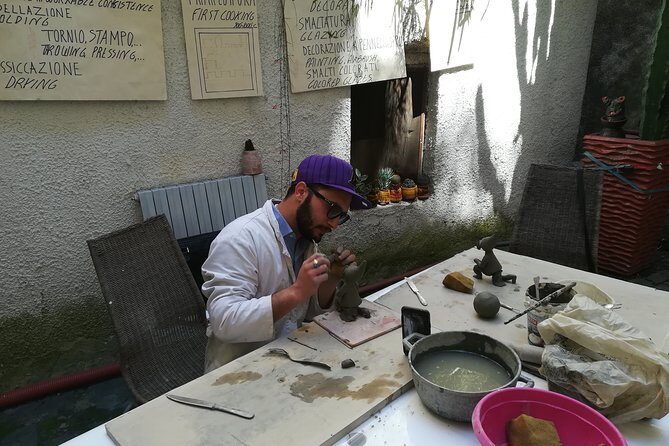
- Your First Hour: Hand Modeling Small Animals and Simple Forms
- Colombino Techniques and Wheel Practice: Where the Challenge Starts
- Glazing and Tile Decoration: Immersion Glazing Plus Your Own Style
- The Vietri Part: You’re Not Only Making Things, You’re Understanding Them
- What You Take Home: Plan Around Drying and Firing Time
- Price and Value: $82.90 for Three Hours of Actual Making
- Who Should Book This Workshop (and Who Might Skip It)
- Should You Book This Private Ceramic Workshop in Vietri?
- FAQ
- How long is the private ceramic workshop?
- What is the price per person?
- Is the workshop taught in English?
- How many people can join the class?
- Can I take the ceramics home at the end of the experience?
- Where do I meet, and when does it start?
Key Things to Know Before You Go
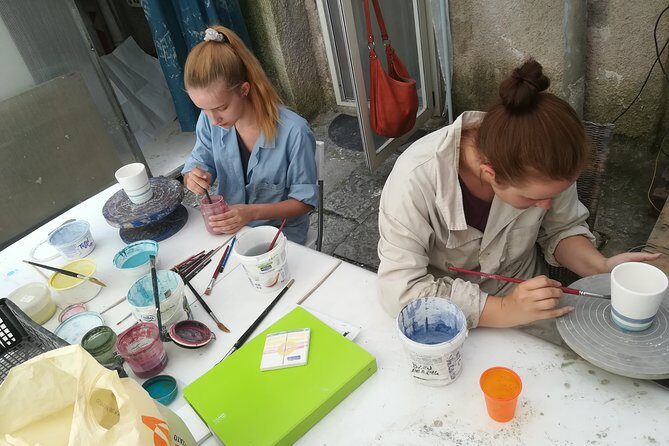
- Small-group cap (6 people) means you’re not just watching; you’re working at your own pace.
- You try multiple techniques in one session: hand modeling, Colombino methods, wheel/lathe, glazing, and decoration.
- Elvira’s teaching style comes up again and again in reviews, especially for total beginners and mixed-age groups.
- Tile decoration options let you choose a look: geometric, fantasy, or naturalistic motifs.
- Expect mess and heat: skip jewelry and dress for clay, especially if you’re there in summer.
- Plan for after-class processing: some people report you don’t walk out with fired pieces immediately.
Vietri Sul Mare Ceramics: Why This Workshop Feels Like the Real Deal
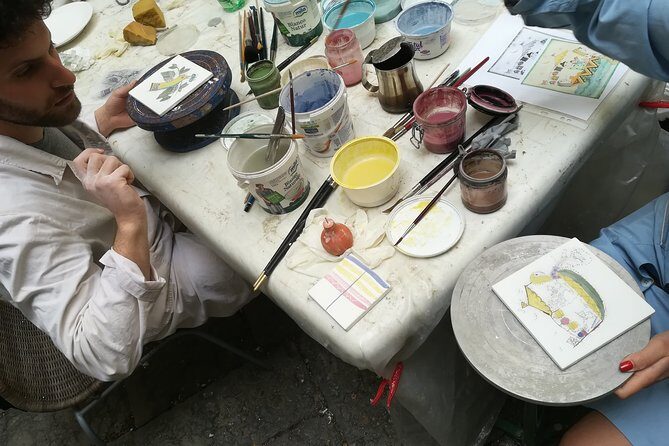
This isn’t a one-note craft class. You’re not only painting a pre-made souvenir. The workshop is designed as a quick tour through the practical stages of ceramics: shaping, forming, glazing, and decorating. That matters because most first-timers only see the final object. Here, you see how the clay behaves and how each step changes what comes next.
The format also supports confidence-building. You start with simpler manual tasks, then move toward the wheel/lathe, then glazing and decoration. You’re still learning, but you’re not thrown straight into the hardest part with no foundation. Several comments highlight how Elvira explains the steps clearly, stays patient, and keeps the pace workable even when everyone in the room is brand-new.
You can also read our reviews of more private tours in Salerno



Meet at Pulcinella Sciòroom and Dress for Clay (Not for Cute Photos)
Your start point is Pulcinella Sciòroom on Corso Umberto I, 102, in Vietri sul Mare (start time 10:30 am). The experience ends back at the meeting point, so you’re not juggling transport after a muddy, pottery-filled morning.
Come dressed for hands-on work. One of the most consistent bits of advice: don’t wear jewelry. Clay and glaze are messy, and even careful people end up with delightfully dirty hands. Wear clothes you’re comfortable ruining a little, and choose shoes you can stand in for a few hours. If you’re going in summer, plan for heat too. One review calls out an especially hot workshop setting in August, with people wishing there had been refreshments.
Practical tip: if you’re bringing a tote bag, keep it dedicated to supplies and keep your phone and valuables well protected. You’ll thank yourself later.
Your First Hour: Hand Modeling Small Animals and Simple Forms
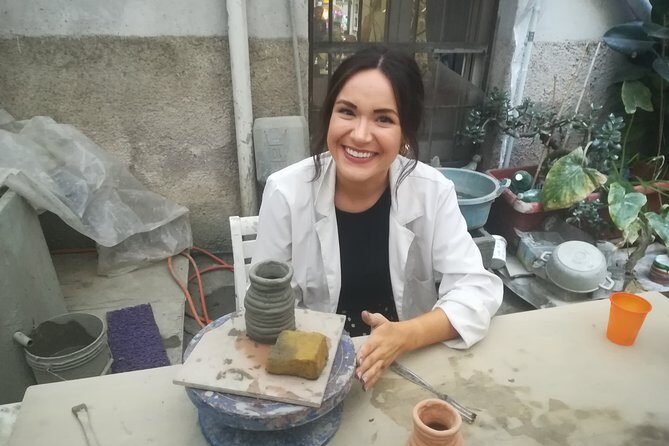
The workshop typically begins with clay modeling. Expect small animal forms first, then you may experiment with Colombino-style techniques (more on that in the next section). The aim in the beginning is to help you learn how clay moves under your hands—how it sticks, how it stretches, and how to correct mistakes before they harden.
In the feedback, people describe making figures and forms that include animal shapes like sea horse and fish themes, plus other playful creatures. Some also reference building basics like a pinch pot or a small bowl. Even if your exact subject differs, the skill lesson is the same: you learn how to shape something with your fingers before you ever touch the wheel.
Why this stage is worth it: hand-building makes the material feel understandable. You stop thinking of ceramics as mysterious art and start thinking of it as guided physics—gentle pressure, smoothing, and patience.
Colombino Techniques and Wheel Practice: Where the Challenge Starts
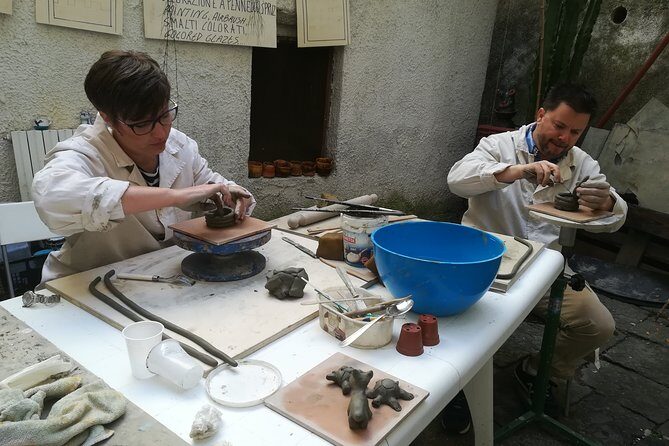
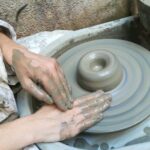
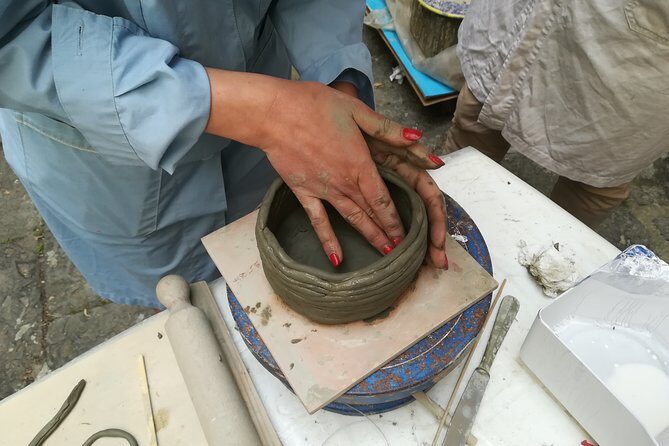
After the first manual stage, you’ll move into working with Colombino techniques and then try the lathe/pottery wheel. In plain terms, Colombino methods are about building with clay coils or elements, then refining into a shape. If you’ve never worked with clay, this is where you learn the difference between a shape that looks okay and one that’s structurally sound.
Then comes the wheel. Expect it to feel harder than you think. One comment sums it up as the wheel being not so easy, but also fun in a learn-by-doing way. The instructor demonstrates, then you try. You may work on forms like small vases, and you get guidance while you learn to center the clay and shape it without wobbling.
What I like here for beginners: you get coached while you’re still at the early stage. You’re not left alone with a lump of clay and a guess.
Glazing and Tile Decoration: Immersion Glazing Plus Your Own Style
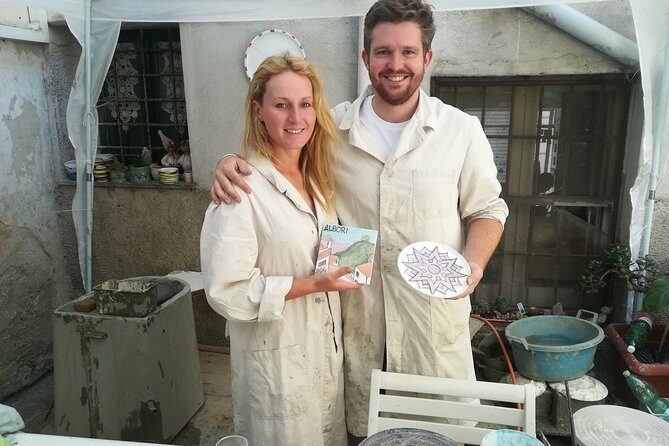
Once you’re past forming, the workshop shifts to glazing and decoration. You’ll see glazing done and then you’ll try it yourself—particularly with immersion glazing (the technique described in your workshop format). Immersion glazing is one of those steps that makes you understand ceramics as a layered process. It’s not only about decoration; it’s about how the surface finish affects the look once fired.
For decoration, you have choices. The workshop format mentions tile decoration where you can pick a style direction: geometric, fantasy, or naturalistic. That’s a great way to personalize the outcome without needing advanced artistic skill. You’re not asked to invent a whole design from scratch; you’re selecting a style and applying it in the workshop context.
In reviews, people also describe painting ceramic pieces and painting a pot after forming. You’ll likely do a mix of decorating actions depending on what day’s plan looks like, but the core pattern stays the same: hands-on glazing first, then decoration, guided by Elvira.
Small reality check: glaze and paint are forgiving in technique terms, but you should still expect your work to look more handmade up close. That’s part of the charm. It’s your process, not a mass-produced store sample.
You can also read our reviews of more tours and experiences in Salerno



The Vietri Part: You’re Not Only Making Things, You’re Understanding Them
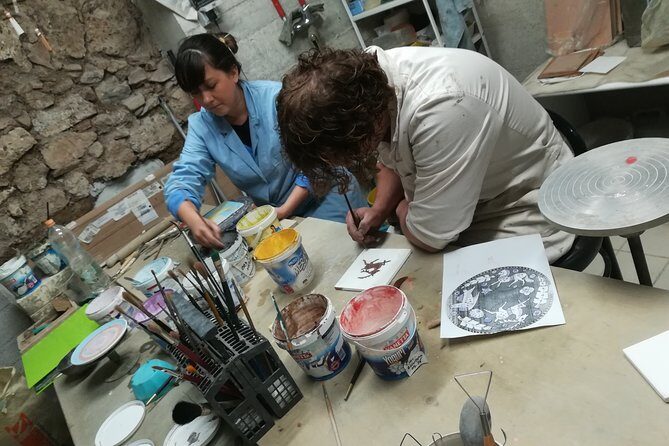
The workshop includes background on the history of pottery in Vietri sul Mare. People specifically note that this context was interesting, and that Elvira shared ceramics history while teaching the practical steps.
That combo is a win. If you’re the type who likes travel to leave a mark, this gives you a story to attach to the object: how ceramics techniques evolved, and why the methods you practiced matter. It also helps you see the local craft as a living skill rather than a museum display.
Even if you’re not a ceramics person, that short history piece can make the whole class feel more meaningful and less like just a hobby session.
What You Take Home: Plan Around Drying and Firing Time
This is the part you should clarify in your head before you go in.
Some feedback says participants did not receive finished items to take away immediately. One comment says the drying process takes time (with a two-week natural drying mention), and that you may not be able to leave with the pieces right then. Another concern raised is that it can feel disappointing if you assumed everything would be delivered instantly.
On the positive side, other comments mention Elvira offering to arrange shipping/postage back to different countries after firing and finishing. One note cites a timeline of weeks to months for posting, with an estimate around 2–3 months mentioned in follow-up.
So here’s the practical way to handle it: treat this workshop as the hands-on experience, not as a same-day take-home shop purchase. If you need a finished souvenir by a specific date, plan extra time for processing, or ask what the shop can do for sending pieces before you book.
Price and Value: $82.90 for Three Hours of Actual Making
At about $82.90 per person for roughly 3 hours, the value depends on what you want from the experience.
If you only want a painted souvenir, you can often find cheaper options elsewhere. But this class is priced like an instruction-heavy session with multiple techniques. You’ll work with clay, try the wheel/lathe, practice glazing (including immersion glazing), and decorate with a chosen style. That’s several different skill areas packed into one guided block.
The workshop is also capped at 6 travelers. Smaller groups matter because they reduce time spent waiting and increase how often Elvira can correct technique. Many reviews praise her patience, including with complete novices and even kids in the group, which suggests you’re not just paying for time at a table—you’re paying for guidance.
If you’re traveling with someone and want a more personal class, this format tends to deliver. If you’re traveling with a broad age range, the reviews point to it being workable for families.
Who Should Book This Workshop (and Who Might Skip It)
This is a strong fit if you:
- Want a hands-on craft that teaches multiple techniques, not just one.
- Are a beginner who benefits from patient step-by-step guidance.
- Are traveling in Vietri sul Mare and have about half a day free.
- Are a couple or family looking for a shared activity that doesn’t require artistic talent ahead of time.
You might reconsider if you:
- Need to take home finished, fired ceramics the same day.
- Are very sensitive to mess and heat, especially in summer.
- Want refreshments provided automatically during the workshop. At least one person expected refreshments and wasn’t offered them, so plan accordingly.
Should You Book This Private Ceramic Workshop in Vietri?
If your goal is a true make-it-yourself workshop with real techniques, I’d say yes. The combination of hand modeling, Colombino methods, wheel/lathe practice, and glazing and decoration in one 3-hour session is exactly the kind of activity that feels efficient without feeling rushed. Add in Elvira’s patient teaching, bilingual communication, and the small-group size, and it turns into a memorable craft class rather than a passive tour.
Just go in with two expectations set: you’ll get messy, and the finished ceramics may take time before you receive them (with shipping possibly available). If that matches your comfort level, this workshop is an easy recommendation for your Vietri sul Mare day.
FAQ
How long is the private ceramic workshop?
The workshop lasts about 3 hours.
What is the price per person?
The price is listed as $82.90 per person.
Is the workshop taught in English?
Yes. English is offered.
How many people can join the class?
The workshop has a maximum of 6 travelers.
Can I take the ceramics home at the end of the experience?
Based on the information and comments provided, you may not be able to take items with you immediately at the end of the workshop because drying and the full process take time. Some participants mention that shipping/postage can be arranged later.
Where do I meet, and when does it start?
The meeting point is Pulcinella sciòroom, Corso Umberto I, 102, 84019 Vietri sul Mare SA, Italy, and the start time is 10:30 am.