REVIEW · PAESTUM
Paestum: Small-Group Tour with an Archaeologist and Tickets
Book on GetYourGuide →Operated by Askos Tours · Bookable on GetYourGuide
Paestum feels oddly timeless. In just 2 hours, you’ll walk the main ruins of one of Italy’s best-preserved Graeco-Roman cities with an archaeologist guide, then connect the dots at the museum. I love how fast the tour keeps you moving—no long ticket lines—and I also love that the stops are chosen for understanding, not just sightseeing.
Your two big wins: the three standing Greek temples and the museum’s Tomb of the Diver. One possible drawback is time pressure. It’s a short visit, and Paestum is mostly walking in open-air heat, so you’ll want water and comfy shoes.
In This Review
- Key points to know before you go
- Paestum in 2 hours: what makes this site worth your time
- What an archaeologist guide adds at Paestum
- The walk at the Archaeological Park: how the route makes sense
- Temple of Neptune and the three major Greek temples
- Roman Paestum layers: walls, forum life, markets, and amphitheater
- National Archaeological Museum: your best museum stop in the area
- Timing, meeting points, and what logistics mean for your day
- What to bring (and how to handle the heat)
- Group size feel: you’ll ask more questions than you expect
- Price and value: is $47 worth it here?
- Who this tour suits best (and who should think twice)
- Should you book the Paestum archaeologist small-group tour?
Key points to know before you go
- Skip-the-line entry so your time stays on the temples and ruins
- Three Greek temples (Neptune, Ceres, and the basilica) that are exceptionally tall and intact
- Tomb of the Diver at the National Archaeological Museum, the museum’s headline piece
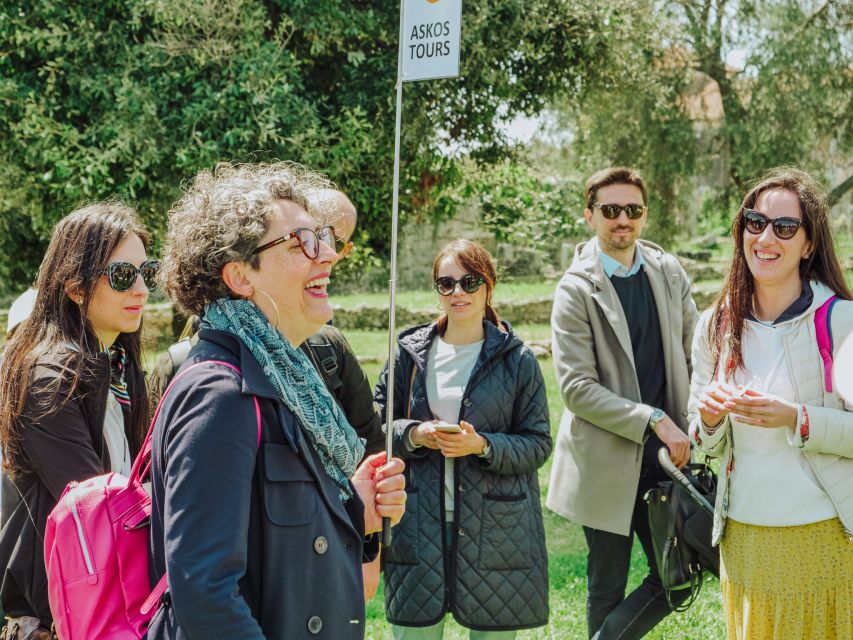
- Archaeologist-led guiding with real site background from guides like Mario, Maria, and Ivan
- Ask questions easily in a small group, with easy listening in most group sizes
- Bring water because the route is concentrated and you’ll be on your feet for most of the tour
Paestum in 2 hours: what makes this site worth your time
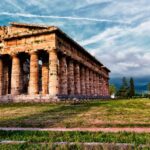
Paestum is one of those places where the ruins don’t feel like leftovers. The temples still stand with real height, and the layout helps you picture how the city worked—Greek roots, later Roman layers, and then centuries of history left in place.
What I like about this tour length is that it’s built for attention. You get the essentials without wandering for hours, and the guide ties the features together so your brain has a map while you’re walking. If you’re already in the Campania area and you only have a small window, this is the kind of visit that actually pays off.
The pacing matters. You’ll do a guided walk through the archaeological park and then a guided stop in the museum. That means you’ll spend less time guessing what you’re looking at and more time understanding why it matters.
You can also read our reviews of more tours and experiences in Paestum.
What an archaeologist guide adds at Paestum
A guide can point things out. An archaeologist guide helps you read them.
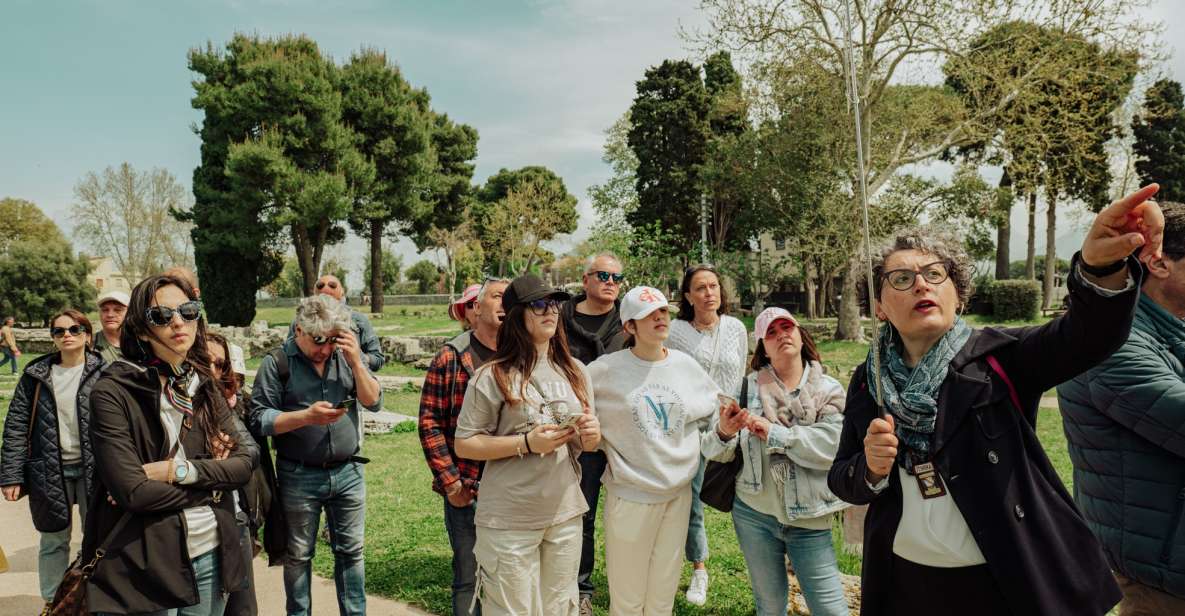
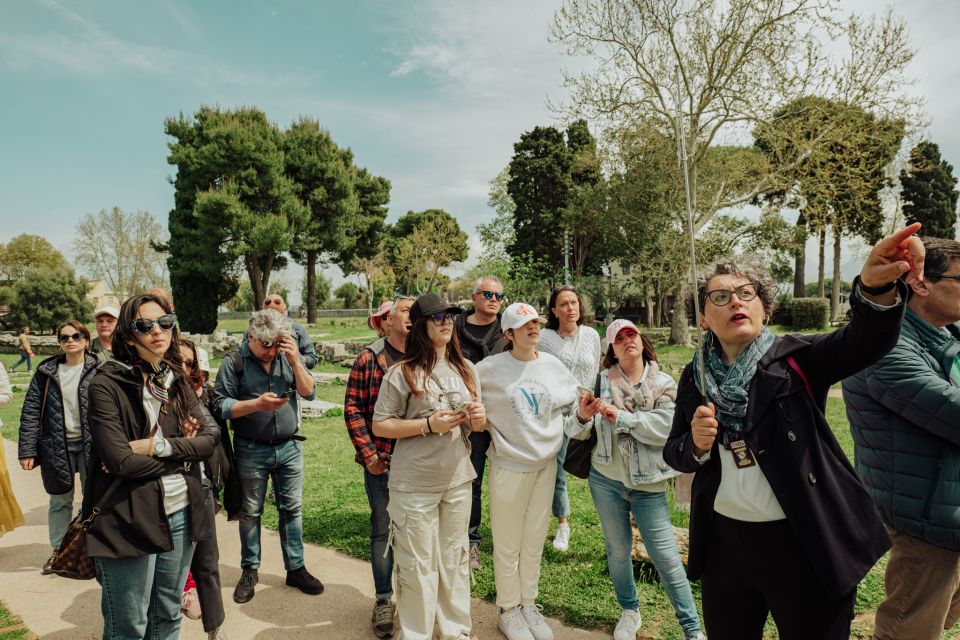
On this tour, you may meet guides such as Mario, Maria, or Ivan. Several of these guides bring a deeper level of context—explaining how later cultures reused earlier spaces, and why certain structures were built the way they were. You’ll also get a feel for how discoveries connect to what you see on the ground.
This is especially useful at Paestum, where the site can look straightforward until someone explains the layers. The route includes Greek sacred architecture, civic Roman spaces, and museum objects that match what you just stood in front of outside. With an archaeologist guiding, it all connects instead of becoming a list of stops.
One more practical detail: if your group is larger, disposable earphones may be provided so you can hear the guide clearly. That’s a small thing, but it makes a big difference when you’re trying to follow explanations while walking.
The walk at the Archaeological Park: how the route makes sense
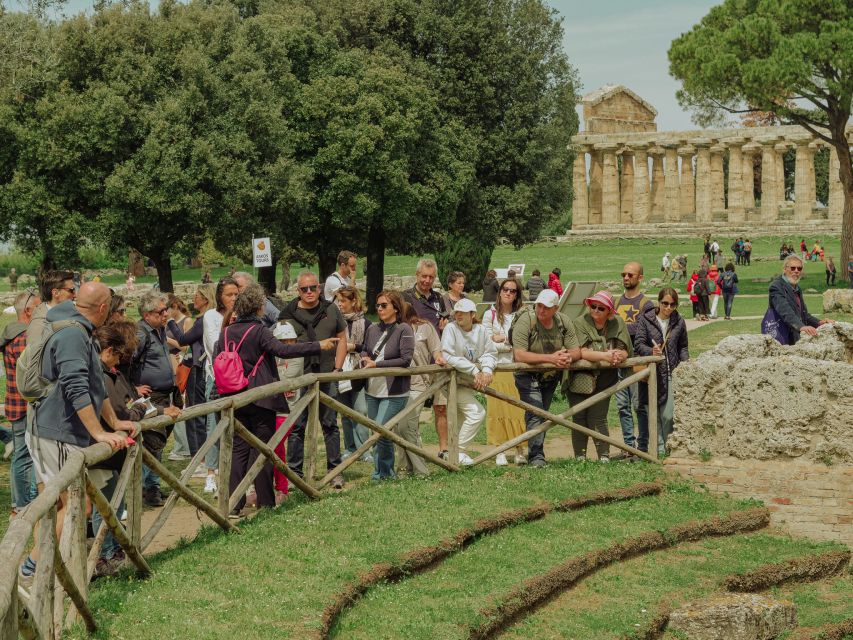
The park visit is about 1.5 hours with the guide. The goal isn’t to rush through. It’s to hit the major zones in a logical order so you understand what each area was for.
You start with the parts that set the tone: the city’s Greek identity, visible in the temples’ form and scale. Then you move to the Roman-era pieces—civic and entertainment spaces—so Paestum stops being “just Greek ruins” and becomes a working example of cultural change over time.
There’s also a benefit to a guided route that’s slightly focused rather than broad. Paestum is not massive like some mega-sites. When you’re moving with a guide, you’ll notice details you might miss alone—how walls frame spaces, where civic buildings would have concentrated life, and how the museum later reinforces what you’ve already seen.
Temple of Neptune and the three major Greek temples
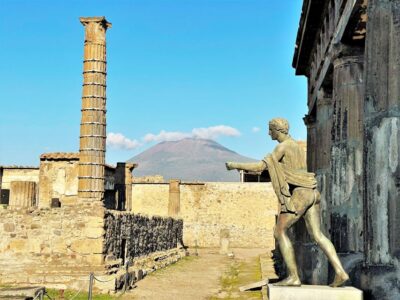
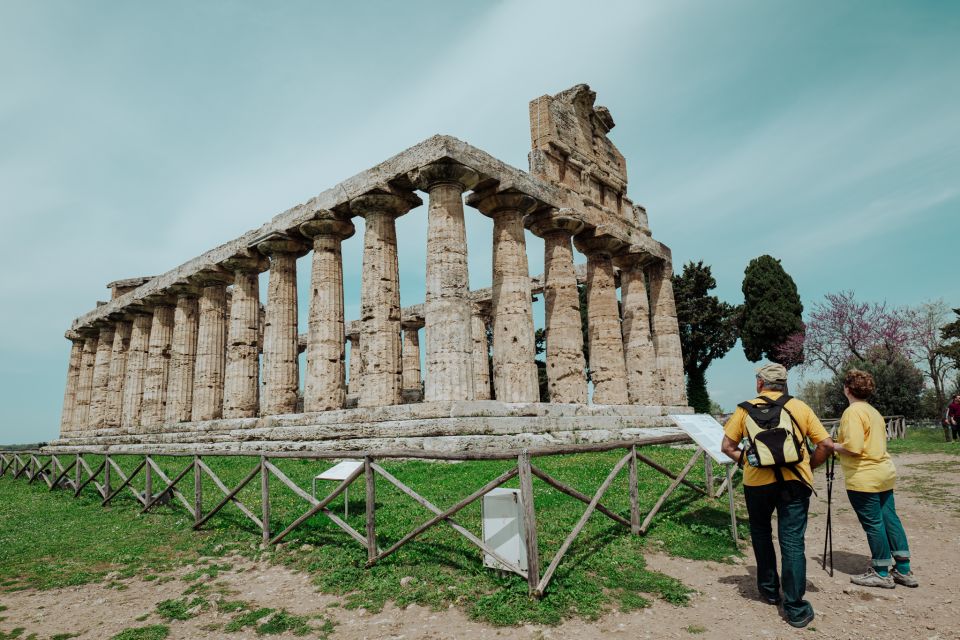
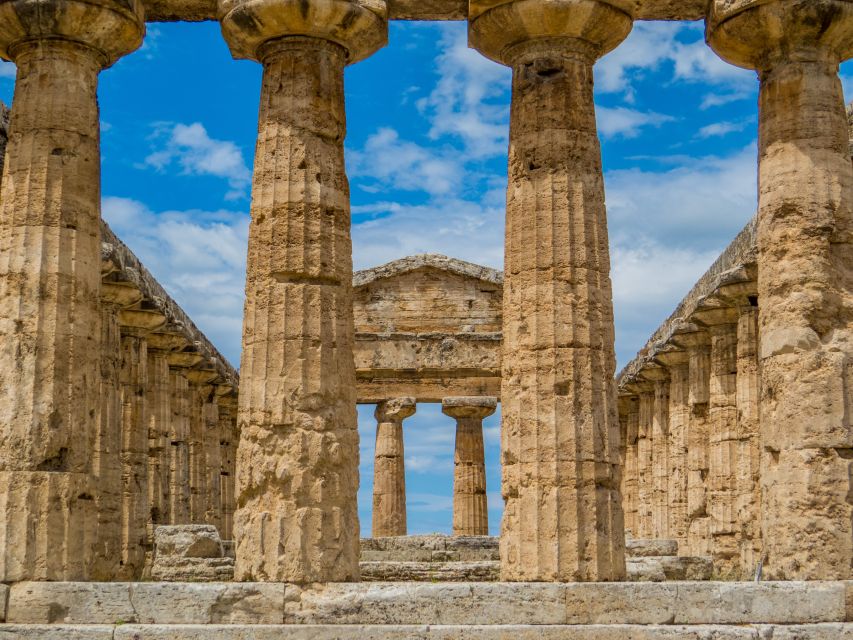
Paestum’s headline is the trio of standing temples, and this tour makes sure you don’t treat them like postcards.
You’ll see:
- Temple of Neptune
- Temple of Ceres and basilica
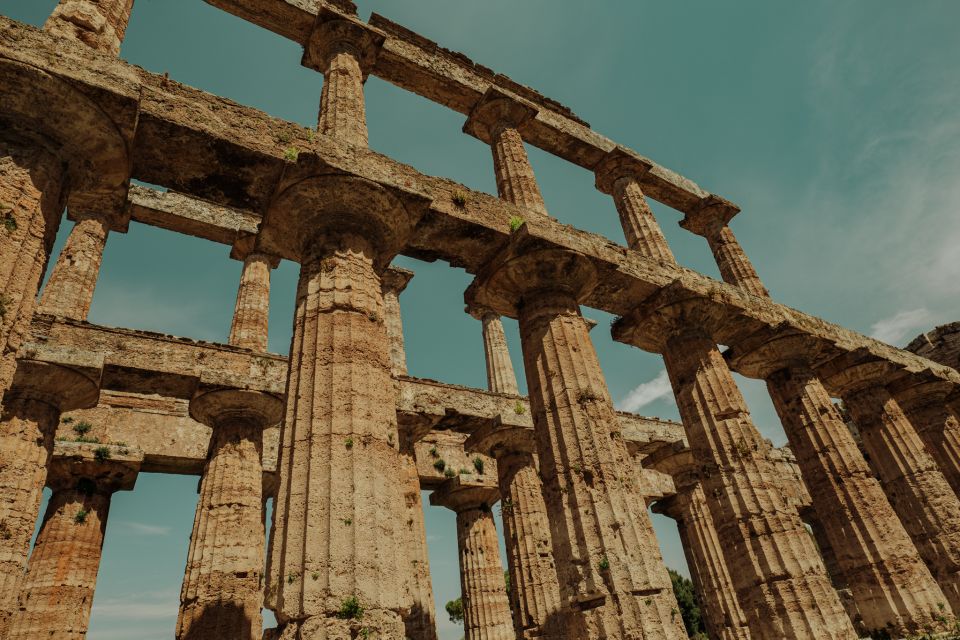
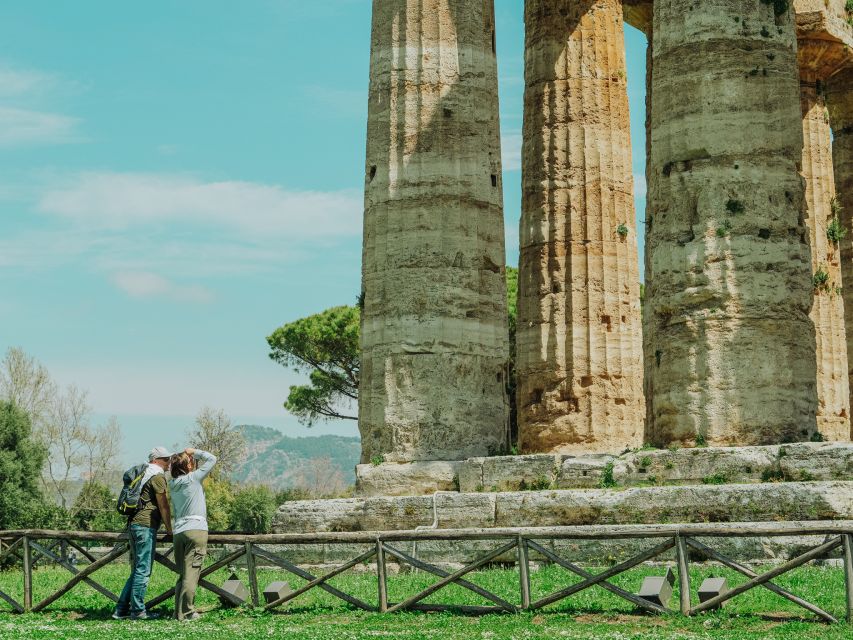
The temples date back to the 6th century B.C., and that age comes with a visual clue: you can still read the design. Guides often highlight how these temples compare to famous Greek examples elsewhere, including the note that the Ceres and basilica structure has a basilica form similar to what people associate with the Parthenon story in Athens—at Paestum, though, what you see here is tall and remarkably well preserved.
What to pay attention to while you’re there:
- Look at proportions and height. These structures still feel engineered for impact, not ruins.
- Notice how the complex sits within the city. It’s not “isolated monuments”; it’s urban space.
- Ask your guide which parts show Greek design choices and which were influenced as the city changed.
The best part is how the tour frames these temples as cultural statements—Greek identity at the center, even as centuries later Rome left its own marks.
Roman Paestum layers: walls, forum life, markets, and amphitheater
After the temples, the guide shifts you into the Roman story. This is where Paestum becomes more than architecture and becomes civic life.
You’ll see features such as:
- City walls
- The amphitheater
- Civic spaces like the forum and comitium (political assembly hall)
- Remains tied to everyday life, including areas described as markets
Even if you’re not a history nerd, Roman Paestum is readable. The amphitheater tells you there was a public rhythm to entertainment. The civic buildings tell you there was public debate and administration. The walls show how the city defended itself and marked boundaries.
One travel tip: because you’ll cover both Greek and Roman highlights, it’s worth staying mentally switched on during the transitions. When the guide explains how one era repurposed or reinterpreted what came before, Paestum starts clicking as a timeline you can walk through.
National Archaeological Museum: your best museum stop in the area
The museum portion is guided and shorter—about 30 minutes. That’s enough time to hit the key objects, but it won’t satisfy anyone who wants to read every label.
You’ll see a collection of local Greek artworks dating back to the 7th century B.C. The museum’s best-known highlight here is the Tomb of the Diver. This isn’t just a famous artifact sitting behind glass. The guide’s job is to connect it back to what you saw outside, so the cemetery and its objects start to feel like part of the same Paestum story.
Practical consideration: one visitor noted that getting back into the museum after the tour was an issue. So if you suspect you’ll want extra time to re-check displays, plan for the visit to be structured—this is about seeing what the guide highlights during the slot, not using the museum as free-form exploration.
Timing, meeting points, and what logistics mean for your day
The whole experience is about 2 hours, including the park walk and the museum guided segment. This is a strong choice if you’re trying to fit Paestum between meals, beach time, or other nearby stops in Campania.
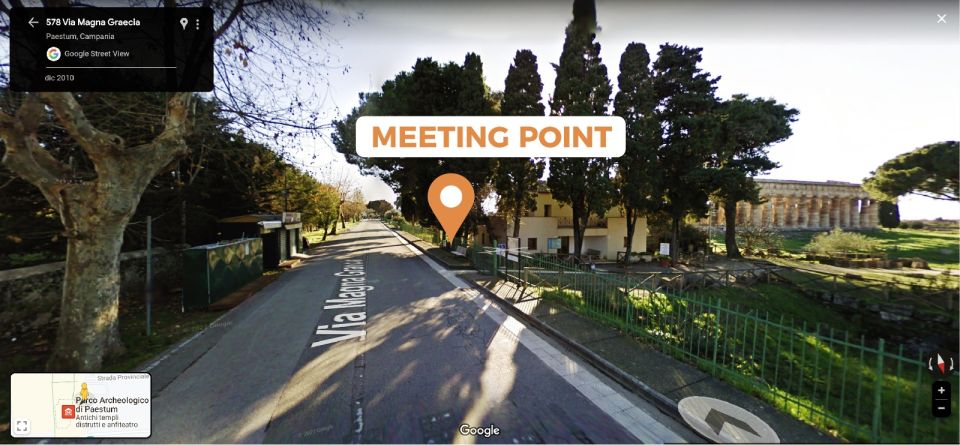
You’ll meet at a location that may vary depending on the option booked. One listed location is:
- Basilica Paleocristiana dell’Annunziata, Via Magna Graecia, 919
That same spot can also serve as a drop-off location. Because meeting points can change with the option, it’s smart to double-check your confirmation before heading over.
Transportation is on you. The tour does not include getting there, so you’ll want to plan how you’ll reach the basilica area and the park entrance beforehand. If you’re relying on local transit or transfers, build in buffer time so you’re not sprinting through the start.
What to bring (and how to handle the heat)
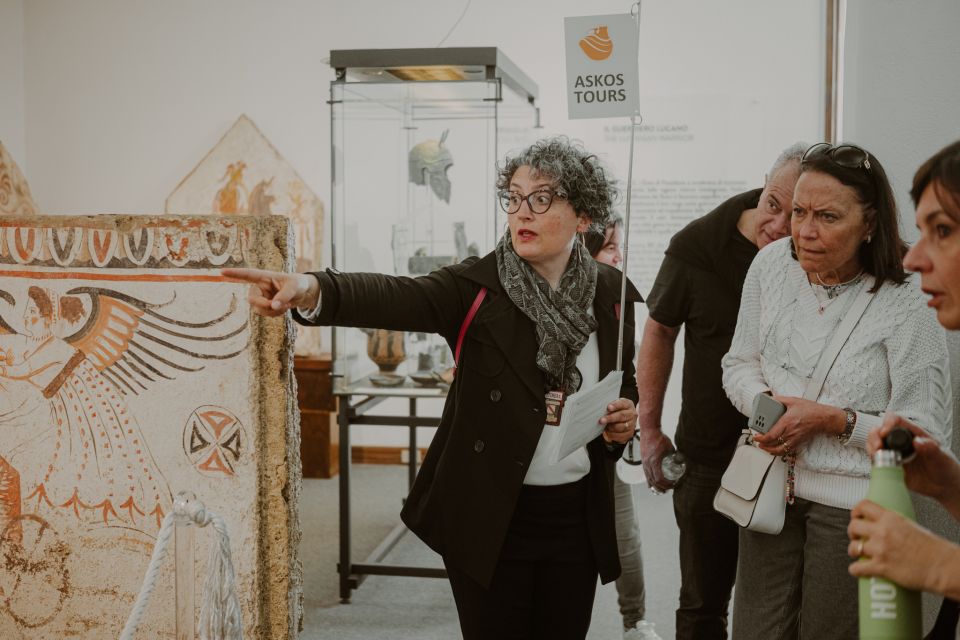
Paestum is outdoors for a reason. Even with a guided route, you’ll be walking and standing, so you’ll feel weather.
Bring:
- Comfortable shoes
- Water
- Comfortable clothes
Heat can be a factor, and at least one visitor mentioned the strain of being on your feet in strong temperatures. The tour is short, but it’s still a concentrated walk. If you’re visiting in hotter months, take small slow breaks when the guide stops for explanations.
A small comfort move: wear breathable layers. The tour mixes outdoor temple viewing with indoor museum time, so you’ll likely change temperature quickly.
Group size feel: you’ll ask more questions than you expect
This tour is described as a small-group experience, and many guides are able to keep the pace readable without turning you into a moving line.
In practice, this matters because Paestum can raise a lot of questions: what temple style you’re seeing, why Roman areas evolved where they did, and how museum objects relate to specific parts of the site. When a group is small, your questions are more likely to get real answers, not just a generic response heard by everyone.
Also keep in mind: earphones can be provided for larger groups, which suggests the operator tries to keep communication clear even when space changes.
Price and value: is $47 worth it here?
At $47 per person, the value comes from three things that are hard to replicate alone:
- A real archaeologist guide during the park walk and museum time
- Included tickets through skip-the-line entry
- A route that’s designed to connect the ruins to the museum’s key objects, especially the Tomb of the Diver
If you go self-guided, you can see the temples and museum. The problem is that Paestum’s layers take work to decode. You’ll spend time figuring out what you’re looking at instead of learning how Greek sacred space shifted into Roman civic space.
Here, you’re paying for translation—turning stone and artifacts into a timeline you can understand while you’re still standing there.
Who this tour suits best (and who should think twice)
This tour is a great fit if:
- You want a guided overview of Paestum that goes beyond surface viewing
- You like archaeology and context, not just photos
- You’re short on time and want the temples and the museum highlights in one visit
It’s not a good fit if you have mobility limitations. The tour is listed as not suitable for people with mobility impairments or wheelchair users. And because it’s mostly walking, anyone who needs frequent step-free rest may struggle with the concentrated pacing.
If you’re traveling with kids, some reviews mention it can still work well when the guide keeps things engaging. Still, it’s a stand-and-walk kind of visit. If your group has very limited patience for museums and outdoor ruins, you might want to choose a different format or plan your own breaks.
Should you book the Paestum archaeologist small-group tour?
I’d book it if you want Paestum to make sense quickly. The combination of Greek temples, Roman city elements, and the museum focus on the Tomb of the Diver is a solid, efficient way to experience the site in 2 hours.
Skip it only if you need a slower, more wandering pace, or if you know your body won’t handle a short but intense walking schedule. Also reconsider if you’re the type who needs lots of free time in the museum without a guided clock.
If your goal is simple: see the best-preserved Graeco-Roman highlights and understand them while you’re there, this tour checks the boxes—and it does it without wasting your time in lines.