REVIEW · NAPLES
Napoli: Museodivino Entrance Ticket and Guided Tour
Book on GetYourGuide →Operated by APS Progetto Sophia · Bookable on GetYourGuide
A microscope museum in Naples sounds weird. Then you see the details.
Museodivino is built for close looking: you follow a guide through micro-sculptures devoted to the Nativity and the Divine Comedy. Two things I genuinely love are the world’s smallest Nativity tucked inside a hemp seed and the Divine Comedy carved inside walnut shells—tiny works that reward patience. The one catch: it’s not suitable for wheelchair users or people with mobility impairments, and you’ll be using handheld tools inside the viewing area.
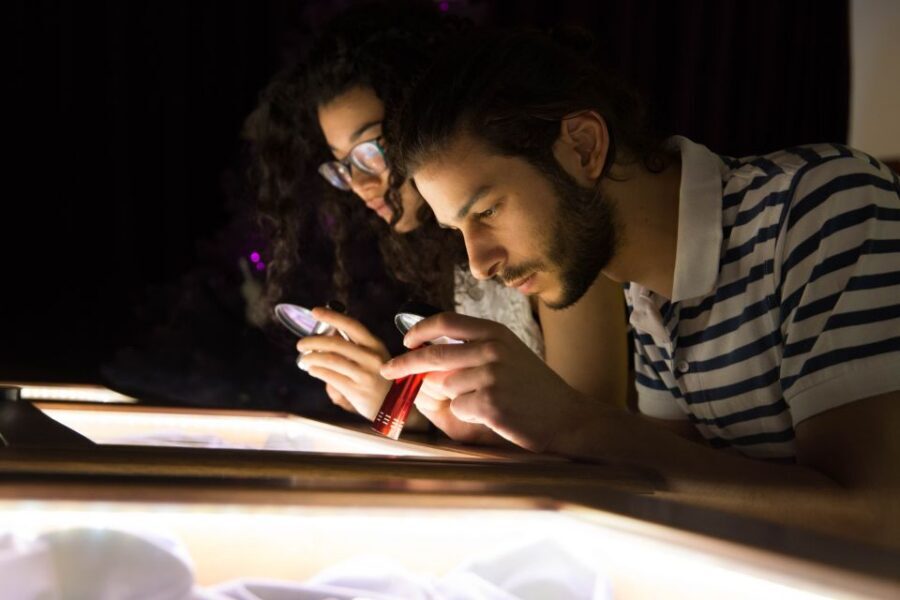
This is the kind of experience where your eyes do the work. During the guided portion, you’re equipped with a magnifying glass and a flashlight, so you’re not passively reading labels—you’re spotting details like a detective with a very holy assignment. It’s also short (about 40 minutes), so if you prefer wandering at your own pace for an hour or two, plan something else alongside it.
If you like fine craftsmanship, religious art at an unusual scale, and hands-on guided attention, Museodivino is a smart use of time in Napoli. And yes, it’s only about $7 per person, which makes it easier to justify as a “why not?” stop when you’re already in the neighborhood.
In This Review
- Key things I’d put on your radar before you go
- Museodivino in Naples: what these tiny works are really about
- How the guided tour actually works with flashlight and magnifying glass
- The smallest Nativity you’ll ever see (yes, inside a hemp seed)
- The Divine Comedy carved in walnut shells
- What makes this $7 experience good value in Naples
- Who will love Museodivino (and who should skip it)
- Timing in Naples: fitting 40 minutes into your day
- Should you book Museodivino in Napoli?
- FAQ
- How long is the Museodivino guided tour?
- How much does the entrance ticket cost?
- What is included with the ticket?
- Will I be given a flashlight and magnifying glass?
- What languages are the tours offered in?
- What can I expect to see inside Museodivino?
- Is Museodivino suitable for wheelchair users?
- Can I cancel or book flexibly?
Key things I’d put on your radar before you go
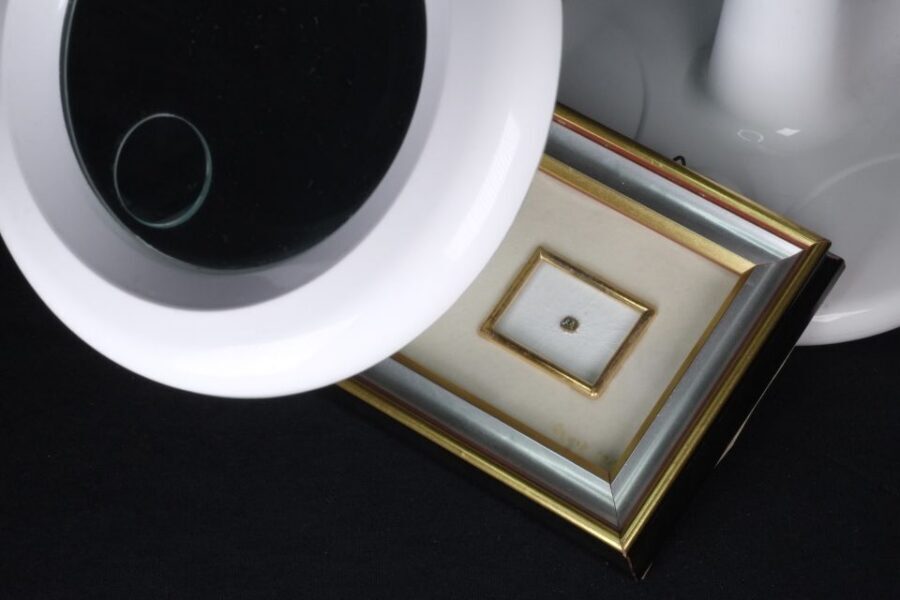
- Hemp seed Nativity: a full Nativity scene rendered on an impossibly small scale
- Walnut-shell Divine Comedy: miniature carvings that turn literature into sculpture
- Your flashlight + magnifying glass: you’ll actively inspect details during the tour
- Antonio Maria Esposito’s patient miniatures: a single artist’s meticulous work over a lifetime
- A focused 40-minute format: enough time to see the highlights without turning it into homework
Museodivino in Naples: what these tiny works are really about
Museodivino sits in Naples and centers on miniature art dedicated to two major themes: the Nativity and Dante’s Divine Comedy. What makes it different from a typical museum is the scale. These aren’t models you can glance at from across the room. They’re made to be looked at close, slowly, and carefully.
The artist behind this collection is priest Antonio Maria Esposito (1917–2007). The story is that he created these works as an exercise in patience and concentration, working privately in his studio. That context matters because it explains the vibe of the place: it’s not about spectacle. It’s about focus.
You’ll see why tiny materials become huge ideas. A hemp seed and a walnut shell are ordinary objects—until someone turns them into carriers of sacred scenes and carved text. If you’re tired of rooms full of big art that you rush past, this museum asks you to slow down, even if only for a short 40-minute window.
You can also read our reviews of more tours and experiences in Naples


How the guided tour actually works with flashlight and magnifying glass

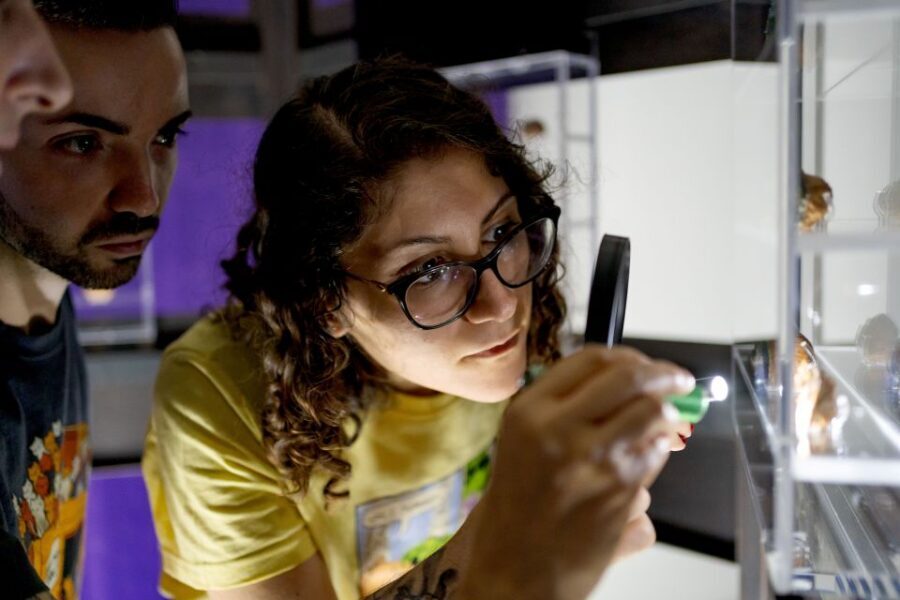
This is a guided experience, and it changes what you pay attention to. During the tour, you’ll be equipped with a magnifying glass and a flashlight. That setup tells you the museum is designed around direct visual inspection, not just background explanation.
Here’s the practical effect for you:
You’ll likely spend time “finding” details rather than reading from a distance. The flashlight helps you control glare and contrast, and the magnifying glass brings the miniatures into view like you’re part of the process. It can feel a bit like solving a puzzle, except the puzzle is art.
Because the tour is about micro-detail, your best move is simple: keep your hands steady and don’t rush the first look. If your eyes miss something on the first pass, that’s normal—these pieces are meant to be re-seen. The guide’s job is to help you locate what matters in each miniature scene.
Also note the languages offered are French, Italian, and English. So if your Italian is rusty or you want a comfortable language, you should be able to match your comfort level.
The smallest Nativity you’ll ever see (yes, inside a hemp seed)
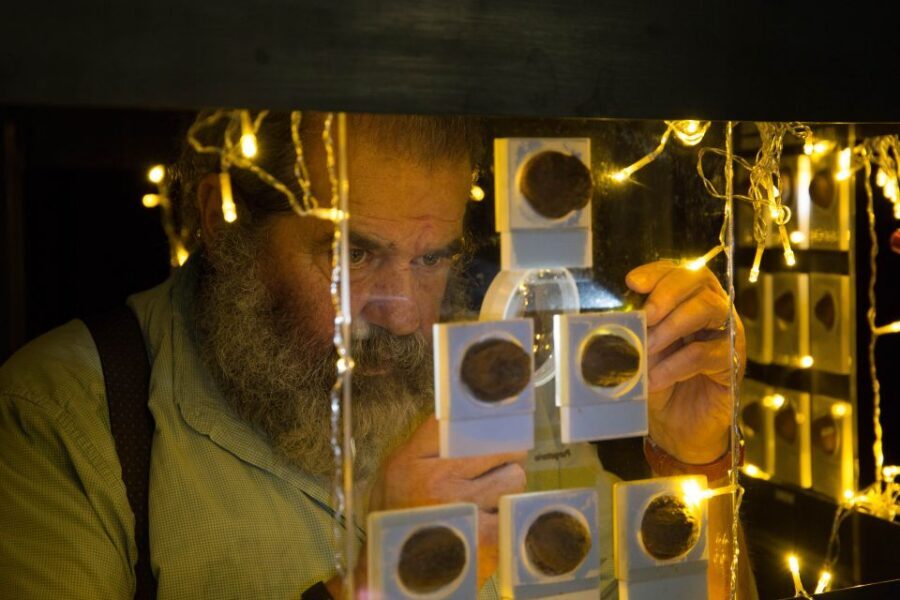
One of the top highlights is the world’s smallest Nativity, presented inside a hemp seed. That fact alone is impressive. But the bigger value is what it does to your perception.
In a normal Nativity scene, you’re used to seeing figures at a human scale—Mary, Joseph, shepherds, the star, all arranged so you can take it in quickly. Here, the “wow” is that the same concept has been reduced until only careful viewing reveals the components. You’re not just looking at a scene. You’re confirming that the artist still found ways to communicate meaning at a microscopic level.
When you’re watching your hemp-seed Nativity, treat it like a slow reveal. Start with the overall shape, then zoom in with the magnifying glass, then use the flashlight to bring out texture. If you find yourself smiling, that’s the correct response. It’s hard not to.
If you’re into religious art, you’ll appreciate the devotion behind the labor. If you’re more into craft and technique, you’ll likely fixate on how someone could build tiny forms and still preserve recognizable storytelling.
The Divine Comedy carved in walnut shells
Museodivino also features the Divine Comedy in miniature form, carved inside walnut shells. That’s a wild combination: literature carved into everyday natural objects, presented at a scale that forces you to work for the reading you’re not fully doing.
This is where the tour becomes extra rewarding if you enjoy symbolism and detail. In Dante’s story world, every element has meaning. In the walnut-shell miniatures, you’re watching that meaning shrink into something portable and incredibly precise. You’re seeing the artist translate language and structure into physical form.
From a practical standpoint, this is usually where flashlight control matters most. Too much light can wash out tiny relief. Too little light makes it hard to see depth. The magnifying glass helps, but the flashlight angle is often the difference between a vague shape and a crisp carving.
If you like art that makes you lean in, this section is probably your favorite. It’s also a good reminder that “small” doesn’t mean simple. Micro-carving is work. Lots of it.
What makes this $7 experience good value in Naples
Let’s talk price, because at about $7 per person this feels easy to fit into a Naples day. The reason it’s good value isn’t just the low cost. It’s the fact that you’re getting two things together: an entry ticket and a guided tour, with special tools included during the visit.
Most museums charge more for admission, and even then, you might spend the time reading labels with no hands-on element. Here, the tour format is built around guided viewing. That means your money isn’t just buying access to objects—it’s buying interpretation and help with how to look.
Duration also matters. At 40 minutes, you’re not committing a huge chunk of your day. That’s especially useful in a city itinerary, where Naples can pull you in a hundred directions. You can still cover other sights afterward without feeling like the museum ate your whole afternoon.
If you’re traveling on a budget, this is one of the more efficient ways to get something genuinely different from the usual “big church / big painting” routine—while still being art and culture.
You can also read our reviews of more guided tours in Naples


Who will love Museodivino (and who should skip it)
I think Museodivino is a strong fit if you enjoy close-up craft, miniature art, and guided attention. You’ll probably also like it if you’re the type who slows down in museums when the details are tiny—because that’s the whole point here.
You’ll also appreciate the way the tour uses your senses. The magnifying glass and flashlight mean you’re not just listening. You’re seeing actively. That can be refreshing if you’ve grown tired of passive museum listening.
That said, it’s not for everyone. It’s listed as not suitable for people with mobility impairments and wheelchair users. If you need step-free access or mobility flexibility, skip this one and look for another Naples museum that matches your needs better.
Language access is another factor. Since tours run in French, Italian, and English, you can choose the one that makes you feel comfortable enough to focus on tiny details without translation stress.
Timing in Naples: fitting 40 minutes into your day
The visit lasts about 40 minutes, and you’ll want to check availability for starting times. In a city like Naples, that short duration is actually a strength. You can slot Museodivino between larger stops, or use it as a focused reset day after walking a lot.
Here’s how I’d plan it:
Pick a time when you’re not rushing, because micro-art rewards calm. If you arrive flustered, you’ll still see the works—but you may miss the satisfaction of methodical looking.
Also, make sure you’re ready for a different kind of museum pace. This isn’t about covering everything quickly. It’s about choosing attention, then getting rewarded for it.
And if your schedule is still shifting, the option to reserve and pay later can help you keep flexibility while you lock in time windows.
Should you book Museodivino in Napoli?
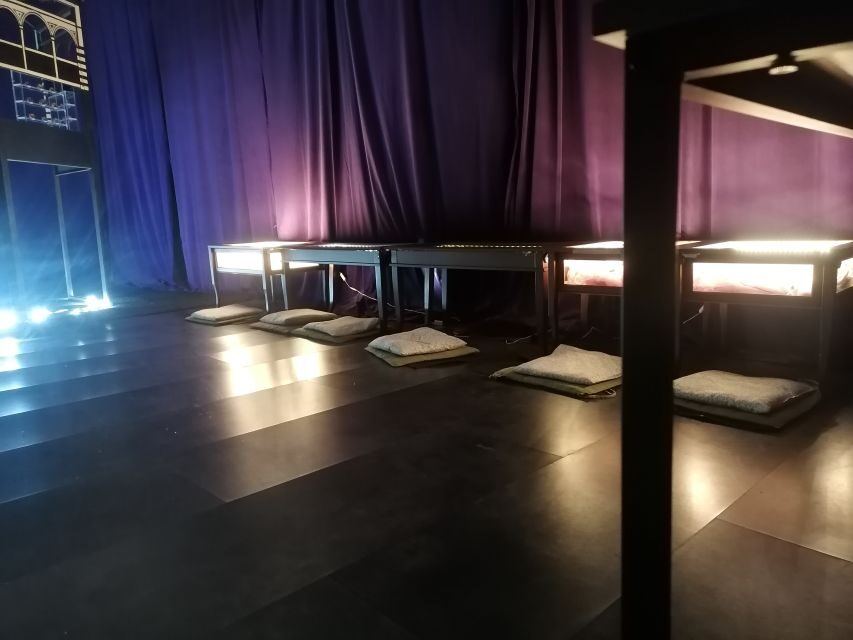
If you want a Naples stop that feels different from the usual museum menu—and you don’t mind doing real close-up looking—book it. The combination of tiny Nativity scenes, the Divine Comedy in walnut shells, and the hands-on flashlight + magnifying glass setup makes it more engaging than a standard ticket price suggests.
I’d particularly recommend it if:
- You love craft and fine detail work
- You enjoy art that changes how you see ordinary materials
- You want a short, guided activity that doesn’t hijack your whole day
Skip it if:
- Mobility access is a concern for you
- You prefer long self-paced wandering
- You’re in a hurry and can’t slow down enough to inspect micro-detail
For many visitors, this is the kind of place you leave feeling slightly astonished and a bit proud of your own eyeballs. Tiny art has a way of doing that.
FAQ
How long is the Museodivino guided tour?
The experience lasts 40 minutes.
How much does the entrance ticket cost?
The price is $7 per person.
What is included with the ticket?
Your ticket includes entry to Museodivino and a guided tour.
Will I be given a flashlight and magnifying glass?
Yes. During the guided tour, you’ll be equipped with a magnifying glass and a flashlight.
What languages are the tours offered in?
The tour guide is available in French, Italian, and English.
What can I expect to see inside Museodivino?
You’ll see tiny sculptures focused on the Nativity (including the smallest Nativity in a hemp seed) and the Divine Comedy (including details carved inside walnut shells).
Is Museodivino suitable for wheelchair users?
No. It is listed as not suitable for people with mobility impairments and wheelchair users.
Can I cancel or book flexibly?
You can cancel up to 24 hours in advance for a full refund. You can also reserve now and pay later.