REVIEW · NAPLES
Naples: Ipogeo dei Cristallini Guided Tour
Book on GetYourGuide →Operated by Ipogeo dei Cristallini · Bookable on GetYourGuide
Greek art goes underground.
This tour at Ipogeo dei Cristallini is special because it shows ancient Greek painting and polychromy from the 4th century BC—the kind of survival you rarely get to experience in person. You’ll also like the fact that the guide doesn’t just point at artwork. You get the myth and the archaeology story, including how the site was discovered by chance in 1889 by Baron Giovanni di Donato. The one catch is simple: there are stairs and low light, so you’ll want to take care on the way down (and if knees are an issue, ask your guide for help).
Best of all, it’s set in the living Naples neighborhood of Rione Sanità, not a remote museum bunker. The group stays small (up to 10 people), and the visit is tight and focused: 45 minutes, with a short video showing a virtual reconstruction before you head inside.
In This Review
- Key things I’d circle before you go
- Entering the Underground Neapolis: What you’ll actually see
- Rione Sanità starts the story before you go underground
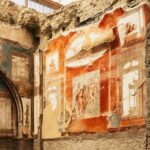
- The frescoes: Greek myths, painted tombs, and Roman additions in one frame
- The 1889 discovery story: Baron Giovanni di Donato’s role
- Neapolis’ original street: why the setting matters
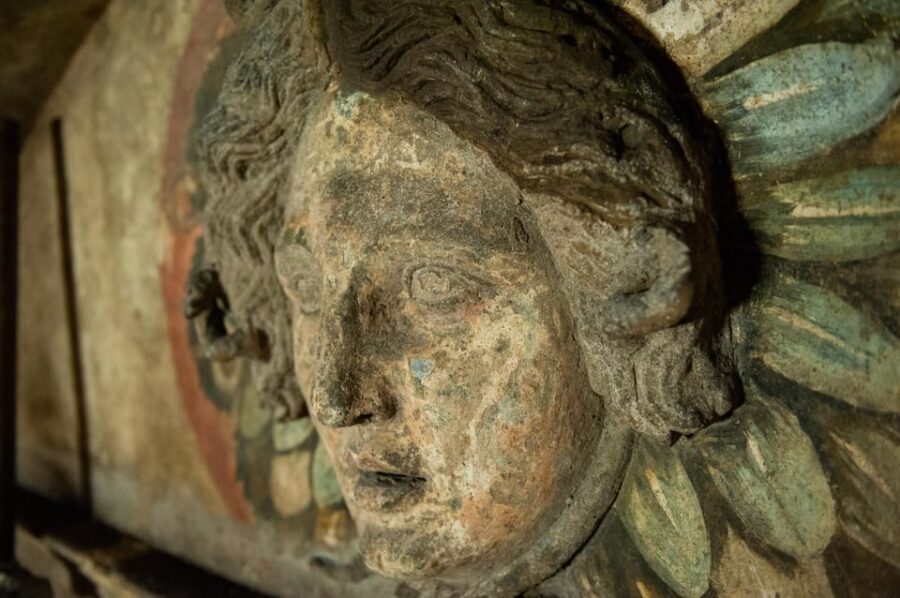
- The Medusa moment: the “unicum” you came for
- Stairs, low light, and how to make the most of 45 minutes
- Languages and group size: why it affects the experience
- Price and value: is $21 worth it?
- Who should book this tour (and who might pass)
- Should you book Ipogeo dei Cristallini?
- FAQ
- How long is the guided tour?
- How deep do you go underground?
- What will I see during the tour?
- What languages are available for the live guide?
- Is the tour suitable for children?
- Are there accessibility concerns?
- What if I need to cancel?
Key things I’d circle before you go
- 4th-century BC Greek painting and polychromy in an underground setting you can actually walk through
- 12 meters down into ancient Neapolis, including an original street lined with tombs
- Four Hellenistic tombs carved and painted, showing Greek styles plus later Roman touches
- A story built around the 1889 discovery by Baron Giovanni di Donato
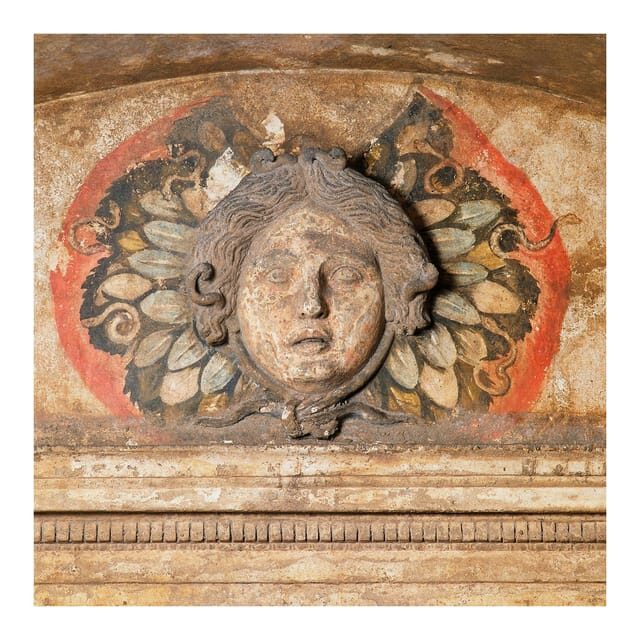
- The Medusa sculpture and painted imagery—truly one-of-a-kind in the world
- A small group format that helps you hear the guide in a tight space
Entering the Underground Neapolis: What you’ll actually see
Ipogeo dei Cristallini is the kind of place that makes you slow down. Not because it’s huge. Because it’s intense.
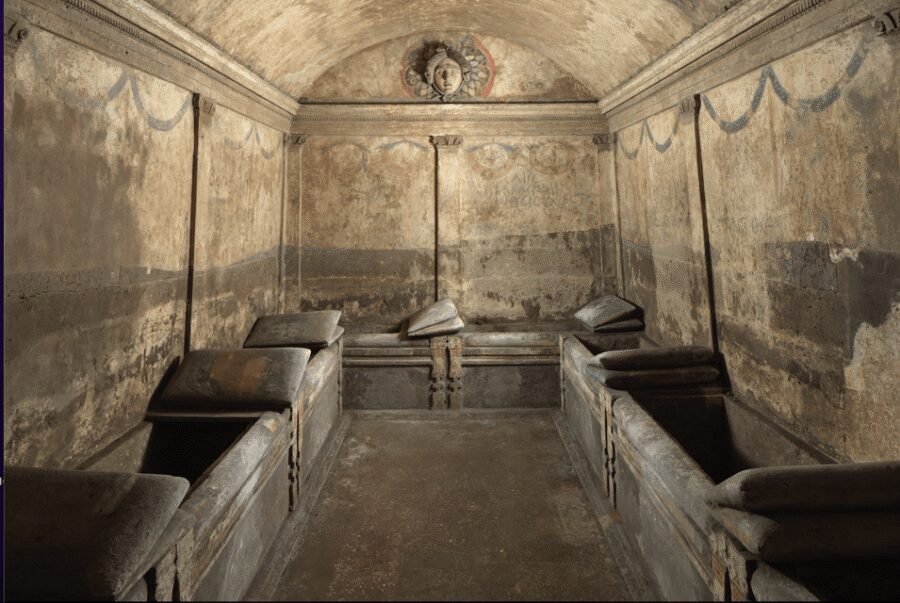
You descend 12 meters into Naples’ underground world to rediscover Neapolis, including its original street. Think of it as time travel where the “screen” is stone walls and painted tombs. The ceilings are low enough that you feel the architecture close around you, which is part of the magic. You’re not just looking at art; you’re standing where people once moved and believed.
The main visual payoff is the artwork itself—ancient Greek painting and polychromy, plus the way later Roman artistic additions blend into the same spaces. The tour is built to help you see that mix clearly instead of treating everything as one blur of “old stuff.”
You can also read our reviews of more guided tours in Naples



Rione Sanità starts the story before you go underground
I like tours that explain the place before you drop into it. This one does that with a guide from Rione Sanità and a quick setup that gets your brain in the right mode.
You’ll get an introduction and a video with a virtual reconstruction of the archaeological site. That matters more than it sounds. Underground spaces can feel confusing at first—especially when you’re stepping from modern street level into an ancient street layout. The video helps you map what you’re about to see, so the frescoes and tomb carvings hit harder once you’re inside.
And since the guide works in a small group (maximum 10), you should have time to ask practical questions like what to look at first or what a specific painted figure represents.
The frescoes: Greek myths, painted tombs, and Roman additions in one frame
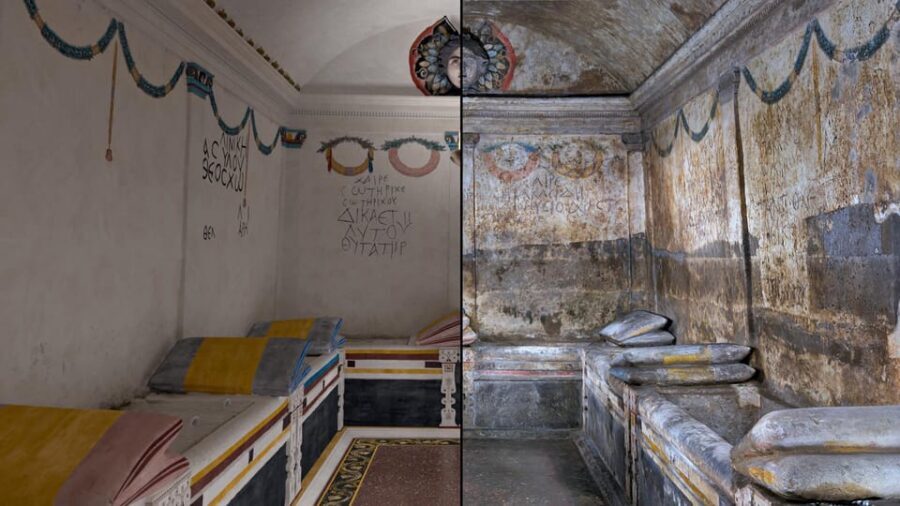
Once you’re inside, the focus stays on the frescoes and the architecture around them.
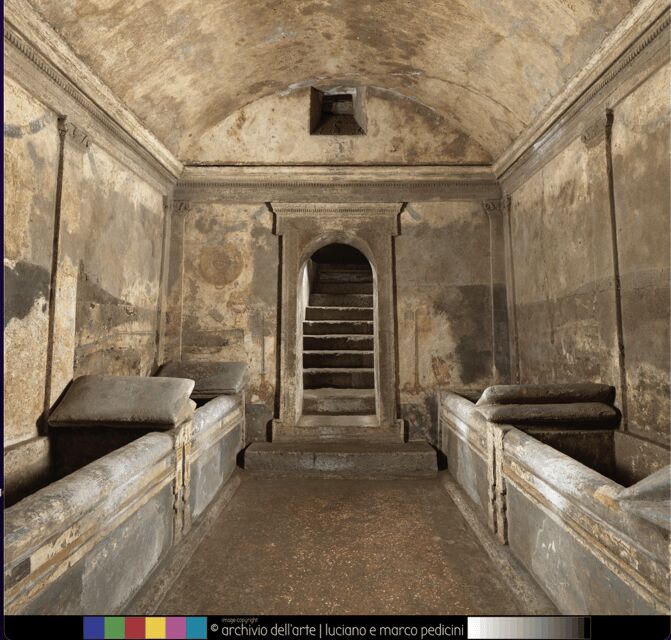
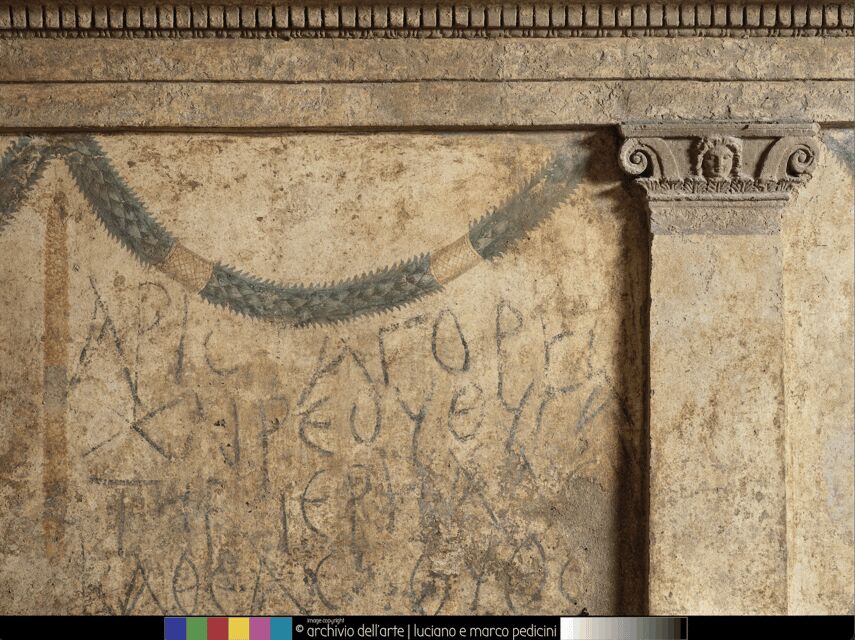
You’ll visit four Hellenistic tombs. They’re carved and painted, and that combination is key. The artwork isn’t floating on flat walls like a gallery piece. It’s integrated into the tomb design—part decoration, part message, part ritual space.
What I find especially valuable here is the way the tour frames the art as a living system of meaning. The visit isn’t just about beauty. You’ll be guided to understand what these images might have meant in terms of life and death, love and care, and the idea of family and friendship. In other words, you’re learning how ancient people used art to talk about what mattered most.
The tour also points out the fusion of cultures: Greek origins paired with Roman artistic additions. When you understand that, the paintings stop being one “ancient look.” You start noticing layers—styles, symbols, and how visual language evolves even in the same underground setting.
The 1889 discovery story: Baron Giovanni di Donato’s role
Archaeology stories are often dramatic, and this one is no exception.
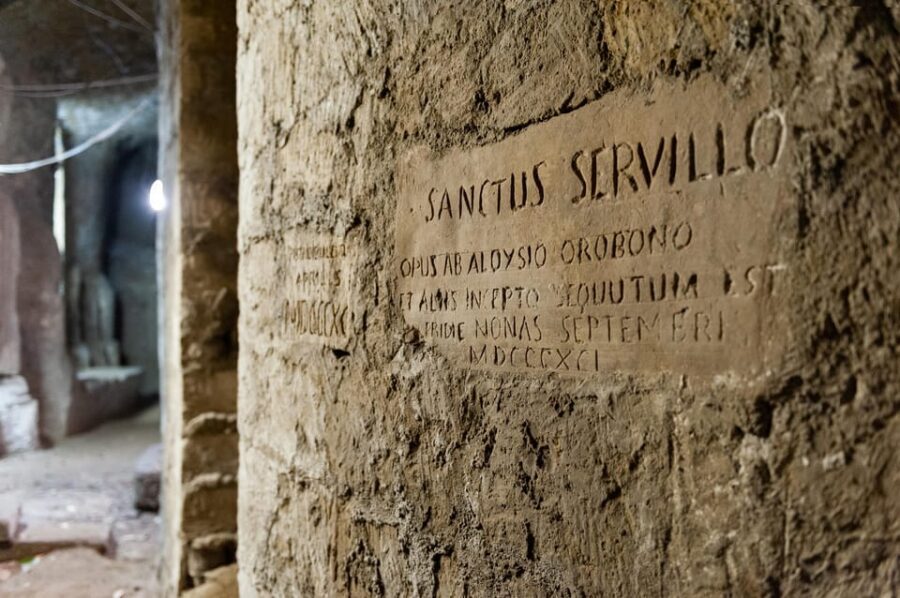
The site’s discovery happened in 1889, and the tour explains it as a chance find tied to Baron Giovanni di Donato. That detail gives the underground art a second life. You’re seeing paintings that survived, then you’re learning how they came back into view—through human curiosity and a lucky break.
I like this approach because it connects your moment in the underground chamber to the larger chain of events that made the site accessible today. It also helps you understand why the experience feels curated and protected: this is rare material that took a long route to reach us.
Neapolis’ original street: why the setting matters
The street element is one of those specifics that quietly makes the tour better.
You’re not just walking from room to room. You’re walking through an underground arrangement that aims to represent ancient street space, with tombs set along it. That makes a difference because it changes your sense of scale and movement. You start imagining what it would have been like when this wasn’t a tour route, but part of everyday burial life.
It’s also why the small space feel matters. The site is described as small, and you’ll experience that firsthand. There’s less room for lingering, so the guide paces you. The upside is you’re not bored. The downside is you’ll want comfortable footwear and you’ll want to pay attention to where you step.




The Medusa moment: the “unicum” you came for
If you only remember one thing, make it Medusa.
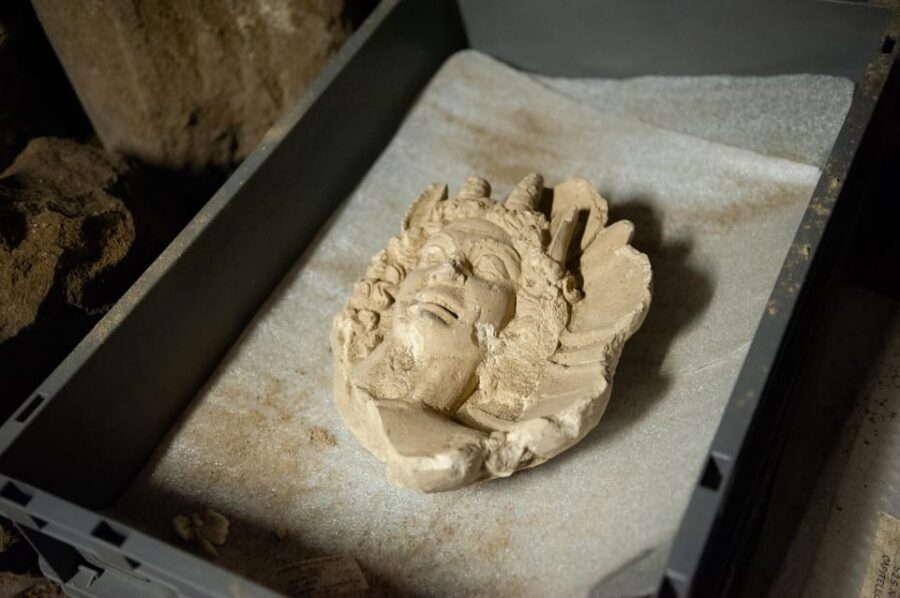
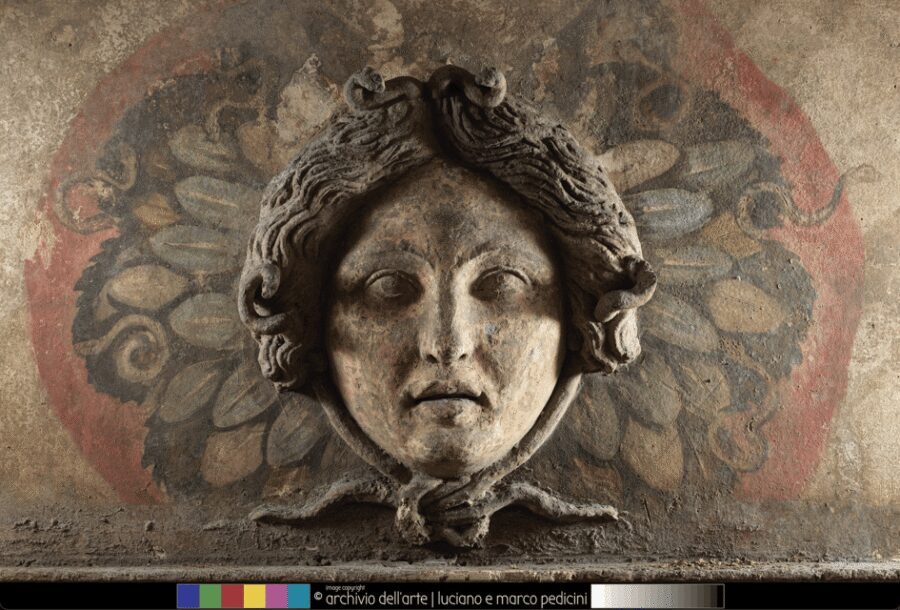
The tour highlights an unbelievable Medusa sculpted and painted by ancient Greeks. It’s called a world unicum, which means this isn’t just another famous myth figure—it’s a distinctive artistic combination you may not find elsewhere in the same way.
What you should do during this stop is slow down and actually look at how Medusa is presented: not as a comic-book monster, but as an image made to communicate power, warning, protection, or meaning within a burial setting. The guide’s job here is to help you read the image, and the format of the tour supports that. You don’t just get a quick “there it is.” You get context.
Stairs, low light, and how to make the most of 45 minutes
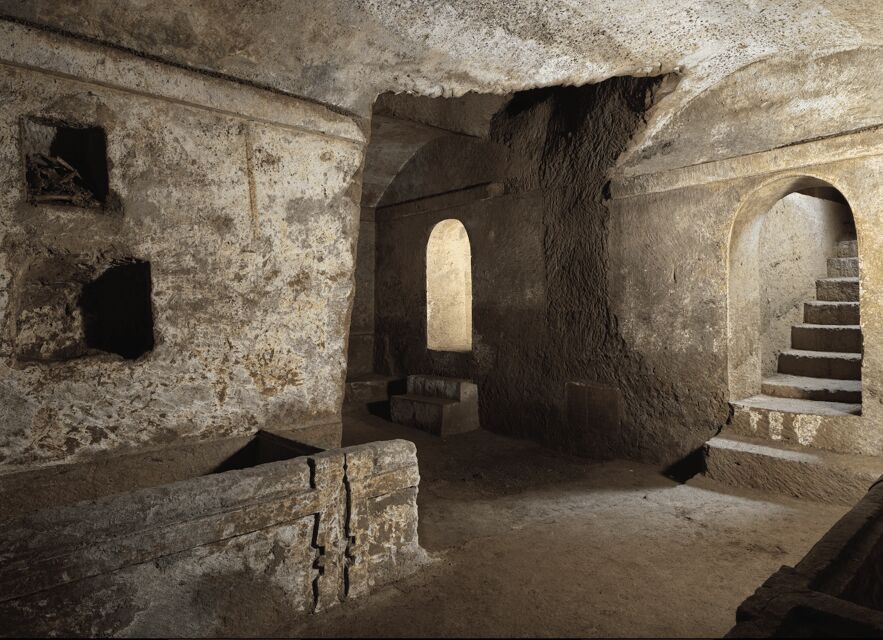
Here’s the practical reality: you’ll descend stairs and you’ll be in low light.
One review note that keeps popping up is that there’s not much light and you need to watch your footing. I’d plan like this: keep your phone away during the step sections, use the handrails if there are any, and let the guide set the rhythm. The guides are there to point out what to watch—so don’t try to speed through.
If you have knee issues or mobility concerns, don’t just hope for the best. You’ll be better off going in with a plan: take it slow, tell your guide you need extra support, and be ready that the architecture is historic and not designed for modern comfort. The tour emphasizes that there are architectural barriers because it’s a historical site—so if you have specific accessibility needs, contact the provider ahead of time to discuss access.
Time-wise, the visit is 45 minutes. That’s short enough to stay energetic, but long enough for the guide to connect fresco details to myths and architecture.
Languages and group size: why it affects the experience
This isn’t a silent walk-through.
You get a live guide with languages including Italian, English, French, and Spanish. For a place like this—where meaning matters as much as visuals—language support is not a minor detail. It’s what turns old paintings into something you can understand in real time.
The group limit of 10 participants also helps. In a tight underground site, large groups can turn into a traffic jam. With a small group, you’ll likely get closer to the art and clearer explanations without constantly shouting over footsteps.
Price and value: is $21 worth it?
At $21 per person for a guided, 45-minute experience, I think this is priced like a good city activity, not a luxury museum ticket.
Here’s why the value feels solid:
- You’re paying for a guide who explains myths, fresco detail, and the Greek-Roman cultural fusion, not just basic facts.
- You’re getting included features like the virtual reconstruction video, which helps you understand what you’re seeing.
- You’re visiting a rare site with 4th-century BC Greek painting and polychromy in situ, including a Medusa representation described as unique.
If you only want to glance at a couple of rooms, you might feel the price is high compared to free wandering. But if you enjoy guided interpretation and want the story behind the art, this is the kind of $21 that can make your trip feel more specific and meaningful.
Who should book this tour (and who might pass)
This tour fits best if you like:
- Myth + archaeology combined (not just one or the other)
- art that’s meaningful because of symbol and setting, not only because it’s old
- a compact underground experience with a strong guide
It’s also a good pick for people who like small groups and don’t want to spend hours in transit.
You might hesitate if:
- you have trouble with stairs and uneven footing
- you need a lot of time to pause or process slowly in a low-light environment
- you prefer large spaces where you can spread out and take photos comfortably
Should you book Ipogeo dei Cristallini?
Yes, if you want an unforgettable Naples experience that’s not another street-level stop.
Book it if you’re drawn to ancient Greek art, especially painted tombs and the story layer that comes with them—plus that standout Medusa moment. The combination of guided storytelling, a virtual reconstruction primer, and a tight 45-minute format is the right formula for a site that would be easy to underestimate.
If you’re sensitive to stairs or low light, don’t assume it’s impossible—just go in with caution and ask questions ahead of time about access.
FAQ
How long is the guided tour?
The visit lasts about 45 minutes.
How deep do you go underground?
You descend 12 meters into the underground world of Naples.
What will I see during the tour?
You’ll explore an underground area connected to ancient Neapolis, including four Hellenistic tombs with carved and painted details, plus myths and frescoes. You’ll also see the Medusa artwork.
What languages are available for the live guide?
The tour is offered with live guides in Italian, English, French, and Spanish.
Is the tour suitable for children?
Entry is free for children ages 8 to 12. Children under 8 are not permitted.
Are there accessibility concerns?
Yes. The site has architectural barriers due to its historical nature. If you have disabilities or specific access needs, you should contact the provider before your visit to discuss access possibilities.
What if I need to cancel?
You can cancel up to 24 hours in advance for a full refund.