REVIEW · NAPLES
Homemade Pizza Class in Napoli
Book on Viator →Operated by TOFFINI ACADEMY · Bookable on Viator
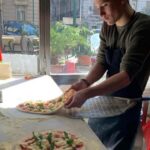
Good pizza starts with the dough. In Naples, this homemade pizza class at Toffini Academy teaches you the real Neapolitan approach, even though you won’t have a wood oven. I especially love the domestic-kitchen setup: you learn like a home cook, with your own station and tools, not in a loud restaurant line.
You’ll get three classic styles to make and eat for lunch: Pizza Margherita, Pizza Fritta (stuffed fried calzone), and Montanara. One watch-out: this is an hands-on cooking experience, so if you’re not into food prep and staying focused for a full session, it may feel like work more than fun.
Before you go, plan on arriving hungry and wearing smart casual clothes. The class runs about 2 hours, capped at 16 people, and it’s taught in English—so it’s a lot easier to learn the why, not just the what.
In This Review
- Key highlights worth planning for
- A Napoli pizza class that teaches the kitchen, not just the craft
- Toffini Academy: the domestic kitchen experience in Naples
- The 2-hour flow: what happens from start to lunch
- Pizza Margherita: the foundation dish (and the sauce lesson)
- Pizza Fritta (fried calzone): learning the frying logic
- Montanara: Naples street-food energy, served as a class finish
- Chef Luigi and the teaching style you’ll actually appreciate
- Included lunch, drinks, and why the price can make sense
- Practical notes that affect your comfort level
- Who should book this Napoli pizza class
- How to get the most out of your pizza-making session
- Should you book this Napoli pizza class?
- FAQ
- How long is the homemade pizza class in Naples?
- What does the class cost?
- What pizzas will I make and eat?
- Is it offered in English?
- Is lunch included?
- What’s the minimum age?
- Is gluten free possible?
Key highlights worth planning for
- Real Neapolitan techniques without a wood oven (so you can actually repeat them at home)
- Three pizzas, three methods, including frying dough for Pizza Fritta and topping it like a street-food favorite
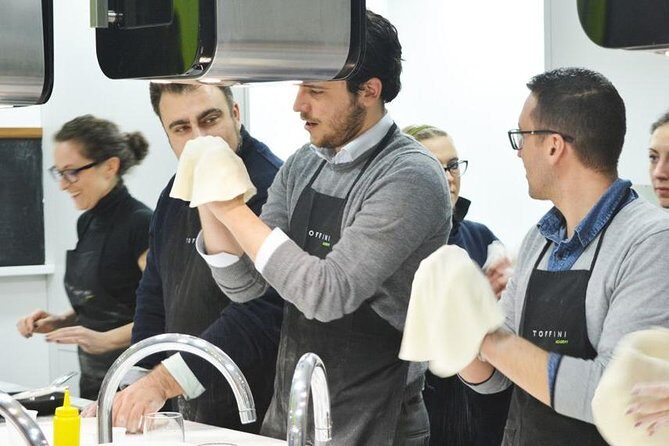
- A domestic kitchen class, not a restaurant show, with stations and tools built for learning
- Chef Luigi’s English-friendly teaching style, clear enough for non-Italian speakers
- A clean, teaching-focused facility, which makes the whole thing feel comfortable and professional
- Big lunch payoff with leftovers, so you don’t just snack—you eat well
A Napoli pizza class that teaches the kitchen, not just the craft
Naples is famous for pizza, but the best part of this class is what they’re trying to solve: how to make that style of pizza at home. The program is built around classic Neapolitan results—crunchy outside, tender inside, and sauces and toppings that taste like Naples—while using methods that work in a regular kitchen.
Instead of a wood-fired fantasy, you learn practical techniques. That matters because most “at home” pizza attempts fail for the same reasons: dough handling, timing, temperature management, and sauce consistency. Here, you practice those parts so you’re not copying a photo—you’re learning a process.
You also get a small group vibe. With a maximum of 16 people, you’re not lost in the crowd. When the teacher can actually see what you’re doing, mistakes become lessons, not stress.
You can also read our reviews of more tours and experiences in Naples


Toffini Academy: the domestic kitchen experience in Naples
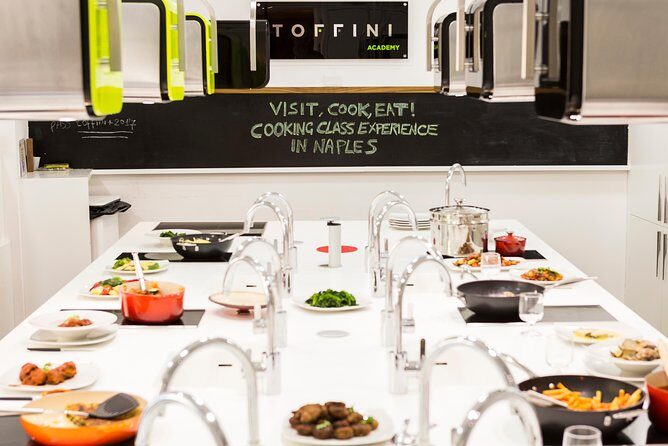
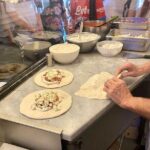
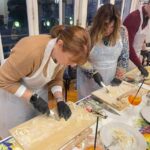
The class starts at Toffini Academy, at Via Giuseppe Martucci 35 cdef, 80121 Napoli. The experience is designed for non-professional food lovers, so you’re not treated like a pro. You’ll work in a home-kitchen style teaching space, meaning it feels practical and personal rather than like a restaurant performance.
What I like about this setup is the comfort factor. A restaurant kitchen is optimized for speed and service. A teaching kitchen is optimized for you to understand steps: how the dough should look, how the sauce should develop, and how the frying dough changes texture and flavor. That’s how you leave with recipes you can repeat.
The facility is also described as spotless and well set up for teaching. That may sound like a small detail, but it’s big when you’re handling dough. Clean tools and an organized station make you focus on technique instead of worrying about the mess.
The 2-hour flow: what happens from start to lunch
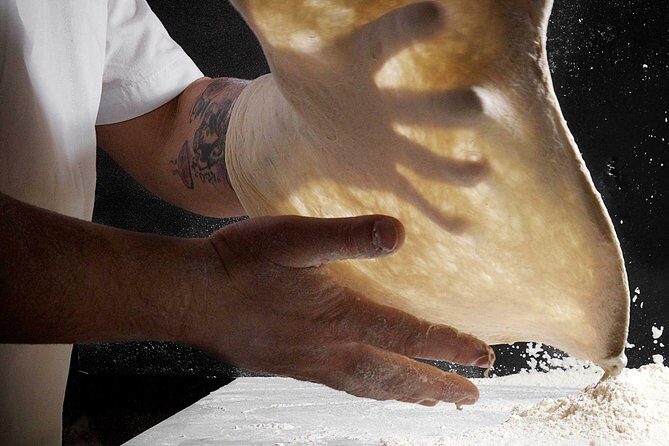
This is a single-stop experience. You meet at Toffini Academy and spend roughly 2 hours working through the full cooking-and-eating cycle. There’s no rushed hop between locations, so you can sink into the learning without constant transitions.
The class structure is straightforward:
- You learn Neapolitan dough fundamentals and handling tricks.
- You cook and eat Pizza Margherita as a foundation.
- You move to frying-based cooking for Pizza Fritta (stuffed fried pizza).
- You finish with Montanara, which builds on the margherita idea but uses fried dough as the base.
The timing works because each dish teaches a new skill. By the time you’re doing the fried portion, you’re not just eating something different—you’re applying what you learned about dough and toppings earlier.
Pizza Margherita: the foundation dish (and the sauce lesson)
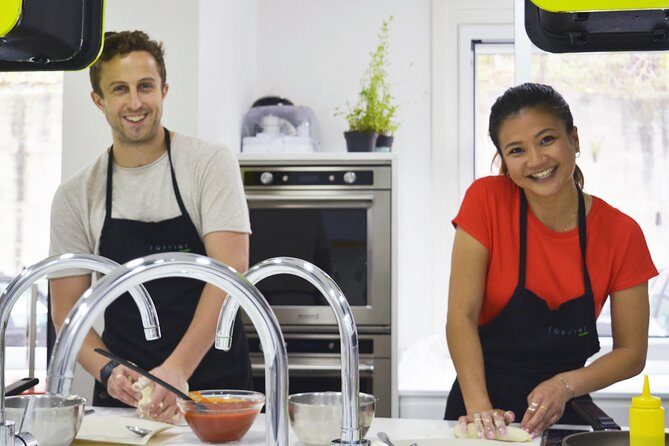
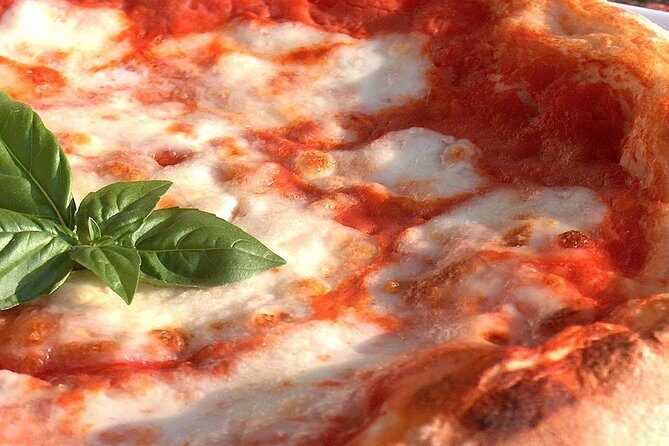
Pizza Margherita is simple on paper, but it’s unforgiving in practice. The class treats it like the baseline that everything else builds on. You’ll make it in a way meant to recreate Neapolitan-style flavor at home, even without a wood oven.
Here’s what’s especially valuable: you don’t just slap on toppings and hope. You learn that great pizza sauce isn’t a quick simmer. The sauce takes time to cook properly, and getting that part right is a major step toward authentic flavor. If you’ve ever made pizza sauce that tastes sharp or watery, this is the section that helps you fix that.
You also learn dough technique that supports a good texture. Neapolitan-style pizza has a contrast—soft interior and a crunch that comes from how the dough is treated and cooked. Even when you’re not using a traditional oven, you can still aim for that balance.
When it’s time to eat, margherita is the best gauge. If the margherita tastes right, the rest of the menu is more likely to hit that Naples feel.
Pizza Fritta (fried calzone): learning the frying logic
Pizza Fritta, the stuffed fried pizza, is where the class gets fun fast. This isn’t just “another pizza.” It’s a different texture world. Fried dough changes everything: it becomes crisp, puffy, and richly satisfying in a way flat-baked pizza can’t match.
You’ll practice the techniques needed to get that fried result without the guesswork. The class specifically includes fried calzone for lunch, and this part teaches you how to combine dough and stuffing in a way that stays flavorful instead of greasy.
The biggest value for you is learning what to focus on:
- Dough handling so it fries correctly
- The stuffing approach so it heats through
- The balance so it tastes like street-food Naples, not just fried bread with toppings
If you’ve avoided cooking with hot oil in the past, this class makes it more approachable. It also helps you understand why fried pizza is so popular in Naples street food: it’s portable comfort with big flavor.



Montanara: Naples street-food energy, served as a class finish
Montanara is the final dish, and it’s a clever choice. It combines the spirit of margherita—classic toppings—plus a fried base made from previously fried pizza dough.
What you should expect here is a kind of “best-of” moment. You’ll get the familiarity of margherita flavors without repeating the exact same thing. It’s also a smart way to reinforce your learning: once you understand how dough behaves when fried, you can connect that texture knowledge back to the toppings and sauce.
This is one of those dishes that makes the class feel like Naples, not just Italian cooking in general. It’s traditional, snackable, and flavor-forward in a way that sticks with you.
Chef Luigi and the teaching style you’ll actually appreciate
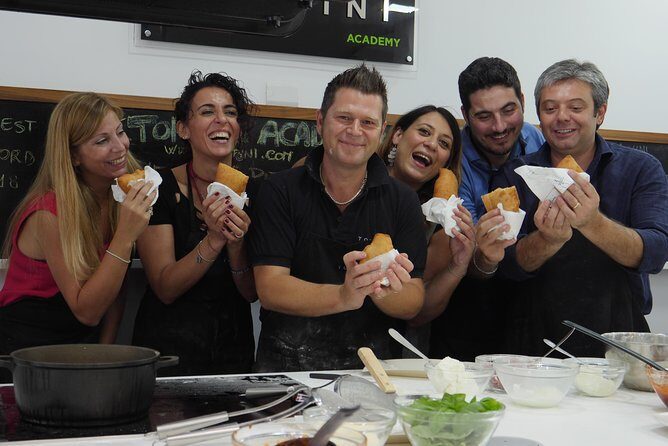
A lot of cooking classes win or lose based on the teacher. This one has a big advantage: the instruction is led by Luigi, who’s noted for strong English and for taking time to answer questions.
That matters if you’re the type who asks why. You’ll want to know what changes when the dough is wetter or when cooking conditions aren’t the same as a Neapolitan oven. Good teaching makes you confident enough to try again later.
The class is also described as personal. Even when the group isn’t huge, Luigi’s approach seems built for real conversation, not just lecturing. That’s a practical plus for learning, especially if you’re cooking in a language that isn’t your native one.
Included lunch, drinks, and why the price can make sense
The price is $71.20 per person, for about 2 hours. At first glance, that might seem like a lot—until you factor in what’s included.
You get:
- A 2-course lunch tied to what you cook
- Bottled water
- A non-alcoholic aperitif
- Local taxes
And yes, you can also buy wine or beer in the company, if that fits your vibe. Even without alcohol, you’re getting a full meal experience, not just a tasting or a quick snack.
Value-wise, this class is priced like a serious activity because it functions like one:
- You’re paying for hands-on instruction
- You’re paying for the workspace and tools
- You’re eating what you make
It’s a stronger deal than many “wander and taste” experiences in Naples if you want something you can repeat at home.
Practical notes that affect your comfort level
Group size and attention: The max group size is 16, which is big enough to feel social but small enough for support.
Language: Offered in English, which is great if you don’t speak much Italian. The teaching style is also described as clear, so you won’t feel like you’re decoding a recipe while the kitchen moves on.
Clothes: Dress code is smart casual. You’ll be standing, moving, and handling dough. Wear something you won’t mind getting flour dust on.
Age rules: Minimum age is 7 years. Drinking age is 18, which makes sense given the aperitif/optional alcohol context.
Diet needs: If you’re gluten free, you should advise at booking. The option isn’t described in detail beyond that request, but telling them early is your best move.
Getting there: It’s near public transportation. Still, if you’re staying far out, add some buffer time. Naples can have traffic and tight walking routes depending on where you start.
Who should book this Napoli pizza class
This class is a great match if you want:
- A practical skill you can repeat at home
- Neapolitan flavors without needing a wood oven
- A meal built around hands-on cooking
- Clear English instruction and patient teaching
It may feel less ideal if you’re only in Naples for quick sights and don’t want to spend time in a kitchen. Also, if you hate frying or you’re uncomfortable with hot oil, you might want to rethink your fit, since fried pizza is a major part of the menu.
How to get the most out of your pizza-making session
If you want your results to actually translate into home cooking, do these things:
- Watch how the dough looks at each step, not just how it’s shaped.
- Ask questions about sauce cooking time. That’s where many home versions go off track.
- Pay attention during the fried pizza section. That part is texture-heavy, so small changes matter.
And eat like you mean it. This is lunch you make yourself—so you’ll want enough energy. If you’re tempted to snack beforehand, hold back.
Should you book this Napoli pizza class?
Yes, if you want a Neapolitan-style outcome with techniques that work in a normal home kitchen. The combination of three dishes, clear English teaching led by Luigi, and the domestic kitchen format makes this more than a one-off meal.
I’d skip it only if you’re looking for a quick sightseeing fix, or if hands-on cooking isn’t your thing. Otherwise, this is the kind of Naples experience that leaves you with both great food and a real skill.
FAQ
How long is the homemade pizza class in Naples?
It lasts about 2 hours.
What does the class cost?
The price is $71.20 per person.
What pizzas will I make and eat?
You’ll make and taste Pizza Margherita, Pizza Fritta (stuffed fried pizza), and Montanara.
Is it offered in English?
Yes, the experience is offered in English.
Is lunch included?
Yes. It includes a dinner 2-course lunch, plus bottled water and a non-alcoholic aperitif.
What’s the minimum age?
The minimum age is 7 years. The minimum drinking age is 18.
Is gluten free possible?
You should advise any gluten free requirements at the time of booking.